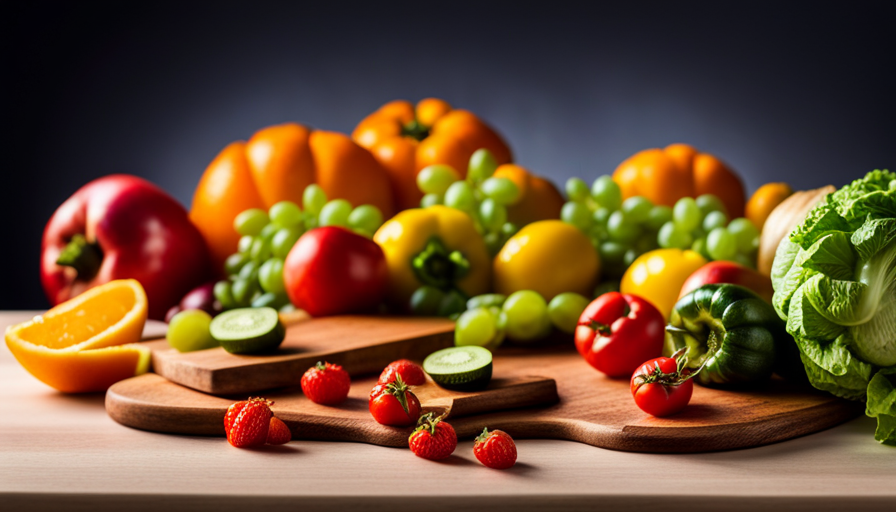
A raw food diet centers on eating unprocessed, uncooked foods like fruits, vegetables, nuts, seeds, and sometimes raw dairy or seafood, aiming to preserve natural enzymes and nutrients. The focus is on keeping foods below about 104 to 118°F to avoid cooking. Proper sourcing and hygiene are essential to guarantee safety from pathogens. If you want to understand different types of raw diets and how to do them safely, keep exploring for more details.
Key Takeaways
- A raw food diet involves eating unprocessed, uncooked foods, typically kept below 104-118°F to preserve nutrients and enzymes.
- It emphasizes fruits, vegetables, nuts, seeds, and sometimes raw dairy or seafood in their natural state.
- Proper sourcing, hygiene, and handling are essential to minimize food safety risks like foodborne illnesses.
- The diet aims to maximize nutritional content, supporting better digestion, energy, and overall health.
- Different types include vegan raw, raw omnivorous, and raw vegetarian diets, all centered on minimally processed, uncooked foods.

Are you curious about the benefits of a raw food diet? If so, you’re probably wondering what it really involves and how it can impact your health. Basically, a raw food diet focuses on eating unprocessed, uncooked foods, primarily fruits, vegetables, nuts, seeds, and sometimes raw dairy or seafood. The idea is to preserve the natural enzymes and nutrients that cooking can destroy, which many believe maximizes food safety and nutritional benefits. When you choose raw foods, you’re prioritizing items that haven’t been heated above a certain temperature—usually around 104 to 118 degrees Fahrenheit—to retain their natural integrity. This temperature limit is essential because it prevents you from cooking food, ensuring you’re consuming it in its most natural state. Proper handling and sourcing are crucial, especially for raw meats and seafood, to reduce the risk of foodborne illness. Food safety is a key concern with a raw food diet, especially when it comes to avoiding foodborne illnesses. Raw foods, particularly meats, seafood, and dairy, can carry pathogens if not handled properly. That’s why it’s critical to source your ingredients from reputable suppliers and practice proper hygiene in your food preparation. Washing fruits and vegetables thoroughly, using clean utensils, and storing foods at the right temperatures can reduce the risk of contamination. The right handling ensures you’re not just enjoying the nutritional benefits but also safeguarding your health. Many proponents believe that by eating raw, you reduce exposure to preservatives and additives often found in processed foods, which can further enhance food safety. Additionally, incorporating catering and delivery options for raw food meals can make maintaining this diet more convenient and accessible. Nutritional benefits are one of the main reasons people adopt a raw food diet. Raw foods are rich in vitamins, minerals, antioxidants, and enzymes that can be diminished or destroyed by cooking. Eating these foods uncooked allows you to maximize nutrient intake, which supports your immune system, boosts energy, and promotes overall well-being. Additionally, raw foods tend to be lower in calories and fat, making them a popular choice for weight management. The high fiber content in raw fruits and vegetables aids digestion and helps maintain a healthy gut. Many individuals report increased vitality, clearer skin, and better digestion after switching to a raw food diet, partly because they’re consuming more nutrient-dense foods and fewer processed options. In practice, a raw food diet emphasizes the importance of food safety through proper handling and preparation while offering impressive nutritional benefits. It’s a lifestyle that encourages eating foods in their most natural state, which can lead to improved health and increased energy. Just remember, balancing raw foods with other nutritional considerations and paying attention to safe food practices is key to making this diet sustainable and beneficial for you.

Cosori Food Dehydrator, Bigger Than 7 Trays with Large 6.5 ft² Drying Space
- Larger Drying Space: 6.5 ft² with 6 trays
- More Power & Efficiency: 600W motor for faster drying
- Quiet Operation: Below 48 dB noise level
As an affiliate, we earn on qualifying purchases.
As an affiliate, we earn on qualifying purchases.
Frequently Asked Questions
Can Children Safely Follow a Raw Food Diet?
You should be cautious about children following a raw food diet since it can impact child nutrition and pose developmental risks. Their growing bodies need a balanced intake of nutrients that may be hard to get from raw foods alone. Consult a pediatrician before making any major dietary changes, and guarantee your child’s diet includes cooked foods to support healthy growth and development.
How Does a Raw Food Diet Affect Athletic Performance?
You might find that a raw food diet boosts your energy levels initially, thanks to increased intake of fresh fruits and vegetables. However, some believe it can affect your nutritional balance, leading to potential deficiencies in protein and certain vitamins. These imbalances could hinder your athletic performance over time. It’s crucial to carefully plan your raw food diet to maintain ideal energy and support your training goals.
Are There Specific Supplements Recommended for Raw Food Adherents?
You should consider taking superfood supplements and nutrient boosters to guarantee you’re meeting all your nutritional needs on a raw food diet. These supplements can fill gaps in your intake of essential vitamins, minerals, and antioxidants that might be lacking in raw foods alone. Look for options like spirulina, chlorella, or powdered greens to support your energy, immunity, and overall health while sticking to your raw food principles.
What Are Common Challenges People Face on a Raw Food Diet?
You might face challenges like food safety concerns, especially with bacteria or parasites from raw foods, and managing dietary restrictions. Ensuring you handle and store foods properly helps prevent illness. Additionally, you could struggle with limited variety or difficulty meeting your nutritional needs, which makes it essential to plan meals carefully. Staying aware of these common issues allows you to enjoy your raw food diet safely and sustainably.
Is It Possible to Transition Gradually to a Raw Food Diet?
Yes, you can definitely make a gradual shift to a raw food diet. Start with small steps, like incorporating more raw fruits and vegetables into your meals. Focus on meal planning to guarantee variety and balanced nutrition. Slowly replace cooked items with raw alternatives, and listen to your body. This steady approach helps your digestive system adapt comfortably, making the switch smoother and more sustainable over time.
Conclusion
A raw food diet is like a vibrant garden bursting with fresh, untouched produce, offering your body a natural boost. By choosing raw, unprocessed foods, you nourish yourself with the purest flavors and nutrients. Just as a river flows freely without barriers, this diet encourages your body to thrive in its most natural state. Embrace the journey, and let your health blossom like a spring garden, full of vigor and life.