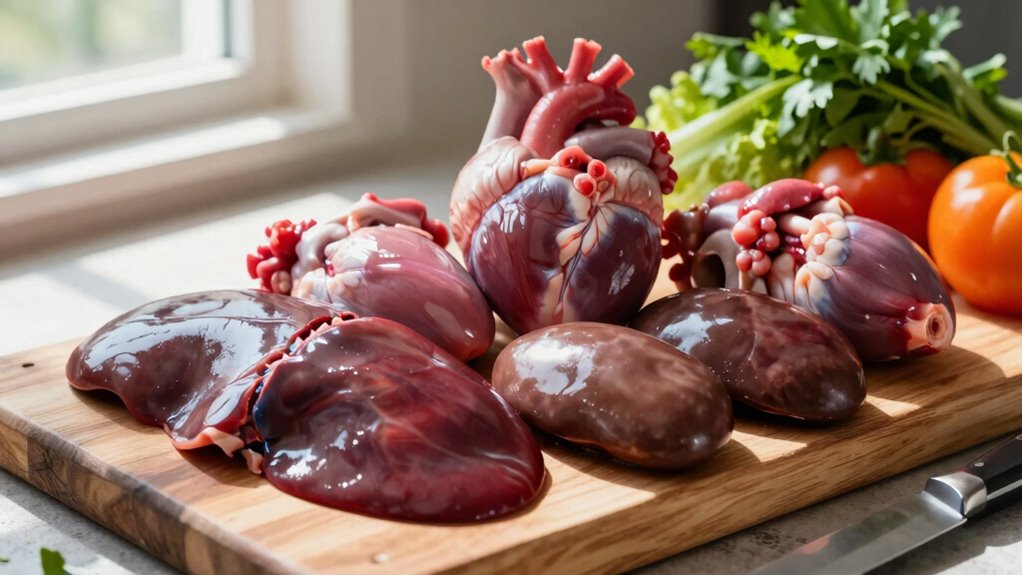
Organs are vital in homemade raw pet meals because they pack essential nutrients often missing in regular diets. They’re rich in vitamins and minerals like A, B vitamins, iron, and copper, supporting your pet’s eye health and immune function. Including organ meats enhances flavor, making meals more palatable, especially for picky eaters. Just remember to keep the balance right, with 10-15% of their diet from organ meats. You’ll discover even more benefits as you explore further.
Key Takeaways
- Organ meats are nutrient-dense, providing essential vitamins and minerals crucial for pet health, often lacking in traditional diets.
- They offer higher nutrient density than muscle meats, contributing essential fatty acids, antioxidants, and amino acids for overall wellness.
- Incorporating organ meats enhances flavor, making meals more appealing to picky eaters and improving their overall eating habits.
- A balanced inclusion of organ meats, ideally 10-15% of the diet, prevents nutrient excess while ensuring pets receive vital benefits.
- Understanding organ nutritional value aids in preparing healthier homemade meals, supporting optimal health and vitality for pets.
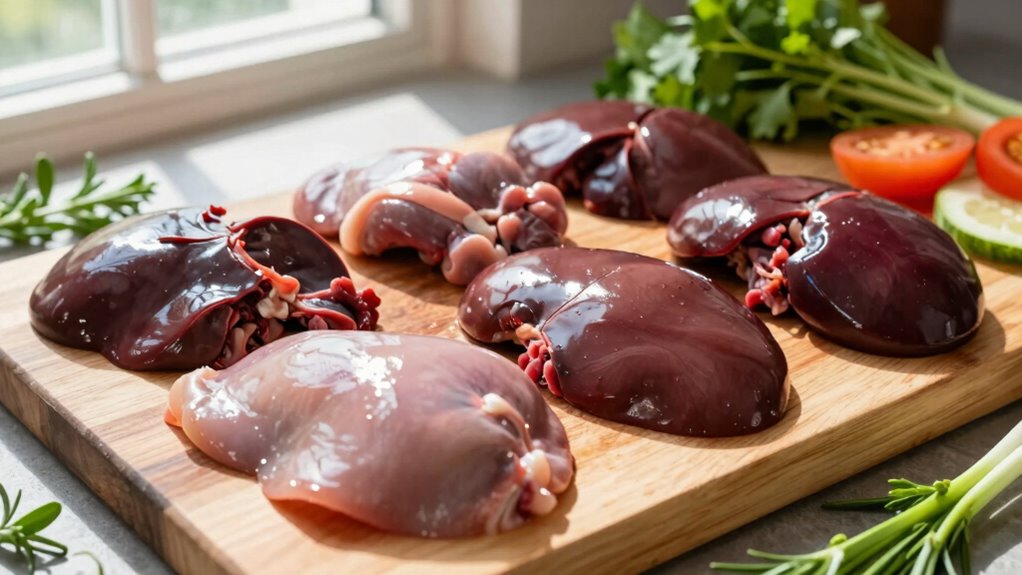
When you consider raw pet meals, you might overlook the essential role that organ meats play in your pet’s diet. Many pet owners focus on muscle meat and forget that organ meats are nutritional powerhouses. These organs, like liver, kidneys, and heart, offer a range of organ benefits that can greatly enhance your pet’s overall health.
First, let’s talk about nutrient density. Organ meats are packed with vitamins and minerals that your pet needs for optimal health. For instance, liver is rich in Vitamin A, which supports eye health and immune function. It’s also a fantastic source of B vitamins, iron, and copper, all of which contribute to energy production and overall vitality. By incorporating organ meats into your pet’s meals, you’re providing essential nutrients that are often missing in traditional pet food.
Organ meats are nutrient-dense powerhouses, packed with vitamins and minerals essential for your pet’s health and vitality.
You might be surprised to learn that organ meats contain a higher nutrient density than muscle meats. While chicken breast or beef steak provides protein, organs deliver more than just that. They supply a variety of essential fatty acids, antioxidants, and amino acids that can support your pet’s skin, coat, and digestive health. This nutrient-rich profile makes organ meats an invaluable addition to a balanced raw diet. Additionally, understanding the nutritional value of organs can help you make informed choices when preparing homemade raw meals for your pet.
In addition to their nutrient density, organ meats can also enhance the flavor of your pet’s meals. Many pets find organ meats more palatable than regular muscle meat, which can be a real advantage if your pet tends to be a picky eater. The rich taste can encourage your pet to enjoy their meals more, making mealtime a positive experience.
It’s important, however, to balance the inclusion of organ meats in your pet’s diet. Too much can lead to an overload of certain nutrients, which might not be beneficial. A general guideline is to include organ meats as about 10-15% of your pet’s overall diet. This balanced approach guarantees your pet reaps the organ benefits without overdoing it. Being aware of the nutritional needs of pets can further support a healthy and balanced diet.

DNA PET Beef Organs Powder for Dogs, Grass-Fed, Freeze-Dried, 3 oz
- All-in-One Multi-Organ Supplement: Includes liver, heart, kidney, and more
- Grass-Fed, Freeze-Dried Raw Meat: Premium quality, nutrient-rich ingredients
- Supports Immune and T-Cell Health: Contains bovine thymus for immune support
As an affiliate, we earn on qualifying purchases.
As an affiliate, we earn on qualifying purchases.
Frequently Asked Questions
How Do I Source High-Quality Organ Meats for My Pets?
To source high-quality organ meats for your pets, start by visiting local butcher shops or farmers’ markets. Ask about their sourcing tips and confirm they prioritize quality assurance. Look for farms that raise animals humanely, ideally with organic practices. You can also check online retailers specializing in pet food, verifying they provide detailed information about their sourcing. Always inspect the freshness and smell before purchasing to guarantee the best for your furry friends.
Can I Mix Different Organ Types in One Meal?
Yes, you can mix different organ types in one meal! In fact, organ meat combinations can enhance the nutrient balance for your pets. By including a variety of organs—like liver, heart, and kidney—you provide a broader range of vitamins and minerals. Just make sure to maintain a proper ratio to avoid overloading on certain nutrients. Experimenting with different combinations can keep your pet’s meals exciting and nutritious!
Are There Any Organ Meats Pets Should Avoid?
Yes, there are some organ meat sources you should avoid. Stay clear of organs from animals that might be toxic, like certain game meats. Additionally, avoid high-fat organs, like the brain, as they can lead to health issues. Instead, focus on safe organ options like liver, heart, and kidney, which provide essential nutrients without the risks. Always guarantee your pet’s diet is balanced and consult a vet for tailored advice.
How Often Should I Feed Organs in My Pet’s Diet?
Imagine your pet’s plate as a vibrant garden, where organ meats are the rich soil nourishing every flower. You should feed organ meat about once or twice a week to reap its benefits. This nutrient-packed treasure fuels your furry friend’s vigor and supports their overall health. By maintaining this feeding frequency, you create a balanced diet, cultivating strength and energy in your beloved companion. Embrace the goodness of organ meats, and watch them thrive!
What Are the Signs of Organ Meat Allergies in Pets?
If your pet shows signs like itching, vomiting, diarrhea, or excessive gas after eating organ meat, they might have organ meat sensitivities or allergic reactions. You should monitor their behavior closely and consider eliminating organ meats from their diet to see if symptoms improve. It’s essential to consult your vet for proper diagnosis and advice on managing your pet’s diet to guarantee they stay healthy and comfortable.
Conclusion
Incorporating organs into your pet’s raw meals is like adding a secret ingredient to your favorite recipe—it transforms the dish. These nutrient-rich powerhouses provide essential vitamins and minerals that support your furry friend’s health and well-being. By including organs, you’re not just feeding your pet; you’re nourishing them from the inside out. So, don’t overlook this crucial component; it’s the key to a balanced and wholesome diet that keeps tails wagging and spirits high!