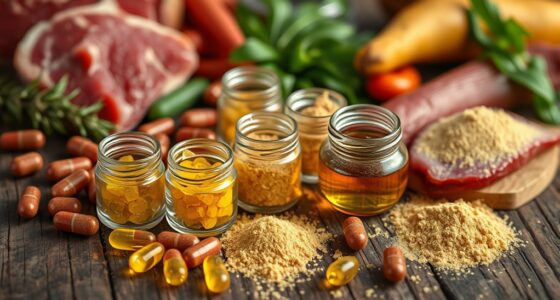


Muscle meat and organ meat serve different but essential roles in your pet’s raw diet. Muscle meat is high in protein and essential amino acids, but it lacks certain vitamins and minerals. In contrast, organ meat, like liver and heart, is nutrient-dense, packed with vitamins A, D, and B, along with crucial minerals like iron. Balancing these two types—keeping about 70-80% muscle meat and 20-30% organ meat—creates a well-rounded diet for your pet. There’s more to explore on maximizing your pet’s nutrition!

Get health and wellness essentials delivered free — and shop member deals
- Fast, free delivery on millions of items
- Access to Prime Big Deal Days deals on October 6–7
- Prime Video, Amazon Music and more included
Key Takeaways
- Muscle meat primarily provides protein and essential amino acids, forming the bulk of a pet’s raw diet.
- Organ meat is nutrient-dense, offering vitamins A, D, and B, along with vital minerals like iron and zinc.
- A balanced diet consists of 70-80% muscle meat and 20-30% organ meat to mimic natural feeding patterns.
- Sourcing high-quality, human-grade meat from local farms enhances freshness and supports better nutrition.
- Rotating various organ meats prevents nutrient overload and keeps meals exciting for pets.
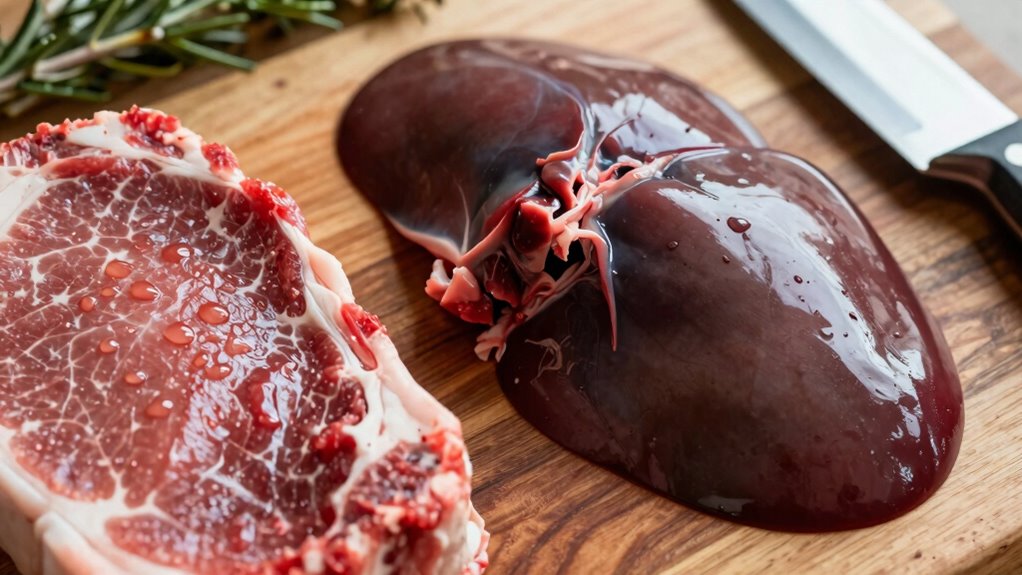
When you immerse yourself in raw feeding, understanding the difference between muscle meat and organ meat is fundamental for your pet’s health. Muscle meat, like chicken breasts or beef steaks, makes up the bulk of the diet. It’s rich in protein and provides essential amino acids that are critical for your pet’s growth and overall well-being. However, muscle meat alone isn’t enough. It lacks certain vitamins and minerals that your furry friend needs. This is where organ meat comes into play.
Understanding the difference between muscle meat and organ meat is essential for your pet’s health and well-being.
Organ meat, such as liver, kidneys, and heart, packs a powerful punch when it comes to nutritional benefits. These organs are nutrient-dense and provide essential vitamins like A, D, and B vitamins, as well as minerals like iron and zinc. They’re often considered a superfood for pets, offering a concentrated source of nutrients that muscle meat simply can’t match. By incorporating organ meat into your pet’s diet, you help guarantee they’re receiving a balanced range of nutrients necessary for their health. Additionally, understanding the nutritional value of different organs can help you make better choices for your pet’s diet.
When it comes to sourcing options, you’ve got a few choices. Many pet owners opt for high-quality, human-grade sources from local farms or specialty stores. This not only supports local agriculture but often assures you of fresher, hormone-free options. However, you can also find organ meats at larger supermarkets or online retailers, where you might discover a wider variety, including exotic options like rabbit or duck organs. Just remember to check for freshness and quality to guarantee you’re providing the best for your pet.
Balancing muscle meat and organ meat in your pet’s diet can be a bit of a puzzle, but it’s worth it. A good rule of thumb is to aim for about 70-80% muscle meat and 20-30% organ meat. This balance helps mimic a natural diet and covers the nutritional bases. You might want to rotate different types of organ meat to prevent any potential nutrient overload while keeping your pet’s meals interesting. Additionally, it’s helpful to learn about nutrient ratios to ensure optimal health benefits for your pet.
As an affiliate, we earn on qualifying purchases.
Frequently Asked Questions
Can I Mix Muscle Meat and Organ Meat in One Meal?
Yes, you can mix muscle meat and organ meat in one meal! Combining them offers a balanced nutrition profile. Muscle meat benefits, like protein and energy, complement the rich vitamins and minerals found in organ meat sources. This variety can enhance your diet’s nutritional value while keeping meals interesting. Just remember to introduce new ingredients gradually to guarantee your body adjusts well to the changes. Enjoy the benefits of both types!
How Often Should I Feed Organ Meat to My Pet?
You should feed organ meat to your pet about once or twice a week to maintain a good nutritional balance. Too much organ meat can lead to nutrient overload, so keep the feeding frequency moderate. Mix it with muscle meat during those meals to create a balanced diet. Always monitor how your pet reacts and adjust based on their needs. This way, you’ll guarantee they’re getting the best nutrition possible!
Are There Any Risks in Feeding Organ Meat?
When it comes to feeding organ meat, you’ve got to tread carefully. While the nutritional benefits can be significant, there are potential toxins that can pose risks. Overfeeding organ meat can lead to imbalances or toxicity, especially with liver. It’s best to incorporate it in moderation, ensuring a balanced diet. Keep an eye on how your pet reacts, and you’ll be steering clear of any trouble down the road.
What Types of Organ Meat Are Safest for Pets?
When it comes to organ meat, liver and heart are among the safest options for your pets. Liver provides numerous benefits, packed with vitamins and nutrients that boost overall health. Meanwhile, heart meat is great for promoting heart health, being rich in taurine, which supports cardiac function. Just make sure to introduce these meats gradually and in moderation to avoid digestive issues. Your furry friend will thrive with these nutritious additions!
Can Organ Meat Improve My Pet’s Coat Condition?
Yes, organ meat can definitely improve your pet’s coat condition. Packed with essential vitamins and minerals, it boosts coat health by enhancing nutrient absorption. Organ meats like liver and kidney are rich in omega fatty acids, which promote a shiny, healthy coat. When you include these in your pet’s diet, you’ll likely notice a significant difference in their fur’s texture and appearance. Just remember to balance it with muscle meat for best results!
Conclusion
When it comes to raw feeding, understanding the difference between muscle meat and organ meat can make all the difference for your pet’s health. You might think muscle meat is enough, but what if I told you organ meat holds essential nutrients that could change everything? Imagine your furry friend thriving, their energy levels soaring, simply because you took the extra step to include these nutrient powerhouses. So, are you ready to access the full potential of their diet?
Fall Picks
fall essentials
As an affiliate, we earn on qualifying purchases.