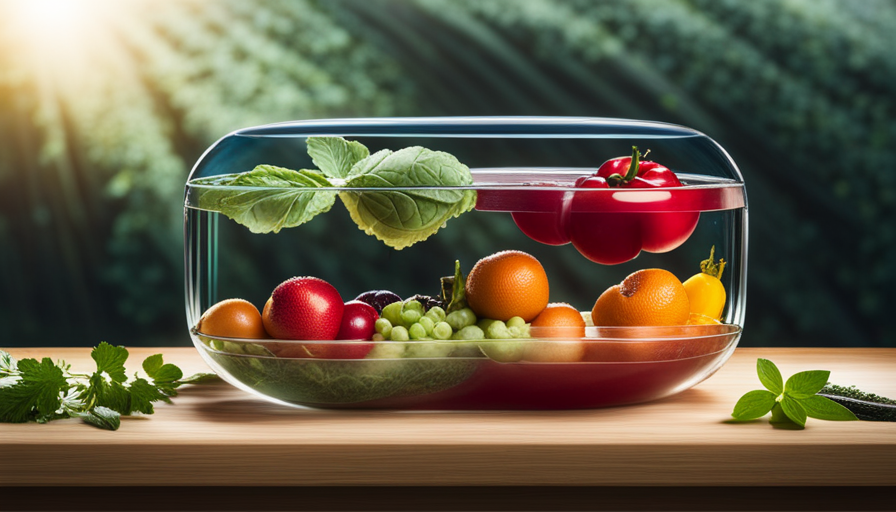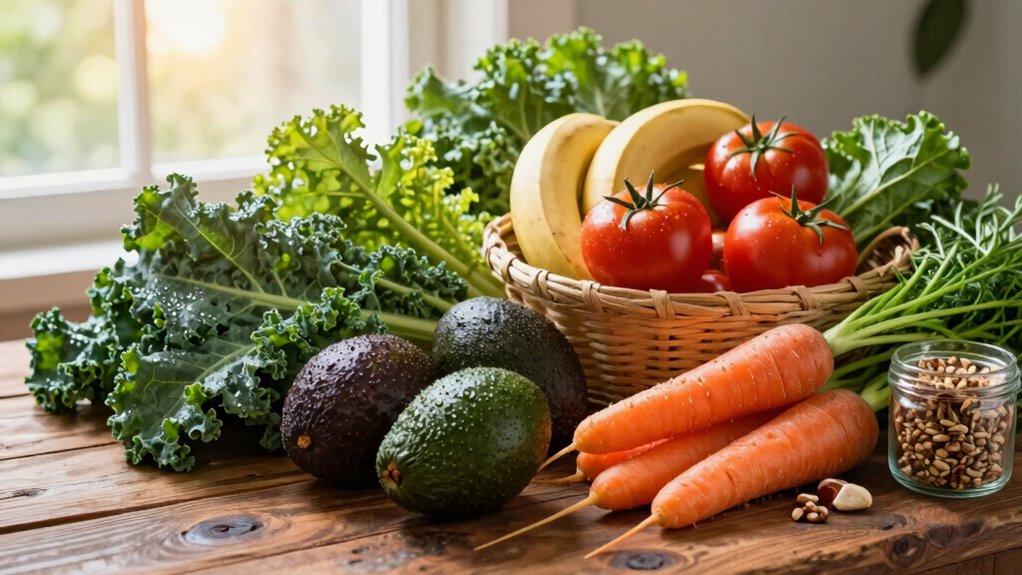

On your first raw grocery trip, focus on vibrant fruits like apples, bananas, and berries, along with fresh vegetables such as leafy greens, bell peppers, and tomatoes. Don’t forget to grab nuts and seeds for added nutrition. Stock up on pantry staples like raw cacao and coconut oil to enhance your meals. Creating a shopping list will help you stay organized and within budget. You’ll discover more tips for maintaining your raw food journey along the way.

Get health and wellness essentials delivered free with Prime
- Fast, free delivery on millions of items
- Prime Video, Amazon Music and more included
- Member-only deals all year
Key Takeaways
- Focus on fresh, seasonal fruits and vegetables for maximum flavor and nutrition.
- Include a variety of leafy greens, colorful bell peppers, and crunchy snacks like apples and berries.
- Stock pantry staples like raw cacao, coconut oil, and nutritional yeast for added flavor and health benefits.
- Create a shopping list to streamline your purchases and stick to your budget.
- Dedicate time for meal prep to wash, chop, and store produce for easy meal choices.
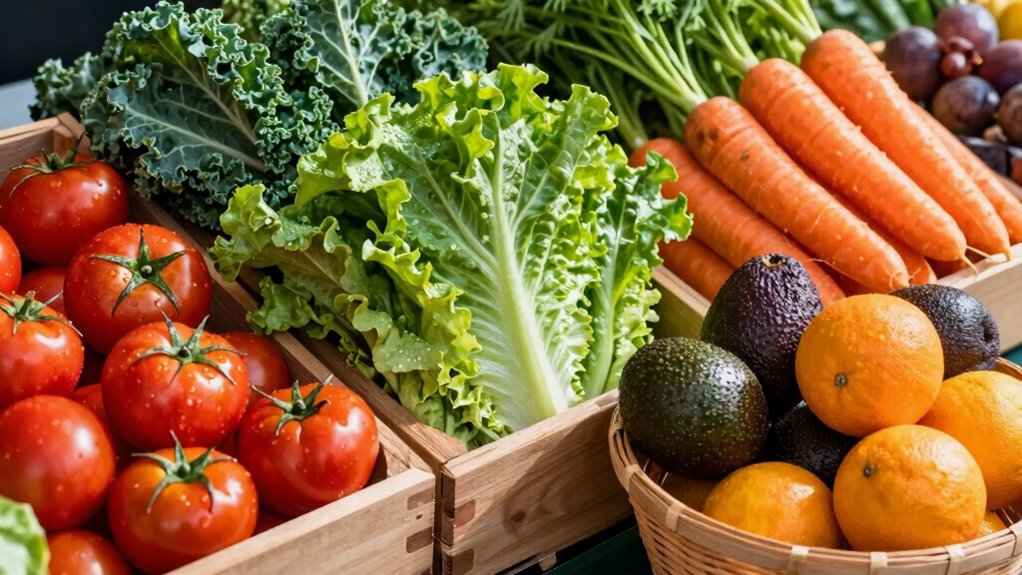
Setting out on your first raw grocery trip can feel exciting yet overwhelming. You might be enthusiastic to explore the vibrant world of raw foods, but knowing where to start can be tricky. First off, focus on gathering your raw food essentials. These include fresh fruits and vegetables, nuts, seeds, and sprouted grains. When you’re beginner shopping, it helps to create a list that emphasizes seasonal produce. Not only does this guarantee freshness and flavor, but it also aligns with your grocery budgeting since seasonal items are often cheaper.
Embarking on your first raw grocery trip? Focus on seasonal fruits, veggies, nuts, and seeds for freshness and budget-friendly choices.
As you stroll through the produce aisle, think about variety. Grab a mix of colors and textures. For instance, leafy greens like spinach or kale can serve as a base for salads, while colorful bell peppers and tomatoes add crunch and flavor. Don’t forget about fruits! Apples, bananas, and berries make great snacks and can be blended into smoothies. When it comes to nuts and seeds, almonds, walnuts, and chia seeds are fantastic for adding nutrition to your meals. They’re versatile enough to be tossed into salads or blended into smoothies.
Next, consider your pantry staples. Stocking up on items like raw cacao, coconut oil, and nutritional yeast can elevate your meal prep. These ingredients can transform a simple dish into something special. Make sure to also check for organic options. While they might be a bit pricier, they often offer better quality and taste. Incorporating nutrient-dense foods into your shopping list can help ensure your meals are balanced and nourishing. Additionally, researching plant-based nutrition can provide you with ideas to maximize your nutrient intake.
Meal prep is essential in the raw food lifestyle. Dedicate some time each week to wash, chop, and store your produce. Having ready-to-eat vegetables and fruits makes it easier to stick to your raw food goals, and it saves time during busy weekdays. You’ll find that having a solid meal prep routine can keep you excited about your meals, reducing the temptation to stray from your plan.
Lastly, don’t overlook nutrition tips that can enhance your experience. Researching nutrient-dense foods and how to combine them can help you create balanced meals. Keep an eye on your grocery budgeting too. It’s easy to overspend, especially when trying new items. Stick to your list, and remember that you can always try new recipes with what you have. Incorporating holistic health principles into your shopping and meal planning can further support your overall well-being.
With a little planning, your first raw grocery trip can set you up for success on your journey to vibrant health. Enjoy the exploration, and trust your instincts as you shop!
As an affiliate, we earn on qualifying purchases.
Frequently Asked Questions
How Do I Store Raw Groceries Properly?
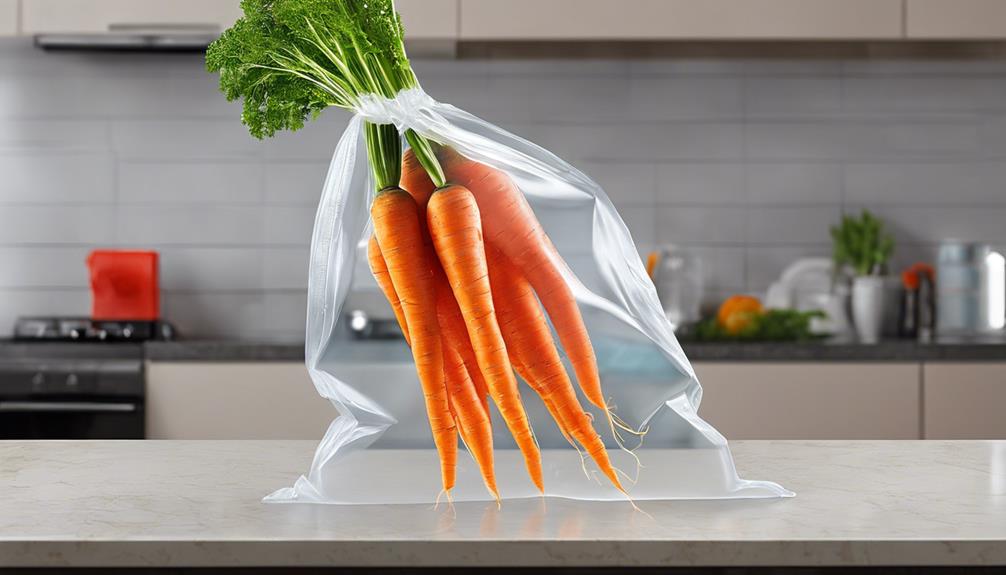
To store raw groceries properly, focus on effective cooling. Keep fruits and vegetables in the crisper drawer, and use breathable bags to maintain freshness. For herbs, consider wrapping them in a damp paper towel and placing them in a sealed container. Meats should go in the coldest part of your fridge or be frozen if you won’t use them soon. Always check expiration dates and rotate items to minimize spoilage.
Are There Any Must-Have Kitchen Tools for Raw Food Prep?
Imagine vibrant veggies twirling into colorful spirals as you slice through them with a spiralizer. You’ll love how easy it makes your meals! A high-quality blender is another must-have; it whirs your fruits and greens into creamy smoothies or soups, releasing their nutrients. With these tools, you’ll transform your kitchen into a raw food haven, making prep enjoyable and efficient. Don’t underestimate the power of these essentials in your culinary adventures!
How Can I Ensure Food Safety With Raw Ingredients?
To guarantee food safety with raw ingredients, start by sourcing them from trusted suppliers. Check for freshness and look for any signs of spoilage. Always wash fruits and veggies thoroughly before use, and keep your kitchen tools clean. Use separate cutting boards for raw items to avoid cross-contamination. Storing raw foods properly in the fridge or freezer can also help maintain their quality. Follow these food safety tips to enjoy your meals worry-free!
What Should I Do With Leftovers From Raw Recipes?
You should store your leftovers properly to keep them fresh. Use airtight containers in the fridge, and consume them within a few days. When you’re ready to enjoy them again, think about recipe repurposing. You can mix leftover veggies into smoothies or salads, or use them in a new dip. This way, you reduce waste and create exciting new meals with what you already have. Enjoy your creativity in the kitchen!
How Can I Transition My Family to a Raw Diet?
To shift your family to a raw diet, start with raw meal planning. Involve everyone in choosing recipes and prepping meals together. This makes the process fun and engaging. Gradually introduce raw snacks and meals, replacing one cooked dish at a time. Encourage your family to explore different fruits and veggies, fostering curiosity. Celebrate small successes with family taste tests and keep the atmosphere positive to make the shift enjoyable for everyone.
Conclusion
As you begin your first raw grocery trip, remember that “you are what you eat.” Choosing fresh fruits, vegetables, nuts, and seeds sets the foundation for a healthier lifestyle. By embracing these natural foods, you’re not just nourishing your body—you’re investing in your well-being. So, trust your instincts, explore new options, and enjoy the journey of discovering vibrant flavors. With every bite, you’re taking a step toward a more vibrant, energetic you.
Halloween Picks
halloween
As an affiliate, we earn on qualifying purchases.