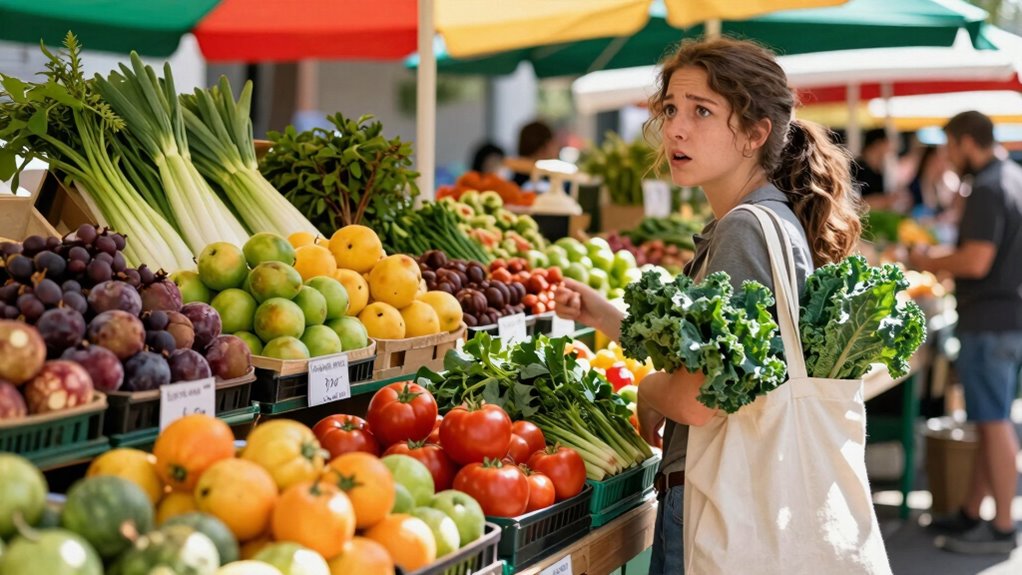
When you’re just starting with shopping for produce, it’s easy to get overenthusiastic. The sheer variety can overwhelm you, making it tempting to buy more than you need. This excitement often leads to overbuying, causing pantry overflow and produce going to waste. Plus, without knowing about seasonal availability, you might end up with items that lack flavor and freshness. If you want to improve your shopping habits and reduce waste, there’s plenty more to uncover.

Get health and wellness essentials delivered free — and shop member deals
- Fast, free delivery on millions of items
- Access to Prime Big Deal Days deals on October 6–7
- Prime Video, Amazon Music and more included
Key Takeaways
- Beginners are often overwhelmed by the variety in the produce aisle, leading to excessive purchases.
- Enthusiasm for cooking can drive new shoppers to buy more produce than they can realistically use.
- Lack of knowledge about seasonal availability results in impulse buys of off-season items.
- Inexperience with storage techniques can cause produce to spoil quickly, contributing to waste.
- Meal planning is often overlooked, leading to unplanned purchases and pantry overflow.
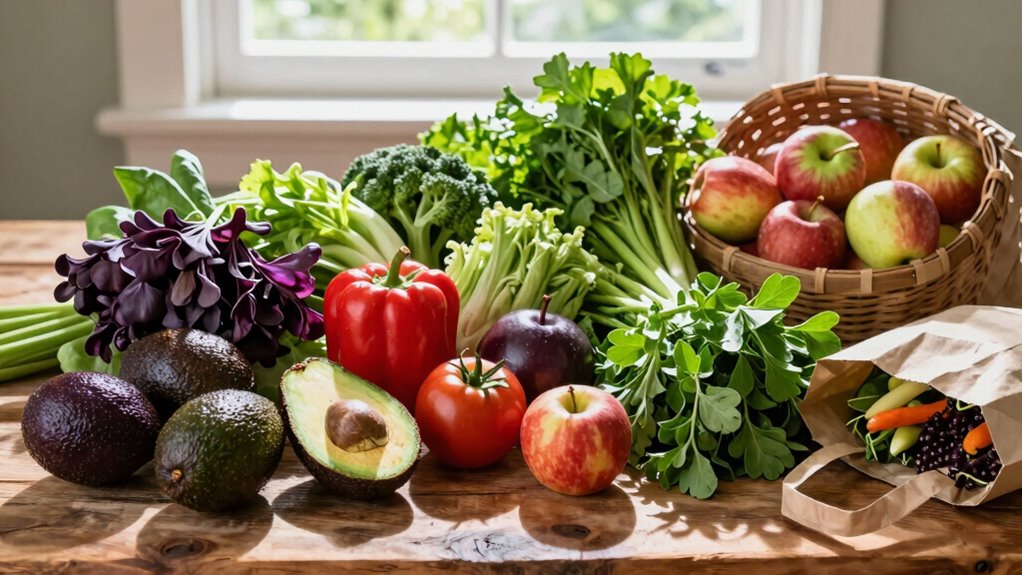
When you first plunge into cooking, it’s easy to get carried away in the produce aisle, thinking the more you buy, the healthier your meals will be. You’ll find an overwhelming variety of fruits and vegetables, each promising to elevate your culinary creations. However, this enthusiasm can lead to a pantry overflowing with produce that you may not even use.
Beginners often underestimate the impact of seasonal availability. Certain fruits and vegetables taste better and are more affordable when they’re in season. If you’re not familiar with what’s currently fresh, you might end up with items that aren’t at their peak flavor or nutritional value. Instead of being excited about new recipes, you might feel pressured to use everything before it spoils, which can add unnecessary stress to your cooking experience.
Beginners often overlook seasonal produce, leading to less flavorful options and added pressure to use them before they spoil.
Storage challenges also play a significant role in why newcomers buy too much produce. You might be tempted to stock up on fresh items, but not every vegetable or fruit stores well in the fridge. Some perish quickly, while others might need specific conditions to stay fresh. If you don’t know how to store them properly, you could find yourself throwing away wilted greens or moldy fruits, which feels like a waste of both money and effort. Learning proper storage techniques can help extend the freshness and usability of your produce. Additionally, understanding seasonal produce can help you make smarter choices, ensuring you buy what’s at its best. Recognizing food preservation methods can also help you keep produce fresh longer, reducing waste and making your shopping more efficient.
Meal planning can help curb this tendency. By mapping out your meals for the week, you can buy only what you need. It allows you to focus on using seasonal ingredients, which not only saves you money but also gives you the best flavors. Start by choosing a few recipes and jotting down the ingredients required. This simple step can keep your grocery list manageable and steer you away from impulse buys that fill your cart with produce you won’t use. Developing grocery shopping strategies can further enhance your ability to buy wisely and minimize waste.
As you gain more experience, you’ll learn to strike a balance. You’ll start to recognize what you truly enjoy cooking with and what you can realistically consume before it goes bad. You might even discover new favorites along the way! The key is to start small, focusing on quality over quantity. With each trip to the grocery store, you’ll refine your approach, making your cooking journey not just about healthier meals, but also about smarter shopping. Additionally, becoming familiar with seasonal availability can help you plan your purchases more effectively, ensuring freshness and reducing waste.
As an affiliate, we earn on qualifying purchases.
Frequently Asked Questions
How Can I Store Produce to Keep It Fresh Longer?
To keep your produce fresh longer, focus on proper produce storage. Store fruits and vegetables separately, as some fruits emit ethylene gas that can spoil veggies. Use breathable bags for items like greens and store them in the fridge’s crisper drawer. For root veggies, a cool, dark place works best. Be sure to check for spoilage regularly and follow these freshness tips to maximize your produce’s lifespan. You’ll enjoy your food more!
What Are the Best Ways to Use Surplus Produce?
To use surplus produce, get creative with recipes! You can whip up vegetable stir-fries, hearty soups, or revitalizing salads. Try roasting or grilling to enhance flavors, too. For preservation, consider freezing chopped fruits and veggies or making sauces and salsas. Jams and pickles are great options, too. By experimenting and preserving, you’ll not only reduce waste but also enjoy the bounty of your produce for longer!
Are Organic Fruits and Vegetables Worth the Cost?
Yes, organic fruits and vegetables are often worth the cost. You’ll find organic options usually have fewer pesticides and a higher nutrient content, which boosts their health benefits. When you do a cost comparison, consider not just the price but also the potential long-term health improvements. Investing in organic can lead to better well-being, and if you prioritize quality, you might find the extra expense justifiable for your lifestyle.
How Do I Know if Produce Is Ripe?
To know if your produce is ripe, look for color cues specific to each fruit or vegetable. Feel for texture signs—ripe produce often yields slightly to gentle pressure. Trust your nose; aroma hints can reveal ripeness, especially in fruits like peaches and melons. For example, a ripe avocado feels soft but not mushy. By checking these ripeness indicators, you’ll pick delicious, perfectly ripe produce every time.
What Are Some Tips for Meal Planning With Produce?
To make meal planning with produce easier, focus on seasonal buying—it’s fresher and often cheaper. Start your meal prep by choosing recipes that use similar ingredients, so nothing goes to waste. Create a weekly menu and list, buying only what you need. Incorporate versatile veggies that can be used in multiple dishes. Finally, store produce properly to extend its shelf life, ensuring you enjoy every bit of your purchases.
Conclusion
In your journey into juicing and juggling fresh fruits and veggies, it’s easy to overindulge. Beginners often buy bountiful bags of produce, driven by dreams of delicious dishes. However, remember to reel in your excitement! Focus on favorites and figure out your family’s actual appetite. By balancing your bounty, you’ll savor satisfaction without the stress of surplus. So, shop smart, savor seasonality, and soon you’ll master the marvelous art of mindful munching!
Fall Picks
fall essentials
As an affiliate, we earn on qualifying purchases.