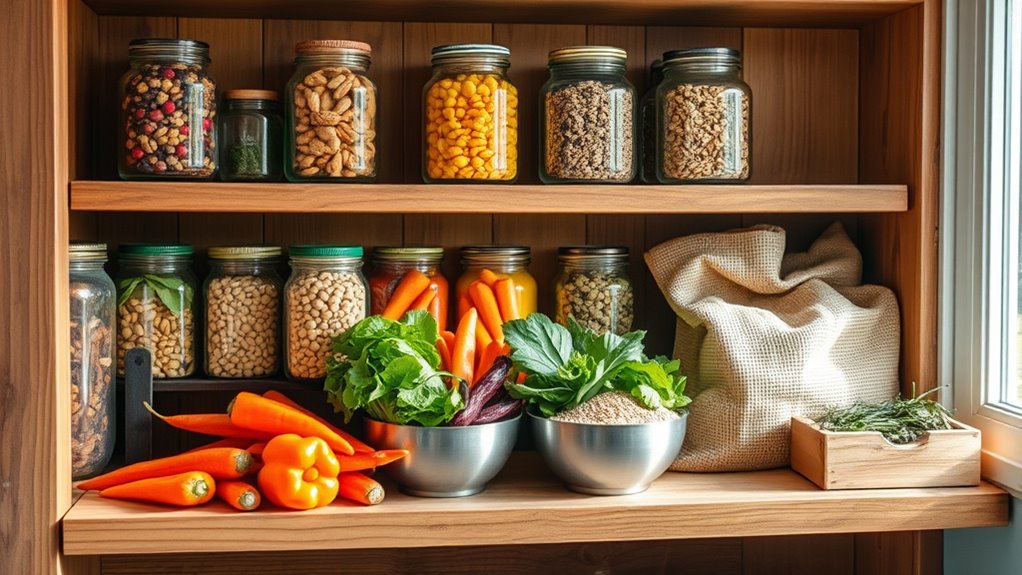

To build a beginner’s raw food pantry, stock versatile staples like nuts, seeds, dried fruits, fresh produce, and nutrient-dense ingredients such as superfoods and healthy oils. Invest in airtight containers for storage and organize your items for easy access. Keep perishables fresh with proper refrigeration and consider using dehydrators for homemade snacks. With these essentials and tips, you’ll be all set to maintain a healthy raw lifestyle—exploring further will give you even more helpful ideas.
Key Takeaways
- Stock a variety of nuts, seeds, dried fruits, and fresh produce to ensure diverse nutrient intake.
- Use airtight containers for storing nuts, seeds, and dried fruits to maintain freshness and extend shelf life.
- Include essential tools like dehydrators and sharp knives for preparing snacks and raw dishes efficiently.
- Keep healthy oils, herbs, and spices readily available to enhance flavor and nutritional value of raw meals.
- Organize pantry items for quick access, regularly rotate stock, and purchase perishables in small batches to prevent spoilage.
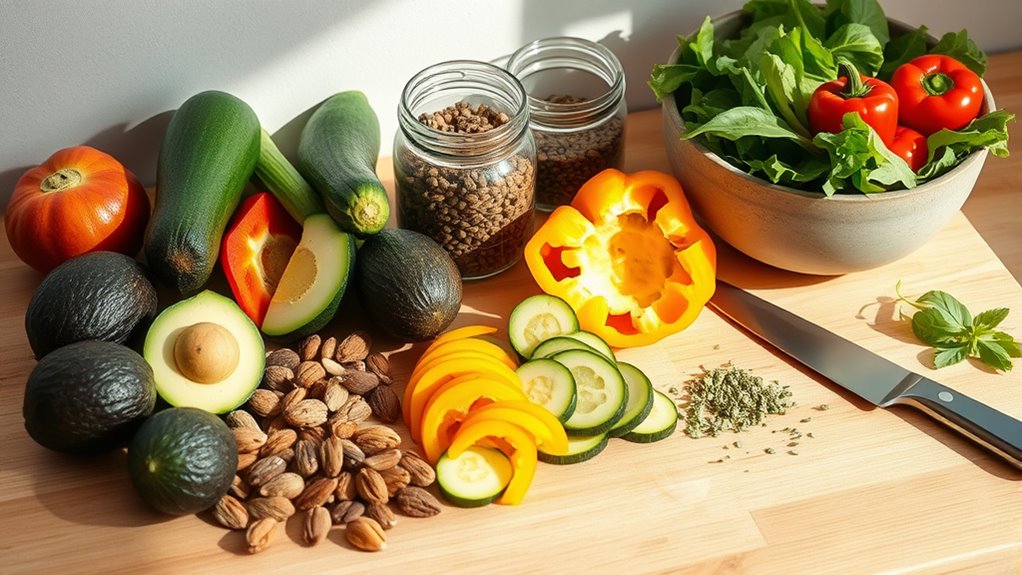
Starting a raw eating lifestyle can feel overwhelming at first, but having the right pantry essentials makes the shift easier. When you focus on stocking the basics, you’ll find it simpler to prepare nutritious, raw meals that support your health goals. The key is to prioritize foods that deliver maximum nutritional benefits while also being easy to store and access. Your pantry should be a go-to spot for wholesome ingredients that can be combined in countless ways, keeping your diet diverse and exciting.
Starting a raw eating lifestyle is easier with a well-stocked, organized pantry of nutritious, versatile essentials.
Nutritional benefits are at the heart of a raw eating pantry. Stock up on a variety of nuts and seeds—such as almonds, walnuts, sunflower seeds, and chia seeds. These provide healthy fats, protein, and crucial micronutrients. Dried fruits like dates, apricots, and raisins are excellent natural sweeteners packed with fiber, antioxidants, and energy. Fresh produce, of course, is essential, but dried and frozen options are also valuable for convenience and longer shelf life. Keep a selection of tropical fruits like mango and pineapple in your freezer, as they retain their nutritional value and can be used in smoothies or salads.
When it comes to food storage tips, focus on keeping your pantry organized and moisture-free. Use airtight containers for nuts, seeds, and dried fruits to preserve freshness and prevent spoilage. Store produce in a cool, dark place to extend its shelf life, and consider investing in a dehydrator for making your own dried snacks, which can be stored for months. For perishables like fresh vegetables and fruits, establish a routine to purchase in smaller quantities more frequently, reducing waste and maintaining freshness. Label your jars and containers with dates to keep track of freshness and ensure you’re using ingredients at their peak.
In addition to these staples, include healthy oils like cold-pressed coconut or olive oil for dressings and marinades, and consider stocking raw superfoods such as spirulina or cacao nibs to boost your nutrient intake. Herbs and spices can elevate simple raw dishes, so keep dried options like turmeric, cumin, and cinnamon on hand. Remember, the goal of your pantry is to simplify your raw food journey while maximizing nutritional benefits. Proper food storage tips help you avoid spoilage, ensure freshness, and keep your ingredients ready to use at any time. With a well-curated pantry, you’ll find that preparing raw meals becomes intuitive and enjoyable, supporting a sustainable and healthful lifestyle.

ComSaf Glass Storage Containers with Lids (0.6qt/1qt/1.5qt) Set of 6,Glass Pantry Storage Containers with Airtight Lid & lables for Dry Food, Snacks, Nuts, Stackable for Kitchen, Pantry Organization
Airtight Seal – Keeps Food Fresh: Our glass jars with bamboo lids have a silicone gasket for an…
As an affiliate, we earn on qualifying purchases.
As an affiliate, we earn on qualifying purchases.
Frequently Asked Questions
How Do I Store Raw Ingredients to Keep Them Fresh?
To keep raw ingredients fresh, you should use proper refrigeration techniques and storage containers. Store perishable items in airtight containers to prevent spoilage and contamination. Keep fruits and vegetables in the crisper drawer, maintaining the right humidity levels. Make certain your fridge stays at the ideal temperature, around 37-40°F. Label containers with dates to track freshness, and avoid overpacking the fridge, which hampers airflow and speeds spoilage.
Are There Any Safety Tips for Handling Raw Produce?
Think of handling raw produce like handling delicate glassware—you’re cautious and precise. To guarantee food safety, wash your hands thoroughly before and after touching produce. Rinse fruits and vegetables under running water, scrubbing firm-skinned items gently. Avoid cross-contamination by using separate cutting boards for produce and other foods. Handling precautions like these keep your raw ingredients safe, fresh, and ready to nourish without risking illness.
What Are Versatile Staples for Beginners’ Raw Pantry?
You should keep versatile staples like fresh fruits, vegetables, nuts, and seeds in your raw pantry. These essentials help you create raw snack ideas and support beginner meal plans effortlessly. Stock up on healthy options like dried fruits, coconut, and raw nut butters to add variety and nutrition. With these staples, you’ll find it easy to stay prepared for quick, delicious raw meals and snacks every day.
How Can I Tell if Nuts and Seeds Are Fresh?
You might notice that your nut freshness and seed quality decline over time, which can be a coincidence. To tell if nuts and seeds are fresh, check for a mild aroma—fresh ones smell nutty and inviting. Look for a shiny appearance and avoid any that seem dry or have a bitter taste. Fresh nuts and seeds will also feel firm and won’t break apart easily, ensuring you’re getting the best flavor and nutrition.
Do I Need Special Equipment for Raw Food Prep?
You don’t need much special equipment for raw food prep. Basic tools like a sharp knife, cutting board, and a blender work well. If you want to expand, consider tools for food dehydration like a dehydrator or equipment for sprouting such as sprouting jars. These help you create raw snacks and sprouted grains easily. Most raw food prep is simple, so start with the essentials and add equipment as you go.
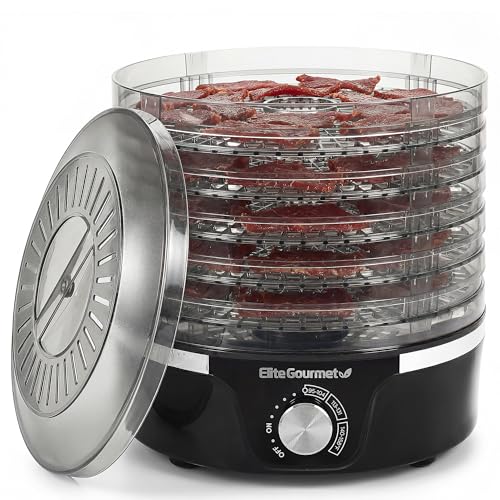
Elite Gourmet EFD319 Food Dehydrator, 5 BPA-Free 11.4" Trays Adjustable Temperature Controls, Jerky, Herbs, Fruit, Veggies, Dried Snacks, Black
CUSTOM TEMPERATURE CONTROL FOR PERFECT RESULTS: Adjustable temperature range from 95°F–158°F lets you dry fruits, vegetables, herbs, mushrooms…
As an affiliate, we earn on qualifying purchases.
As an affiliate, we earn on qualifying purchases.
Conclusion
Now that your pantry is stocked with essential tools and staples, you’re ready to embrace raw eating confidently. Imagine starting your day with a vibrant green smoothie, blending fresh spinach, a ripe banana, and a handful of nuts—simple, nutritious, and energizing. With just a few basic ingredients and tools, you can effortlessly create delicious raw meals that nourish your body and inspire your culinary journey. Keep experimenting, and enjoy the vibrant flavors of raw food!
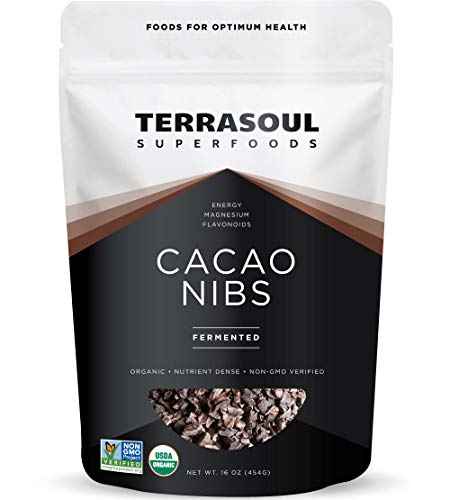
Terrasoul Superfoods Raw Organic Cacao Nibs, 16 Oz, Superfood Crunch for Smoothie Bowls, Nut Butter Spreads, Oatmeal and DIY Chocolate Creations
Terrasoul Superfoods Raw Organic Cacao Nibs, 1 Lb Pouch
As an affiliate, we earn on qualifying purchases.
As an affiliate, we earn on qualifying purchases.
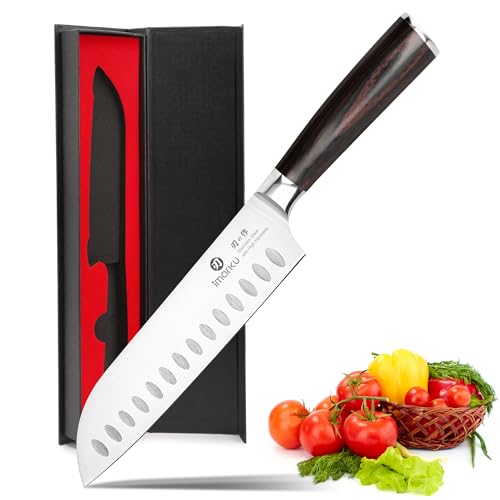
imarku Chef Knife 7 Inch Kitchen Knife Ultra Sharp Santoku Knife – High Carbon Japanese Chefs Knife, Kitchen Gadgets 2025, Apartment Essentials, Birthday Gifts for Him Her, Best Gifts for Women Men
Professional Santoku Knife: This imarku super sharp santoku knife is made of high carbon stainless steel that resists…
As an affiliate, we earn on qualifying purchases.
As an affiliate, we earn on qualifying purchases.