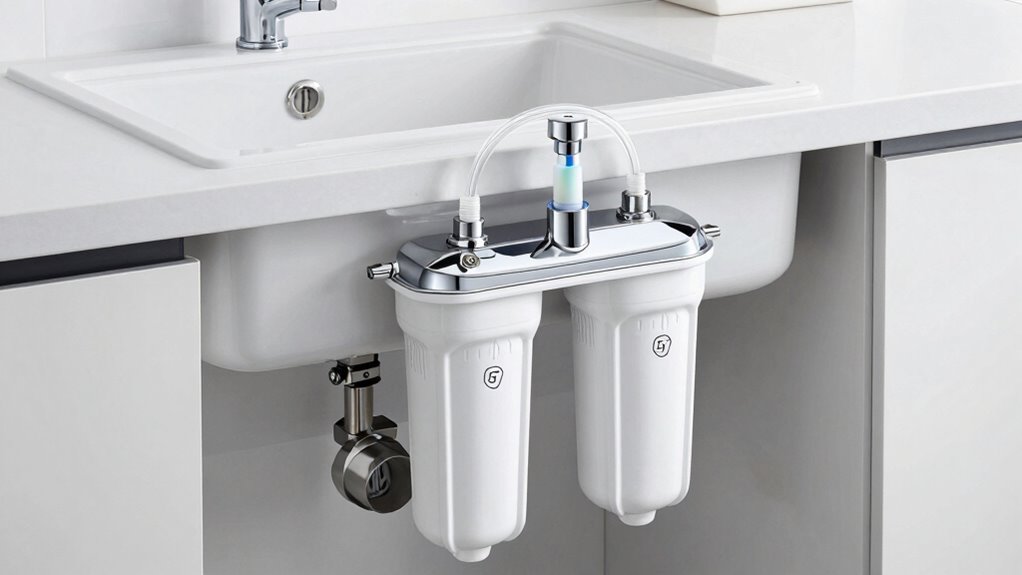

An under sink reverse osmosis system with remineralization strips out contaminants and then adds healthy minerals back, giving you water that’s both pure and pleasant to drink — but the category splits sharply between tankless high-flow designs and traditional tank-based systems. The Waterdrop G5P700A earns my top spot for its 700 GPD flow rate and integrated alkaline mineral stage, while the iSpring RO500AK offers a similar tankless experience at a friendlier price, and the iSpring RCC7AK-BN remains the go-to budget classic if slow flow doesn’t bother you. The main tradeoffs you’ll weigh are upfront cost versus filter replacement costs, countertop drilling requirements, and how much storage space you have beneath the sink. Keep reading for the full breakdown of all twelve systems.

Get health and wellness essentials delivered free with Prime
- Fast, free delivery on millions of items
- Prime Video, Amazon Music and more included
- Member-only deals all year
Key Takeaways
- Tankless models like the Waterdrop G5P700A and Frizzlife PD600 dominate on convenience and flow rate, but their proprietary replacement filters cost noticeably more per year than standard iSpring RCC7-series cartridges.
- The iSpring RCC7 series appears in five variants here, and the differences (booster pump, UV stage, nickel faucet) matter more for specific homes — low water pressure, well water, kitchen aesthetics — than for everyday performance.
- Every system in this lineup uses a slightly different remineralization approach; alkaline filters from iSpring and APEC push pH up to 7.5–9, while Waterdrop‘s mineral stages focus on taste, so buyers should match the filter to whether they want pH elevation or just better flavor.
- GPD ratings translate directly to real-world experience: 75 GPD tank systems deliver a steady trickle from storage, while 500–700 GPD tankless units fill a glass in seconds — a deciding factor for families or cooking-heavy households.
- Booster pump (RCC7P-AK) and UV (RCC7AK-UV) variants only justify their premium for low-pressure plumbing or microorganism concerns; most municipal-water buyers can skip both upgrades.


| under sink reverse osmosis system with remineralization | Filtration stages | Certification | Dimensions | Capacity |
|---|---|---|---|---|
| iSpring RCC7AK-BLK Alkaline 6- | 6 | NSF/ANSI 58 | 15.5 x 16 x 18 in | — |
| iSpring RO500AK Alkaline Rever | — | NSF/ANSI 58 | 17.5 x 5.2 x 16.25 in | 500 GPD |
| iSpring RCC7AK-UV 7-Stage Reve | 7 (including UV) | NSF/ANSI 58 & 372 | — | — |
| Frizzlife PD600 Tankless Rever | — | — | 14.7 x 5.3 x 15.5 in | 600 GPD |
| iSpring RCC7P-AK 6-Stage Rever | 6 | — | — | — |
| APEC Water ROES-PH75 6-Stage U | 6 | WQA certified | — | 75 GPD |
| Waterdrop T3-T Remineralizatio | 7-stage reverse osmosis | SGS tested to NSF/ANSI 58; NSF/ANSI 372 lead-free | 12.6" L x 6.1" W x 14.72" H | 220 GPD |
| APEC Water ROES-PH75X 6-Stage | 6 | — | — | 75 GPD |
| Waterdrop G5P700A Alkaline Min | 8 | — | — | 700 GPD |
| iSpring RCC7AK-BN 6-Stage Alka | 6 | NSF/ANSI 58 (full system) | 15.5 x 16 x 18 in | — |
| iSpring RCC2AK 200 GPD 6-Stage | 6 | — | 15.5L x 5W x 18.5H inches | — |
| Waterdrop T3-M Remineralizatio | 9 | — | — | — |
More Details on Our Top Picks
iSpring RCC7AK-BLK Alkaline 6-Stage Reverse Osmosis Water Filter System with Black RO Faucet
This model stands out as the most balanced choice for buyers who want certified RO filtration plus remineralization without stepping up to a tankless price. Its full-system NSF/ANSI 58 certification covers the whole unit, not just individual components, and the six-stage process strips out up to 99% of over 1,000 contaminants before the alkaline filter restores minerals and pH. Compared with the iSpring RCC7P-AK, this version skips the booster pump, so it suits homes with normal municipal pressure while costing and occupying less. Against tankless rivals like the iSpring RO500AK, its classic tank design means a slower fill but no dependence on an electrical outlet for the core filtration. The tradeoffs are real: it needs a roomy cabinet for the tank and filter array, and the 75 GPD output will feel sluggish next to a 500 GPD tankless unit.
Pros:- Full-system NSF/ANSI 58 certification covering lead, fluoride, arsenic, PFAS and chlorine reduction
- Alkaline remineralization stage restores minerals and balanced pH for noticeably better taste
- DIY-friendly quick-fitting leak-free connectors and included black RO faucet
- Transparent first-stage housing lets you visually confirm filter condition
Cons:- Tank-based design occupies substantial under-sink cabinet space
- 75 GPD flow is slow compared with tankless alternatives
- Ongoing six-stage filter replacements add maintenance cost
Best for: Households with standard water pressure who want certified, mineral-balanced drinking water and don’t mind a tank under the sink
Not ideal for: Anyone with a small cabinet or low water pressure — the tank eats space and there’s no booster pump
- Certification:NSF/ANSI 58
- Filtration stages:6
- Daily capacity:75 gallons
- Filtration precision:0.0001 microns
- Dimensions:15.5 x 16 x 18 in
- Installation:Under sink, DIY
- Warranty:1-year limited with lifetime technical support
Our verdict“The safest all-around pick for typical homes that want certified contaminant removal and mineralized water in one package.”
iSpring RO500AK Alkaline Reverse Osmosis System, 500 GPD
Stepping up from the iSpring RCC7AK-BLK, this tankless model trades tank convenience for raw speed — 500 gallons per day at up to 0.4 gpm means a glass fills in seconds, not a minute. The 2:1 pure-to-waste ratio is another meaningful upgrade: it sends far less water down the drain than traditional tank systems, which matters on water bills in dry regions. Auto-flush cycles and filter-change reminders reduce the guesswork that tank-based systems demand. The alkaline stage keeps the remineralization promise of the roundup intact. The compromises: it’s tethered to an electrical outlet, the slim 5.2-inch profile still needs vertical cabinet clearance, and filter cartridges run longer but cost more per swap. Compared with the Frizzlife PD600, it offers slightly lower output but a more established support ecosystem.
Pros:- 500 GPD tankless output delivers near-instant filling at up to 0.4 gpm
- 2:1 pure-to-waste ratio dramatically cuts water waste versus tank systems
- Auto-flush and filter reminders minimize maintenance guesswork
- Filter life cycle of up to 2 years reduces replacement frequency
Cons:- Requires a dedicated electrical outlet under the sink
- Higher upfront cost than comparable tank-based systems
- Replacement filters carry a premium price
Best for: Busy families and offices that fill large bottles, coffee makers and cooking pots daily and want instant flow
Not ideal for: Buyers on a tight budget or cabinets without an accessible outlet — tankless systems simply won’t run without power
- Certification:NSF/ANSI 58
- Capacity:500 GPD
- Maximum flow rate:0.4 gpm
- Pure-to-waste ratio:2:1
- Design:Tankless, corded electric
- Dimensions:17.5 x 5.2 x 16.25 in
- Filter life:Up to 2 years
Our verdict“The upgrade pick for anyone tired of waiting on a slow RO faucet who still wants mineralized, alkaline water.”
iSpring RCC7AK-UV 7-Stage Reverse Osmosis Water Filter System with Alkaline and LED UV Filter
Where every other pick in this lineup targets municipal water, this model earns its place by adding a mercury-free 11W UV sterilization stage that kills 99% of bacteria and viruses — the feature that makes well water or questionable sources far safer to drink. The entire system, not just components, carries NSF/ANSI 58 & 372 certification, matching the RCC7AK-BLK’s rigor while adding a seventh stage. Like its sibling, it’s tank-based at 75 GPD with a 3.2-gallon reservoir, so it shares the same cabinet-space and slower-flow tradeoffs. One quirk unique to this model: water emerges slightly warm for the first few seconds while the UV lamp works. It also demands 40-95 psi feed pressure; homes below 45 psi will need the booster-pump variant — at which point the iSpring RCC7P-AK becomes the better fit.
Pros:- LED UV stage kills 99% of bacteria and viruses for microbiological safety
- Entire system certified to NSF/ANSI 58 & 372
- Alkaline remineralization stage restores minerals and healthy pH
- Smart flow activation means UV only runs when water is drawn
- Handles high TDS up to 2000 ppm from well or city sources
Cons:- Requires feed pressure above 45 psi; low-pressure homes need a booster version
- Water runs warm for several seconds after idle periods
- Filter replacements needed every 6-12 months
Best for: Rural households on wells or untreated water sources who need microbiological protection alongside remineralization
Not ideal for: City-water households with decent pressure — the UV stage adds cost and complexity they’ll never benefit from
- Filtration stages:7 (including UV)
- Certification:NSF/ANSI 58 & 372
- Daily capacity:75 gallons
- Tank capacity:3.2 gallons
- UV lamp:11W Philips UV sterilization
- Feed water pressure:40-95 psi
- Max TDS:2000 ppm
Our verdict“The pick for well owners who want virus and bacteria protection layered on top of mineral-balanced RO water.”
Frizzlife PD600 Tankless Reverse Osmosis Water Filter System with Alkaline Remineralization, 600 GPD
This option makes the most sense for buyers who want tankless speed without the premium price of the iSpring RO500AK — and it actually outpaces it at 600 GPD, filling a 330ml cup in roughly ten seconds. Its quad certification (NSF/ANSI 58, 53, 42, 372) is broader than most iSpring counterparts in this roundup, covering material safety and aesthetic claims alongside TDS reduction. The standout convenience feature is the smart LED display with real-time TDS readings, which neither the RCC7AK-BLK nor the RCC7AK-UV offers — you can literally watch water quality change as filters age. The 2:1 drain ratio matches the RO500AK’s efficiency. Tradeoffs mirror other tankless units: it needs an outlet, and the alkaline cartridge is an ongoing expense. Build quality and long-term support trail iSpring’s established reputation.
Pros:- 600 GPD output fills a glass in about 10 seconds
- Real-time TDS and filter-life LED display removes guesswork
- Four NSF/ANSI certifications (58, 53, 42, 372) across the system
- 2:1 pure-to-drain ratio saves up to 450% more water than conventional RO
Cons:- Requires an electrical outlet under the sink
- Replacement cartridges add ongoing costs
- Brand support infrastructure less proven than iSpring’s
Best for: Tech-leaning buyers who want fast tankless flow, live TDS monitoring, and strong certifications at a midrange price
Not ideal for: Buyers who prioritize brand-longevity and support depth — iSpring’s lifetime technical support network is more established
- Certifications:NSF/ANSI 58, 53, 42, 372
- Capacity:600 GPD
- Pure-to-drain ratio:2:1
- Maximum flow rate:0.41 gpm
- Design:Tankless, corded electric
- Dimensions:14.7 x 5.3 x 15.5 in
- Faucet:Stainless steel, brushed nickel
Our verdict“The smartest value in tankless remineralizing RO, trading a little brand pedigree for more flow and better monitoring.”
iSpring RCC7P-AK 6-Stage Reverse Osmosis System with Booster Pump and Alkaline Remineralization
This model solves the problem that sinks the standard iSpring RCC7AK-BLK for many buyers: weak feed pressure. Its electric booster pump pushes water through the membrane even when street pressure dips, which also reduces wastewater — low-pressure homes running a standard RO unit waste dramatically more water per gallon produced. Filtration matches its siblings at up to 99% of over 1,000 contaminants, with the same alkaline remineralization stage restoring mineral balance. Extended warranty registration and lifetime technical support round out a dependable ownership story. The costs of that pump: you’ll need an outlet under the sink, the pump adds a faint operating hum, and like all tank-based iSprings here it’s a space-hungry install. If your pressure is fine, skip this and buy the cheaper RCC7AK-BLK; this pick only earns its premium when your plumbing can’t keep up.
Pros:- Electric booster pump enables full filtration at low feed pressure
- Pump-assisted operation reduces wastewater compared with passive low-pressure setups
- Alkaline remineralization stage delivers balanced, better-tasting water
- Extended warranty upon registration plus lifetime technical support
Cons:- Requires an under-sink electrical outlet for the pump
- Booster pump adds a slight operating noise
- Same bulky tank-based footprint as other RCC7 models
Best for: Homeowners in older buildings or high-elevation areas where water pressure is too weak for a standard RO system
Not ideal for: Homes with healthy municipal pressure — the pump adds cost, noise and an outlet requirement with no benefit
- Filtration stages:6
- Booster pump:Electric, 100-240V adapter
- Contaminant reduction:Up to 99% of over 1,000 contaminants
- Alkaline remineralization:Yes
- Installation:Under sink, tank-based
- Support:Extended warranty on registration, lifetime technical support
Our verdict“The right pick only when weak water pressure would cripple a standard system — otherwise the RCC7AK-BLK is the smarter buy.”
APEC Water ROES-PH75 6-Stage Under Sink Reverse Osmosis System with Alkaline Mineral Filter, 75 GPD
The ROES-PH75 stands out for buyers who want a WQA-certified, battle-tested traditional RO system rather than a newer tankless design. Its 6-stage process strips up to 99% of impurities — including fluoride, arsenic, and lead — then restores calcium for a noticeably better-tasting, alkaline result. Compared with the iSpring RCC7AK-BN, the APEC handles higher incoming TDS (up to 2000 ppm versus 750 ppm), which matters if your source water is harder or more contaminated. The tradeoff is old-school engineering: it needs a storage tank, meaning more under-sink real estate, a slower 75 GPD output than the Waterdrop G5P700A, and steady pressure requirements between 40 and 85 psi. What you give up in speed and compactness, you gain in dependability and filter longevity from a brand with a long track record.
Pros:- Removes up to 99% of impurities including fluoride, arsenic, and lead
- WQA certified with premium, long-lasting filters that stretch replacement intervals
- Handles source water up to 2000 ppm TDS, far more than most competitors
- Quiet, tank-based operation with a long reliability record from an established brand
Cons:- Storage tank consumes significant under-sink space
- Ongoing filter replacement costs across six stages
- Requires consistent feed water pressure of 40-85 psi
Best for: Households with challenging source water (high TDS or well water) who prioritize certified contaminant removal over speed
Not ideal for: Anyone with a cramped under-sink cabinet or low water pressure — the tank takes up space and the system needs 40-85 psi to run properly
- Filtration Stages:6
- Capacity:75 GPD
- Removal Rate:Up to 99% of impurities
- Max TDS:2000 ppm
- Feed Water Pressure:40-85 psi
- Certification:WQA certified
- Remineralization:Calcium alkaline mineral filter
Our verdict“This is the pick for buyers who value certified, no-drama filtration muscle over modern tankless convenience.”
Waterdrop T3-T Remineralization Reverse Osmosis Water Filtration System, 220 GPD
The T3-T makes the most sense for buyers who want the space and water savings of a tankless system without paying for the extreme throughput of the Waterdrop G5P700A. At 220 GPD, it fills five 16.9 oz bottles in about a minute — plenty for a family — while the 2:1 pure-to-drain ratio can save a household up to 225 gallons of wastewater per month, a stark contrast to traditional 4:1 systems like the APEC ROES-PH75. Remineralization here is broader than most, adding calcium, magnesium, potassium, and sodium rather than calcium alone. The catch is installation: the dedicated faucet means drilling into your countertop, and juggling multiple filters on different replacement schedules (6, 12, and 24 months) adds a maintenance layer that single-cartridge systems avoid.
Pros:- 220 GPD flow rate fills five 16.9 oz bottles in about a minute
- 2:1 pure-to-drain ratio saves a family up to 225 gallons per month
- Adds calcium, magnesium, potassium, and sodium for fuller-tasting water
- Compact tankless design frees up to 40% more under-sink space with 3-second filter swaps
Cons:- Faucet installation requires drilling a hole in the countertop
- Multiple filters on staggered replacement schedules add ongoing cost and tracking effort
Best for: Eco-conscious families who want fast tankless flow, lower water waste, and multi-mineral remineralization at a mid-tier commitment level
Not ideal for: Renters or anyone unwilling to drill a countertop hole for the faucet
- Capacity:220 GPD
- Filtration Stages:7-stage reverse osmosis
- Pure-to-Drain Ratio:2:1
- Dimensions:12.6″ L x 6.1″ W x 14.72″ H
- Filter Life:CF: 6 months, CBM: 12 months, TRO: 24 months
- Operating Pressure:43.5-87 psi
- Max Supported TDS:500 ppm
- Certification:SGS tested to NSF/ANSI 58; NSF/ANSI 372 lead-free
Our verdict“The balanced choice for buyers who want tankless efficiency and rich remineralization without stepping up to the G5P700A’s premium price and capacity.”
APEC Water ROES-PH75X 6-Stage Under-Sink Reverse Osmosis System with Alkaline Filtration
Essentially the ROES-PH75 with a practical twist, the PH75X ships with an extra set of pre-filters for stages 1-3 bundled in the box. Since those pre-filters need swapping every six months, that means your first full year of maintenance is covered upfront — something the standard ROES-PH75 and the iSpring RCC7AK-BN don’t offer. Filtration muscle is identical: 99% reduction across more than 1,000 identified impurities, a 2000 ppm TDS ceiling, and a calcium stage for alkaline, better-tasting water. The WQA certification carries the same weight here. You still live with the same realities as the base model, though — a storage tank under the sink, slower 75 GPD output compared with tankless options like the Waterdrop T3-T, and pressure demands between 40 and 85 psi. This pick makes the most sense for buyers who hate ordering replacement parts on day one.
Pros:- Reduces up to 99% of more than 1,000 impurities including fluoride, arsenic, and lead
- Bundled extra pre-filter set covers the first year of stage 1-3 maintenance
- Calcium mineral stage improves alkalinity and taste
- WQA certified with support for source water up to 2000 ppm TDS
Cons:- Pre-filters still require replacement every 6 months after the bundled set runs out
- Tank-based design consumes under-sink space and dispenses slower than tankless rivals
Best for: Set-and-forget buyers who want a certified workhorse with the first year of pre-filter maintenance already in the box
Not ideal for: Small-cabinet kitchens or households needing fast, on-demand flow — the tank design is slow and bulky
- Filtration Stages:6
- Capacity:75 GPD
- Impurity Reduction:Up to 99% of 1,000+ impurities
- Max TDS:2000 ppm
- Feed Water Pressure:40-85 psi
- Alkaline Filtration:Calcium mineral enhancement
- Included Extras:Additional pre-filter set for stages 1-3
- Pre-filter Replacement:Every 6 months
Our verdict“Choose this over the standard ROES-PH75 if you want the same certified filtration with a year of consumables already paid for.”
Waterdrop G5P700A Alkaline Mineral Reverse Osmosis Water Filter, 700 GPD
If the Waterdrop T3-T is the balanced middle child, the G5P700A is the overachiever. Its 700 GPD capacity dispenses a 6-ounce cup in about 6 seconds — fast enough that filling a pasta pot or a row of water bottles stops being a chore. The 8-stage filtration with a 0.0001 μm membrane targets a modern contaminant list including lead, fluoride, PFOA, and PFOS, then restores calcium, magnesium, sodium, and potassium. What sets it apart from every other pick in this lineup is appliance connectivity: it can feed your refrigerator and ice maker, turning one system into whole-kitchen filtered water. The tradeoffs are real — expect countertop drilling for the faucet, and the 2:1 drain ratio, while efficient, still wastes more water than nothing at all. For large families, the speed alone justifies the step up.
Pros:- 700 GPD capacity fills a 6-ounce cup in roughly 6 seconds
- 8-stage, 0.0001 μm filtration targets lead, fluoride, chlorine, PFOA, and PFOS
- Adds calcium, magnesium, sodium, and potassium back into the water
- Connects to refrigerators and ice makers for whole-kitchen coverage
Cons:- Faucet installation requires drilling into the countertop
- Premium capacity comes with a premium level of system complexity
Best for: Big households and entertainers who want near-instant dispensing plus mineralized water routed to their fridge and ice maker
Not ideal for: Solo dwellers or couples — the 700 GPD throughput is overkill and the installation commitment isn’t worth it for light use
- Filtration Stages:8
- Capacity:700 GPD
- Pure-to-Drain Ratio:2:1
- Dispensing Speed:6-oz cup in 6 seconds
- RO Membrane:0.0001 μm
- Design:Tankless
- Minerals Added:Calcium, magnesium, sodium, potassium
- Appliance Connections:Refrigerators, ice makers, other water-using devices
Our verdict“The fastest, most connectable option here — worth it for large households, excessive for anyone else.”
iSpring RCC7AK-BN 6-Stage Alkaline Reverse Osmosis Water Filtration System
The RCC7AK-BN is the friendliest entry point in this roundup for a first-time DIY installer. Where the APEC ROES-PH75 assumes some plumbing confidence, iSpring’s quick-fit connections and top-mounted faucet design simplify the process, and the transparent first-stage housing lets you visually confirm when sediment filters need attention instead of guessing. Certification here is a genuine differentiator too: the entire system is NSF/ANSI 58 certified, not just individual components, which many budget alkaline systems can’t claim. The 6-stage process reduces TDS and a broad contaminant list, and the alkaline stage produces balanced-pH water. Compared with tankless picks like the Waterdrop T3-T, it’s slower at 75 GPD and carries a bulkier footprint at 15.5 x 16 x 18 inches, plus a 750 ppm max TDS ceiling that’s half of APEC’s. But replacement filters remain available for at least three years, keeping long-term ownership simple.
Pros:- NSF/ANSI 58 certification covers the entire system, not just parts
- Quick-fit connections and top-mounted faucet make DIY installation approachable
- Transparent first-stage housing shows filter condition at a glance
- Replacement filters guaranteed available for at least 3 years
Cons:- Filters need replacement starting at 6 months
- Bulky tank-based footprint (15.5 x 16 x 18 in) and only 750 ppm max TDS support
Best for: First-time RO buyers who want to self-install a certified system without hiring a plumber
Not ideal for: Homes with very high-TDS source water above 750 ppm — the APEC ROES-PH75 handles that job better
- Filtration Stages:6
- Production Capacity:75 GPD
- Certification:NSF/ANSI 58 (full system)
- Operating Pressure:70 psi
- Max Supported TDS:750 ppm
- Filter Life Cycle:6 months
- Dimensions:15.5 x 16 x 18 in
- Power Source:No power needed
Our verdict“The easiest certified alkaline RO system to install yourself, ideal for beginners with moderate source water.”
iSpring RCC2AK 200 GPD 6-Stage Under Sink Reverse Osmosis System with Alkaline Remineralization Filter
This option stands out for its 200 GPD membrane capacity, which puts it well ahead of standard 75 GPD systems like the APEC ROES-PH75 when a whole family is drawing water throughout the day. The sixth-stage alkaline remineralization filter restores calcium and magnesium after RO stripping, so the water tastes rounder and less flat than non-remineralized output. Compared with the tankless iSpring RO500AK, this traditional design runs without electricity, which matters for buyers who don’t want another plug under the sink. The patented top-mounted faucet design simplifies DIY installation, and the transparent first-stage housing lets you see sediment buildup at a glance. The tradeoffs are real, though: at 20 pounds and 18.5 inches tall, it demands serious cabinet space, and unlike tankless rivals, it fills a storage tank rather than delivering on-demand flow.
Pros:- 200 GPD capacity easily serves large families and offices
- Alkaline remineralization restores calcium and magnesium for balanced pH and better taste
- Reduces over 1,000 contaminants including PFAS, lead, and fluoride
- No electricity required — runs entirely on water pressure
Cons:- Bulky 20-pound housing with a storage tank takes up substantial cabinet space
- Ongoing filter replacements across six stages add up over time
Best for: Large families and small offices that need high daily output and prefer an electricity-free, non-tankless design
Not ideal for: Renters or anyone with a shallow, crowded under-sink cabinet — the 18.5-inch tower won’t fit in tight spaces
- Brand:iSpring
- Model:RCC2AK
- Filtration Stages:6
- RO Membrane Capacity:200 GPD
- Installation Type:Under Sink
- Power Source:Manual (Water Pressure/Gravity)
- Dimensions:15.5L x 5W x 18.5H inches
- Weight:20 pounds
Our verdict“Pick this if your household drains a standard 75 GPD system dry and you want remineralized water without an electrical dependency.”
Waterdrop T3-M Remineralization Reverse Osmosis Water Filter, 450 GPD
Where the iSpring RCC2AK relies on a storage tank and manual monitoring, the Waterdrop T3-M goes fully modern: tankless 450 GPD flow, smart filter alerts, an LED indicator, and auto-flush to keep the membrane healthy without your attention. Its 2:1 pure-to-drain ratio wastes far less water than older conventional RO systems, which matters on municipal water bills. The nine-stage filtration with a 0.0001μm membrane tackles heavy metals, chlorine, and PFOA/PFOS, then adds back calcium and magnesium so the water doesn’t taste hollow. Compared with its sibling, the Waterdrop T3-T, this model doubles the flow rate for households that fill bottles and pots back to back. The catch: it needs an electrical outlet under the sink, and the faucet requires drilling your countertop — a dealbreaker for renters and stone counters you’d rather not touch.
Pros:- Fast 450 GPD tankless flow delivers instant water with no storage tank
- 2:1 pure-to-drain ratio is far more water-efficient than conventional RO systems
- Smart alerts, LED indicator, and auto-flush reduce guesswork on maintenance
- Long filter lifespans (RO membrane rated for 24 months) in one easy-swap cartridge
Cons:- Requires a plug-in electrical outlet to operate
- Faucet installation demands drilling a hole in the countertop
Best for: Tech-leaning homeowners who want on-demand remineralized RO water, smart maintenance alerts, and low water waste
Not ideal for: Renters and anyone with a pre-drilled sink or delicate stone countertop, since installation requires new drilling and a power outlet
- Model:WD-T3-M
- Flow Rate:450 GPD
- Filtration Stages:9
- RO Membrane Pore Size:0.0001μm
- Pure-to-Drain Ratio:2:1
- Installation:Under-sink (faucet requires countertop drilling)
- Filter Lifespans:CF: 6 months; CB: 12 months; RO: 24 months
- Minerals Added:Calcium, magnesium
Our verdict“This pick makes the most sense for homeowners who prioritize speed, efficiency, and smart reminders over plug-free simplicity.”
How We Picked
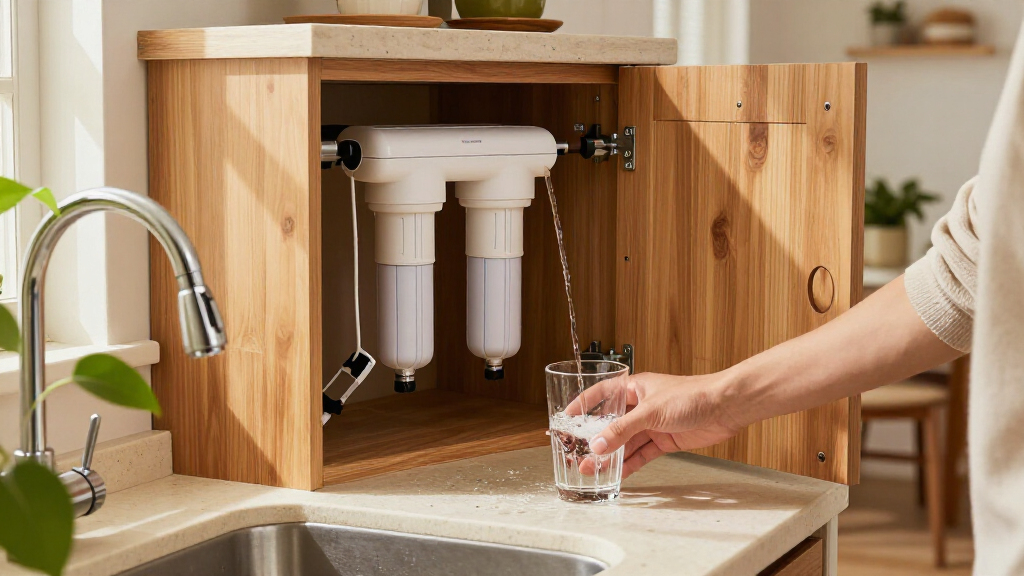
I ranked these twelve systems on five factors that actually change the ownership experience. Remineralization quality came first — every pick had to add minerals back after RO filtration, not just claim alkaline benefits. Flow rate and delivery separated the lineup into tankless high-flow contenders (500–700 GPD) and classic tank designs (75–200 GPD), which suit very different households. Ongoing cost mattered as much as the purchase price, since filter replacements over five years can exceed the system’s cost. I also weighed installation complexity, including faucet drilling, drain saddle hookup, and under-sink space requirements, plus certification and build quality from established brands with traceable filter specifications.
The ranking logic is straightforward: the Waterdrop G5P700A leads because it balances flow, mineral output, and smart filter life with the fewest compromises. The iSpring RO500AK and Frizzlife PD600 follow as strong tankless alternatives at different price points, while the APEC and classic iSpring tank systems fill the value and durability niches. Variants like the RCC7P-AK and RCC7AK-UV rank lower overall not because they’re worse systems, but because their specialized upgrades only pay off for buyers with specific plumbing or water-quality situations.
| under sink reverse osmosis system with remineralization | Certification |
|---|---|
| iSpring RCC7AK-BLK Alkaline 6- | NSF/ANSI 58 |
| iSpring RO500AK Alkaline Rever | NSF/ANSI 58 |
| iSpring RCC7AK-UV 7-Stage Reve | NSF/ANSI 58 & 372 |
| Frizzlife PD600 Tankless Rever | — |
| iSpring RCC7P-AK 6-Stage Rever | — |
| APEC Water ROES-PH75 6-Stage U | WQA certified |
| Waterdrop T3-T Remineralizatio | SGS tested to NSF/ANSI 58; NSF/ANSI 372 lead-free |
| APEC Water ROES-PH75X 6-Stage | — |
| Waterdrop G5P700A Alkaline Min | — |
| iSpring RCC7AK-BN 6-Stage Alka | NSF/ANSI 58 (full system) |
| iSpring RCC2AK 200 GPD 6-Stage | — |
| Waterdrop T3-M Remineralizatio | — |
Factors to Consider When Choosing Under Sink Reverse Osmosis System With Remineralization
Before comparing specific models, it helps to understand the forces that shape this category — because the “best” system depends heavily on your plumbing, your water source, and how much maintenance you’re willing to accept. These are the factors I’d sort out before clicking buy.
Tank vs. Tankless: The Decision That Shapes Everything
A traditional tank system stores filtered water in a 3–4 gallon pressure tank, delivering a steady trickle whenever you open the faucet. Tankless designs like the Waterdrop and Frizzlife models here filter on demand, which means instant high flow and no stale stored water — but they demand more from your plumbing and cost more upfront. The hidden tradeoff is under-sink real estate: a tank eats a large chunk of cabinet space, while tankless units hang compactly on the cabinet wall. If your cabinet already houses a garbage disposal, measure carefully. Buyers who cook often or fill large pots will feel the tankless difference daily; casual drinkers may never notice the slower tank flow.
Understanding Remineralization Stages
RO membranes strip nearly everything from water, including the calcium and magnesium that make it taste good. Remineralization filters add these back downstream — but not all mineral stages behave identically. Alkaline filters (found across the iSpring AK-series and APEC PH75) actively raise pH, typically into the 7.5–9 range, which some buyers specifically want. Other mineral stages prioritize taste correction without pushing pH far. A common mistake is assuming more stages means better water; a 5-stage tankless system with a quality mineral cartridge can outperform a 7-stage system with a cheap one. Check what the mineral cartridge actually contains — calcite and magnesium oxide blends are the standard — and confirm replacements stay affordable.
GPD Ratings and What They Really Mean
Gallons per day sounds abstract until you translate it: a 75 GPD tank system produces roughly one gallon every 19 minutes at the membrane, but the tank buffers delivery so you rarely wait. A 600–700 GPD tankless system produces a glass of water in under ten seconds. Where GPD genuinely matters is recovery — refilling the tank after heavy use, or sustaining flow for multiple users in sequence. Low-GPD systems also have a higher wastewater-to-pure ratio on many older designs (as poor as 4:1), while modern tankless units achieve 2:1 or better. If water conservation or a septic system is part of your situation, the efficiency ratio deserves as much attention as the flow number.
Installation Reality Check
Every under-sink RO system requires a dedicated faucet hole, a drain connection for wastewater, and a cold-water supply tap — no model in this category avoids that. The differences come in plumbing adaptability and instructions. Tankless systems with quick-connect fittings and color-coded tubing (Waterdrop and Frizzlife do this well) cut a DIY install to about an hour. Tank systems involve more fittings but tolerate sloppy water pressure better. If your sink lacks a spare hole, you’ll need to drill granite or stainless — factor that into the budget, or hire a professional. Buyers with disposals, dishwashers, and tight cabinets should sketch their under-sink layout before choosing between a tank and a wall-mounted tankless unit.
The Five-Year Cost Trap
The sticker price is only half the story. Proprietary tankless cartridges, especially all-in-one designs, can cost substantially more per year than standard-size iSpring or APEC replacements, and often can’t be substituted with third-party filters. Over five years, filter costs can swing the total ownership price by hundreds of dollars between otherwise similar systems. Ask three questions before buying: how often does each stage need replacing, what does a full replacement set cost, and are the filters proprietary? Budget-focused buyers frequently find that a classic tank system’s cheap annual refills beat a tankless system’s convenience over time. Premium buyers who value zero maintenance friction will happily pay the difference.
When Booster Pumps and UV Stages Are Worth It
Two upgrades appear in this lineup and get oversold constantly. A booster pump (as in the iSpring RCC7P-AK) solves one specific problem: inlet water pressure below roughly 40 PSI, common in older homes, upper-floor apartments, and some well setups. If your municipal pressure is fine, the pump adds cost, noise, and an electrical dependency for zero benefit. A UV stage (the RCC7AK-UV) addresses microorganisms like bacteria and viruses — a real concern for untreated well water but largely redundant for chlorinated municipal supply. The honest move is testing your water pressure and source before paying for either feature.
Frequently Asked Questions
Do remineralization filters actually make RO water healthier, or just better tasting?
Honestly, it’s mostly taste and mild pH adjustment. RO membranes remove 90–99% of dissolved solids, and the remineralization stage adds back a small amount of calcium and magnesium — enough to improve flavor and typically raise pH to somewhere between 7.5 and 9, depending on the system. The mineral contribution is modest compared to what you get from food, so I wouldn’t buy one for nutritional reasons alone. Where the stage genuinely earns its place is drinkability: straight RO water tastes flat and slightly acidic to many people, and mineral-restored water keeps households actually using the system instead of buying bottled water. If you specifically want alkaline output, check the manufacturer’s stated pH range, because they vary meaningfully between iSpring, APEC, and Waterdrop approaches.
Are tankless RO systems worth the extra cost over traditional tank models?
It depends on how you use water and what your cabinet looks like. Tankless systems like the Waterdrop G5P700A or iSpring RO500AK deliver instant high flow, take up far less space, and hold no stored water that can go stale — real advantages for families and frequent cooks. The tradeoff is cost in two forms: a higher purchase price and usually pricier proprietary replacement filters. A classic tank system such as the iSpring RCC7AK-BN or APEC ROES-PH75 delivers slower flow from storage but does it with inexpensive standard-size filters and simpler, more forgiving hardware. My rule of thumb: pay the tankless premium if you fill pitchers, pots, or multiple glasses back-to-back daily; stick with a tank if you’re a casual drinker or want the lowest long-term running cost.
How often do I need to replace the remineralization filter, and what happens if I don’t?
Most alkaline mineral cartridges in this category last roughly 6 to 12 months, shorter than the RO membrane (2–3 years) and longer than sediment or carbon pre-filters (6–12 months on tank systems, up to 2 years on some tankless designs). When a remineralization filter exhausts, water doesn’t become unsafe — it simply reverts to flat, acidic-tasting pure RO water, which is how most people notice. Running it long past replacement won’t damage the system, but you lose the entire reason you bought an AK or PH variant over a standard model. Because mineral cartridges are usually among the cheaper stages to replace, this is the one filter I’d replace on schedule without hesitation. Set a calendar reminder when you install the system; it’s the most commonly neglected maintenance item.
Will an under sink RO system with remineralization work with low water pressure?
Standard RO systems need incoming pressure of at least 40–45 PSI to push water through the membrane efficiently; below that, production drops sharply and the wastewater ratio worsens. This is exactly why the iSpring RCC7P-AK exists — its built-in booster pump compensates for weak supply, common in older homes, high-floor apartments, and some well systems. Tankless systems are generally more pressure-sensitive than tank models, so a marginal supply hurts them more. Before choosing, test your pressure with a cheap gauge on a faucet spigot (many hardware stores lend them). If you’re borderline, either pick the booster-pump variant or plan to add a separate pump, and remember the pump adds an electrical outlet requirement under the sink.
Does a remineralization system remove the beneficial minerals as fast as it adds them back — is the extra stage pointless?
The mineral filter sits downstream of the RO membrane, so the sequence is strip-then-add — nothing gets removed twice. The stage isn’t pointless, but it’s also not restoring water to its pre-filtered state; the mineral content coming out is far lower than what the membrane removed. What the stage does reliably is correct taste and raise pH, which is why brands like APEC market theirs as a “pH+” filter. The one genuine caveat is cartridge order during installation: if you accidentally place the mineral filter before the membrane, you’ll waste it immediately. Some buyers who don’t care about taste or pH do skip the mineral stage entirely and save the replacement cost, and that’s a legitimate choice — but if alkaline water is the reason you’re shopping this category, the stage is the whole point.
Conclusion
For most buyers, the Waterdrop G5P700A is the best overall pick — its 700 GPD tankless flow, integrated alkaline mineral stage, and efficient 2:1 pure-to-drain ratio cover everything a modern household needs. The iSpring RO500AK takes the best value spot among tankless systems, while the iSpring RCC7AK-BN wins best value overall for buyers who accept slower flow in exchange for cheap, standard-size replacement filters and proven reliability. On the premium end, the Waterdrop T3-M and the specialized iSpring RCC7AK-UV justify their price for buyers who want either higher-end mineral output or UV protection for well water. Beginners should start with the APEC ROES-PH75, whose straightforward installation, excellent documentation, and forgiving tank design make it the easiest path into remineralized RO water. And for specific needs: low water pressure points to the RCC7P-AK with its booster pump, tight cabinets favor the Frizzlife PD600 or Waterdrop T3-T, and high-volume households should look at the iSpring RCC2AK at 200 GPD. Match the system to your plumbing and habits rather than the spec sheet, and any of these twelve will deliver clean, mineral-balanced water for years.
Halloween Picks
halloween
As an affiliate, we earn on qualifying purchases.