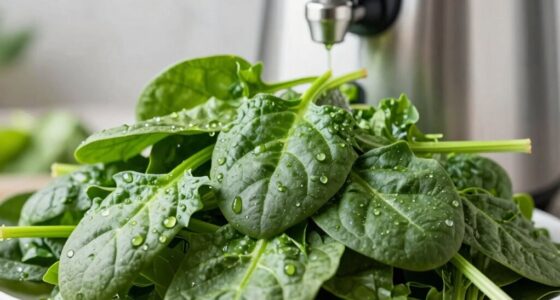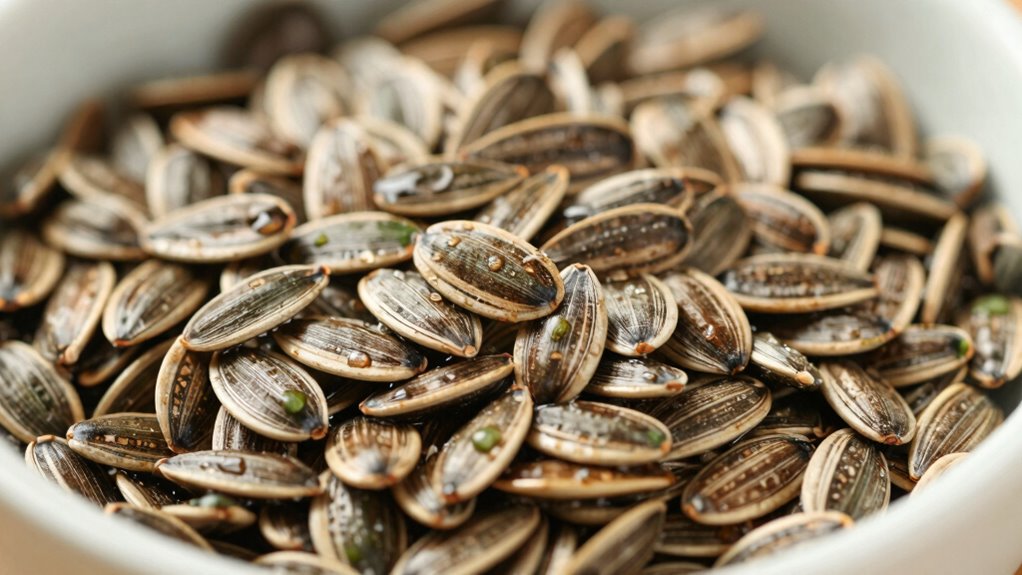

Some seeds taste bitter after soaking because they release protective chemicals like tannins and saponins into the water. These compounds help deter pests, but they can alter the flavor profile you enjoy. The soaking duration also plays a role—longer soaks might intensify bitterness while washing away nutrients. Rinsing seeds after soaking can improve taste too. If you want to find out how to optimize soaking and rinsing for better flavor, there’s more to explore.

Get health and wellness essentials delivered free with Prime
- Fast, free delivery on millions of items
- Prime Video, Amazon Music and more included
- Member-only deals all year
Key Takeaways
- Seeds contain protective chemicals like tannins and saponins, contributing to bitterness during soaking.
- Soaking duration affects bitterness extraction; longer soaks can intensify undesirable flavors.
- Different seed varieties exhibit varying bitterness levels, influencing taste after soaking.
- Rinsing seeds after soaking helps wash away bitter compounds, improving flavor.
- Chemical interactions during soaking can minimize bitterness if properly understood and managed.
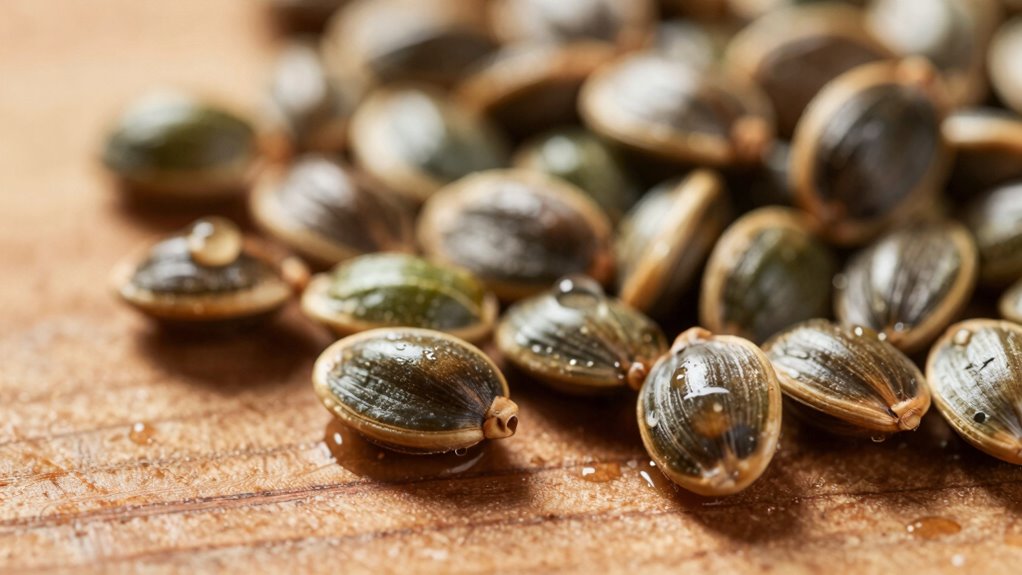
When you soak seeds, you might expect them to soften and become more palatable, but sometimes they can taste surprisingly bitter. This bitterness can be attributed to various factors, including the presence of certain flavor compounds that develop during soaking. These compounds can affect your overall experience with the seeds and may even impact their nutritional benefits.
One reason for seed bitterness lies in the natural compounds that seeds contain. Many seeds harbor protective chemicals like tannins or saponins, which serve to deter pests and prevent predation. When you soak seeds, these compounds can leach out into the soaking water, intensifying the bitter taste. If you’re not careful, you might end up with seeds that are not only unpalatable but also less enjoyable to consume.
Seed bitterness often stems from protective compounds like tannins and saponins, which can intensify during soaking.
Different soaking methods can also influence the bitter flavor you experience. For instance, if you soak seeds for too long, you may extract more of these bitter compounds. A short soak might help you retain some nutrients while minimizing bitterness. It’s essential to find a balance that works for you. Experimenting with different soaking times can help you determine what yields the best flavor and nutrient absorption. Additionally, understanding the natural chemical composition of each seed variety can guide you in adjusting your soaking practices accordingly. Recognizing how seed chemical profiles vary among different varieties can help you develop more effective soaking strategies. Moreover, being aware of how seed chemical reactions change during soaking can assist in optimizing flavor and nutrition. Being mindful of these chemical interactions during soaking can further help reduce unwanted bitterness.
Another factor to reflect on is the type of seed you’re soaking. Some seeds, like chickpeas or lentils, can have a more pronounced bitterness compared to others. If you’re particularly sensitive to these flavors, it might be worth researching the specific seeds you plan to use. Understanding their natural flavor profiles can help you make more informed choices in the kitchen.
Additionally, rinsing seeds after soaking can mitigate bitterness. By discarding the soaking water and rinsing the seeds under running water, you can wash away some of those undesirable flavor compounds. This simple step can enhance the taste and, in some cases, improve nutrient absorption, as some nutrients become more bioavailable after soaking. Recognizing how the natural compounds in seeds influence flavor can help you better tailor your soaking and rinsing practices.
As an affiliate, we earn on qualifying purchases.
Frequently Asked Questions
Can Soaking Seeds Reduce Their Bitterness Over Time?
Soaking seeds can indeed reduce their bitterness over time. As you soak them, nutrient absorption improves, allowing the seeds to release some of their bitter compounds. This process not only enhances their flavor but also makes them easier to digest. You’ll likely notice a milder taste after soaking, making your meals more enjoyable. Just remember to rinse them well before consuming to maximize those flavor enhancements!
Are Certain Seed Varieties More Prone to Bitterness?
Certain seed varieties are more prone to bitterness, like a hidden treasure that reveals its flaws. This bitterness often stems from seed genetics and specific flavor compounds. Environmental factors, such as soil quality and climate, also play a role in how these seeds develop their taste. Additionally, seed processing methods can influence the final flavor, meaning some seeds might retain that bitter edge despite your best soaking efforts.
What Methods Can Eliminate Bitterness in Soaked Seeds?
To eliminate bitterness in soaked seeds, try flavor enhancing methods like rinsing them thoroughly after soaking. You can also soak them in a mix of water and a pinch of salt or vinegar to neutralize the bitter compounds. Experiment with soaking techniques, like shorter soak times or soaking in flavored water, to find what works best for you. These approaches can help you enjoy the natural flavors without the unpleasant bitterness.
Is It Safe to Eat Bitter Seeds After Soaking?
It’s generally not safe to eat bitter seeds after soaking. The bitterness often indicates the presence of seed toxicity, which can be harmful. While some seeds offer nutritional benefits, their safety should always come first. If you notice a strong bitter taste, it’s best to avoid eating them. Consider exploring other seeds that provide the same nutrients without the risk. Always prioritize your health when experimenting with new foods!
How Can I Tell if Seeds Are Spoiled or Just Bitter?
When it comes to seeds, you can’t judge a book by its cover. To tell if seeds are spoiled or just bitter, check their freshness. Spoiled seeds might have an off smell or unusual texture, while bitter seeds will still look fine but taste sharp. Pay attention to flavor profiles—if they taste rancid or sour, they’re likely bad. Fresh seeds should have a nutty, earthy flavor, not a harsh bitterness.
Conclusion
Soaking seeds can reveal unexpected flavors, much like life’s trials uncover hidden truths. Just as a bitter experience can lead to personal growth, those bitter seeds remind us that not all journeys are sweet. Embrace the nuances; they teach us about resilience and patience. Just as a gardener learns to nurture what’s unpalatable, you too can find value in the challenges you face. In the end, it’s the flavor of perseverance that truly enriches our lives.
Cold & flu season Picks
humidifiers
As an affiliate, we earn on qualifying purchases.