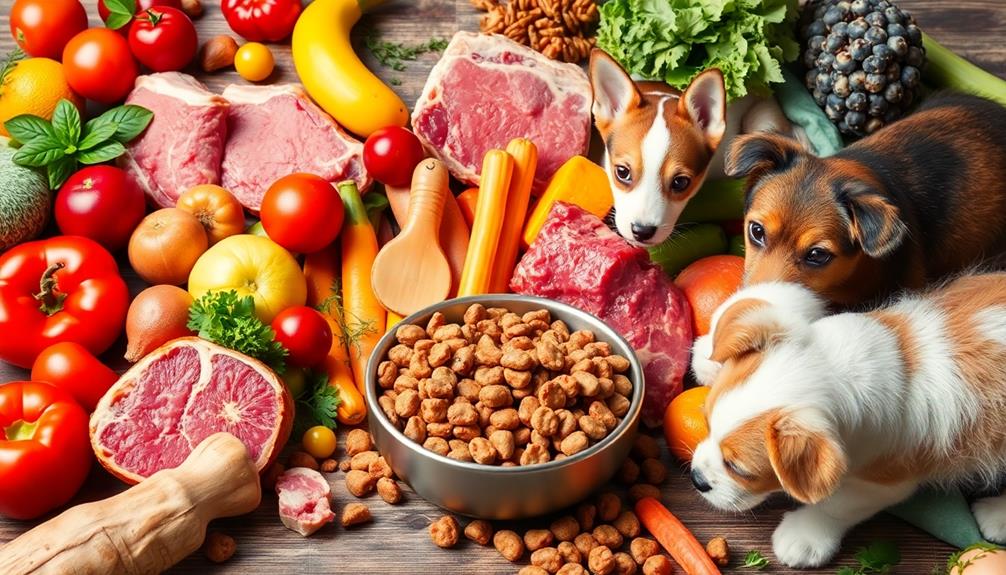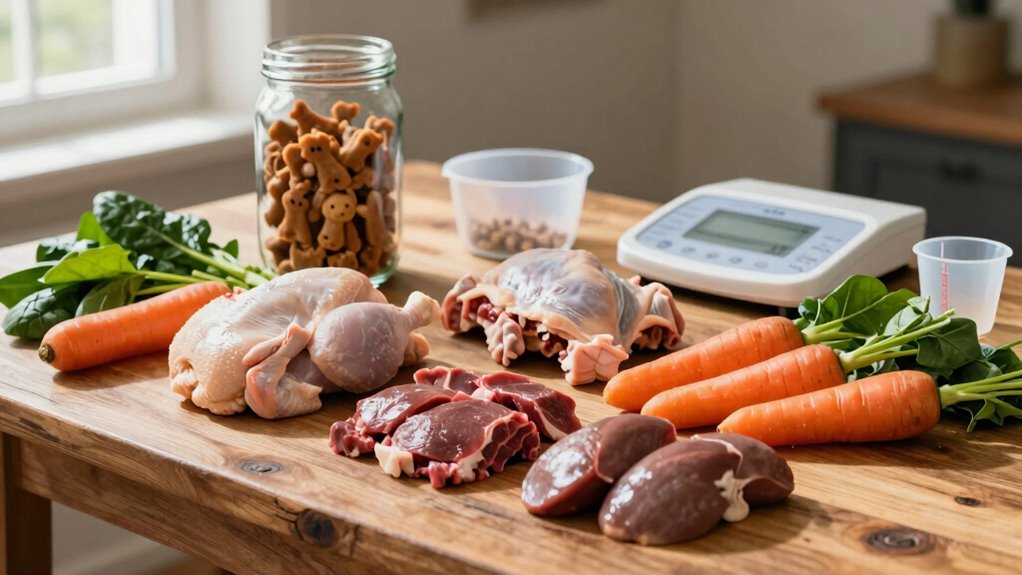

Feeding your pet a raw diet on a budget is easier than you think. Start by bulk buying ingredients to save money and reduce costs over time. Use seasonal fruits and veggies for variety and lower prices. Consider DIY recipes to control costs and experiment with flavors. Don’t hesitate to make affordable ingredient substitutions to guarantee balanced nutrition. With a few smart strategies, you can provide quality meals for your pet while sticking to your budget. There’s more helpful advice just ahead.

Get health and wellness essentials delivered free with Prime
- Fast, free delivery on millions of items
- Prime Video, Amazon Music and more included
- Member-only deals all year
Key Takeaways
- Buy ingredients in bulk from local suppliers to save money and support community businesses.
- Use seasonal fruits and vegetables to enhance nutrition while keeping costs low.
- Prepare homemade meals to control costs and customize recipes for your pet’s preferences.
- Substitute expensive ingredients with more affordable options that still meet dietary needs.
- Invest in storage solutions to keep bulk items fresh and reduce waste.
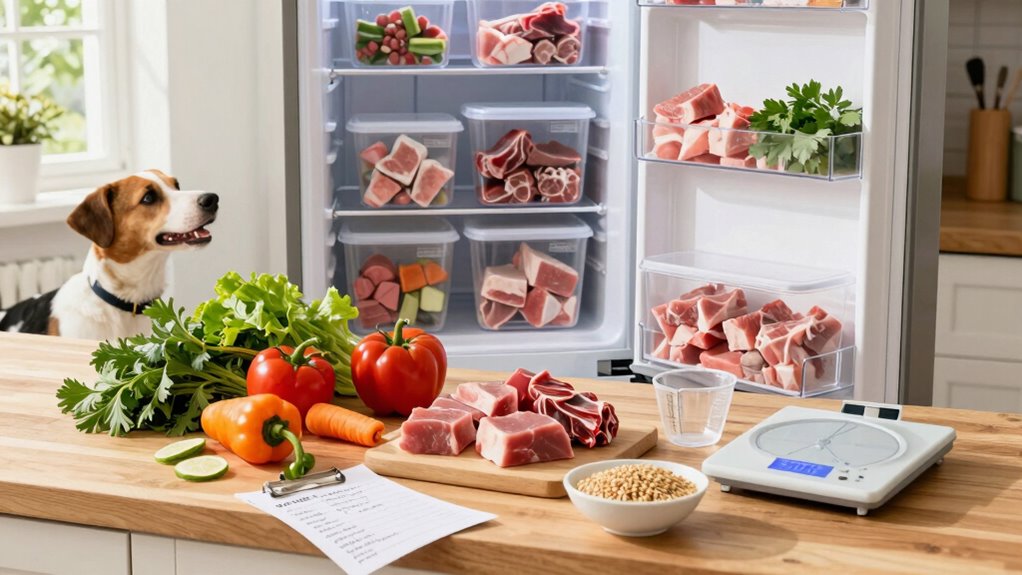
Feeding your pet a raw diet can be both rewarding and budget-friendly if you know how to navigate the costs. One of the best strategies is bulk buying. When you purchase ingredients in larger quantities, you often save money over time. This approach allows you to stock up on essentials like meats, bones, and organ meats, which are vital for your pet’s nutritional balance. Look for local suppliers or co-ops that can offer competitive prices for bulk purchases. This not only saves you cash but also supports local businesses.
Feeding your pet a raw diet can be budget-friendly through bulk buying and supporting local suppliers.
Another way to keep costs down is by using seasonal ingredients. Fruits and vegetables that are in season are typically cheaper and fresher. You can create a varied diet for your pet by incorporating these seasonal finds into your meals. For instance, if it’s summer, you might find an abundance of zucchini or berries at lower prices, perfect for mixing into your pet’s meals. This not only helps keep your budget intact but also guarantees your pet gets a range of nutrients.
DIY recipes are another fantastic way to manage costs while providing quality nutrition. Instead of buying pre-prepared raw meals, consider making your own. This allows you to control the ingredients and adjust based on what you find at the best prices. Experimenting with different recipes can help you discover new combinations that your pet loves, while also being kind to your wallet.
Don’t overlook ingredient substitutions. If a particular meat or vegetable is too pricey, look for alternatives that still offer nutritional benefits. For example, if chicken is expensive, you might find that turkey or beef is more affordable. Maintaining nutritional balance is key, so always check that any substitutions you make are still suitable for your pet’s dietary needs. Additionally, nutritional balance is crucial when making substitutions to ensure your pet remains healthy.
Storage solutions are also important for keeping costs down. Invest in good-quality storage containers to keep your ingredients fresh longer. Freezing bulk purchases can help prevent spoilage and make meal prep easier. Just be sure to label everything clearly so you can maintain a cost-effective inventory.
Additionally, exploring animal welfare organizations or local community groups can sometimes provide access to affordable or discounted raw pet food ingredients. This can be a valuable resource for maintaining a budget without compromising your pet’s nutrition.
Lastly, always perform a cost comparison when shopping. Keep track of prices at different stores and online. Being aware of where to find the best deals will help you maintain a budget while making sure your pet eats well. By adopting these strategies, you’ll find that feeding your pet a raw diet can be practical and budget-friendly.
bulk raw dog food storage containers
As an affiliate, we earn on qualifying purchases.
As an affiliate, we earn on qualifying purchases.
Frequently Asked Questions
Can I Mix Raw Food With Kibble?
Yes, you can mix raw food with kibble. This combination offers the raw food benefits of enhanced nutrition and better digestion, while still providing the kibble advantages of convenience and shelf stability. Just make sure to balance the proportions correctly to avoid digestive issues. Start with small amounts to see how your pet reacts. This way, you can enjoy the best of both worlds, keeping your pet healthy and happy.
Are There Specific Meats to Avoid for Pets?
When feeding your pet, think of it like painting a masterpiece—every brushstroke matters. You should avoid meats like pork and certain fish, as they can pose health risks. Instead, focus on safe meat sources like chicken, turkey, and lamb. If you’re looking for raw meat alternatives, consider options like eggs or certain organ meats. Balancing safety and nutrition guarantees your furry friend thrives, just like your art on canvas!
How Do I Transition My Pet to a Raw Diet?
To shift your pet to a raw diet, start slowly by mixing small amounts of raw food with their current kibble. Gradually increase the raw portion over a week or two. Monitor your pet for any digestive issues, adjusting as needed. The raw diet benefits include improved coat condition and energy levels. Always consult your vet for personalized shift tips, ensuring your pet’s health remains the top priority during this change.
Is Raw Feeding Safe for Puppies and Kittens?
Yes, raw feeding can be safe for puppies and kittens if done correctly. You might worry about nutritional balance, but with proper research and planning, you can guarantee your puppy gets essential nutrients for growth and your kitten maintains peak health. Focus on high-quality proteins and include organ meats. Consulting with a veterinarian or a pet nutritionist can help you create a balanced raw diet tailored to your pet’s needs.
What Supplements Should I Consider for a Raw Diet?
For a raw diet, consider adding supplements to guarantee nutritional balance. Essential fatty acids, like omega-3 and omega-6, are vital for your pet’s skin and coat health. You might also look into probiotics for digestive support and vitamins like A, D, and E to enhance overall wellness. Always consult your vet before starting any supplements, as they can guide you on the best options tailored to your pet’s needs.
Conclusion
Feeding your pet a raw diet on a budget doesn’t have to feel like a juggling act. With a bit of creativity and planning, you can nourish your furry friend without breaking the bank. Remember, it’s not just about what you feed them, but how you approach it. So, roll up your sleeves and plunge into the world of cost-effective raw feeding—your pet will thrive, and your wallet will thank you!
Halloween Picks
halloween
As an affiliate, we earn on qualifying purchases.