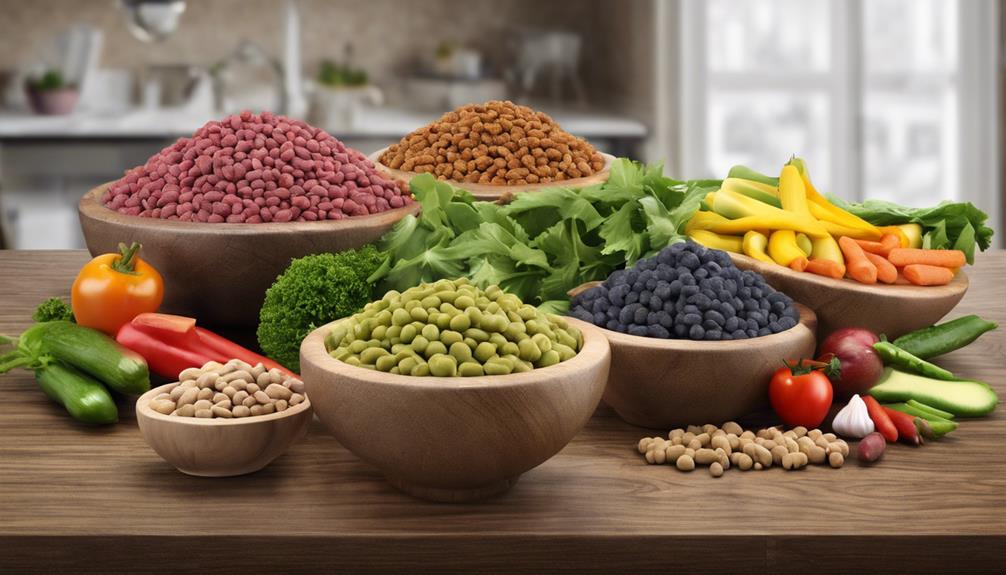

To balance carbs from fruits, roots, and greens in your raw diet, focus on combining simple sugars from fruits with complex carbs from roots and fiber-rich greens. This mix provides quick energy and sustained fuel, supporting digestion and stable blood sugar levels. Fermentation can help improve digestibility and access nutrients. Keep an eye on portion sizes and variety; discovering more ways to harmonize these carbs will help you optimize your raw food benefits.
Key Takeaways
- Balance simple sugars from fruits with complex carbs from roots and greens for sustained energy.
- Incorporate fermented foods to improve digestibility and manage carbohydrate absorption.
- Prioritize greens for fiber and minimal carbs to enhance satiety and blood sugar stability.
- Use fermentation to reduce potential digestive discomfort from high-carbohydrate raw foods.
- Understanding carbohydrate types helps maintain energy levels and prevents blood sugar spikes in a raw diet.

Are carbs on raw foods something you should worry about? Not necessarily. When you think about raw fruits, roots, and greens, carbs are often seen as the enemy, but they are actually a essential part of a balanced diet. The key lies in understanding the different carbohydrate types and how fermentation benefits can influence their digestibility and nutritional value. Carbohydrates come in simple and complex forms. Simple carbs, like those in ripe fruits, are quickly absorbed and can give you an immediate energy boost. Complex carbs, found in roots and greens, digest more slowly, providing sustained energy and helping maintain blood sugar levels. Recognizing these differences helps you make smarter choices about your raw food intake. Additionally, the influence of fermentation on carbohydrate content can also reduce the glycemic index of certain foods, making them more suitable for stable blood sugar levels.
Carbohydrates in raw foods are essential; choose wisely between simple and complex carbs for optimal energy and health.
Fermentation benefits play a significant role in managing carbohydrate content and improving overall nutrition. When you ferment raw foods — think sauerkraut, kimchi, or fermented vegetables — the process breaks down some of the complex carbs and sugars, making them easier to digest. Fermentation also produces beneficial probiotics, which can support your gut health, enhance nutrient absorption, and reduce bloating often associated with raw carbs. This process can even lower the glycemic load of certain foods, meaning they won’t spike your blood sugar as dramatically. So, if you’re concerned about carbohydrate-heavy raw foods, incorporating fermented versions can help you enjoy their benefits without the drawbacks.
Understanding carbohydrate types is essential when balancing raw foods in your diet. Fruits, for example, contain natural sugars like fructose that provide quick energy but can be problematic if consumed in excess. Roots such as carrots or beets have more complex carbs, offering longer-lasting fuel. Greens like spinach or kale contain fiber and minimal carbs, making them excellent for volume and satiety without overloading your system. By balancing these different types of carbs, you can sustain your energy levels and avoid the sugar crashes associated with consuming too many simple carbs. Plus, integrating fermented options of these foods can enhance their health benefits while reducing potential digestive discomfort. Recognizing the importance of WWE Raw’s financial impact can also give you perspective on how the entertainment industry influences perceptions of success and wealth.
Ultimately, carbs on raw foods shouldn’t be a source of anxiety. Instead, see them as tools for fueling your body efficiently. Focus on the carbohydrate types present in your raw diet and consider fermentation benefits to optimize digestion and nutrient absorption. Incorporating a variety of fruits, roots, and greens in balance allows you to enjoy the natural sugars and fibers they offer, all while supporting your overall health. With this understanding, you’re empowered to enjoy raw foods confidently, knowing you’re making choices that nourish and energize rather than cause unnecessary concern.

Codeage Fermented Digestive Enzymes Supplement 3-Month Supply – 14 Digestive Enzymes, Probiotics, Prebiotics, Fermented Botanicals, Plant-Based Multi Pancreatic Enzymes – 1 Capsule a Day – 90 Capsules
Comprehensive Enzyme Blend: Codeage Fermented Digestive Enzymes+ supplement offers 14 different digestive enzymes, including protease, amylase, glucoamylase, diastase,…
As an affiliate, we earn on qualifying purchases.
As an affiliate, we earn on qualifying purchases.
Frequently Asked Questions
How Do I Monitor My Carbohydrate Intake on a Raw Food Diet?
To monitor your carbohydrate intake on a raw food diet, focus on glycemic control by choosing low-glycemic fruits and vegetables. Use portion sizing to prevent overeating; measure servings and be mindful of high-carb foods like roots and certain fruits. Keep a food journal to track your daily carbs, helping you stay balanced and maintain energy levels. This approach guarantees you enjoy raw foods while managing your carbohydrate consumption effectively.
Can I Combine Different Types of Carbs for Optimal Health?
Yes, you can combine different types of carbs for ideal health. Embrace carbohydrate diversity by mixing fruits, roots, and greens to guarantee a broad nutrient profile. Use meal planning strategies to balance your intake, pairing easily digestible carbs with fiber-rich options. This approach helps stabilize blood sugar, boosts energy, and supports digestion. By diversifying your carbs, you create more satisfying, nutrient-dense meals that promote overall well-being.
Are There Specific Fruits or Greens to Avoid for Low-Carb Benefits?
Don’t throw the baby out with the bathwater; some fruits and greens can be higher in carbs than you’d like. Stick to lower-carb fruit options like berries, and choose green leaf choices such as spinach and arugula over starchy greens like kale or collard greens. Avoid dried fruits and sweetened greens, as they can spike your carb intake. Focus on fresh, low-sugar options to keep your carbs in check while enjoying a variety of flavors.
How Do Carbs Impact Energy Levels During a Raw Food Lifestyle?
Carbs impact your energy levels through their glycemic response, causing quick energy spikes followed by crashes. To maintain steady energy, focus on carbohydrate timing—consume high-glycemic foods earlier in the day and pair carbs with greens or fats to slow absorption. This approach helps you avoid energy dips during your raw food lifestyle, keeping you energized and alert throughout the day.
What Are the Best Raw Carbs for Athletic Performance?
For athletic performance, you should choose raw carbohydrate sources with a low to moderate glycemic index, like berries, young coconut, and leafy greens, which provide sustained energy. These foods are easy to digest and help prevent energy crashes. Incorporate a variety of raw carbs, such as raw vegetables and fruits, to fuel your workouts effectively while maintaining balanced blood sugar levels and optimizing stamina.

Dr. Atkins' New Carbohydrate Gram Counter
As an affiliate, we earn on qualifying purchases.
As an affiliate, we earn on qualifying purchases.
Conclusion
Remember, balance is key. As the saying goes, “Don’t put all your eggs in one basket.” By including a variety of fruits, roots, and greens in your raw diet, you’re creating a colorful, nutrient-rich plate that fuels your body and keeps things in harmony. Embrace moderation and diversity, and you’ll enjoy the benefits of wholesome carbs without overdoing it. Keep your diet balanced, and your health will thank you every time.

EDEN FOODS Organic Sauerkraut, 18 OZ
One 18 ounce jar of eden organic sauerkraut
As an affiliate, we earn on qualifying purchases.
As an affiliate, we earn on qualifying purchases.

KOYAH – Organic Greens Blend Powder (Equivalent to 30 Cups Fresh Greens): Freeze-Dried, Whole-Vegetable
EACH SCOOP – Equivaletnt to 1 cup of Fresh Greens. Organic, Non-GMO, Gluten-Free, Vegan, Whole-Food. Freeze-dried to retain…
As an affiliate, we earn on qualifying purchases.
As an affiliate, we earn on qualifying purchases.