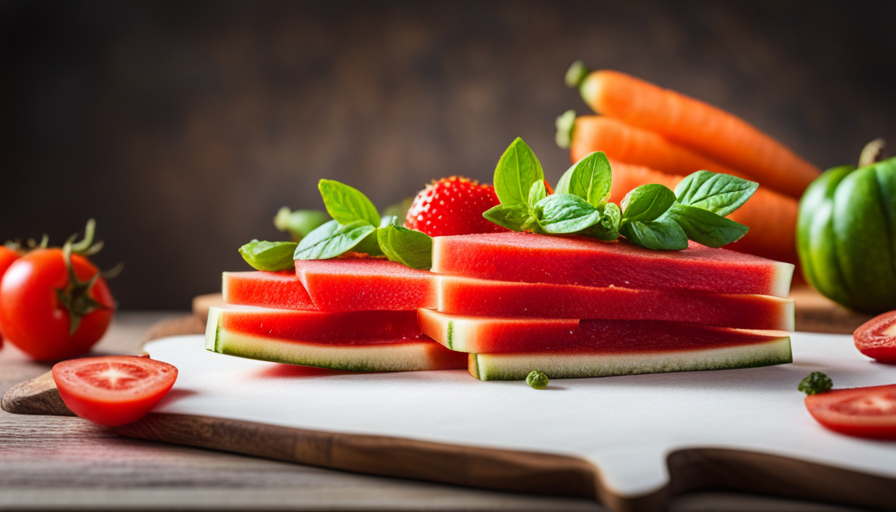
In the first two weeks of raw eating, you’ll likely feel a whirlwind of changes. Expect detox symptoms like headaches, fatigue, and digestive shifts as your body adjusts to the influx of raw foods. Staying hydrated and gentle with yourself is essential. Meal planning will help you guarantee you get enough nutrients while keeping meals exciting with a variety of fruits and veggies. Embracing this shift opens the door to positive changes, and there’s more to discover about this journey.

Get health and wellness essentials delivered free — and shop member deals
- Fast, free delivery on millions of items
- Access to Prime Big Deal Days deals on October 6–7
- Prime Video, Amazon Music and more included
Key Takeaways
- Detox Symptoms: Expect headaches, fatigue, and digestive changes as your body adjusts to the sudden influx of raw foods.
- Hydration: Staying hydrated is crucial during the initial weeks to alleviate detox symptoms and support your body.
- Meal Planning: Structured meal planning helps ensure nutritional balance and simplifies adherence to a raw food diet.
- Food Experimentation: Embrace trying new recipes and combinations, as this enhances your experience and fosters creativity in meal preparation.
- Positive Adaptations: Many report improved energy levels and cravings shifting towards natural flavors as they adapt to raw eating.
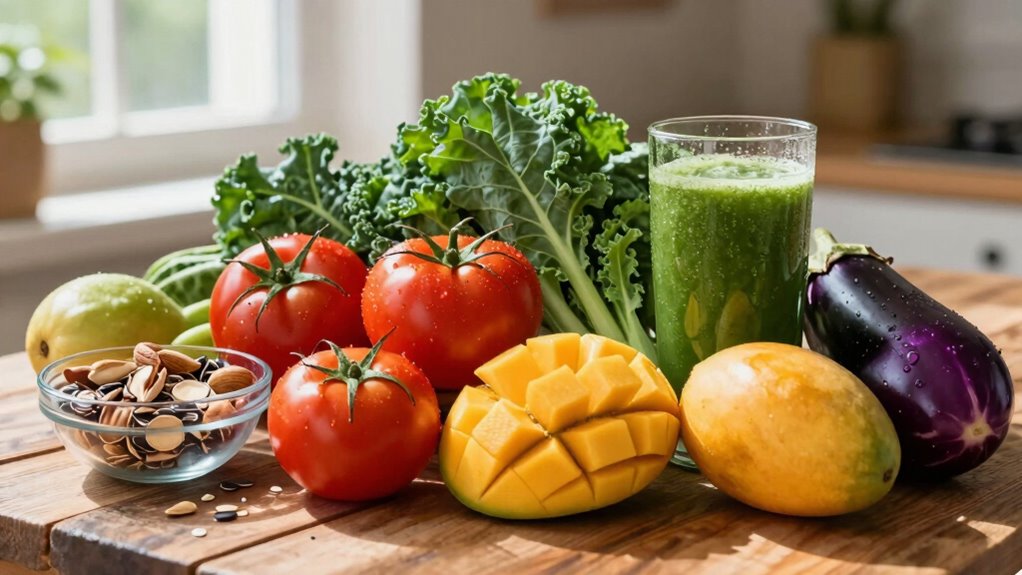
When you immerse yourself in raw eating, the first two weeks can feel like a whirlwind of change. You’re likely to experience a mix of excitement and uncertainty as you shift to a diet centered around uncooked fruits, vegetables, nuts, and seeds. While this change can be invigorating, you might also encounter some detox symptoms that could catch you off guard. Understanding what to expect can help you navigate this journey more smoothly.
During the initial phase, your body might react to the sudden influx of raw foods. You could experience symptoms like headaches, fatigue, or digestive changes as your system adjusts to the new diet. These detox symptoms are normal and often indicate that your body is clearing out toxins. It’s vital to stay hydrated and listen to your body. If you feel overwhelmed, don’t hesitate to give yourself some grace; it’s a significant lifestyle change. Incorporating plant-based nutrition principles can support your healing process during this transition.
Your body may react to raw foods with headaches and fatigue; stay hydrated and be gentle with yourself during this adjustment.
Meal planning becomes essential in these first two weeks. With all the vibrant options available, you might feel inspired, but it can also be intimidating. Creating a structured meal plan will not only help you stay on track but also guarantee you get the nutrients you need. Consider spending some time each week mapping out your meals. Choose a variety of fruits and vegetables to keep things interesting and nutritionally balanced. You could prepare salads, smoothies, and snacks in advance, making it easier to stick to your raw eating goals. Additionally, exploring nutritional diversity can help ensure your diet remains balanced and enjoyable. Embracing whole foods can also aid your body’s detox process and boost your energy levels. Incorporating mindful eating practices can further enhance your digestion and overall well-being during this transition. As you learn more about raw food preparation, you’ll discover how to create delicious and satisfying meals that fit your new lifestyle.
Keep in mind that some foods might have a learning curve. You may need to experiment with different combinations to find what you enjoy. Don’t shy away from trying new recipes or exploring local farmers’ markets for fresh ingredients. Engaging with the community can also provide motivation and support during this shift.
As the days progress, you’ll likely find your energy levels improving. Many people report feeling more vibrant and alert as their bodies adapt to raw eating. You might notice a shift in your cravings, leaning more towards natural flavors rather than processed foods. Embrace these changes with an open mind; they’re part of your growth.
raw food diet meal prep containers
As an affiliate, we earn on qualifying purchases.
As an affiliate, we earn on qualifying purchases.
Frequently Asked Questions
Can I Eat Raw Animal Products While Raw Eating?
Yes, you can eat raw animal products while raw eating, but you need to be cautious. Consider raw dairy options like milk or cheese, ensuring they’re sourced from reputable farms to reduce health risks. When it comes to seafood, always prioritize safety; choose fresh, high-quality options and be aware of any local advisories. Listening to your body and researching specific products can help you enjoy a safe, nutritious raw diet.
How Do I Handle Cravings for Cooked Foods?
Cravings for cooked foods can feel like a storm raging inside you. To tackle them, focus on craving management by exploring snack alternatives that satisfy your hunger. Fresh fruits, raw nuts, and veggie sticks can be your go-to options, keeping you nourished and engaged. When cravings strike, remind yourself why you chose this path, and let those vibrant flavors guide you. Soon enough, those cravings will ebb like the tide.
Is It Safe to Eat Raw Grains and Legumes?
It’s not safe to eat raw grains and legumes without proper preparation. They can contain harmful substances that may lead to digestive issues or other health risks. To make them safe, use soaking techniques to reduce toxins and enhance digestibility. Soaking also boosts their nutritional benefits, making them easier for your body to absorb. By preparing them correctly, you can enjoy the advantages of these raw foods without compromising your health.
What Kitchen Tools Are Essential for Raw Eating?
To plunge into raw eating, you’ll need a few essential kitchen tools. A high-quality blender offers amazing benefits, helping you whip up smoothies and nut milks with ease. While you might think food storage is just about containers, investing in airtight ones keeps your fresh produce crisp and your nuts from going stale. Combine these tools, and you’ve got a solid foundation for delicious, vibrant meals that fuel your raw journey.
How Can I Ensure I’m Getting Enough Protein?
To guarantee you’re getting enough protein, focus on diverse protein sources like nuts, seeds, legumes, and leafy greens. Incorporate protein shakes made from plant proteins to boost your intake. Meal planning‘s key—balance your meals with these ingredients for ideal nutrient absorption. Try combining different sources to enhance your protein balance. Don’t forget to adjust portion sizes based on your activity level and personal needs for the best results.
Conclusion
In the first two weeks of raw eating, you’ll likely feel energized, experience cravings, and discover new flavors. You’ll embrace fresh fruits, savor vibrant vegetables, and relish the crunch of nuts and seeds. As your body detoxifies, you might feel lighter, clearer, and more alive. While challenges may arise, your determination to thrive will guide you. By staying committed to this journey, you’ll reveal not just a healthier lifestyle, but also a deeper connection to the food you eat.
Fall Picks
fall essentials
As an affiliate, we earn on qualifying purchases.