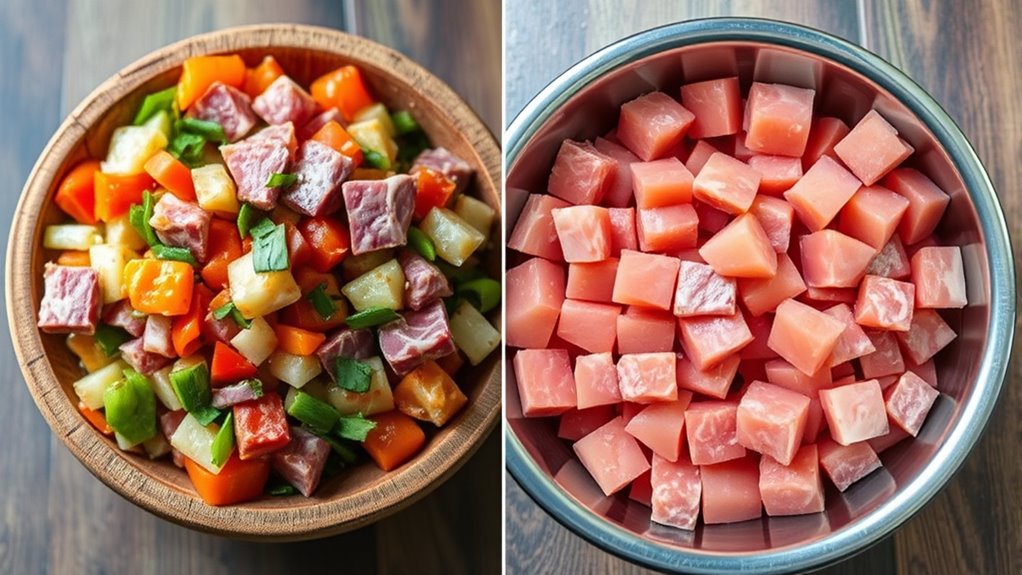

Choosing between homemade and commercial raw diets depends on your lifestyle and preferences. Homemade options let you control ingredients, tailor diets for allergies, and guarantee quality, but they require effort, research, and sourcing fresh supplies. Commercial raw diets are convenient and formulated by experts, saving time and reducing prep. Both options demand vigilance to maintain nutrition and safety. If you want to explore how to balance convenience with control, there’s more to contemplate below.
Key Takeaways
- Homemade raw diets offer complete ingredient control and customization for specific health needs.
- Commercial raw diets provide convenience with pre-formulated, nutritionally balanced meals saving time.
- Homemade options require sourcing high-quality ingredients and involve more effort and research.
- Commercial products vary in quality; careful brand selection ensures ingredient transparency and safety.
- The choice depends on lifestyle, time commitment, and confidence in managing a balanced, safe diet.
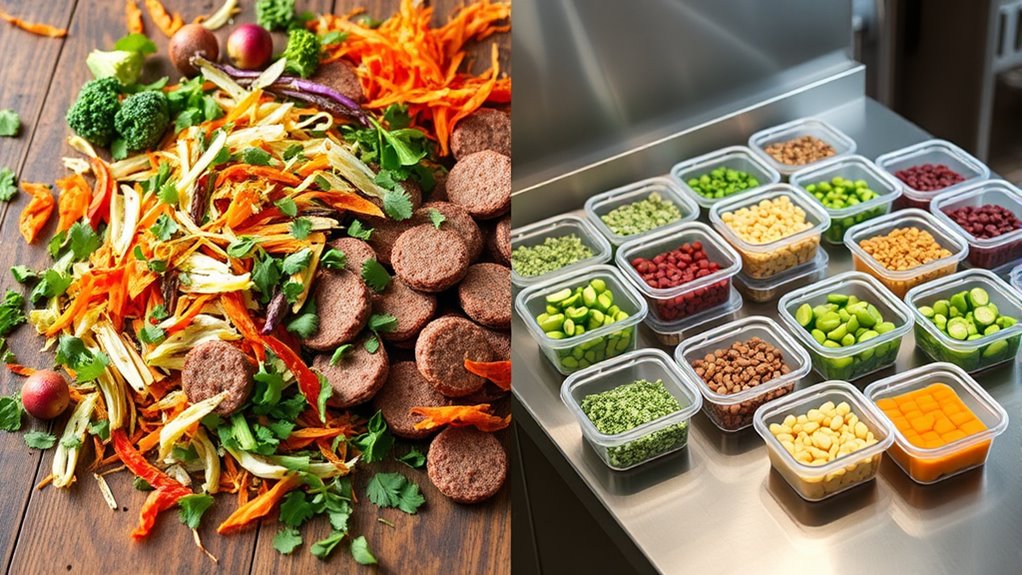
Choosing between homemade and commercial raw diets for your pet can be challenging, as each option offers distinct advantages and potential drawbacks. When you prepare homemade raw meals, you gain complete control over meal customization, allowing you to select ingredients that suit your pet’s specific needs and preferences. You can tailor the diet to address allergies, sensitivities, or health conditions by choosing particular proteins, vegetables, and supplements. This level of control ensures that your pet receives exactly what you want, without unnecessary fillers or artificial additives. However, ingredient sourcing becomes a critical factor. You need to invest time and effort into finding high-quality, fresh ingredients from trusted sources. Proper sourcing is essential to avoid contaminants, ensure nutritional completeness, and maintain food safety standards. If you’re meticulous about ingredient sourcing, homemade raw diets can be a highly nutritious and personalized option, but they demand a significant commitment to research and preparation.
On the other hand, commercial raw diets offer convenience and consistency. These products are usually formulated by veterinary nutritionists to meet specific nutritional standards, simplifying the feeding process. With commercial options, you don’t have to worry about sourcing individual ingredients or balancing nutrients manually, which can be complex and time-consuming. Instead, you can rely on pre-packaged, ready-to-serve meals that are designed to be nutritionally complete. This convenience can be especially appealing if you lead a busy lifestyle or lack the expertise to develop a balanced homemade diet. However, it’s important to scrutinize ingredient lists and sourcing practices because not all commercial raw diets are created equal. Some may contain fillers, preservatives, or lower-quality ingredients, which could affect your pet’s health over time. Recognizing cheating strategies in commercial products can help you make better choices.
Both options have their pros and cons. Homemade diets give you the benefit of meal customization and tailored ingredient sourcing, but they require more effort, knowledge, and diligence to ensure nutritional adequacy and safety. Commercial raw diets provide ease of use and consistent quality control, but you need to be vigilant about selecting reputable brands that prioritize quality ingredients and transparent sourcing practices. Ultimately, your choice depends on your lifestyle, your willingness to invest time, and your confidence in managing your pet’s nutritional needs. Whichever route you choose, staying informed and attentive ensures your pet receives a balanced, healthy diet that supports their well-being.

Nature's Diet Simply Raw Freeze-Dried Whole Food Meal – Makes 18 Lbs Fresh Food with Muscle, Organ, Bone Broth, Whole Egg, Superfoods, Fish Oil Omega 3, 6, 9, Probiotics & Prebiotics (Beef)
Raw Food Made Easy : Simply Raw combines the safety, easy prep and shelf stable convenience of kibble…
As an affiliate, we earn on qualifying purchases.
As an affiliate, we earn on qualifying purchases.
Frequently Asked Questions
How Do Homemade Raw Diets Compare to Commercial Options Nutritionally?
Homemade raw diets can offer better nutritional balance if you carefully select high-quality ingredients and monitor nutrient levels. You have control over ingredient quality, guaranteeing fresh, wholesome components. However, it’s easy to miss key nutrients or create imbalances without proper knowledge. Commercial options often have balanced formulations and added vitamins, making them convenient and reliable, but they may use lower-quality ingredients or fillers. Your choice depends on your ability to ensure nutritional completeness.
What Are Common Safety Concerns With Homemade Raw Pet Food?
You should be aware that homemade raw pet food poses safety concerns like cross contamination risks and pathogen control issues. Handling raw meat increases the chance of bacteria spreading to surfaces, tools, or your pet. To minimize risks, always practice proper hygiene, sanitize all equipment thoroughly, and store ingredients correctly. Regularly monitor your pet for signs of illness, and consider consulting a veterinarian to ensure your homemade diet remains safe and balanced.
Can Homemade Raw Diets Be Cost-Effective Long-Term?
Imagine a garden where you plant your own vegetables—your efforts yield fresh, cost savings over store-bought produce. Homemade raw diets can be cost-effective long-term because you control ingredient flexibility, buying in bulk and choosing affordable options. While initial costs and time investment are considerations, with proper planning, you can save money and tailor meals to your pet’s needs, making your homemade diet both economical and personalized.
How Do Storage Requirements Differ Between Homemade and Commercial Raw?
You’ll find that storage requirements differ quite a bit between homemade and commercial raw diets. With homemade raw, you need sturdy storage containers that can be sealed tightly and stored in the fridge or freezer, requiring careful refrigeration needs to prevent spoilage. Commercial raw diets often come in pre-packaged, vacuum-sealed portions, making storage easier and more convenient, with consistent refrigeration needs and less risk of contamination.
Are There Specific Breeds That Benefit More From Homemade Raw Diets?
Ever wonder if your pet’s breed influences their diet needs? Certain breeds benefit more from homemade raw diets because of breed-specific nutrition and sensitivities. For example, smaller or brachycephalic breeds may require tailored textures and ingredients, while large breeds might need extra joint support. By customizing their raw meals, you help address breed sensitivities and optimize health, ensuring your furry friend thrives on a diet suited just for them.

Raw Paws Signature Blend Pet Food for Dog & Cats – Chicken Recipe, 1-lb Rolls (20 Pack) – Fresh Made in USA, Natural Raw Diet Dog Food, Raw Frozen Dog & Cat Food – Meat Roll Dog Food Log
HEALTHY FROZEN CHICKEN PET FOOD: Raw Paws chicken dog food roll offers a highly nutritious raw diet for…
As an affiliate, we earn on qualifying purchases.
As an affiliate, we earn on qualifying purchases.
Conclusion
Choosing between homemade and commercial raw foods is like picking between a handcrafted sculpture and a ready-made masterpiece. Both have their charm, offering fresh, nutritious options tailored to your needs. Homemade lets you be the artist, customizing every detail, while commercial provides convenience and consistency. Whichever path you take, remember that your choice shapes a healthier, happier life for your furry friend. So, embrace the journey, and trust your instincts—your pet’s well-being is the true masterpiece.

Native Pet The Daily Dog Vitamins & Supplements – 11-in-1 Multivitamin Powder for Dogs – Supports Whole Body Health, Digestion, Mobility & Immunity with Collagen, Glucosamine & Probiotics – 60 Scoops
11-IN-1 DOG SUPPLEMENT FOR WHOLE BODY SUPPORT – This all in one dog supplement isA daily dog vitamins…
As an affiliate, we earn on qualifying purchases.
As an affiliate, we earn on qualifying purchases.
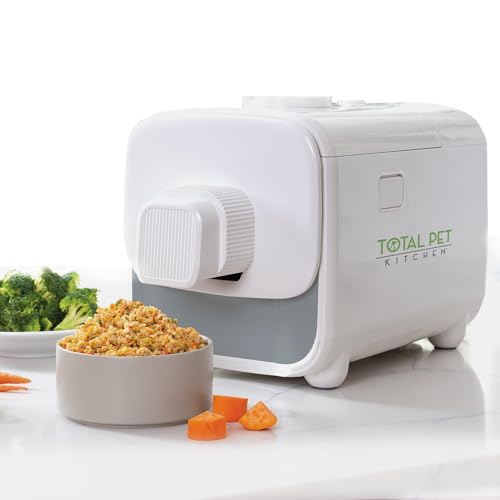
Total Pet Kitchen Pet Food Maker – All-in-One Pet Food Multicooker | Cooks, Mixes, and Dispenses Fresh Human-Grade Ingredients in About an Hour | 4.5 Quart Capacity
4 Cooking Programs: Pre-set cooking modes for Beef, Poultry, Fish, and Grain-Free/Dry rice cooker operation, making it easy…
As an affiliate, we earn on qualifying purchases.
As an affiliate, we earn on qualifying purchases.