
To stay legally compliant, you need to understand copyright rules, licensing, and fair use. Use only original or licensed content, and always give proper attribution when sharing others’ work. Avoid unauthorized images; opt for Creative Commons or stock photos with clear licenses. Be cautious with quoting, linking, or embedding media—know when fair use applies. Keep these basics in mind to protect yourself from legal trouble and create content confidently; there’s more to explore that can help you stay on the right side of the law.
Key Takeaways
- Understand that original content is protected by copyright, requiring permission for reuse.
- Use Fair Use carefully, considering purpose, amount, and market impact to avoid infringement.
- Obtain explicit licenses or permissions before using copyrighted images, music, or videos.
- Follow licensing terms and provide proper attribution when sharing content under Creative Commons.
- Share content legally by quoting, linking, or embedding with proper credit and awareness of rights.
If you’re blogging regularly, understanding the legal basics is essential to protect yourself and your content. One of the most important aspects is knowing how copyright works and how to use others’ work legally. Copyright automatically applies when you create original content, whether it’s text, images, videos, or music. To avoid legal trouble, you need to understand what you can and can’t use without permission. Fair Use is a common exception that allows limited use of copyrighted material for purposes like commentary, criticism, news reporting, or education. However, Fair Use isn’t a free pass—it’s a complex doctrine that depends on factors like the purpose of use, the nature of the original work, the amount used, and the effect on the market value. You need to evaluate each situation carefully before relying on Fair Use to prevent infringing on someone’s rights. Recognizing copyright infringement early can help you avoid costly legal issues down the line.
In many cases, the safest route is obtaining licensing agreements or permissions from the copyright holder. Licensing agreements explicitly grant you rights to use specific content, whether through purchasing a license or obtaining written permission. This way, you can use images, music, or other copyrighted materials legally, avoiding potential lawsuits or takedown notices. When using licensed content, always keep records of your agreements and ensure you follow the terms set by the license.
When it comes to images, many bloggers assume they can freely use pictures found online, but that’s risky unless the images are explicitly labeled for reuse or fall under a Creative Commons license. Even then, you must adhere to the license’s terms, like giving proper attribution or not using the image commercially if restricted. If you want to avoid any legal ambiguity, consider creating your own images or purchasing stock photos from reputable sources that offer clear licensing options.
In addition to copyright considerations, always be aware of intellectual property rights and permissions when sharing content. If you’re quoting someone’s work, linking to original sources, or embedding media, it’s good practice to credit the creator and ensure your use complies with copyright law. This not only shields you legally but also shows respect for the original creators’ rights. Staying informed about Fair Use and licensing agreements helps you maintain legal integrity and build a trustworthy blog. In the end, understanding these basics empowers you to create confidently, knowing you’re respecting others’ rights and avoiding unnecessary legal pitfalls.
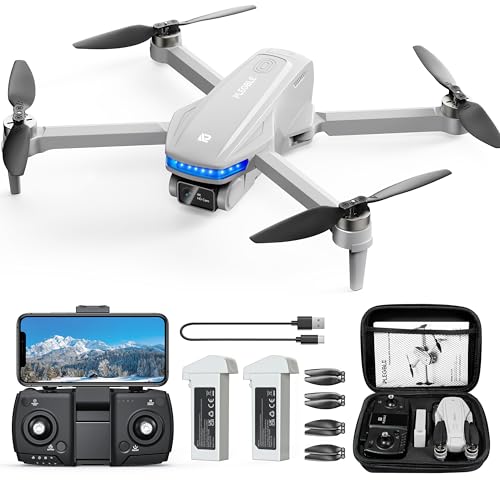
PLEGBLE GPS Drones with Camera for Adults 4K, Brushless Motor FPV Drone with Auto Return, Follow Me,Tap Fly & Circle Fly, Under 249g, 46 Mins Flight, Foldable Drone for Adults Beginners
Smart GPS Functions: The professional drone is equipped with an advanced GPS module for safer, more reliable flights....
As an affiliate, we earn on qualifying purchases.
Frequently Asked Questions
Can I Use Copyrighted Music in My Blog Videos?
You can’t use copyrighted music in your blog videos without proper music licensing, as it can lead to copyright strikes or legal issues. However, some copyright exceptions, like fair use, might apply if you use the music for commentary or educational purposes, but these are limited. To stay safe, consider using royalty-free or licensed music, ensuring you have permission to avoid infringing on copyright laws.
What Qualifies as Fair Use for Bloggers?
You qualify for fair use if your blog content transforms the original work, adds new meaning, or serves a different purpose like commentary, criticism, or education. Under the Fair Use Doctrine, using Creative Commons licensed materials can also be acceptable if you follow the license terms. Always consider factors like the amount used and potential market impact to guarantee your use aligns with fair use guidelines.
How Do I Get Permission to Use Someone’s Image?
To get permission to use someone’s image, start with image licensing by identifying the copyright holder, often the photographer or creator. Then, send a clear permission request, explaining how you plan to use the image, and ask if they grant permission. You might need to negotiate licensing terms or pay a fee. Always keep written proof of the permission to protect yourself legally.
Are Memes Protected Under Copyright Laws?
Memes are generally protected under copyright laws, but their legality depends on how you create and use them. If you make meme creation yourself, you hold the copyright, but if you use copyrighted images without permission, you risk infringement. Always consider fair use principles and be cautious with meme legality, especially when sharing or monetizing. To stay safe, give credit or seek permission when possible, and understand the boundaries of copyright law.
What Are the Consequences of Copyright Infringement?
If you infringe copyright, you face serious legal ramifications, including lawsuits, fines, and damage to your reputation. You might also encounter plagiarism penalties if you copy without permission or proper attribution. These consequences can disrupt your blogging career and lead to costly legal battles. To avoid this, always seek permission, give credit, and guarantee your content complies with copyright laws. Staying informed protects you from these risks.

Drone with EIS 4K Camera for Adults, GPS Drone with 5.0" Screen on Controller, 70 Mins Flight, Long Range Transmission, AI Track&Orbit Mode, Follow Me, Auto Return, Lightweight and Foldable RC Drones for Beginner Toy Gifts, Under 249g
【Drone with Screen on Controller】Instant FPV with 5.0” Display – No Phone Needed: Experience truly immersive flying with...
As an affiliate, we earn on qualifying purchases.
Conclusion
Understanding copyright, image rights, and permissions is essential for every blogger. Did you know that 70% of bloggers have faced legal issues due to unlicensed content? By staying informed and respecting intellectual property, you protect your site and build trust with your audience. Keep learning about legal basics, ask for permissions, and always give credit where it’s due. Staying compliant isn’t just smart—it’s crucial for your blogging success.

DJI Mini 4K, Drone with 4K UHD Camera for Adults, Under 249 g, 3-Axis Gimbal Stabilization, 10km Video Transmission, Auto Return, Wind Resistance, 1 Battery for 31-Min Max Flight Time
No Registration Needed - Under 249 g, this drone with camera for adults 4K does not require FAA...
As an affiliate, we earn on qualifying purchases.
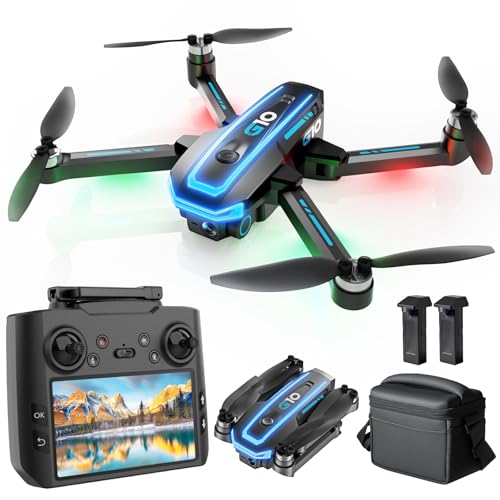
GPS Drone with 4K HD Camera for Adults,4.5 inch HD Screen on Remote Controller,FPV RC Drones with Auto Return, Follow Me and Lightweight,2 PCS Batteries for Long Flight Time,Easy Fly Quadcopter for Beginners,Under 250g
【FHD Screen on Controller】Live Video is transmitted directly to the big screen on controller for real-time viewing and...
As an affiliate, we earn on qualifying purchases.