
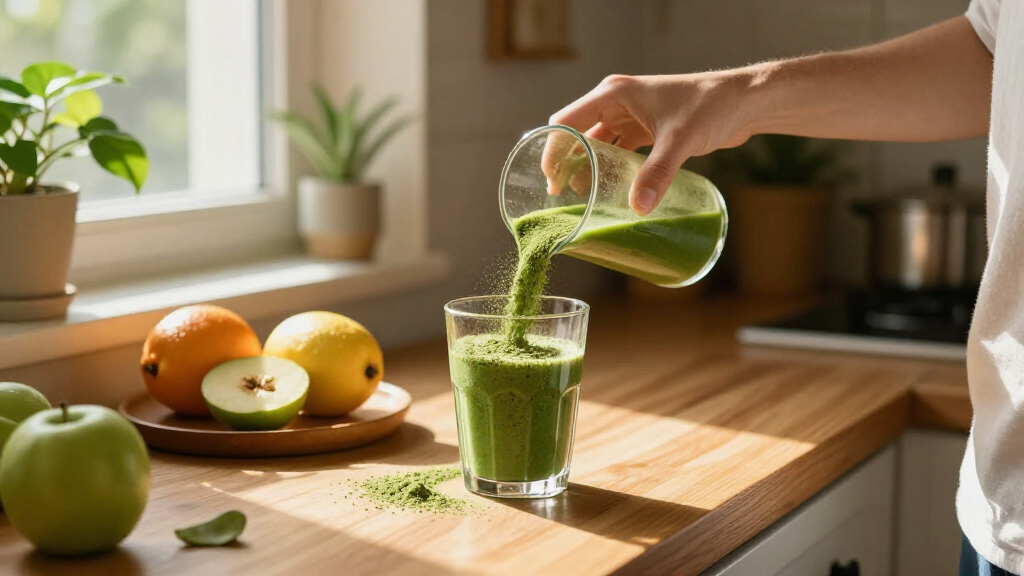

TL;DR

Get health and wellness essentials delivered free with Prime
- Fast, free delivery on millions of items
- Prime Video, Amazon Music and more included
- Member-only deals all year
Organic superfood powders are concentrated blends of plant ingredients with organic certification. They can boost nutrients but aren’t magic cures. Choose wisely by checking ingredients, certification, and testing to find quality products that truly support your health.
Imagine adding a vibrant splash of color to your morning smoothie, packed with the nutrients of greens, berries, and herbs—all in one scoop. That’s the promise of organic superfood powders. But behind the bright packaging and lofty claims, lies a landscape filled with options, hype, and genuine benefits.
Everyone wants to eat healthier, feel energized, and avoid chemicals. These powders seem like a quick fix—yet, understanding what they really offer can save you time, money, and confusion. In this article, you’ll learn what makes a superfood powder truly worth your attention, how to spot quality, and practical tips to incorporate them into your routine.
Always check ingredient amounts and lists—more isn’t always better.
Organic certification guarantees production standards but doesn’t guarantee higher nutrient content.
Verify independent testing results to ensure safety from contaminants like heavy metals.
Superfood powders support health but should complement, not replace, a balanced diet.
Market trends like targeted blends and transparency can guide your choices—do your homework.
What Are Organic Superfood Powders, Really?
At their core, organic superfood powders are concentrated blends of dried, ground-up plants, algae, herbs, or mushrooms. Think of them as a shortcut to nutrients—packed into a fine powder you add to drinks or foods. But not all powders are created equal. Some contain mostly fillers, while others are rich in the actual superfoods.
For example, a typical green powder might include spirulina, chlorella, spinach, kale, and wheatgrass. An antioxidant blend could feature acai, blueberries, and goji berries. The ‘organic’ label means these ingredients were grown without synthetic pesticides or fertilizers, following certified standards.
However, the term ‘superfood’ isn’t regulated. It’s more of a marketing buzzword than a formal category. So, don’t assume that just because a powder is labeled ‘superfood’ or ‘organic,’ it automatically packs a punch or is better than others.
Understanding what these powders contain and how they are processed is crucial. Some products may be heavily processed or contain minimal amounts of the claimed superfoods, which diminishes their potential health impact. The tradeoff often lies in balancing convenience with actual nutrient density—some powders sacrifice quality for shelf stability or cost savings. Recognizing these nuances helps you choose products that truly deliver on their promises.
As an affiliate, we earn on qualifying purchases.
How to Spot a High-Quality Organic Superfood Powder
- Read the ingredient list carefully. Look for whole, recognizable superfoods—like spinach, berries, or mushrooms—listed early. Beware of powders with long lists of fillers, artificial flavors, or added sugars. A high-quality product prioritizes pure ingredients, which directly correlates with nutrient content and effectiveness.
- Check the amount of each ingredient. A product might list multiple superfoods, but if they are present in tiny amounts—say, less than 1 gram per serving—the actual health benefit is negligible. Understanding serving sizes and ingredient ratios helps you evaluate whether the product can genuinely support your health goals.
- Verify organic certification. Certifications from USDA, EU Organic, or other reputable agencies ensure that the ingredients were grown and processed under strict standards, reducing exposure to pesticides and synthetic chemicals that could negate the benefits of organic farming.
- Look for independent testing and batch reports. These reveal whether the product has been checked for contaminants like heavy metals, microbes, or pesticide residues—especially important for powders like spirulina or chlorella, which can accumulate toxins. Independent testing adds a layer of assurance, indicating a manufacturer’s commitment to safety and quality.
- Assess the transparency of the brand. Brands that openly share sourcing details, testing results, and manufacturing processes demonstrate accountability. Transparency indicates that the company prioritizes quality control and consumer safety, helping you make informed choices.
For example, a reputable brand might publish batch test reports showing heavy metals below legal limits, giving you peace of mind that your supplement is safe to consume daily. Choosing transparent brands often means trusting their integrity and commitment to quality, which ultimately impacts your health outcomes.
The Real Benefits and Common Myths About These Powders
Many people turn to superfood powders seeking a quick health boost. While they can add valuable nutrients, they aren’t magic bullets. Research shows that ingredients like spirulina and berries provide antioxidants, vitamins, and minerals that support overall health, but the magnitude depends on the quality and quantity of the ingredients.
However, claims like ‘detox’ or ‘immune booster’ are often exaggerated. The body’s organs—liver, kidneys, gut—handle detoxification naturally, and no supplement can replace this process. Overhyping these claims can lead to unrealistic expectations and overspending on products with minimal actual benefit.
For example, if you’re tired and want more energy, a powder containing adaptogens like ashwagandha might help reduce stress-related fatigue by modulating your stress response. But it’s not a substitute for adequate sleep, hydration, and balanced nutrition—these foundational habits are essential for long-term health. Relying solely on powders without addressing lifestyle factors can lead to disappointment or neglect of core health practices.
Beware of products promising miraculous cures or disease prevention. These broad claims often lack scientific backing and can be misleading. Instead, look for evidence-backed ingredients and realistic benefits, understanding that powders are supplemental tools—not replacements for medical advice or healthy habits.
Common Trends in Organic Superfood Powders You Should Know
| Trend | What It Means | Why It Matters |
|---|---|---|
| Targeted blends | Formulas designed for specific goals like gut health, energy, or sleep. | Customization helps you choose a powder that matches your needs, but verify ingredient amounts and scientific support to ensure effectiveness. Not all blends deliver on their promises, and some may contain unnecessary ingredients. |
| Mushroom extracts and adaptogens | Ingredients like reishi, cordyceps, and ashwagandha to support stress and immunity. | These are popular for their supposed stress-relief and immune-boosting properties, but scientific evidence varies. Some claims are based on traditional use rather than rigorous studies, so approach with cautious optimism and look for products with substantiated research. |
| Transparency and clean labels | Brands sharing sourcing stories, testing reports, and clear ingredient lists. | Indicates a focus on quality and safety, reducing the risk of contaminants. Transparency allows consumers to assess whether the product truly aligns with organic and safety standards, which is critical given concerns about contamination and adulteration. |
| Organic and supply chain focus | More brands verifying organic status and traceability from farm to bottle. | Ensures ingredient integrity and supports sustainable farming practices. Knowing the supply chain helps avoid fraud and guarantees the product meets organic standards, but also consider the environmental impact and fair trade practices involved. |
While these trends reflect consumer demand for purity and personalization, always verify claims with current certification and testing info before buying. Recognizing that not all trends guarantee quality or efficacy is key to making informed, health-conscious decisions.
How to Incorporate Organic Superfood Powders Into Your Routine
- Start small. Mix half a teaspoon into your morning smoothie or yogurt. Gradually increase as you get used to the flavor and effects.
- Mix with familiar foods. Add powder to oatmeal, juice, or energy balls to mask any earthy taste.
- Use consistently. Incorporate into your daily routine for steady nutrient intake—set a reminder or keep the jar visible in your kitchen.
- Pay attention to serving size. Overdoing it won’t necessarily boost benefits and could cause stomach upset or other reactions. Balance is key—more isn’t always better.
- Store properly. Keep powders in a cool, dark place away from moisture to preserve potency and prevent spoilage. Proper storage maintains nutrient integrity and ensures safety over time.
For example, adding a teaspoon of an organic berry blend to your morning smoothie can boost antioxidants without overwhelming your palate. Consistency and moderation are essential to maximize benefits and avoid adverse effects.
Frequently Asked Questions
Are organic superfood powders better than non-organic ones?
Organic powders are produced without synthetic pesticides or fertilizers, which can reduce chemical intake and support sustainable farming. However, organic certification doesn’t guarantee higher nutrient levels or better health effects—ingredient quality and testing matter more.
Can I replace vegetables with superfood powders?
While powders can boost micronutrient intake, they shouldn’t replace whole vegetables. Whole produce provides fiber, water, and a variety of nutrients in a natural matrix. Use powders to complement, not substitute, a balanced diet.
Are superfood powders safe to take every day?
Most are safe if used as directed, but check serving sizes and ingredients—especially if you have allergies, take medications, or are pregnant. Consulting a healthcare professional helps avoid potential interactions or overdoses.
How do I know if a product is high quality?
Look for transparent ingredient lists, credible organic certification, and independent batch testing results. Brands that share sourcing and testing info openly are usually more trustworthy.
Conclusion
Organic superfood powders offer a convenient way to add nutrient density to your diet, but they’re not a shortcut around healthy habits. Picking a quality product means reading labels, checking certifications, and understanding what you’re really getting.
Next time you reach for that vibrant scoop, remember: real health comes from consistent, balanced choices—powders are just one piece of the puzzle. So, enjoy your journey towards better health, one conscious scoop at a time.
Halloween Picks
halloween
As an affiliate, we earn on qualifying purchases.