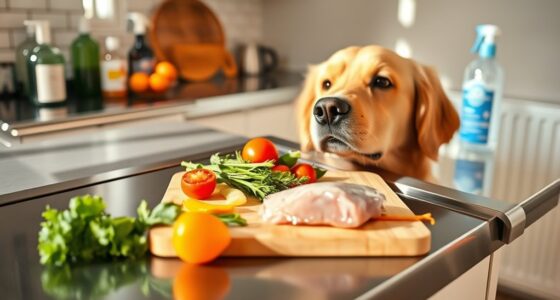
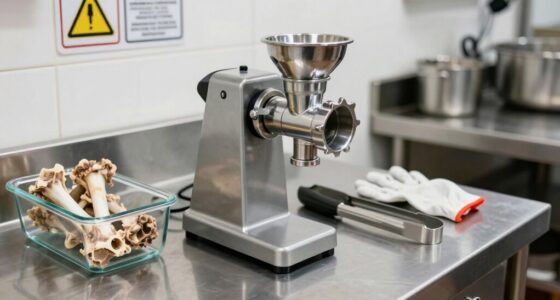
When feeding puppies and kittens raw, you need to prioritize hygiene and safety, like washing hands and cleaning surfaces thoroughly. Make certain the diet is nutritionally balanced with proper supplementation, since young pets require essential nutrients for healthy growth. Handle raw meat carefully to prevent bacteria spread, and source high-quality ingredients. Monitoring their health and consulting with a veterinarian helps ensure your young pets thrive. If you’re curious about creating a safe, balanced raw plan, there’s more to take into account.
Key Takeaways
- Ensure proper hygiene and safe handling of raw ingredients to prevent bacterial contamination for puppies and kittens.
- Balance the raw diet with essential nutrients like calcium and fatty acids, consulting a veterinarian for formulation.
- Freeze raw meat before feeding to reduce parasite risk and improve safety for young animals.
- Monitor growth and health closely, watching for signs of deficiencies or digestive issues, with regular vet checkups.
- Source high-quality, reputable ingredients to ensure nutritional adequacy and minimize contamination risks.

Are you considering feeding your puppies and kittens a raw diet? If so, it’s essential to prioritize feeding safety and ensure you’re providing a nutritional balance. Raw diets can offer many benefits, like healthier coats, better digestion, and increased energy, but they also come with risks if not managed properly. Your first step is understanding that feeding safety must be your top concern. Handling raw meat requires meticulous hygiene—wash your hands thoroughly before and after preparation, clean all utensils and surfaces, and store raw ingredients separately from cooked foods to prevent cross-contamination. Bacteria such as Salmonella and E. coli are common in raw meat and can harm your pets or even affect humans in your household. Always sourcing high-quality, fresh ingredients from reputable suppliers helps reduce this risk. Freezing raw meat before feeding can also kill certain parasites, adding an extra layer of safety. Proper hygiene practices are crucial to minimize the risk of bacterial contamination in raw feeding.
Equally important is guaranteeing your pets receive a well-rounded diet that meets their nutritional needs. Raw diets can be nutritionally complete if carefully formulated, but it’s easy to overlook vital nutrients. Puppies and kittens are still growing, so they need specific nutrients like calcium, phosphorus, and essential fatty acids in appropriate ratios. Without a proper balance, they might develop deficiencies or health issues over time. Consulting with a veterinarian or a pet nutrition expert is highly recommended to create a diet plan tailored to their age, breed, and health status. You might need to supplement with specific vitamins or minerals to achieve the right nutritional balance, but be cautious with supplementation—overdoing it can be just as harmful as deficiencies.
Monitoring your puppies and kittens closely is also crucial. Watch for signs of nutritional deficiencies, such as poor coat quality, lethargy, or digestive upset. Regular veterinary checkups can help catch any issues early and ensure your raw feeding plan remains safe and effective. Remember, a raw diet isn’t just about feeding raw meat; it’s about creating a careful balance of ingredients that provide all the nutrients they need for healthy growth and development. Preparing meals with proper hygiene, sourcing quality ingredients, and consulting professionals can help you navigate the complexities of raw feeding. With attention to feeding safety and nutritional balance, you can give your puppies and kittens the benefits of a raw diet while minimizing potential risks.

SWIFTLITE Black Vinyl Gloves, Food Grade Gloves Disposable Latex Free & Powder Free, Guantes for Cleaning Cooking Food Prep (100, Large)
Latex Free and Safe: Being latex-free, these SWIFTLITE black gloves disposable are suitable for everyone, especially for those…
As an affiliate, we earn on qualifying purchases.
As an affiliate, we earn on qualifying purchases.
Frequently Asked Questions
How Often Should Puppies and Kittens Be Fed Raw Diets?
You should feed puppies and kittens on a raw diet about three to four times daily, ensuring proper feeding frequency. Portion control is essential, so adjust servings based on their age, size, and activity level. Regularly monitor their growth and energy levels to prevent overfeeding or underfeeding. As they mature, you can gradually reduce feedings to twice a day, always prioritizing balanced nutrition and consistent feeding routines.
Are There Specific Supplements Needed for Puppies and Kittens on Raw?
Yes, you should provide essential vitamins and mineral supplements when feeding puppies and kittens raw. These young animals need additional nutrients to support growth and development, so including a balanced supplement guarantees they get all necessary elements often missing from raw diets. Consult your veterinarian to choose the right mineral supplements and vitamins, ensuring your puppies and kittens thrive healthily on their raw diet.
Can Raw Diets Prevent Common Developmental Health Issues?
In a way, raw diets act like a secret decoder ring for your pet’s health, helping prevent common developmental issues. By supporting healthy growth milestones and behavioral development, raw feeding can reduce risks like malnutrition or joint problems. You empower your puppy or kitten to thrive, ensuring their immune system and bones stay strong. It’s a proactive approach, giving your young pet a better shot at a vibrant, healthy future.
How Do Raw Diets Impact Puppies’ and Kittens’ Dental Health?
Raw diets can positively impact your puppies’ and kittens’ dental health by naturally aiding in plaque control. Chewing on raw meaty bones helps clean teeth and reduce the need for frequent dental cleanings. The mechanical action of gnawing breaks down plaque, promoting healthier gums. This natural approach supports your pet’s dental hygiene, potentially decreasing future dental problems and the need for professional cleanings.
What Are the Signs of Nutrient Deficiencies in Raw-Fed Young Pets?
You’ll notice signs of nutrient deficiencies in your raw-fed young pets through symptoms like lethargy, poor coat condition, and weight loss. Watch for vitamin deficiencies causing dull fur or muscle weakness, and mineral imbalances leading to bone issues or tremors. If you see these signs, it’s essential to review their diet, make certain proper supplementation, and consult your veterinarian to correct any imbalances and support their healthy growth.
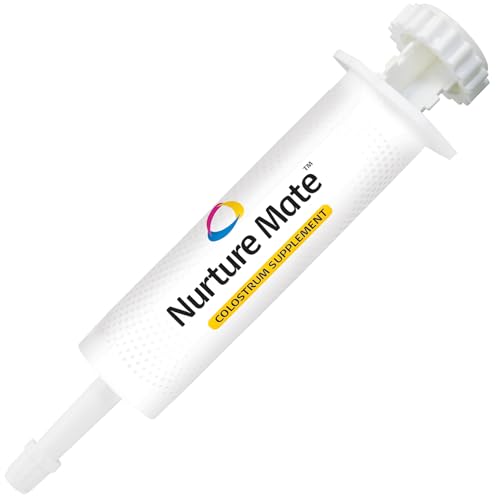
Revival Animal Health Breeder's Edge Nurture Mate – Colostrum Supplement for Puppies & Kittens, Dogs, Cats – 30 ml Paste
🐾GREAT FOR – Giving puppies, kittens, and foals a healthy and strong start in life
As an affiliate, we earn on qualifying purchases.
As an affiliate, we earn on qualifying purchases.
Conclusion
So, while you might think raw diets are a simple fix for your puppies and kittens, remember—nothing’s as straightforward as it seems. Sure, you want the best, but the risks and special needs can surprise you when you least expect it. Ironically, what’s meant to nourish can sometimes complicate. Stay informed, stay cautious, and don’t assume that raw is always the easiest or safest choice—sometimes, it’s the unexpected pitfalls that teach the biggest lessons.

AAOBOSI Meat Grinder Electric 3000W Max with Touch Color Screen, Auto-Reverse & Built-in Storage – 3 Speed Settings,Grinding, Sausage & Kibbe Making for Home Use, Stainless Steel
Smart Touch Color Screen & Auto-Reverse Function: Aobosi electric meat grinder features a smart touch color screen for…
As an affiliate, we earn on qualifying purchases.
As an affiliate, we earn on qualifying purchases.

Chub Tub – Pet Meat Roll Storage Container – Dog Food Roll Keeper, Airtight Fresh Meat Roll Container for Pets, BPA-Free 3.25" Circumference
FRESHNESS FORTRESS: Preserve dog food refrigerated rolls – ultimate nutrition protection for beef, chicken & homemade meat rolls,…
As an affiliate, we earn on qualifying purchases.
As an affiliate, we earn on qualifying purchases.