Setting up a raw meal prep assembly line in just 60 minutes is a smart way to enjoy healthy, quick-to-prepare meals. Start by gathering fresh ingredients, tools, and an organized workspace. Use an efficient assembly line approach, grouping similar items and adding ingredients in the same order. Store your prepped meals properly to keep them fresh. Keep practicing, and you’ll master this streamlined process — if you stay curious, there’s more to discover.
Key Takeaways
- Set up an organized assembly line with labeled containers, tools, and pre-measured ingredients for quick, efficient prep.
- Prioritize chopping, blending, and portioning in a systematic order to streamline the process within 60 minutes.
- Use fresh, ready-to-go ingredients and keep them accessible to reduce downtime and decision fatigue.
- Store prepared meals in airtight, labeled containers, maintaining proper temperature and freshness for easy access.
- Incorporate routine checks and adjustments to improve speed, organization, and meal variety over time.
What Is Raw Meal Prep and Why It Works

Raw meal prep involves preparing and organizing fresh, uncooked ingredients in advance to make healthy eating easier and more convenient. One of the main meal prep benefits is saving time during busy days, so you can grab a nutritious meal without extra effort. Raw food advantages include preserving natural enzymes, vitamins, and minerals that often degrade during cooking. This approach helps you maintain the maximum nutritional value of your ingredients, supporting better digestion and increased energy levels. Raw meal prep also encourages variety and creativity in your diet, making it easier to stick with healthy habits. By prepping raw ingredients ahead of time, you set yourself up for success, enjoying fresh, wholesome meals with minimal daily effort. Incorporating smart indoor gardens can further streamline your raw meal prep process by providing fresh herbs and greens year-round right in your home. They can also help you optimize nutrient retention and ensure you have access to the freshest ingredients possible, which is essential for a balanced raw diet. Additionally, using proper storage techniques can extend the freshness of your ingredients, reducing waste and ensuring optimal nutrient preservation. Developing a system for efficient organization can further enhance your meal prep routine, saving even more time and reducing stress. Implementing meal prep routines can also help you stay consistent and motivated in maintaining your healthy eating habits. It’s a simple way to boost your health and streamline your routine.
Gather Your Raw Ingredients and Tools
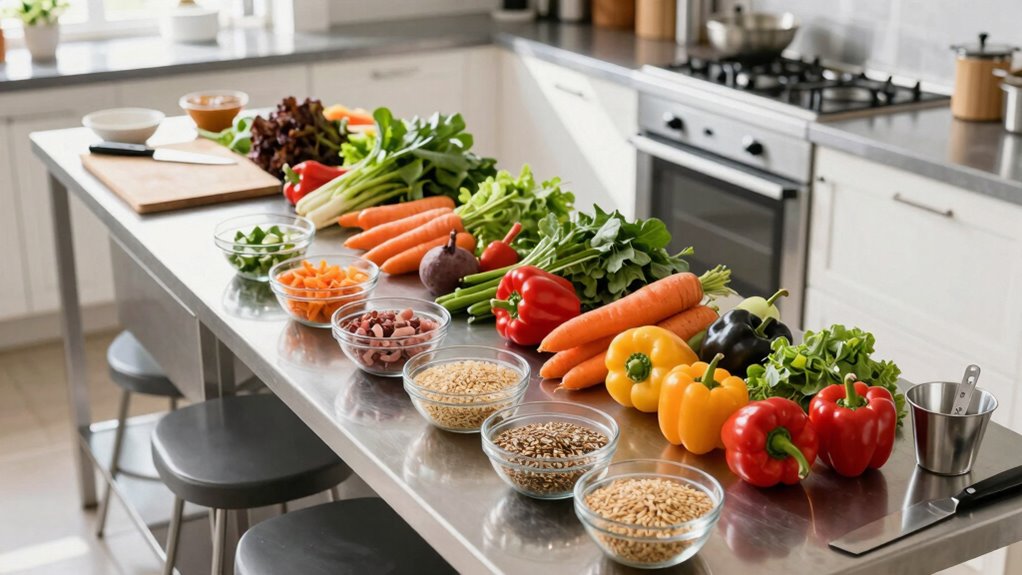
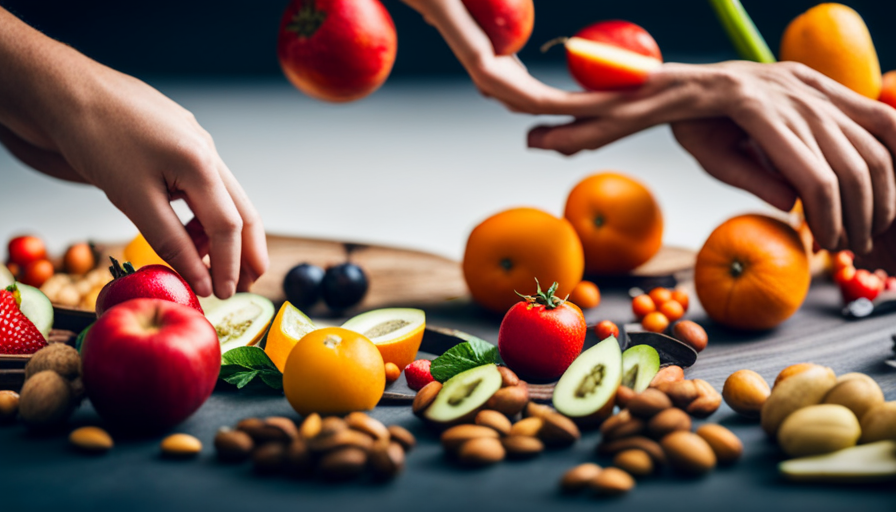
Before you start your raw meal prep, it’s essential to gather all the necessary ingredients and tools. Effective ingredient sourcing guarantees you have fresh, quality produce and proteins ready to go. Organize your tools to streamline the process; having everything at your fingertips saves time. Use the table below to plan your setup:
| Ingredients | Tools | Preparation Notes |
|---|---|---|
| Fresh vegetables | Sharp knives | Wash and peel as needed |
| Nuts and seeds | Cutting boards | Measure portions beforehand |
| Fruits | Food processors/blenders | Keep labels for ingredients |
Being aware of net worth and personal branding can also help you allocate your resources efficiently during meal prep. Additionally, understanding professional services can assist in sourcing high-quality ingredients or consulting on nutritional planning. Knowing the importance of cookies on websites can help optimize your online resources for meal planning tools or recipes.
Set Up a Simple Assembly Line to Save Time
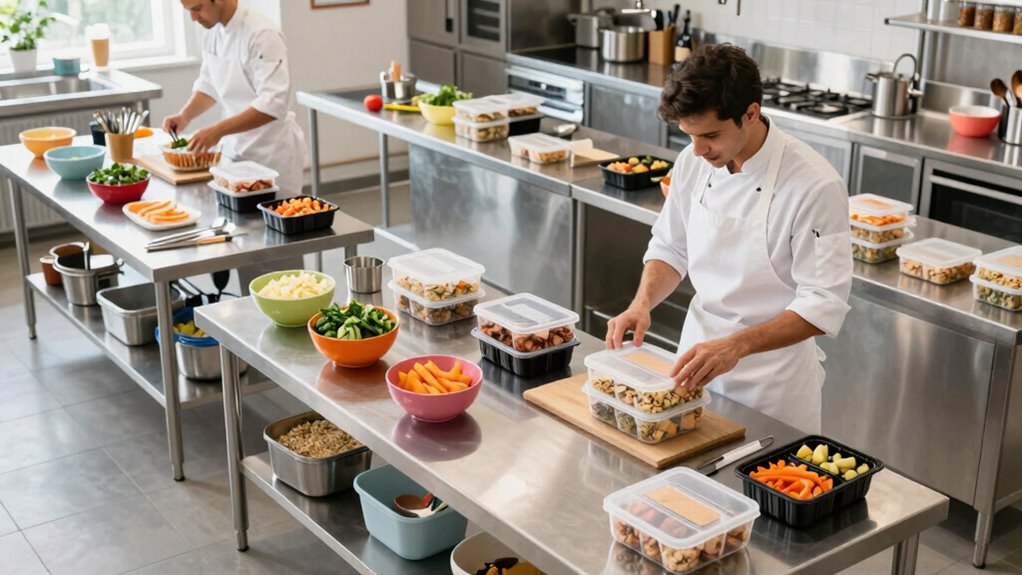
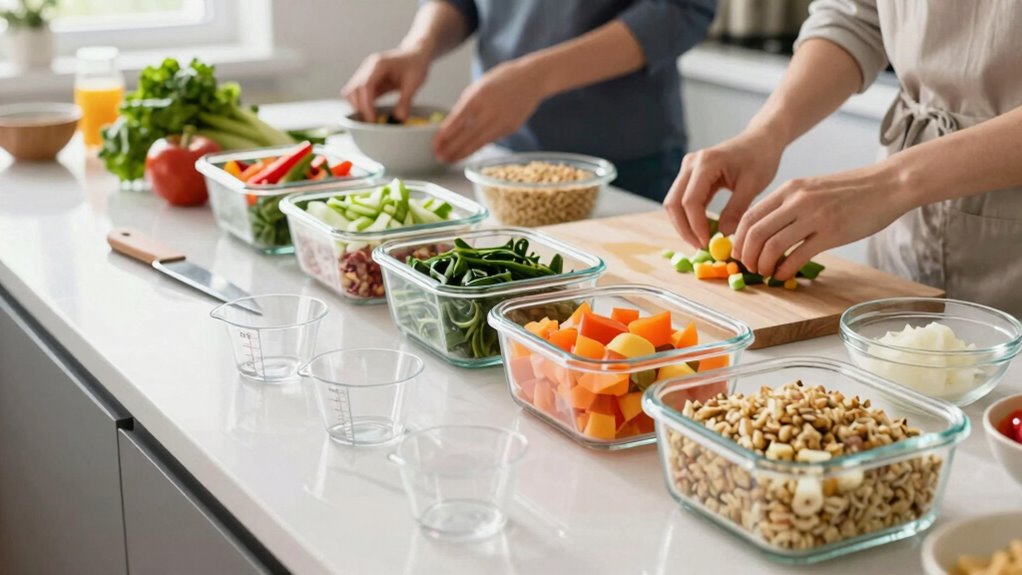
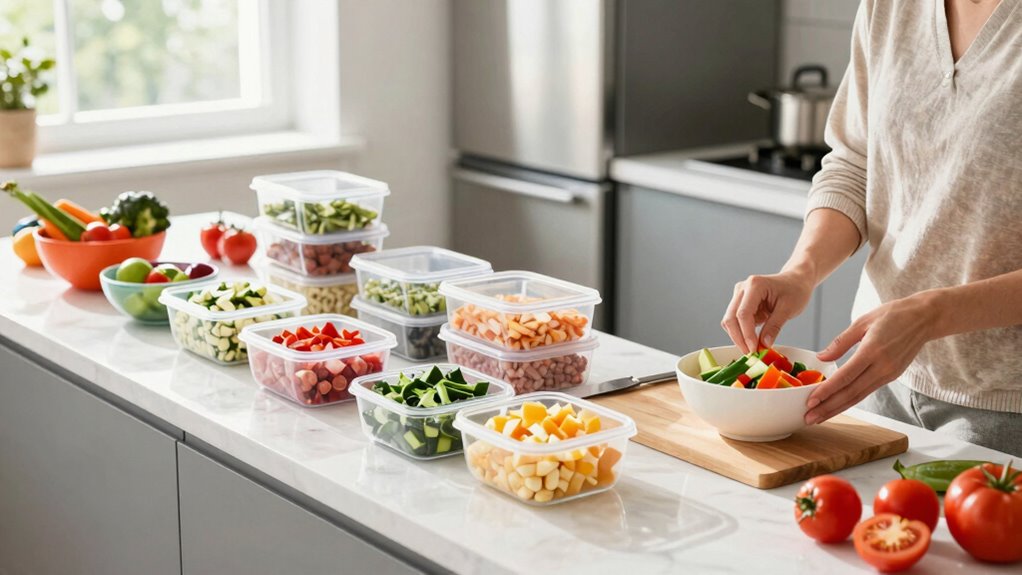
Setting up a simple assembly line can considerably speed up your raw meal prep process. By organizing your workspace efficiently, you reduce movement and decision-making, making the entire process smoother. Use clear containers or trays to separate ingredients, so everything is easy to access. Arrange tools and ingredients in the order you’ll use them to streamline flow. Keep your kitchen organized to minimize clutter and save time. Incorporate meal planning strategies to tailor your preparation steps for efficiency. Additionally, understanding preparation techniques can further optimize your workflow and reduce prep time. Implementing these tips helps you stay focused, work faster, and maintain kitchen organization throughout your meal prep. A well-structured kitchen organization setup can also prevent unnecessary back-and-forth and help you stick to your meal prep schedule. Incorporating essential oils for aromatic benefits can also create a more pleasant environment, keeping you motivated and relaxed during prep.
Assemble Your Raw Meals in Just 60 Minutes
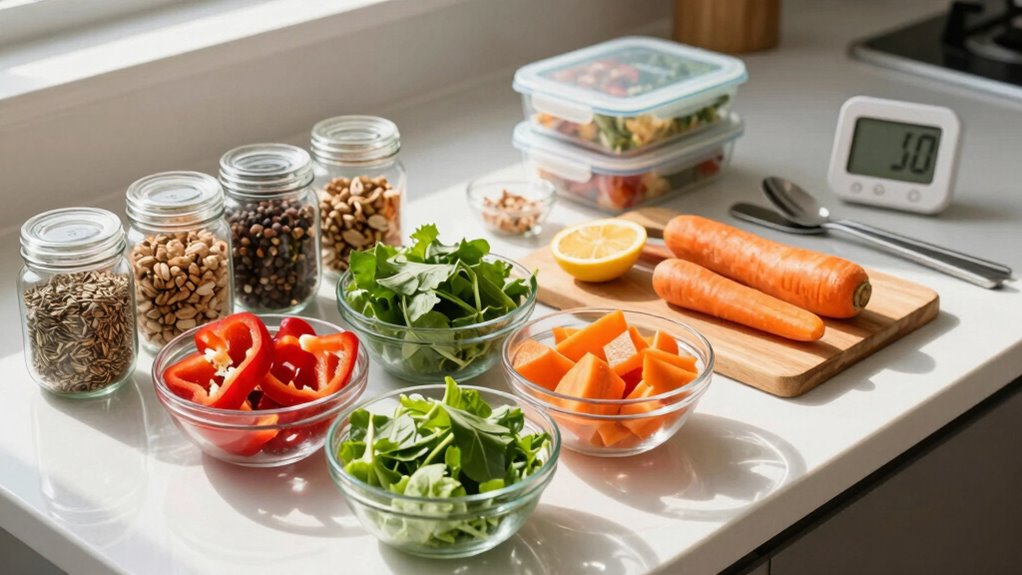
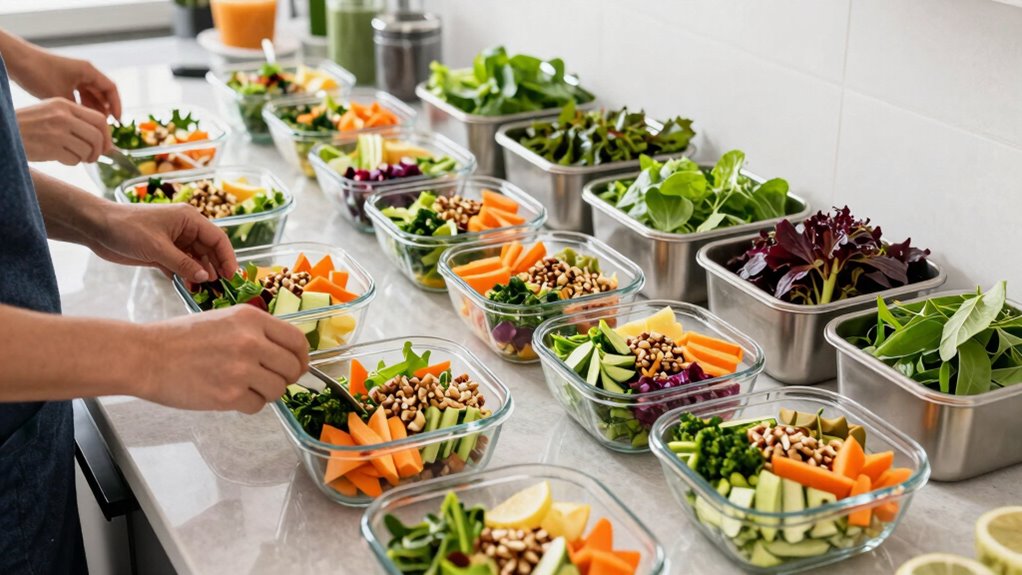
With a well-organized assembly line in place, you can effortlessly put together your raw meals in just 60 minutes. Focus on meal presentation by using clear containers and arranging ingredients neatly, which makes the process faster and more enjoyable. As you assemble, pay attention to flavor combinations—pair crunchy vegetables with tangy dressings or sweet fruits with savory nuts—to keep meals appealing and balanced. Keep ingredients grouped by type or color to streamline the process. Work efficiently by adding ingredients in consistent order, minimizing hesitation. This approach helps you stay focused and avoids unnecessary steps. Incorporating efficient organization techniques can further enhance your speed and reduce clutter during prep. Utilizing proper storage methods can also help maintain freshness and simplify cleanup. In no time, you’ll have a variety of visually appealing, flavorful raw meals ready to enjoy, saving time while maintaining quality and freshness.
How to Customize Your Raw Meals for Variety
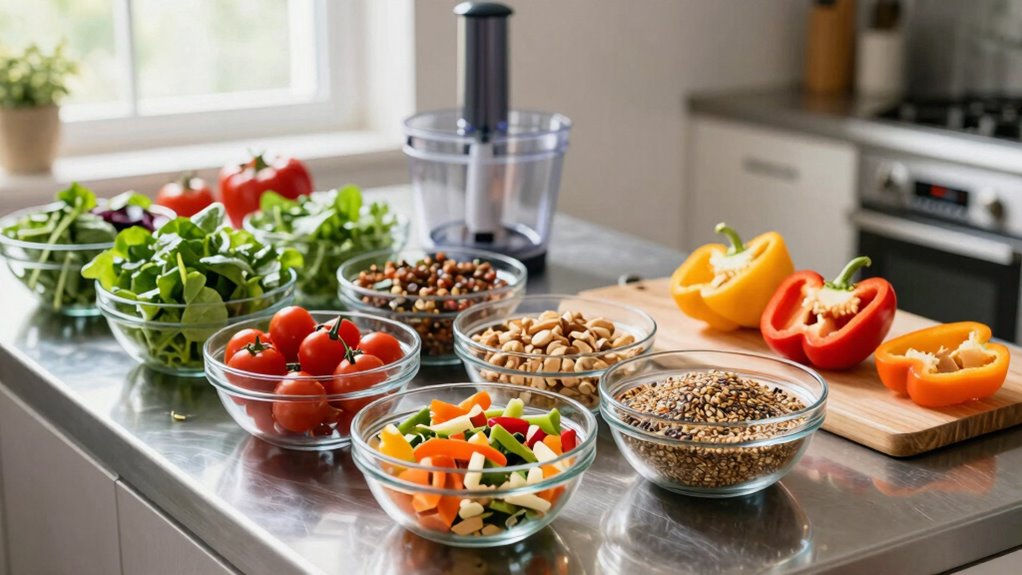
To keep your raw meals exciting and prevent mealtime boredom, customizing them with a variety of ingredients is essential. You can experiment with different flavor combinations to create new taste profiles each time. Ingredient substitutions allow you to adapt recipes to your preferences or what’s available, making meal prep flexible and enjoyable. Try swapping out nuts for seeds, or replacing fruits with different berries for a fresh twist. Incorporate herbs and spices to enhance flavors without adding calories. Being mindful of seasonal produce can also help you incorporate nutrient-rich ingredients that support overall health and well-being. Additionally, understanding food safety guidelines is crucial to ensure your raw meals remain safe and nutritious. Paying attention to vacuum features such as sealing mechanisms can help preserve freshness and prevent spoilage. Incorporating proper storage techniques can further extend the shelf life of your prepared raw meals, especially when using advanced vacuum sealing technology.
Store Raw Meals to Keep Them Fresh
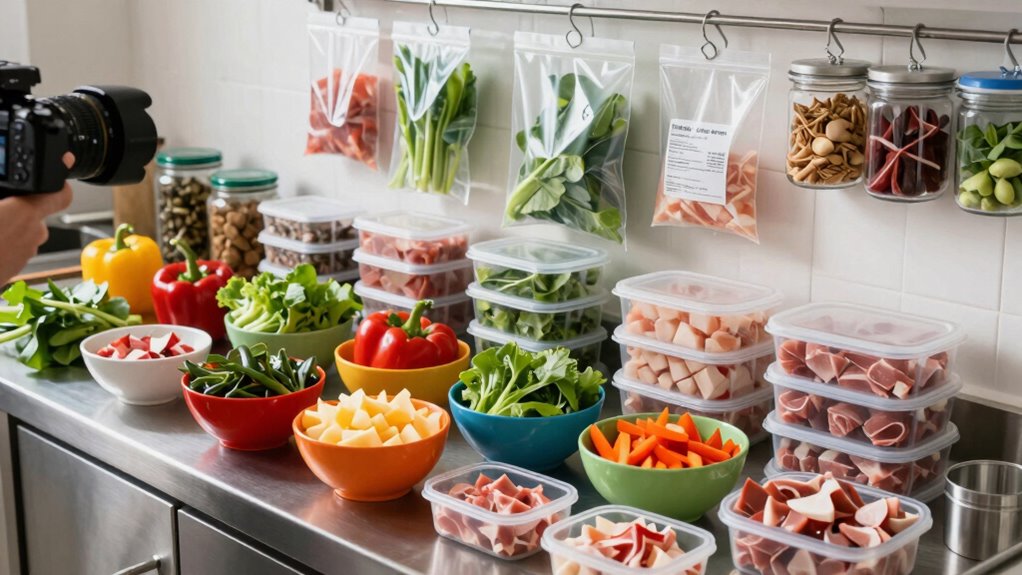
Proper storage is key to maintaining the freshness and quality of your raw meals. To guarantee ideal food storage, use airtight containers or resealable bags to prevent air exposure that can lead to spoilage. Label each container with the date you prepared the meals so you can prioritize freshness preservation. Keep your raw meals refrigerated at the right temperature—ideally below 40°F (4°C)—to slow bacterial growth. For longer storage, consider freezing portions, but always use freezer-safe containers. Avoid overcrowding your fridge or freezer, which can impede air circulation. Implementing proper storage techniques can help in maintaining optimal storage conditions. Additionally, understanding temperature control is crucial for preventing spoilage and ensuring safety. Proper food storage not only extends the shelf life but also preserves the nutrients and flavors of your raw meals. Incorporating Free Floating techniques can help in maintaining optimal storage conditions. Regularly checking storage temperatures and air circulation are vital for optimal freshness and safety. Utilizing storage environment monitoring tools can further enhance the effectiveness of your storage practices.
Troubleshooting Common Raw Meal Prep Challenges
Even with careful planning, you might still encounter common raw meal prep challenges such as spoilage, uneven textures, or nutrient loss. To tackle these issues, consider ingredient substitutions that better suit your storage options or flavor preferences. For spoilage, use airtight containers and proper storage solutions like refrigeration or freezing to prolong freshness. If textures are uneven, blending or chopping ingredients thoroughly can help create uniformity. Nutrient loss can be minimized by preparing ingredients just before eating or using antioxidant-rich additions. Additionally, utilizing proper air purifier maintenance techniques can help reduce airborne contaminants that may accelerate spoilage or affect food quality.
Stick to Your Raw Meal Routine for Long-Term Success
Maintaining a consistent raw meal routine is key to achieving lasting health benefits. To do so, focus on effective meal planning and habit formation. Consistency turns healthy choices into automatic behaviors, making it easier to stick with your routine long-term. Set aside time each week to prepare and organize your raw ingredients, reducing decision fatigue. Use the table below to track your progress and identify areas for improvement:
| Focus Area | Tips for Success |
|---|---|
| Meal Planning | Create a weekly schedule for prep tasks |
| Habit Formation | Incorporate routines into daily life |
| Monitoring | Adjust based on your progress |
Frequently Asked Questions
What Are the Best Storage Containers for Raw Meals?
You should choose reusable containers that are durable and easy to clean, like glass or BPA-free plastic options. Look for BPA-free options to guarantee safety and avoid harmful chemicals. These containers keep your raw meals fresh longer and are eco-friendly. Opt for sizes that fit your meal portions and have secure lids to prevent leaks. Reusable containers help you stay organized and make meal prep more efficient and sustainable.
How Can I Prevent Raw Ingredients From Spoiling Quickly?
Oh, the thrill of watching your raw ingredients turn into petri dishes! To keep your ingredients fresh and spoilage prevention on point, store them in airtight containers and keep perishables cold—think fridge or freezer. Use vacuum sealing for extended freshness, and don’t forget to consume within recommended timeframes. This way, you’ll avoid last-minute surprises and enjoy your raw meals at peak freshness, not in moldy rebellion.
Are There Safety Tips for Handling Raw Produce?
You should always practice good hygiene by washing your hands thoroughly before handling raw produce. Use a sharp knife safely, keeping your fingers clear of the blade, and always cut on a stable surface to prevent accidents. Rinse produce under cold water before prepping, and avoid cross-contamination by using separate cutting boards for raw produce and other ingredients. These safety tips help keep your prep process safe and your produce fresh.
Can I Prep Raw Meals in Advance for Longer Periods?
Prepping raw meals in advance is like planting seeds for future freshness—you’ll want to do it carefully. You can batch prep for longer periods, but to maintain meal freshness, store ingredients properly in airtight containers and refrigerate or freeze accordingly. Divide your prep into smaller portions to avoid spoilage. This way, you enjoy the convenience without sacrificing quality, making your meal prep both efficient and enjoyable.
What Are Some Cost-Effective Raw Meal Prep Tips?
To save money on raw meal prep, focus on budget shopping and ingredient substitution. Look for sales and buy in bulk to cut costs, and swap expensive ingredients for more affordable options without sacrificing nutrition. You can also choose seasonal produce, which is usually cheaper, and plan your meals around sales. These tips help you prep healthy, raw meals without overspending, making your meal prep more budget-friendly.
Conclusion
Mastering raw meal prep in 60 minutes is like setting up a well-oiled machine—you’ll save time, stay organized, and enjoy fresh, healthy meals all week. By gathering your ingredients, streamlining your assembly line, and customizing your meals, you’ll make prep feel effortless. Stick to your routine, troubleshoot challenges, and watch your confidence grow. Soon, meal prep will become second nature, just like riding a bike—smooth, steady, and rewarding every time.