
A 7-day beginner raw meal plan helps you start a nutrient-rich, plant-based diet with simple prep methods like soaking, sprouting, and blending. Focus on fresh fruits, veggies, nuts, seeds, and sprouted grains to boost vitamins and enzymes. Plan ahead by preparing salads, smoothies, and snacks in advance, and keep a grocery list handy with essentials like leafy greens, berries, and avocados. Keep everything manageable and enjoyable—stick with this plan to discover more tips for success.

Get health and wellness essentials delivered free with Prime
- Fast, free delivery on millions of items
- Prime Video, Amazon Music and more included
- Member-only deals all year
Key Takeaways
- Include a variety of fruits, vegetables, nuts, seeds, and sprouted grains to ensure nutrient diversity across the week.
- Plan and batch prepare simple raw meals like salads, smoothies, and energy bites for quick daily access.
- Shop in bulk and select organic produce, leafy greens, crunchy vegetables, and high-quality nuts for cost-effective variety.
- Incorporate preparation techniques like soaking, sprouting, and blending to preserve nutrients and enhance flavors.
- Create a grocery list focused on versatile, nutrient-dense ingredients to simplify shopping and meal planning.
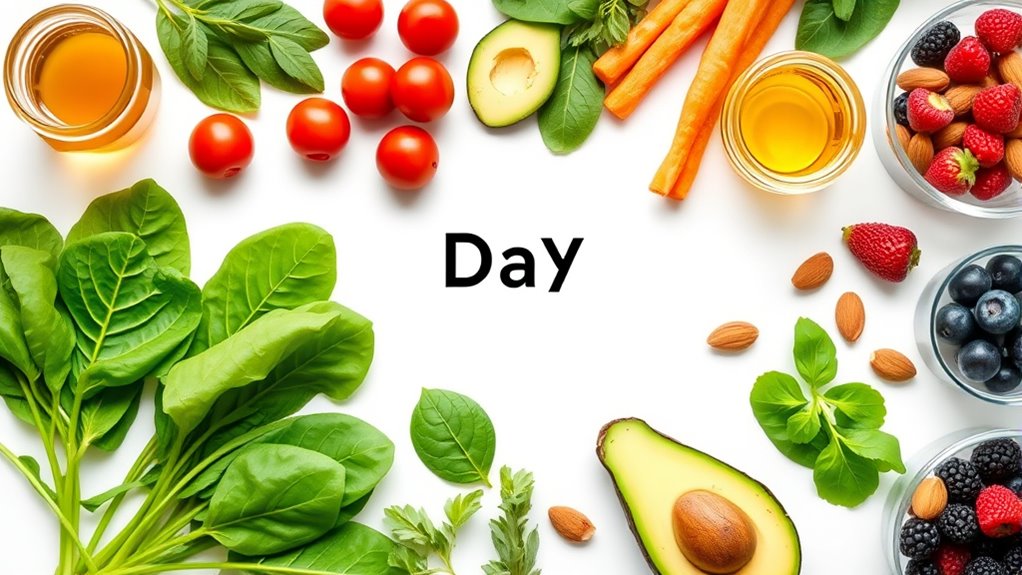
Are you curious about jumping into a raw food lifestyle but unsure where to start? Shift to raw eating can seem overwhelming at first, but with the right approach, you can make it manageable and enjoyable. The key is focusing on nutrient optimization and adopting effective meal prep strategies. When starting, it’s crucial to choose a variety of fresh fruits, vegetables, nuts, seeds, and sprouted grains to guarantee you’re getting a broad spectrum of nutrients. This diversity helps your body obtain vitamins, minerals, and enzymes that are often diminished in cooked foods. To maximize nutrient retention, aim to prepare your meals in ways that preserve these essential elements, like soaking, sprouting, and blending rather than extensive chopping or storing for long periods. Incorporating whole, minimally processed foods can further support your nutrient intake and overall health.
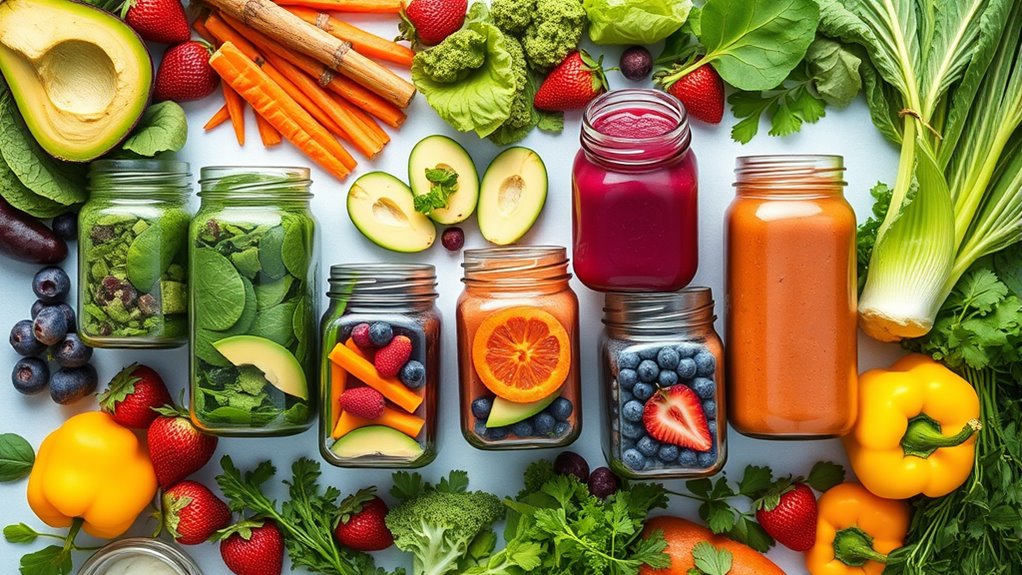
Meal prep strategies play a significant role in maintaining consistency and preventing last-minute temptations. By dedicating a small block of time each day or a few days a week to prep, you can have ready-to-eat raw meals that align with your goals. For example, you might prepare large salads or veggie wraps in advance, store smoothies in sealed jars, or batch-prepare snacks like energy balls made from nuts and dried fruits. These methods save time, reduce decision fatigue, and help you stick to your raw food plan. When grocery shopping, focus on buying in bulk where possible, selecting organic produce to minimize pesticide intake, and choosing versatile ingredients that can be used across multiple meals.
A well-thought-out grocery list can streamline your shopping experience and guarantee you have everything you need. Include plenty of leafy greens like kale and spinach, crunchy vegetables such as carrots and bell peppers, and juicy fruits like berries and citrus. Don’t forget high-quality nuts and seeds for added protein and healthy fats, as well as avocados for creaminess and nutrient density. Sprouted grains or seeds like sunflower or alfalfa can add variety and fiber. To keep your meals fresh and flavorful, consider purchasing herbs like cilantro or parsley, which can brighten dishes and boost micronutrient content.
As you become more comfortable with raw meal prep, you’ll learn which foods energize you and how to balance flavors and textures. Remember, the goal is to enjoy your shift while maintaining top nutrition. With a little planning and practice, you’ll find it easier to stick with your raw food journey, feeling more energized, vibrant, and healthy every day.
As an affiliate, we earn on qualifying purchases.
Frequently Asked Questions
Can Beginners Safely Follow a Raw Meal Plan Long-Term?
Yes, beginners can safely follow a raw meal plan long-term if you prioritize raw food safety. Always wash produce thoroughly, use fresh ingredients, and store foods properly. Incorporate meal prep tips like prepping in advance and keeping foods chilled. Listen to your body and consult a healthcare professional if needed. This approach helps you enjoy the benefits of raw foods while minimizing risks, making long-term raw eating safer and more sustainable.
Are There Any Potential Nutrient Deficiencies in a Raw Diet?
A raw diet can lead to nutrient gaps if you’re not careful, especially in vitamin B12, iron, and omega-3s. You might need to supplement to meet your needs, as some nutrients are harder to obtain from raw plant foods alone. Pay attention to your body’s signals, and consider consulting a healthcare professional to ensure you’re avoiding deficiencies and maintaining balanced nutrition on your raw eating journey.
How Should I Modify the Plan for Food Allergies?
You should start by substituting ingredients with allergen-friendly options, avoiding common triggers like nuts, dairy, or gluten. Focus on replacing allergenic foods with safe alternatives, such as seeds instead of nuts or coconut yogurt instead of dairy. By substituting ingredients thoughtfully, you create a meal plan that’s inclusive and safe. This approach emphasizes adaptability, ensuring your raw diet remains nutritious, enjoyable, and free from allergens.
Is It Necessary to Juice or Blend All Raw Meals?
You don’t need to juice or blend all raw meals; it depends on your preferences and digestion. Juicing alternatives, like smoothies, offer a convenient way to incorporate raw fruits and veggies without losing fiber. Blending techniques can create hearty, portable meals or snacks. Experiment with both options to find what works best for your energy levels and taste, making your raw meal plan enjoyable and sustainable.
What Are the Best Ways to Store Raw Ingredients?
To preserve raw ingredients, you should store fresh produce properly in the fridge or a cool, dark place. Keep leafy greens in airtight containers or perforated bags to maintain freshness, and store root vegetables in a ventilated drawer. Use glass containers for pre-cut items, and always wash produce before storage. Proper raw ingredient preservation prevents spoilage, keeps nutrients intact, and guarantees your raw meals stay fresh and safe to eat longer.
Conclusion
By following this 7-day raw meal plan, you’ll embrace fresh flavors, boost your energy, and nourish your body naturally. You’ll discover new ingredients, develop healthy habits, and enjoy vibrant meals. You’ll feel empowered, inspired, and excited to continue this journey toward wellness. Remember, each day is a chance to improve, to explore, and to enjoy the process. Embrace the change, trust in yourself, and savor every delicious, nourishing bite along the way.
Halloween Picks
halloween
As an affiliate, we earn on qualifying purchases.