To budget effectively for your road trip, start by researching current fuel prices and estimating your mileage to set a realistic fuel fund. Pack snacks and meals to cut down on eating out, and plan your stops to save on food expenses. Don’t forget to account for tolls, parking, and attraction fees—booking passes online can help save money. Keep track of these costs to stay within your budget and enjoy a stress-free adventure. Learn more to master your trip planning.
Prime for Young Adults — start your free trial
Fast free delivery, streaming and member deals for eligible 18–24 year olds.
As an affiliate, we earn on qualifying purchases.
Key Takeaways
- Research current fuel prices and estimate total mileage to plan fuel expenses accurately.
- Pack snacks and meals in advance to reduce dining costs and control food spending.
- Budget extra for tolls, parking fees, and attraction costs; consider pre-purchasing passes online.
- Schedule vehicle maintenance beforehand to avoid unexpected breakdowns and costly repairs during the trip.
- Track expenses daily and adjust your budget to stay within limits for fuel, food, and fees.
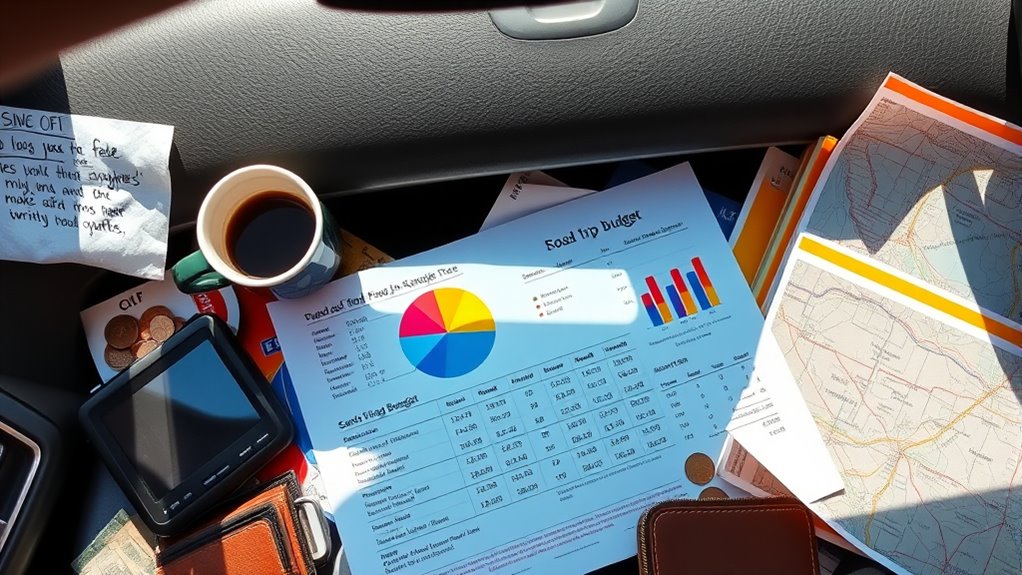
Planning a road trip can be exciting, but without a solid budget, it’s easy for costs to spiral out of control. Before hitting the road, you need to think about the essential expenses that can add up quickly, especially vehicle maintenance and travel insurance. Your vehicle is your lifeline during the trip, so ensuring it’s in good shape can save you from costly breakdowns or repairs down the line. Schedule a quick maintenance check—tire pressure, oil levels, brakes, and fluid levels. Investing a little upfront can prevent bigger expenses later. Additionally, don’t forget to review your travel insurance. Having coverage that protects you against unexpected events—like accidents, medical emergencies, or trip cancellations—can save you from significant financial stress, especially if you’re traveling through unfamiliar areas.
Once your vehicle is ready, plan your fuel budget carefully. Fuel costs can fluctuate, so research the current prices along your route and estimate your total mileage. Consider using apps or online tools to track fuel efficiency and find the cheapest gas stations nearby. It’s wise to budget a little extra for fuel, just in case. This way, you won’t be caught off guard if prices spike or if you take detours. Also, think about how often you’ll need to refuel based on your vehicle’s fuel economy and your planned stops.
Plan your fuel budget carefully by researching prices, tracking efficiency, and allowing extra for detours and fluctuations.
Food expenses are another major part of your travel budget. To save money, pack snacks, drinks, and even some meals before you leave. Not only does this cut down on impulse purchases at convenience stores or fast-food joints, but it also allows you to enjoy your own favorites on the road. When dining out, look for local diners or food trucks, which often offer delicious meals at lower prices than touristy restaurants. Setting a daily food budget helps you stay on track and avoid overspending during your trip.
Finally, don’t forget to account for fees—such as tolls, parking, and campsite or park entrance fees. Tolls can add up quickly, so plan routes that minimize tolls when possible, or set aside a specific amount for them. Parking fees can vary widely, especially in popular destinations, so research parking options beforehand. If you plan to visit national parks or other attractions, check their entrance fees and consider purchasing passes online in advance to save money. Incorporating these costs into your overall budget can help you manage your trip expenses more effectively and avoid unexpected surprises.
portable car fuel efficiency monitor
As an affiliate, we earn on qualifying purchases.
As an affiliate, we earn on qualifying purchases.
Frequently Asked Questions
How Can I Find the Cheapest Fuel Prices Along My Route?
You can find the cheapest fuel prices along your route by using fuel station apps or websites that offer real-time price comparison. These tools help you spot nearby fuel stations with lower prices, saving you money. Make sure to verify updates regularly, especially when you’re nearing your destination or fuel stop, so you can choose the most affordable option. Planning ahead ensures you get the best deals on your trip.
What Are Some Tips to Save on Road Trip Food Costs?
To save on road trip food costs, start with meal planning by preparing easy, portable meals and snacks ahead of time. Pack a variety of snack ideas like nuts, fruit, or granola bars to avoid pricey convenience store purchases. Bring a cooler to keep perishables fresh and consider stopping at grocery stores along your route for affordable supplies. This way, you’ll enjoy tasty, budget-friendly meals and snacks throughout your trip.
Are There Any Hidden Fees When Parking or Using Toll Roads?
You might find that some parking fees and toll charges sneak up on you, adding extra cost to your trip. Hidden fees can catch you off guard if you don’t plan ahead, so always check parking regulations and toll road policies. Using cashless payment options or toll passes can help you avoid surprises. Stay alert, budget wisely, and enjoy your journey without unnecessary worries about unexpected fees.
How Do I Budget for Emergency Expenses During a Road Trip?
To budget for emergency expenses on your road trip, set aside a reserve fund for unexpected costs. Keep an emergency kit in your vehicle, including first aid supplies, tools, and a flashlight. Consider roadside assistance membership to cover breakdowns or accidents. Allocate a specific amount daily or per mile for emergencies, ensuring you’re prepared financially and practically, so you’re ready for any unforeseen situations along your journey.
What Apps Can Help Me Track and Manage My Travel Expenses?
Your travel expenses can pile up faster than a mountain of pancakes, so you need the right tools. Apps like Mint, Trail Wallet, and Expensify are perfect for expense tracking and budget planning. They help you monitor costs in real-time, set spending limits, and stay on top of your budget. Download one before your trip, and you’ll manage your money effortlessly, making your road adventure smooth and stress-free.
Conclusion
Planning your road trip budget guarantees you enjoy the journey without surprises. Remember, on average, travelers spend about 60% of their budget on fuel, food, and fees, so tracking these costs helps you stay on track. By estimating expenses ahead of time, you’ll avoid overspending and make the most of your adventure. Keep a close eye on your spending, and your trip will be smooth, fun, and memorable from start to finish.
NFL season / tailgating Picks
team gear
As an affiliate, we earn on qualifying purchases.