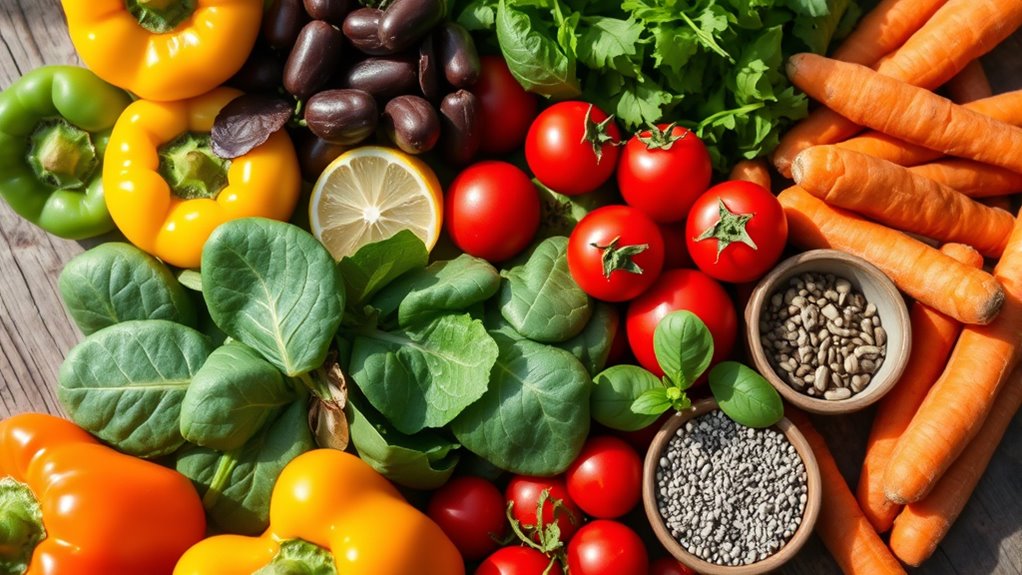
On a raw diet, focus on key micronutrients like vitamins A, C, E, and K, as well as minerals such as calcium, magnesium, potassium, and zinc. These nutrients support your energy, immune system, and overall health. To maximize absorption, pair vitamin C-rich foods with iron sources and incorporate soaked, sprouted, or fermented foods to reduce nutrient inhibitors. Staying mindful of these essentials can help you thrive—keep exploring to learn how to optimize your raw diet even further.

Get health and wellness essentials delivered free with Prime
- Fast, free delivery on millions of items
- Prime Video, Amazon Music and more included
- Member-only deals all year
Key Takeaways
- Vitamin C and iron are critical, with pairing vitamin C-rich foods enhancing iron absorption from plant sources.
- B vitamins, especially B12, are essential; raw diets may require supplementation due to limited natural sources.
- Minerals like calcium, magnesium, and zinc are vital; proper food preparation boosts their bioavailability in raw foods.
- Enzymes in raw fruits and vegetables aid digestion, improving absorption of micronutrients and overall nutrient utilization.
- Managing inhibitors like phytates and tannins through soaking and sprouting enhances micronutrient bioavailability in raw diets.
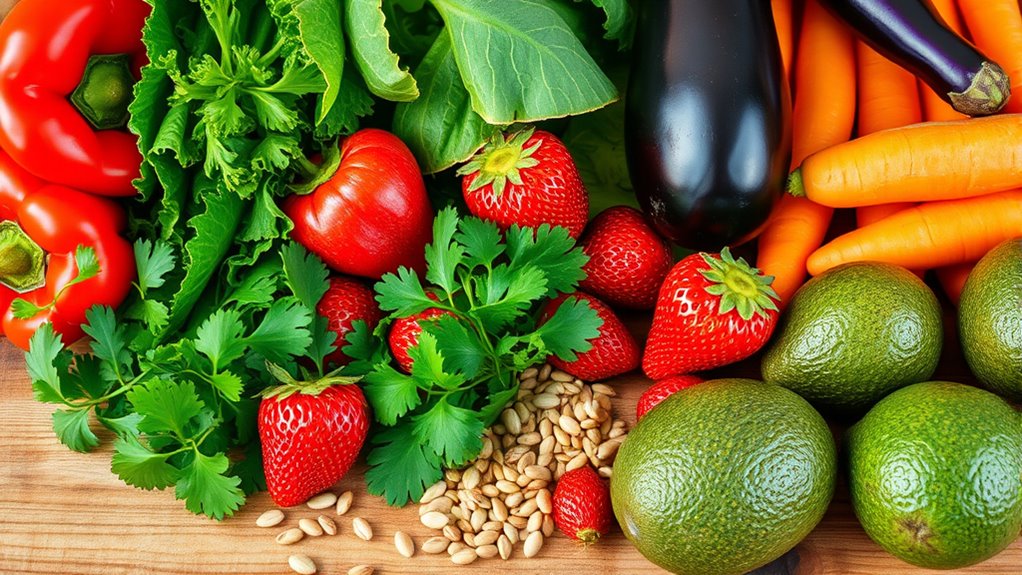
When adopting a raw diet, ensuring you get enough micronutrients is essential for maintaining your health. These small but mighty nutrients play an indispensable role in keeping your body functioning at its best, supporting everything from energy levels to immune health. One key aspect to focus on is vitamin absorption. Without proper absorption, even if you consume adequate vitamins, your body might not effectively utilize them. Raw foods, especially fruits and vegetables, contain enzymes that can aid digestion, potentially enhancing your body’s ability to absorb these crucial nutrients. However, certain factors like phytates or oxalates found in some raw plant foods can inhibit absorption. To maximize vitamin intake, consider diversifying your diet and including foods rich in vitamin C, which can improve the absorption of iron from plant sources. Pairing vitamin C-rich foods like peppers or citrus with iron-rich greens can make a significant difference. Additionally, incorporating vetted supplements when necessary can help fill potential nutritional gaps, especially for nutrients that are harder to obtain from raw foods alone.
Equally important is maintaining a mineral balance. Minerals such as calcium, magnesium, potassium, and zinc are fundamental for bone health, muscle function, nerve transmission, and overall cellular processes. On a raw diet, it’s easy to overlook whether you’re getting enough of these minerals. Raw nuts, seeds, leafy greens, and fruits are good sources, but their mineral content can vary depending on the soil quality and how they’re prepared. To guarantee you’re meeting your mineral needs, pay attention to food variety and consider incorporating mineral-rich foods regularly. For instance, chia seeds and pumpkin seeds offer a good dose of magnesium and zinc, while bananas and sweet potatoes provide potassium. Balancing these minerals is key because an excess or deficiency can disrupt bodily functions and compromise your health.
Another consideration on a raw diet is how food preparation impacts nutrient availability. While raw foods retain their natural vitamin and mineral content, some nutrients become more bioavailable when you prepare foods in certain ways, like soaking nuts or sprouting seeds. This can help improve mineral absorption and ensure your body gets the maximum benefit from your diet. Also, be mindful of potential nutrient inhibitors in raw foods, such as tannins in certain berries or phytates in grains, which can interfere with mineral absorption. Soaking, sprouting, or fermenting can mitigate these effects, boosting nutrient bioavailability.
Vitamin C and Iron supplements for raw diets
As an affiliate, we earn on qualifying purchases.
As an affiliate, we earn on qualifying purchases.
Frequently Asked Questions
Can Raw Diets Provide Enough Vitamin B12?
Raw diets often don’t provide enough vitamin B12 because plant-based sources generally lack it. You’ll likely need B12 supplementation to meet your daily needs. Incorporate fortified foods or consider supplements, as relying solely on raw plant foods isn’t sufficient. Regular B12 intake is essential for energy, nerve health, and red blood cell production, so don’t skip this vital micronutrient to maintain your health on a raw diet.
How Do Raw Diets Impact Mineral Absorption?
Coincidentally, raw diets can both enhance and hinder mineral absorption. You might notice better food bioavailability since raw foods retain natural enzymes, but minerals can also bind to compounds like phytates and oxalates, reducing absorption. This mineral binding can make it harder for your body to access essential minerals, so you should balance raw foods with methods that reduce these bonds, like soaking or fermenting, to optimize mineral uptake.
Are There Risks of Micronutrient Deficiencies on Raw Diets?
Yes, there are risks of micronutrient deficiencies on raw diets if you’re not careful. You might miss out on essential nutrients like vitamin B12, iron, or zinc, which can affect your food safety and digestive health. To avoid these issues, make certain you include a variety of raw foods, consider supplementation if needed, and consult with a healthcare professional. Proper planning helps maintain nutrient balance and supports your overall health.
Which Raw Foods Are Best for Iron Intake?
You should focus on raw leafy greens like spinach, kale, and Swiss chard, which are rich in iron. Including seeds like pumpkin and sunflower can boost your intake, too. While seed oils don’t contain much iron, they help with absorption. To maximize iron absorption from these foods, pair them with vitamin C-rich fruits or vegetables. This combination guarantees you get enough iron on your raw diet.
How Can I Supplement Micronutrients on a Raw Diet?
You can boost your micronutrient intake by blending superfood smoothies packed with nutrient-dense ingredients like spirulina or chlorella. Incorporate sprouted grains for added vitamins and minerals, making sure you cover your nutritional bases. Think of it as hitting two birds with one stone—maintaining variety and maximizing absorption. Supplement wisely and listen to your body’s needs to stay energized and healthy on your raw diet journey.
Conclusion
Don’t assume raw diets lack essential nutrients—you can get plenty if you choose the right foods. Focus on including a variety of fruits, vegetables, nuts, and seeds to meet your micronutrient needs. While some worry about nutrient gaps, proper planning guarantees you get enough vitamins and minerals without cooked foods. Embrace raw eating confidently, knowing that with mindful choices, you’re nourishing your body fully and naturally.
Halloween Picks
halloween
As an affiliate, we earn on qualifying purchases.