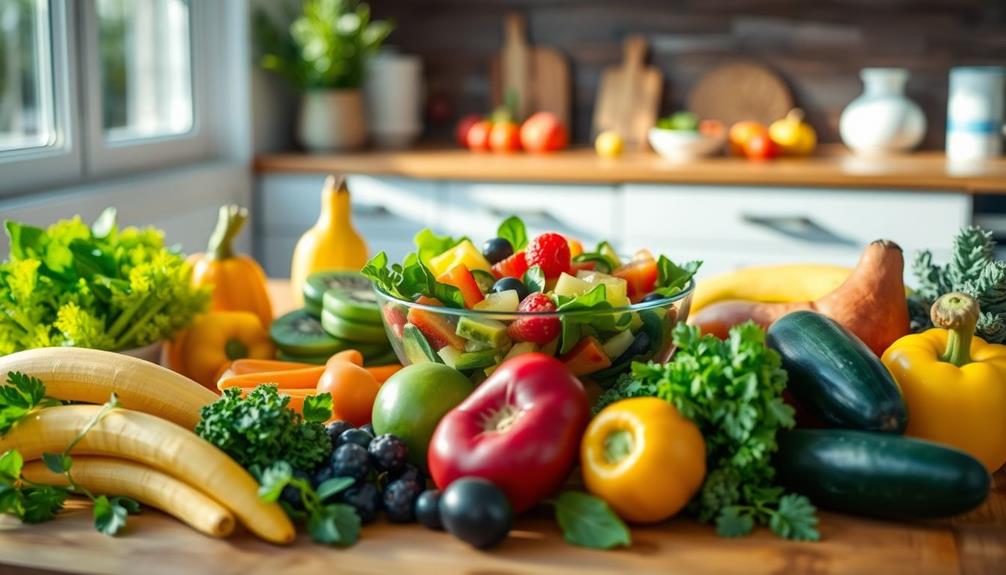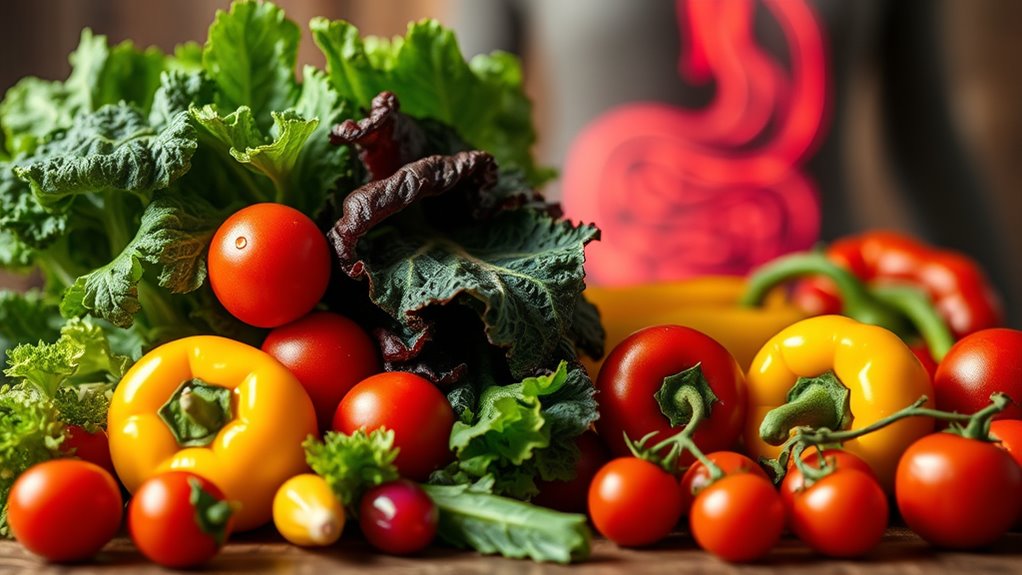

Eating a diet rich in fruits and vegetables helps nourish your gut microbiome by promoting microbial diversity and creating a resilient ecosystem. The fibers in produce feed beneficial bacteria, supporting fermentation processes that produce health-boosting compounds like short-chain fatty acids. This balance helps reduce inflammation, strengthen your gut lining, and improve overall immune function. Continuing to explore this topic reveals how such diets can sustain long-term gut health and systemic well-being.
Key Takeaways
- Eating a high-produce diet promotes microbial diversity, supporting a resilient and balanced gut microbiome.
- Dietary fibers from fruits and vegetables serve as nourishment for beneficial gut bacteria through fermentation.
- Fermentation produces short-chain fatty acids that strengthen gut health and reduce inflammation.
- Increased produce intake creates multiple microbial niches, lowering the risk of dysbiosis and related diseases.
- A high-produce diet enhances nutrient absorption and systemic health via microbial activity and bioactive compound production.
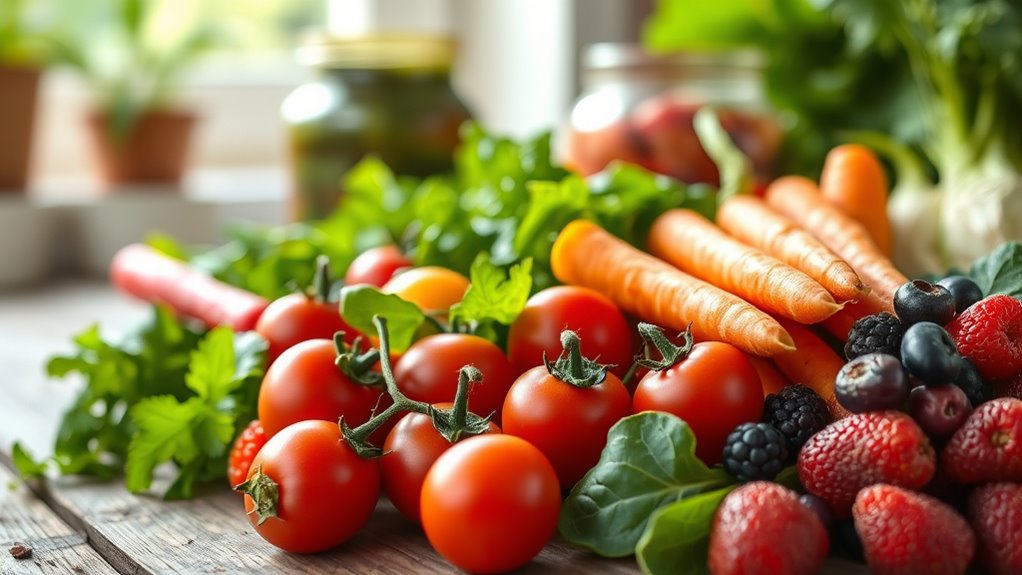
A diet rich in fruits and vegetables can considerably influence your gut microbiome, promoting a diverse and healthy community of microorganisms. When you include a variety of produce, you introduce different types of fibers that act as nourishment for your gut bacteria. This fiber diversity is vital because it supports a wide range of microbial species, each playing unique roles in your digestion, immune function, and overall health. The more diverse your fiber intake, the more resilient your gut microbiome becomes, better equipped to withstand disturbances like antibiotics or illness.
One of the key benefits of consuming a high-produce diet is fermentation. When your gut bacteria break down the fibers found in fruits and vegetables, they produce beneficial compounds called short-chain fatty acids, such as butyrate, acetate, and propionate. These fermentation benefits are significant because they help maintain the integrity of your gut lining, reduce inflammation, and support metabolic health. Fermentation also influences your immune system, helping it distinguish between harmful pathogens and harmless substances, therefore promoting immune tolerance.
Fermentation produces short-chain fatty acids that support gut health and immune function.
As you add more fruits and vegetables to your meals, you’re not just increasing fiber intake; you’re actively encouraging your microbiome to flourish. Different produce items contain various types of fibers—soluble, insoluble, and resistant starches—that feed different microbial communities. This variety ensures a balanced ecosystem, where no single species dominates, reducing the risk of dysbiosis, which can be linked to conditions like obesity, diabetes, and inflammatory bowel disease. The more diverse your plant-based foods, the more niches you create for beneficial microbes to thrive.
Moreover, the fermentation process yields more than just short-chain fatty acids. It also promotes the production of other bioactive compounds that can influence your mood, energy levels, and even skin health. For example, certain beneficial bacteria generate neurotransmitter precursors, which may help improve your mental well-being. Plus, the fermentation process enhances the bioavailability of nutrients in your produce, making vitamins, minerals, and antioxidants easier for your body to absorb.

9-in-1 Probiotic Prebiotic Fiber Gummies for Adults & Teens 16G Fiber per Serving, Psyllium Husk Fiber Supplement with 5 Billion CFU Bacillus Coagulans, Inulin, ACV for Digestion & Gut – 60 Counts
- High Fiber Content: 16g fiber per serving for digestion
- Probiotic Support: 5 billion CFU Bacillus Coagulans
- Natural Superfood Blend: Includes Psyllium Husk, Inulin, Chia, and ACV
As an affiliate, we earn on qualifying purchases.
As an affiliate, we earn on qualifying purchases.
Frequently Asked Questions
How Quickly Can Dietary Changes Impact Gut Microbiome Diversity?
You can notice microbiome adaptation within a few days to weeks after making dietary changes. The timing of your dietary intervention influences how quickly your gut microbiome diversity shifts, with some studies showing significant changes in as little as 48 hours. Consistent high-produce diets promote greater diversity, illustrating that prompt dietary intervention timing can accelerate gut microbiome adaptation and overall gut health improvements.
Are There Specific High-Produce Foods That Benefit Gut Health Most?
Sure, you could pick any high-produce food and hope for the best, but why not get strategic? Focus on superfood selection like blueberries, kale, and fermented vegetables, which pack a probiotic punch. Embrace seasonal eating to maximize nutrients and flavor, giving your gut the best chance to thrive. These choices boost your microbiome, making your gut happy and your digestion smoother—because who doesn’t want that?
Can a High-Produce Diet Help With Digestive Disorders?
A high-produce diet can definitely help with digestive disorders by promoting probiotic synergy and fiber fermentation. The diverse fibers in fruits and vegetables feed beneficial gut bacteria, improving digestion and reducing symptoms like bloating or constipation. This enhanced microbiome balance supports gut health, helping your digestive system function more smoothly. Incorporate a variety of produce to maximize these benefits and foster a healthier, more resilient gut environment.
What Are Potential Risks of Drastically Increasing Produce Intake?
If you drastically increase your produce intake, you risk produce overload, which can cause digestive discomfort like bloating and diarrhea. You might also develop nutrient imbalance, as focusing too much on produce could limit other essential nutrients from different food groups. Be mindful of gradual changes and maintain a balanced diet to avoid these risks, ensuring your gut microbiome stays healthy without overloading your system.
How Does the Gut Microbiome Influence Overall Mental Health?
Think of your gut microbiome as a bustling city influencing your mind through the gut-brain axis. When microbial diversity thrives, it helps regulate mood, reduce anxiety, and improve mental clarity. A balanced microbiome sends positive signals, supporting mental health, while imbalances can contribute to depression or stress. By nurturing your gut with healthy foods, you strengthen this essential connection, empowering your overall well-being and mental resilience.
Conclusion
By incorporating more fruits and vegetables into your diet, you can boost your gut health and overall well-being. Imagine someone like Sarah, who increased her produce intake and noticed improved digestion and energy within weeks. Small changes, like adding a colorful salad to your lunch, can make a big difference. So, start today—your gut microbiome will thank you, and you’ll feel the benefits every step of the way.