To keep foods truly raw during dehydration, set your dehydrator between 105°F to 118°F. This temperature range preserves enzymes, nutrients, and flavor while preventing bacteria growth, ensuring your foods stay nutritious and safe. Temperatures above 118°F begin to degrade nutrients and enzymes, turning your process into warm or cooked dehydration. If you want to master maintaining consistent raw temperatures, there’s much more to explore on how to control and troubleshoot your dehydrator effectively.
Key Takeaways
- The true “raw” dehydration temperature range is between 105°F and 118°F, preserving enzymes and nutrients.
- Temperatures above 118°F begin nutrient and enzyme degradation, reducing raw food benefits.
- Consistent temperature control within 105°F–115°F is essential for optimal raw dehydration.
- Monitoring and calibrating your dehydrator ensures temperatures stay within the raw range.
- Exceeding 118°F shifts dehydration into “warm” or cooked zones, compromising raw standards.
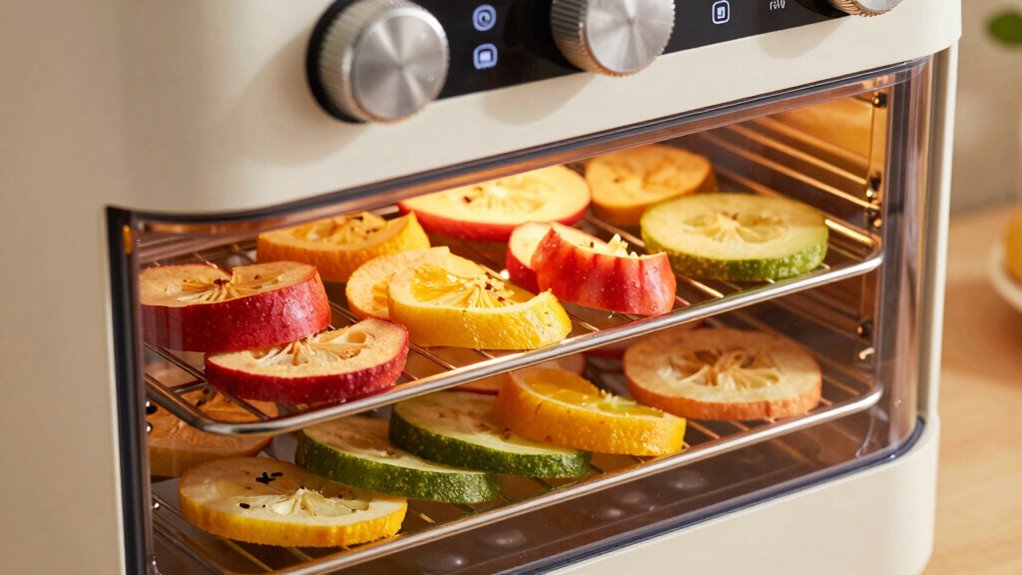
digital food dehydrator with temperature control
As an affiliate, we earn on qualifying purchases.
As an affiliate, we earn on qualifying purchases.
What Does “Raw” Mean in Dehydrating Temperatures?
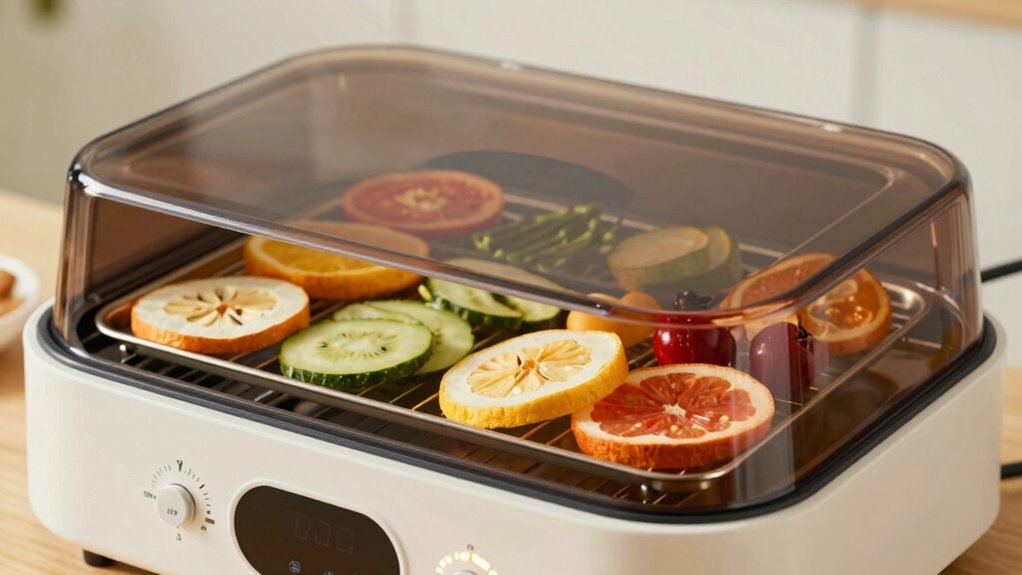
What does “raw” really mean when it comes to dehydrating foods? Essentially, it refers to keeping foods at temperatures that preserve their natural enzymes and nutrients. Temperature control is vital here because enzymes start breaking down when exposed to heat above certain levels. If you dehydrate at too high a temperature, you risk destroying these beneficial enzymes, which diminishes the food’s raw qualities. The temperature ranges are critical to maintaining food integrity during dehydration. The ideal temperature ensures a balance between effective moisture removal and nutrient preservation, which is why precise temperature regulation is essential. The goal is to maintain a temperature that’s warm enough to remove moisture but low enough to retain enzymes and nutrients. Typically, “raw” dehydrated foods are processed at temperatures below 118°F (48°C). By sticking to this range, you guarantee your foods stay as close to their natural state as possible, maximizing health benefits and preserving their original flavor and texture. Additionally, understanding the temperature limits helps ensure you maintain the raw integrity of your foods during dehydration. Maintaining precise Temperature control is crucial to achieve truly raw results and avoid unintended cooking. Proper calibration of your dehydrator’s thermostat plays a significant role in achieving these raw dehydration standards.
What Is the Best Temperature Range to Keep Food Raw and Nutrient-Rich?

To keep your food raw and nutrient-rich, aim for dehydration temperatures between 105°F and 118°F. This range helps preserve enzymes and nutrients while ensuring efficient drying. Staying within these temperatures also reduces the risk of bacterial growth, keeping your snacks safe and healthy.
Optimal Drying Temperatures
Maintaining the right temperature during dehydration is essential for preserving the raw and nutrient-rich qualities of your food. The ideal drying temperature generally falls between 105°F and 115°F (40°C – 46°C). This range helps retain enzymes, vitamins, and minerals while preventing microbial growth. Advanced dehydration technology can help maintain consistent temperatures for optimal results. Using a reliable dehydrator with temperature control features ensures you stay within the optimal range and achieve the best preservation outcomes. For fruit preservation and flavor enhancement, staying within this range ensures vibrant colors and fresh tastes. Temperatures above 115°F risk nutrient loss and compromise raw status. Understanding the dehydration process and proper temperature management can help you optimize your food preservation process. Use the table below to guide your choices:
| Temperature (°F) | Food Type | Effect |
|---|---|---|
| 105-110°F | Fruits, herbs | Preserves nutrients |
| 110-115°F | Vegetables | Maintains flavor |
| Above 115°F | Dried goods | Risk of nutrient loss |
Preserving Enzymes and Nutrients
Preserving enzymes and nutrients during dehydration requires carefully controlling the temperature to keep your food as close to raw as possible. Staying within the ideal temperature range—generally between 105°F and 115°F—supports enzyme preservation, which helps maintain the natural vitality of your food. Higher temperatures can accelerate nutrient loss, reducing the effectiveness of nutrient retention. To maximize nutrient content, avoid dehydration temperatures above 118°F, as this can degrade delicate vitamins and enzymes. Maintaining a consistent, low temperature ensures that enzymes remain active and nutrients stay intact, conserving the food’s original flavor, texture, and health benefits. Understanding dehydration temperatures is essential for optimizing nutrient retention during the process. By controlling your dehydrator’s temperature within this range, you lock in the maximum enzyme preservation and nutrient retention, keeping your raw foods as nutritious and vibrant as possible. Additionally, being aware of the *temperature range* helps you make informed adjustments to prevent nutrient degradation.
Avoiding Bacterial Growth
Since bacteria thrive at certain temperatures, keeping your dehydrated food safe requires careful temperature control. Staying within the ideal range, typically between 105°F and 125°F, helps prevent bacterial contamination while preserving nutrients. Temperatures above 125°F kill bacteria effectively, but they can also degrade enzymes and nutrients, so they aren’t suitable for raw foods. Conversely, temperatures below 105°F might not inhibit bacterial growth, increasing the risk of foodborne illness. To avoid bacterial contamination, monitor your dehydrator’s temperature carefully and avoid going too low or too high. Proper temperature regulation ensures that your food remains safe, nutrient-rich, and true to raw standards. Consistent temperature control ensures your food remains safe, nutrient-rich, and true to raw standards. Properly managing temperature is key to safely drying foods without risking bacterial growth. Understanding food safety is essential for maintaining both the quality and safety of your dehydrated foods. Additionally, being aware of temperature control best practices helps you achieve optimal results while safeguarding your health. Maintaining proper food safety protocols can further reduce the risk of contamination during dehydration, especially as some carefully monitored temperatures can influence the retention of nutrients and enzymes in raw foods.
How Can I Set My Dehydrator to Preserve Raw Nutrients?

To preserve raw nutrients, set your dehydrator to a low temperature, typically between 105°F and 115°F. Keep drying times shorter to prevent nutrient loss from prolonged heat exposure. This way, you retain more of the food’s natural enzymes and vitamins. Additionally, maintaining consistent temperatures ensures your dehydrated foods stay as close to their natural state as possible, supporting raw nutrient preservation.
Maintain Low Temperatures
Setting your dehydrator to a low temperature is crucial for preserving raw nutrients in your food. Keeping the temperature between 105°F and 115°F ensures food safety by preventing bacterial growth while maintaining enzyme preservation. Enzymes are essential for digestion and nutrient absorption, so setting a low temperature helps retain their activity. Avoid higher temperatures that can degrade vitamins and enzymes, reducing the nutritional quality of your dried foods. Use the dehydrator’s temperature controls to stay within this ideal range, and monitor the process regularly. Maintaining low temperatures not only safeguards food safety but also guarantees you’re preserving the raw, natural benefits of your ingredients. This careful temperature management makes your dehydrated foods both safe and nutritionally rich.
Use Shorter Drying Times
Using shorter drying times helps preserve raw nutrients by reducing the exposure of food to heat and oxygen, which can cause nutrient loss. When you minimize the drying duration, you improve nutrient retention, ensuring vitamins and enzymes stay intact. Additionally, shorter drying times help lock in natural flavors, leading to better flavor preservation in your dehydrated foods. To achieve this, set your dehydrator to a temperature within the raw range and check frequently, removing items as soon as they’re adequately dried. This approach prevents overexposure to heat, maintaining the food’s original texture and taste. Keeping drying times brief not only boosts the nutritional value but also results in fresher, more vibrant flavors in your dehydrated snacks.
Common Mistakes That Cause Temperatures to Rise Above Raw Limits
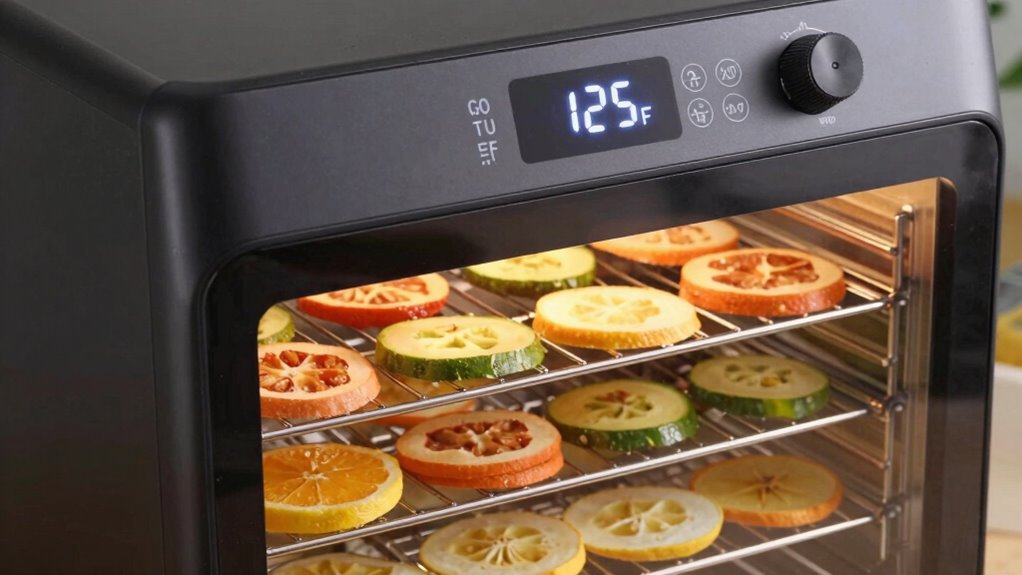
One common mistake that causes dehydrator temperatures to rise above raw limits is neglecting proper placement and airflow. When you don’t ensure even spacing between trays, airflow stagnates, leading to uneven heat distribution. This disruption can cause temperature fluctuations, making it harder to maintain a consistent, raw-friendly environment. Additionally, neglecting regular dehydrator calibration can result in inaccurate temperature readings, causing higher actual temperatures than what’s displayed. Overloading trays or blocking vents also restricts airflow, increasing the risk of overheating. To avoid these mistakes, position trays to promote airflow, regularly calibrate your dehydrator, and monitor the temperature with a reliable thermometer. Doing so helps keep your dehydration process within safe raw limits, preventing unnecessary heat buildup. Proper airflow management is essential for consistent, safe dehydrating.
Raw vs. Warm vs. Cooked: Which Dehydration Temperatures Are Suitable?
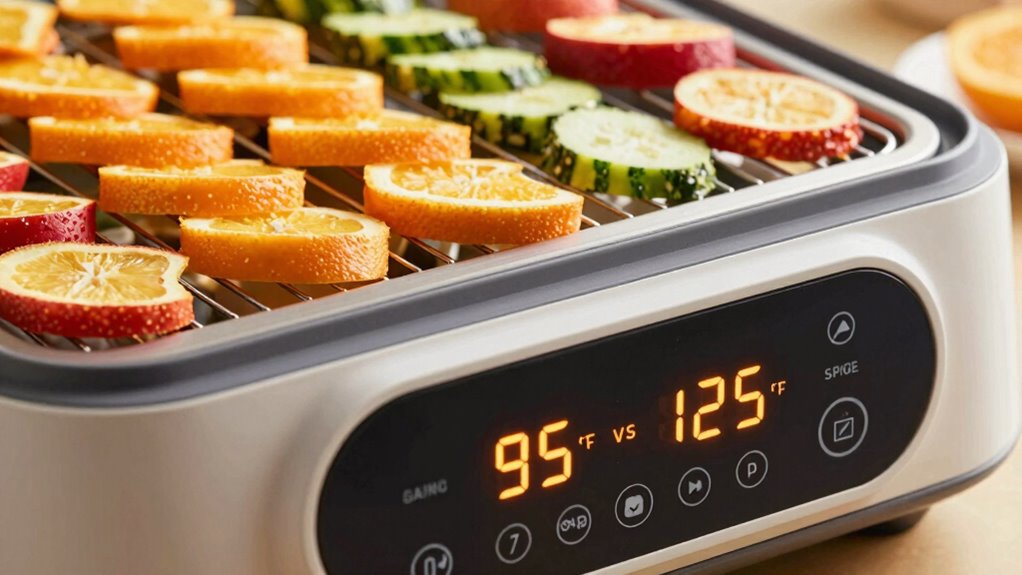
Maintaining proper dehydration temperatures is key to preserving the nutritional integrity and safety of your foods. When deciding between raw, warm, or cooked dehydration, temperature regulation is essential. Raw dehydration typically occurs below 118°F (48°C), preserving enzymes and nutrients but requiring precise control for efficiency. Warm dehydration ranges from 118°F to 135°F (48-57°C), balancing dehydration speed with nutrient retention. Cooking temperatures above 135°F (57°C) are generally avoided unless you’re intentionally aiming to produce dried foods with different textures or flavors. Selecting the right temperature depends on your goals, but ensuring consistent heat improves dehydration efficiency while maintaining food safety and nutritional quality. By understanding these temperature ranges, you can optimize your process and achieve the best results for your dried foods.
How Temperature Impacts Food Safety and Nutritional Quality When Raw Dehydrating
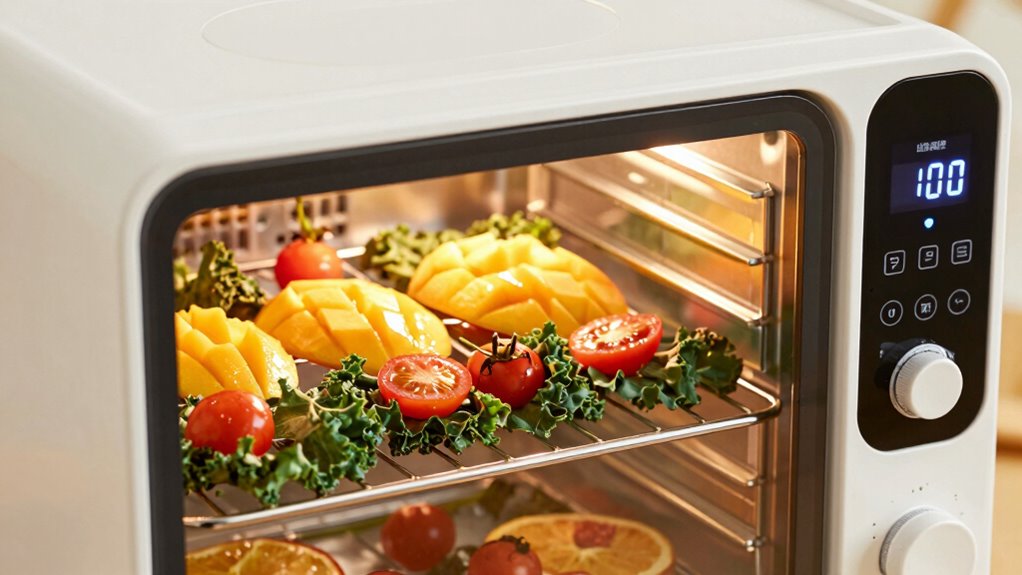
When you dehydrate foods at raw temperatures, keeping the temperature consistently below 118°F (48°C) is essential for preserving both their nutritional quality and safety. At these temperatures, you maintain natural flavor profiles and support texture preservation, making your dehydrated foods more appealing and nutrient-dense. Proper temperature control reduces the risk of microbial growth, ensuring safety without cooking the food.
Consider these key benefits:
- Retains enzymes that enhance digestion and health
- Preserves delicate flavor nuances that high heat can destroy
- Maintains a firm, chewy texture that mimics fresh produce
Tips for Maintaining Consistent Raw Temperatures During Drying
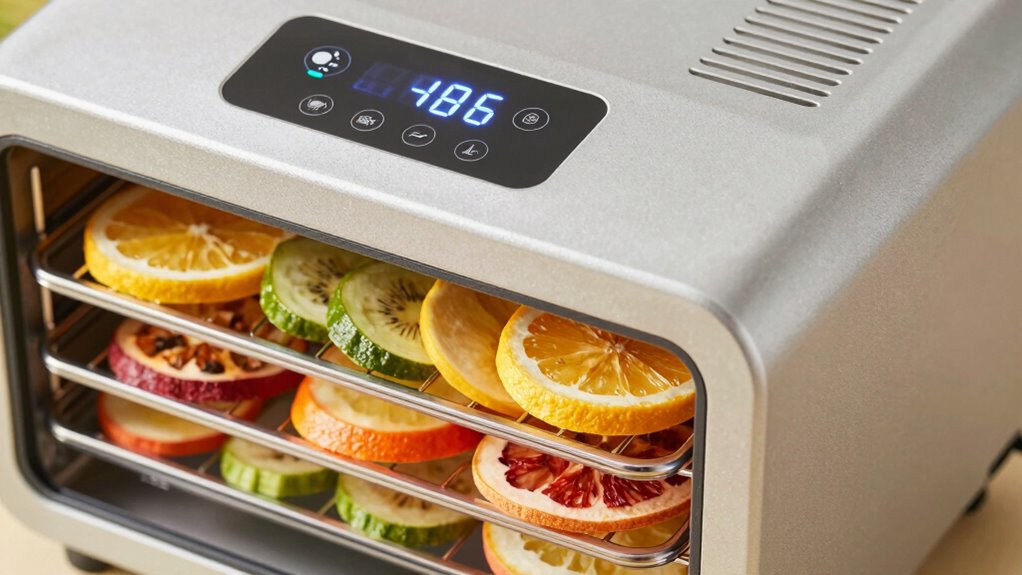
To keep your dehydrator consistently below 118°F (48°C), it’s important to monitor and adjust the temperature regularly. Start by checking your dehydrator settings and ensure they match the actual temperature inside. Use a reliable thermometer to calibrate your device, as many dehydrators can have inaccurate temperature readings. Regular temperature calibration helps you maintain a steady environment, preventing fluctuations that could raise temperatures above raw thresholds. Keep the dehydrator in a stable location, away from heat sources or drafts, which can impact internal temperatures. Consistency is key, so record your adjustments and check the temperature periodically during drying. This approach ensures your food stays within the safe raw range while preserving nutrients and flavor. Additionally, avoiding improper piercing care and hygiene practices in your kitchen can help prevent contamination during food dehydration.
When Should I Adjust My Dehydrator Temperature, and Why?
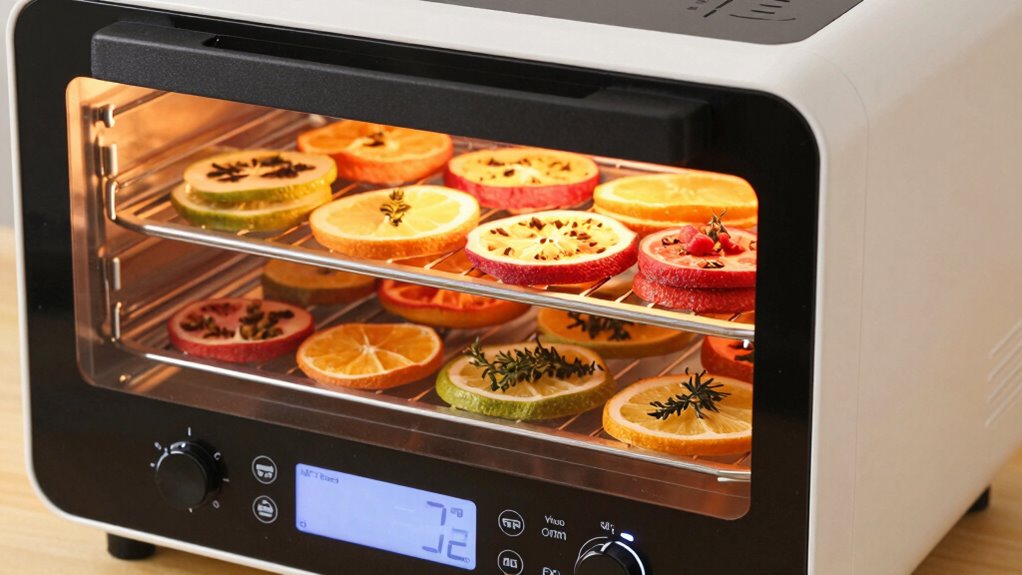
Adjust your dehydrator’s temperature whenever you notice inconsistencies in drying times or if the food isn’t drying evenly. Properly managing dehydrator settings guarantees your food stays within the safe raw range and dries uniformly. You should consider adjusting temperature control if:
- Food dries too quickly or unevenly
- There’s residual moisture after expected drying time
- You’re dehydrating different food types requiring varied settings
Modifying the temperature helps maintain the integrity of raw foods and prevents over-drying. Keep a close eye on texture and moisture levels, and don’t hesitate to tweak the temperature to optimize results. Remember, precise temperature control is key to preserving nutrients and achieving consistent, high-quality dried foods. Proper dehydrator maintenance and understanding the dehydrator’s temperature range are essential for optimal results. Adjusting when needed ensures your dehydrator functions effectively and keeps your food truly raw. Additionally, understanding the raw food safety guidelines can help you avoid potential health risks associated with improper dehydration. Monitoring and controlling temperature consistency is also crucial for safe and effective dehydration.
Troubleshooting Temperature Problems to Keep Your Food Raw and Nutritious

Temperature issues can compromise the quality and safety of your dried foods, so it’s vital to identify and resolve them quickly. Improper temperatures can affect food texture and dehydration speed, risking spoilage or losing nutrients. To troubleshoot, check your dehydrator’s temperature calibration and ensure vents are unobstructed. Proper calibration is essential for consistent results. If dehydration feels slow or uneven, raising the temperature slightly within the safe raw range may help. Conversely, if foods become overly brittle or mushy, lower the temperature. Use this guide to better understand your dehydrator’s performance: calibration accuracy. Regularly inspecting temperature consistency can prevent uneven dehydration and ensure your foods retain maximum nutrients.
Frequently Asked Questions
Can Dehydration at Low Temperatures Kill Bacteria Effectively?
Dehydration at low temperatures doesn’t effectively kill bacteria because bacterial survival can persist in such conditions. Lower temperatures may slow bacterial growth but don’t guarantee their elimination. For better dehydration efficacy, you should aim for higher temperatures that actively destroy bacteria, ensuring your food is safer to consume. Relying solely on low-temperature dehydration leaves the risk of bacterial survival, so it’s best to follow recommended temperature guidelines for food safety.
What Are the Signs of Overheating During Raw Dehydration?
You’ll notice overheating during raw dehydration when overheat indicators like a strong, burnt smell or uneven drying appear. Your food may feel excessively dry or become brittle, showing dehydration stress. You might also see temperature fluctuations on your dehydrator’s display. To prevent damage, monitor your device closely, and if overheating signs emerge, lower the temperature or reduce the drying time. Staying attentive helps keep your raw foods safe and preserves their nutrients.
How Does Humidity Affect Maintaining Raw Temperatures?
Humidity impact plays a vital role in maintaining raw temperatures during dehydration. High humidity levels introduce extra moisture, making it harder to control moisture and keep temperatures consistent. You should monitor humidity closely and adjust your dehydrator settings accordingly. Proper moisture control ensures your food stays within the raw range, preventing spoilage or fermentation. Keeping the environment dry helps preserve nutrients and achieves ideal dehydration results.
Are There Specific Foods That Require Different Dehydration Temperatures?
Yes, you’ll want to adjust dehydration temperatures based on food type to optimize food texture and dehydration efficiency. For example, fruits need lower temperatures to prevent losing nutrients, while jerky requires higher temperatures for safety. Different foods have varying moisture contents and structures, so customizing the temperature guarantees your dehydrator works effectively and preserves the quality. Always follow specific guidelines for each food to achieve the best results.
How Long Can Raw Dehydrated Foods Be Stored Safely?
You can typically store raw dehydrated foods safely for 6 to 12 months if kept in airtight containers in a cool, dark place. Check for spoilage signs like mold, off odors, or discoloration before eating. Proper storage is key to maintaining quality and safety. If you notice any spoilage signs, discard the food promptly to avoid health risks.
Conclusion
Think of your dehydrator as a gentle gardener, carefully nurturing your food without scorching its delicate nutrients. When you keep temperatures in the raw range, you’re like tending a garden at just the right breeze—preserving flavor, texture, and nutrition. If you accidentally crank up the heat, it’s like letting a breeze turn into a storm, damaging your harvest. Staying within the ideal temperature range ensures your food remains vibrant, nutritious, and truly raw—like a garden in full bloom.