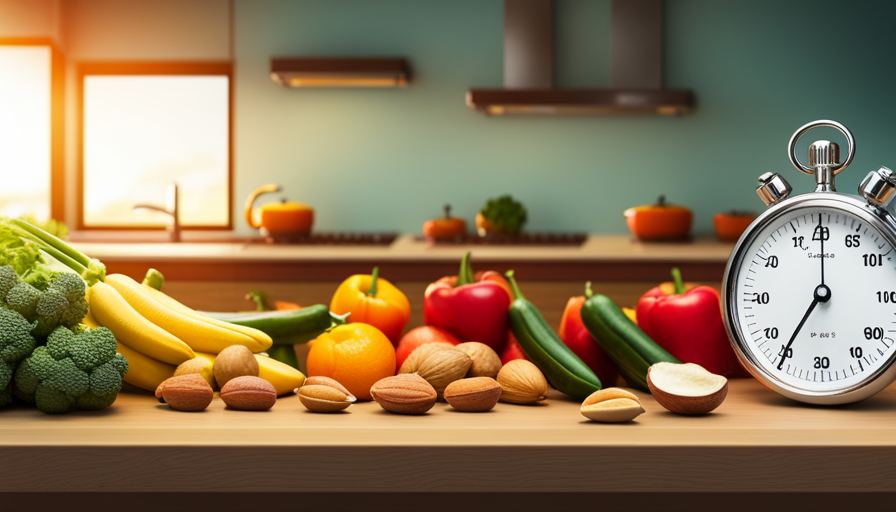
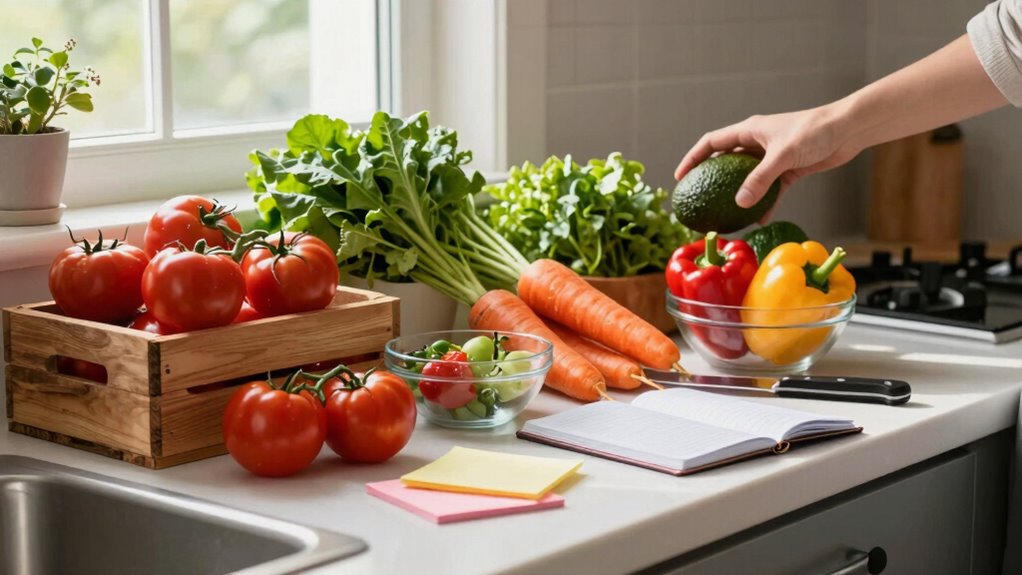

To build a starter produce inventory that gets used, focus first on seasonal availability to select fresh, popular items that match local growing cycles. Keep your stock manageable by starting with essentials and gradually expanding based on customer preferences. Use proper storage to extend freshness and minimize waste, and track demand trends to adjust your inventory accordingly. Mastering these strategies will help you maximize usage and reduce spoilage as you grow—more helpful tips are just ahead.

Get health and wellness essentials delivered free — and shop member deals
- Fast, free delivery on millions of items
- Access to Prime Big Deal Days deals on October 6–7
- Prime Video, Amazon Music and more included
Key Takeaways
- Start with a small, focused selection of fast-selling, seasonal produce to encourage quick turnover.
- Track local growing seasons to stock in-season items that are more likely to be used.
- Use proper storage techniques to maintain freshness and reduce spoilage, ensuring produce remains usable.
- Monitor customer preferences and seasonal trends to adjust inventory and avoid overstocking slow-moving items.
- Implement demand forecasting and regular stock rotation to keep inventory aligned with usage patterns.
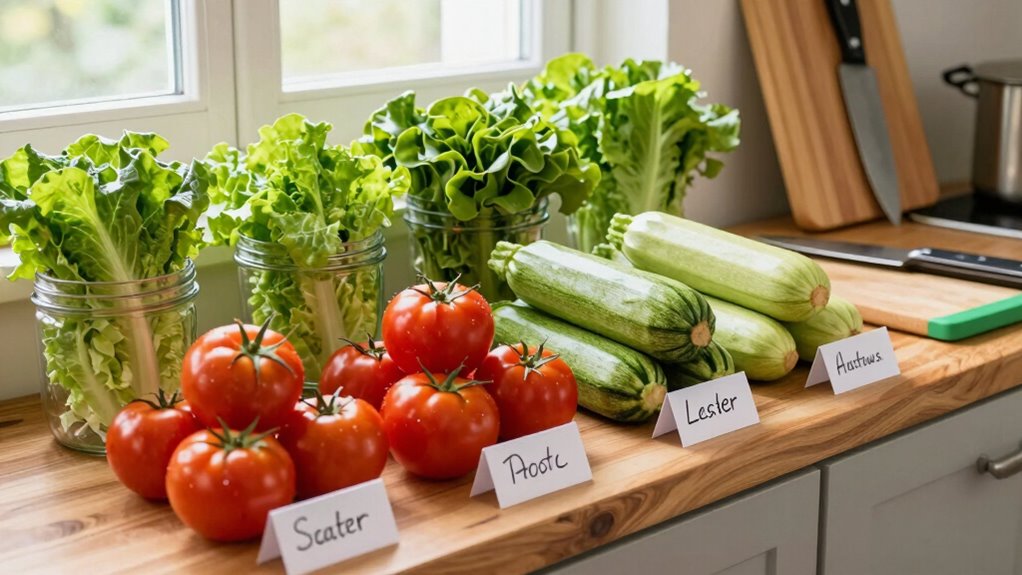
Starting a produce inventory can seem intimidating, but with a clear plan, you can build a solid foundation for your business. The key is understanding how to manage your stock effectively, especially considering seasonal variations. Different fruits and vegetables are available at different times of the year, so knowing when certain produce is in season helps you plan your inventory accordingly. By focusing on seasonal fluctuations, you avoid overstocking items that won’t sell quickly, reducing waste and increasing profitability. This means tracking local growing seasons and adjusting your orders as the year progresses, guaranteeing you always have fresh, in-demand produce without tying up too much capital in slow-moving stock.
Understanding seasonal produce helps you plan inventory, reduce waste, and boost profitability through timely stock management.
Once you know what’s in season, you need to pay attention to storage techniques. Proper storage extends the freshness of your produce, minimizes spoilage, and keeps your inventory appealing to customers. For example, leafy greens and herbs require cool, humid conditions, while root vegetables like carrots and potatoes store well in a dark, cool, ventilated space. Using the right containers, maintaining ideal temperature and humidity levels, and regularly rotating stock help guarantee nothing goes to waste. Implementing these storage techniques allows you to keep your produce fresh longer, giving you more flexibility in how and when you sell it. Additionally, understanding seasonal fluctuations can help you optimize your storage and ordering schedules to match demand. Staying informed about local growing seasons ensures you’re always prepared to meet customer needs. Being aware of supply chain dynamics also contributes to more efficient inventory management, helping you respond to unexpected shortages or surpluses. Incorporating demand forecasting into your planning can further improve your inventory accuracy and reduce excess stock. Being proactive with inventory planning can further minimize waste and maximize sales.
As you build your inventory, consider starting small with a manageable variety of items. Focus on popular, fast-selling produce to establish a solid turnover rate. This approach reduces the risk of spoilage and gives you a chance to refine your storage techniques. As your business grows and you gain experience, you can gradually expand your inventory, adding more seasonal items or specialty produce. Always stay aware of seasonal trends and customer preferences so you can adjust your stock accordingly. This proactive approach helps you avoid overstocking and ensures you’re offering what customers want when they want it.
Additionally, maintaining good communication with your suppliers is vital. They can alert you to upcoming seasonal changes or shortages, allowing you to plan ahead. This way, you won’t be caught off guard by unexpected fluctuations in supply or demand. Combining knowledge of seasonal variations with effective storage techniques ensures your produce remains fresh, appealing, and profitable. As you gain confidence, you’ll find it easier to balance your inventory, reduce waste, and meet customer expectations consistently. Building a dependable produce inventory is all about planning, adapting to seasons, and mastering storage—setting you up for long-term success.
produce storage containers with humidity control
As an affiliate, we earn on qualifying purchases.
As an affiliate, we earn on qualifying purchases.
Frequently Asked Questions
How Often Should I Revisit and Update My Produce Inventory?
You should revisit and update your produce inventory weekly, especially during seasonal planning. Regular reviews help you adjust inventory based on what’s used and what’s left, minimizing waste. Use effective storage techniques to keep produce fresh longer, making your updates more accurate. This way, you stay ahead of demand, guarantee freshness, and reduce spoilage, keeping your inventory aligned with your needs and seasonal changes.
What Are Common Mistakes to Avoid When Building a Produce Stock?
Imagine a vibrant market stall, but avoid overstocking or understocking. You should steer clear of common mistakes like ignoring pricing strategies and neglecting supplier relationships. Overpricing can scare away customers, while poor supplier connections lead to inconsistent quality or shortages. Regularly review your inventory, establish solid supplier ties, and set competitive prices. This balance helps you avoid waste, maintain freshness, and guarantee your produce stock gets used effectively.
How Do I Balance Variety and Quantity in My Produce Inventory?
You should balance variety and quantity by focusing on seasonal planning, ensuring you stock produce that aligns with what’s in peak season at your farmers market. This helps you offer enough options without overstocking perishable items. Start with popular, versatile items, then gradually add new varieties based on customer preferences. Regularly assess sales and adjust your inventory accordingly, keeping freshness high and waste low while satisfying diverse customer demands.
What Tools or Apps Can Help Manage My Produce Inventory?
You can effectively manage your produce inventory with tools like produce tracking apps and inventory software, which are designed to streamline your process. These tools help you monitor stock levels, track expiration dates, and analyze usage patterns, ensuring minimal waste. By investing in reliable produce tracking and inventory software, you’ll keep everything organized, reduce spoilage, and make smarter purchasing decisions, ultimately keeping your inventory aligned with your supply needs.
How Can I Reduce Waste With My Produce Inventory?
To reduce waste, monitor fruit ripening closely and use proper storage techniques to extend freshness. Store bananas and avocados separately to slow ripening, and keep apples in a cool, dark place to prevent overripening. Regularly check your inventory and use the ripening progress to plan upcoming sales or meals. This proactive approach minimizes spoilage, helps you use produce efficiently, and keeps waste to a minimum.
Conclusion
Now that you’ve set your foundation, the real test begins—will your produce inventory stay fresh and get used before it goes bad? Keep tracking your stock, stay flexible with your choices, and don’t be afraid to experiment. The secret to a successful starter inventory isn’t just in the planning, but in your ability to adapt and learn. Ready to see how this adventure unfolds? The next step could change everything—are you prepared for what’s coming?
Fall Picks
fall essentials
As an affiliate, we earn on qualifying purchases.