TL;DR

Get health and wellness essentials delivered free with Prime
- Fast, free delivery on millions of items
- Prime Video, Amazon Music and more included
- Member-only deals all year
A Sixty and Me report outlines seven simple movement habits that may help older adults practice strength, balance, flexibility and regular activity in daily life. It advises starting gradually, adapting exercises and checking with a health professional when health conditions or inactivity raise safety concerns.
Sixty and Me has published a guide describing seven simple fitness habits for adults over 60, from short daily walks to chair-based strength exercises and balance practice. The report presents them as ways to build movement into ordinary routines, while advising readers to adapt activities and seek professional guidance when needed.
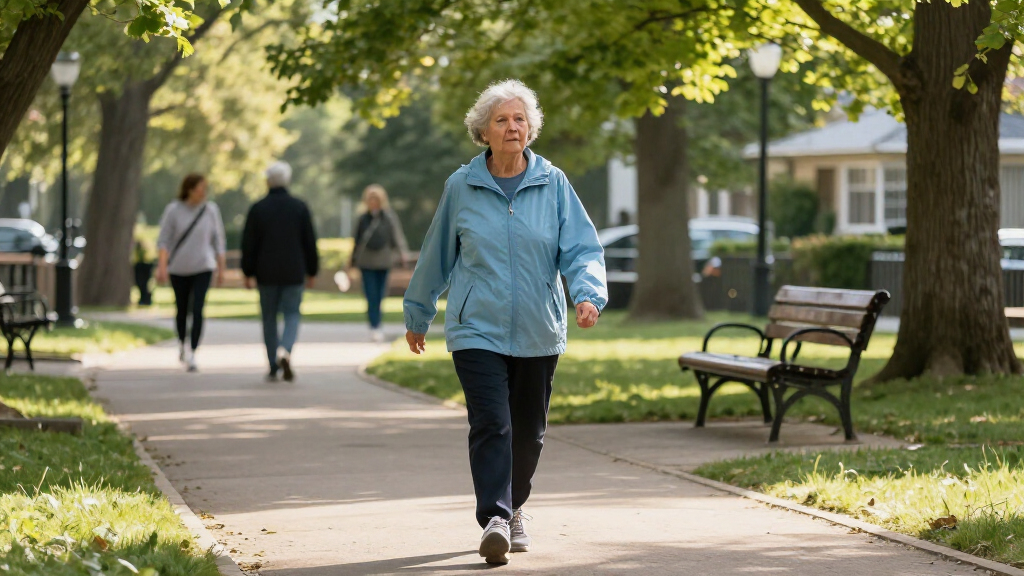
The guide recommends walking every day, with examples such as a 10-minute walk after breakfast or a stroll after dinner. It suggests building toward longer walks only if a person feels able. For strength, it proposes activities at home, including standing up from a chair, wall push-ups and bicep curls using soup cans, with a suggested frequency of two to three times a week.
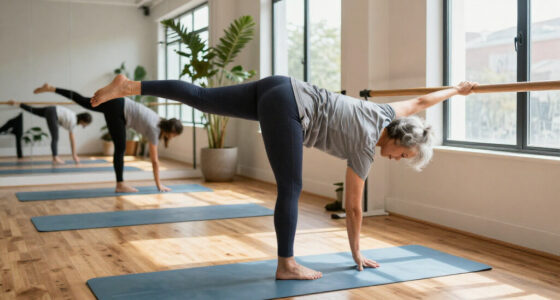
Other habits focus on balance and flexibility. The report suggests practicing a one-legged stand with a counter nearby for support, or walking heel-to-toe along a hallway. Morning stretches can include leg lifts, torso twists and bends; the guide says people can do them seated if standing is uncomfortable. It also recommends breaking up long periods of sitting by standing during television commercials or walking while on the phone.
The final two habits are consistency and recovery. The article encourages short, manageable activity on low-energy days rather than treating a missed or shortened workout as failure. It also advises taking easier days when soreness or fatigue calls for rest, and paying attention to hydration and sleep. These are recommendations from the publication, not individualized exercise prescriptions.
Building Movement Into Daily Tasks
The report’s focus is not on athletic performance but on movements that arise in everyday life: climbing stairs, standing from a chair, carrying groceries and reaching for a shelf. Practicing walking, strength and balance may help people work on the physical skills those tasks use. The article does not provide research results or quantify how much any habit changes mobility, so its suggestions should be understood as general guidance rather than a guarantee of easier daily activities.
Its emphasis on small steps may make activity feel more approachable for readers who do not want a complicated routine. Short bouts can fit into existing schedules, and the guide says to add habits gradually rather than attempt all seven at once. That approach also leaves room to adjust activities to individual comfort and ability.
Products Worth Considering

BowFlex Results Series SelectTech Dumbbells

Oral-B iO Series 3 Rechargeable Electric Toothbrush for Adults, Black, 3 Modes, 2 Brush Heads and Travel Case

Fitbit Sense 2 Health and Fitness Smartwatch, Shadow Grey/Graphite
As an affiliate, we earn on qualifying purchases.
Seven Habits, One Gradual Routine
The Sixty and Me article frames small difficulties in routine activities as a prompt to move more, rather than as evidence that someone is “falling behind.” Its seven suggestions cover walking, strength, balance, stretching, daily movement, consistency and rest. The examples are designed to be done at home or folded into ordinary activities, without requiring an expensive program or equipment beyond household items.
The guide advises readers to choose one habit first and practice it for a few weeks before adding another. It also says to change an exercise to suit personal needs, stop or reduce intensity if discomfort occurs, and keep a sturdy chair or counter within reach during balance exercises. The supplied source does not identify a medical organization or study supporting the recommendations.
“Aim for consistency, not perfection.”
— Sixty and Me report
Individual Safety and Results Vary
The report does not present clinical evidence, specific outcome data or a comparison of the seven habits. It therefore does not establish how much these activities improve strength, balance or day-to-day function, or which exercises are appropriate for a particular person. Benefits and safe activity levels can vary with health, mobility, medications and prior activity, and the article does not give individualized advice.
The guide says to stop or reduce an activity if discomfort occurs and to keep support nearby for balance exercises. It advises stopping and seeking medical attention for dizziness, lightheadedness, chest pain or shortness of breath. Readers with medical conditions, balance-affecting medication use or recent inactivity are advised to consult a doctor or physical therapist. Those safeguards do not replace professional assessment.
Start Small and Adjust Safely
The report’s suggested next step is to pick one manageable habit, such as a brief walk or a supported chair exercise, and practice it at a comfortable pace before adding another. Readers can modify movements or pause when their body signals that they need rest. Anyone uncertain about safety—particularly people with a medical condition or a recent period of inactivity—should seek advice from a qualified health professional before beginning.
The article does not announce a follow-up study or program. What happens next for each reader depends on their needs, comfort and response to activity; the source offers no timetable for results.
Key Questions
What are the seven fitness habits in the report?
Sixty and Me lists daily walking, easy strength training, balance practice, morning stretching, moving more throughout the day, consistency and rest.
How often does the article suggest strength training?
The guide suggests easy strength exercises two to three times per week, with examples including chair sit-to-stands, wall push-ups and curls using soup cans. The frequency is general guidance, not a personalized prescription.
Does the report say to begin all seven habits at once?
No. It recommends starting with one habit and adding another after the first feels established. It also says activities can be adjusted to suit the individual.
When should someone seek professional advice before exercising?
The article advises talking with a doctor or physical therapist if a person has a medical condition, takes medication that affects balance or has recently been inactive. It also says to stop and get medical attention for dizziness, lightheadedness, chest pain or shortness of breath.
Source: sixtyandme.com