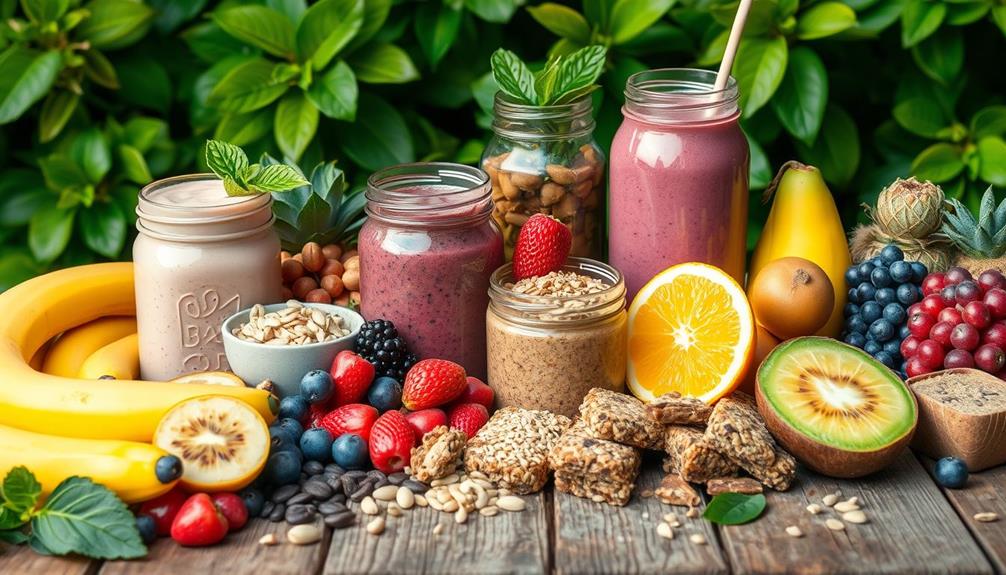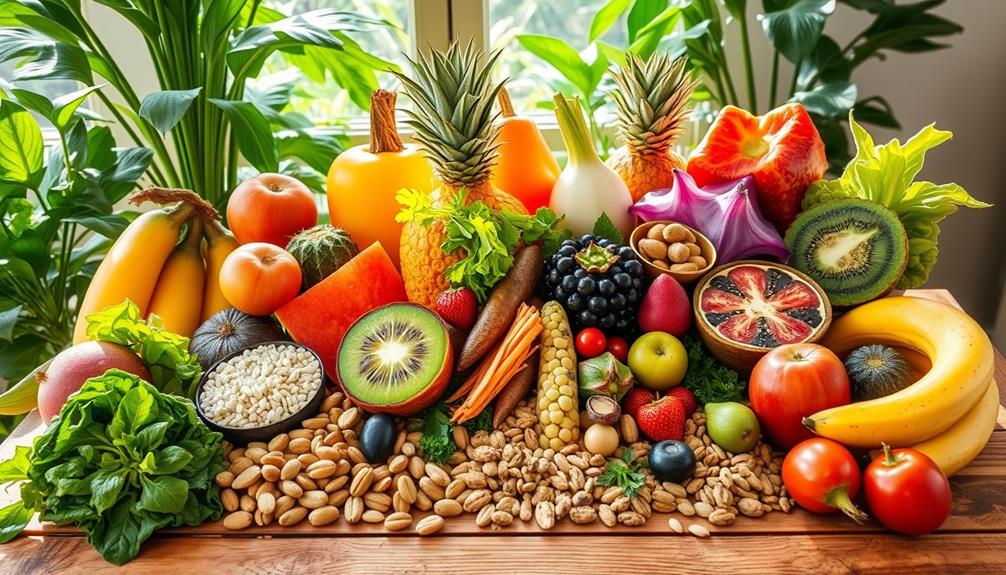
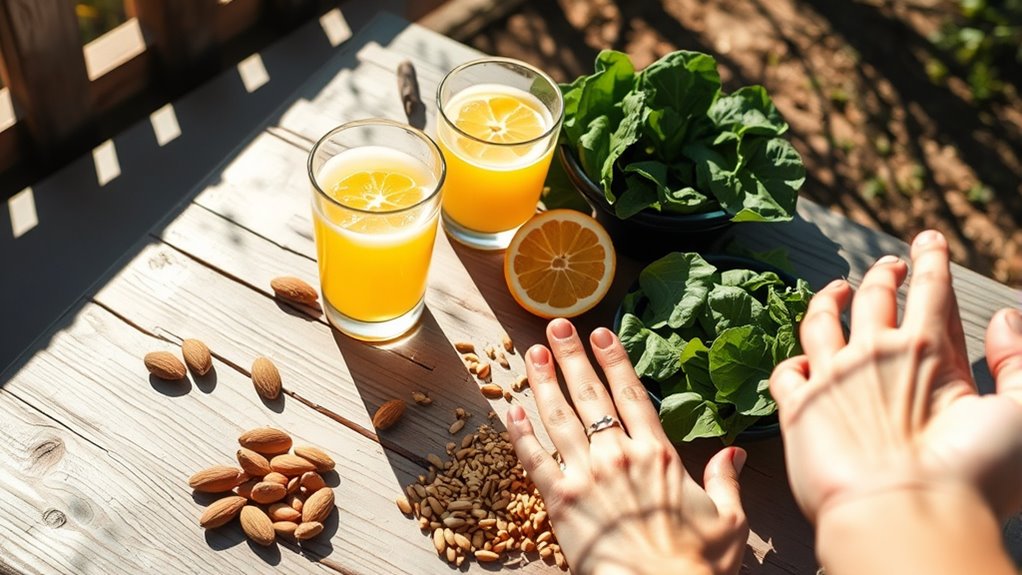
To support your bone health on a raw diet, focus on consuming mineral-rich foods like leafy greens, nuts, and seeds that supply calcium, magnesium, zinc, and boron. Spend time outdoors in sunlight during midday to boost vitamin D, which helps your body absorb minerals effectively. Incorporate weight-bearing movement to stimulate bone growth and strengthen your skeleton. Combining these steps creates a powerful mineral synergy for lifelong strength—continue exploring how to optimize your bone health naturally.
Key Takeaways
- Consuming raw, mineral-rich foods like leafy greens and nuts supplies essential calcium, magnesium, zinc, and boron for strong bones.
- Sunlight exposure boosts vitamin D production, enhancing calcium absorption and supporting bone mineralization.
- Regular weight-bearing movement stimulates bone formation and increases mineral density over time.
- Proper mineral synergy in raw foods optimizes absorption and strengthens skeletal structure.
- Combining a raw diet with active lifestyle habits promotes lifelong skeletal resilience and reduces fracture risk.

Maintaining strong bones is essential for overall health, and adopting a raw diet can play a significant role in achieving that goal. When you focus on raw foods, especially those rich in minerals, you support your bones’ structure and strength. One of the key minerals for bone health is calcium, but it’s not just about consuming enough calcium; it’s about how well your body can absorb and utilize it. Calcium absorption depends on various factors, including the presence of other nutrients that promote mineral synergy. For example, vitamin D is crucial because it enhances calcium absorption in your gut, ensuring that the mineral reaches your bones where it’s needed most. Eating raw foods like leafy greens, nuts, and seeds provides a natural source of calcium, but without proper vitamin D levels and other supporting nutrients, your body might not maximize calcium absorption. That’s why sunlight exposure becomes vital—it helps your skin produce vitamin D naturally, which then improves how your body handles calcium. When you spend time outdoors, especially during midday, your skin synthesizes vitamin D efficiently, creating a synergy between sunlight, calcium, and other minerals that strengthen your bones.
In addition to calcium and vitamin D, other minerals found in raw foods contribute to mineral synergy, making your bones stronger. Magnesium, for instance, works alongside calcium to facilitate proper bone mineralization. Without enough magnesium, your bones can become brittle, regardless of your calcium intake. Raw nuts, seeds, and green leafy vegetables are excellent sources of magnesium and other trace minerals like zinc and boron, which further support bone density. Consuming a variety of raw foods ensures that these minerals work together harmoniously, maximizing their positive effect on your skeletal health. Furthermore, studies show that adequate mineral intake significantly influences bone strength and reduces the risk of fractures. Consuming a variety of raw foods ensures that these minerals work together harmoniously, maximizing their positive effect on your skeletal health. Movement also plays a critical role, as weight-bearing exercises stimulate bone formation and increase mineral density. When you combine regular activity with a nutrient-dense raw diet rich in calcium, magnesium, and other minerals, you create a powerful synergy that promotes bone strength over time.
Ultimately, supporting your bones through raw foods, sunlight, and physical activity isn’t about just one element; it’s about how these factors work together to optimize mineral absorption and enhance overall bone health. By focusing on a balanced intake of raw, mineral-rich foods and ensuring adequate sunlight exposure, you set a solid foundation for lifelong skeletal strength. Your bones depend on this intricate harmony of nutrients and movement, which helps prevent deterioration and keeps you active and resilient well into the future.

Potent Garden Organic Superfood Greens, Fruit and Veggies Supplement Rich in Vitamins & Antioxidants with Alfalfa, Beet Root & Tart Cherry to Boost Energy, Immunity & Gut Health, Greens Tablets 60 Ct
Super Greens Capsules For Daily Nutrition Potent Garden Super Greens provides a concentrated blend of organic fruits and…
As an affiliate, we earn on qualifying purchases.
As an affiliate, we earn on qualifying purchases.
Frequently Asked Questions
How Does Hydration Impact Bone Health on a Raw Diet?
Hydration plays a vital role in maintaining your bone health on a raw diet by supporting electrolyte balance, which keeps your bones strong. You should focus on hydration timing, drinking water consistently throughout the day to prevent dehydration and mineral loss. Proper hydration ensures your body effectively absorbs minerals, enhances movement, and promotes overall bone strength, helping you stay healthy and energetic on your raw lifestyle.
Can Specific Raw Foods Prevent Osteoporosis?
Yes, eating raw foods rich in calcium, like leafy greens and nuts, can help prevent osteoporosis. However, phytate interference in some plant foods may hinder calcium absorption. To maximize benefits, include vitamin C-rich foods to enhance absorption and balance your diet with variety. Regular movement and sunlight also support bone strength, making raw foods a valuable part of your osteoporosis prevention strategy.
What Role Does Sleep Play in Maintaining Mineral Density?
Good sleep quality is essential for maintaining mineral density because it supports your circadian rhythms, which regulate bone repair and calcium balance. When you sleep well, your body efficiently produces hormones like growth hormone that promote bone regeneration. Poor sleep disrupts these rhythms, hindering mineral absorption and weakening bones over time. Prioritize consistent, restful sleep to help preserve your bone strength and overall health.
Are There Any Risks of Nutrient Deficiencies on a Raw Diet?
Imagine a delicate dance where nutrients compete for absorption—raw diets can sometimes cause deficiencies. You might struggle with calcium absorption if mineral competition occurs, leaving your bones vulnerable. Without careful planning, you risk missing crucial nutrients like magnesium and zinc, which are essential for bone strength. Stay mindful of variety and balance to prevent deficiencies, ensuring your raw diet supports your overall health and mineral needs.
How Does Stress Affect Bone Mineralization?
Stress increases your stress hormones, like cortisol, which can accelerate bone resorption, weakening your bones over time. When you’re stressed, your body prioritizes immediate survival, reducing mineral deposition in bones and impairing mineralization. Chronic stress disrupts this balance, leading to decreased bone density and higher fracture risk. Managing stress through relaxation, exercise, and proper nutrition helps support healthy bone mineralization and overall bone strength.
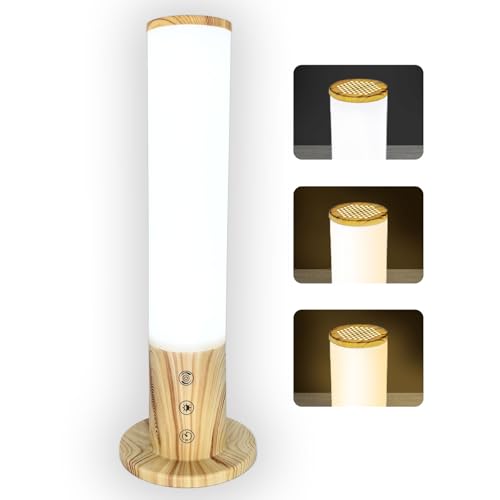
VUSIHOO Light Therapy Lamp 10,000 Lux Happy Sunlight Lamps UV-Free with 3 Color Temperatures, Adjustable Brightness,Timer & Memory Function, Sun Lamp, Full Spectrum Light for Home, Office
Our Light Therapy Lamp uses wood grain design, warm and artistic beauty, accompany you day and night, warm…
As an affiliate, we earn on qualifying purchases.
As an affiliate, we earn on qualifying purchases.
Conclusion
By focusing on raw foods rich in minerals, staying active, and soaking up sunlight, you can considerably boost your bone health. Did you know that just 15 minutes of sunlight can provide your body with enough vitamin D to support calcium absorption? Keep moving and eating nutrient-dense raw foods, and you’ll strengthen your bones naturally. Remember, small daily habits make a big difference in maintaining strong, healthy bones for years to come.

Weight bearing exercise for seniors with osteoporosis: The Essential Guide to Safe and Effective Strength Training for Osteoporosis Using Low-Impact Weight Bearing Workouts to Reduce Fracture Risk
As an affiliate, we earn on qualifying purchases.
As an affiliate, we earn on qualifying purchases.
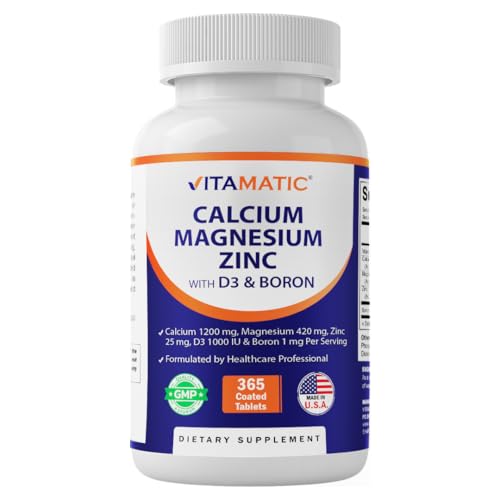
Vitamatic Calcium Magnesium Zinc D3 Boron | 365 Coated Tablets Supplement | Calcium 1200 mg, Magnesium 420mg, Zinc 25mg, Vitamin D3 1000 IU, Boron 1 mg | Non-GMO | Gluten Free | Made in USA
Premium Grade, Non-GMO, & Gluten Free
As an affiliate, we earn on qualifying purchases.
As an affiliate, we earn on qualifying purchases.