
Consuming whole or ground bones can be safe and beneficial if you guarantee proper sourcing and preparation. Always choose high-quality, organic bones from reputable sources to avoid contaminants. Proper cooking, such as simmering bones to make broth or using processed ground bones from trusted providers, reduces risks. When done correctly, these options support your skeletal health and nutrient intake. To learn more about safe practices and alternatives, keep exploring how bone health can boost your overall well-being.
Key Takeaways
- Whole bones and ground bone products can be safe when properly sourced, prepared, and cooked to eliminate pathogens.
- Bone broth is a safe way to extract nutrients from bones, provided it’s cooked thoroughly and stored properly.
- Ground bones or supplements should come from reputable sources to ensure safety and avoid contamination or overconsumption.
- Alternatives like plant-based calcium and vitamin D supplements offer safe options for those with dietary restrictions or safety concerns.
- Consulting healthcare professionals helps determine appropriate bone-supporting foods or supplements tailored to individual health needs.
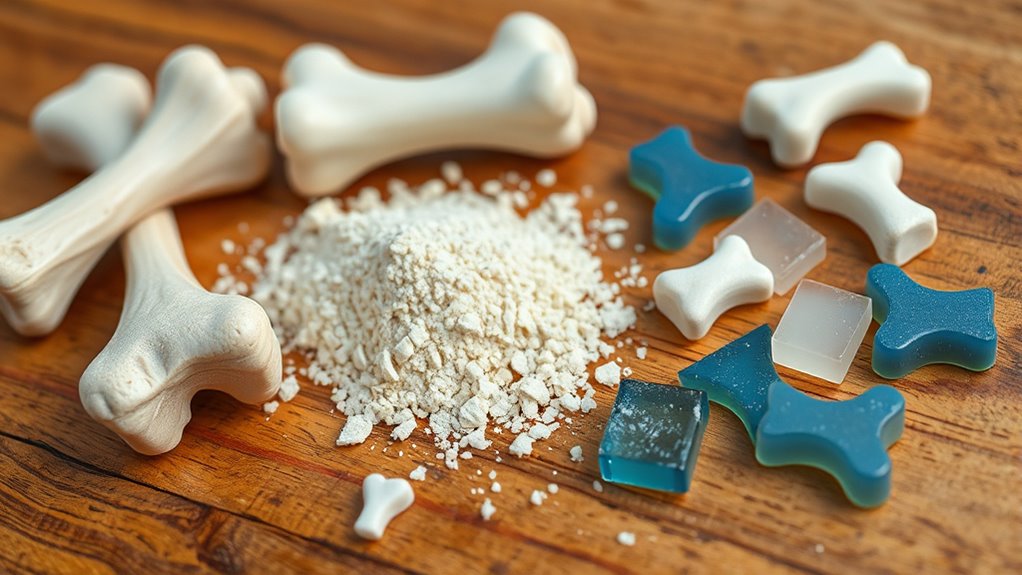
Are your bones strong enough to support your daily activities? Maintaining healthy bones is vital for mobility, strength, and overall well-being. One often overlooked aspect of bone health is the role that nutrition and diet play in keeping your bones in top shape. Proper intake of nutrients like calcium, vitamin D, and phosphorus directly influences bone density and resilience. When it comes to dietary choices, incorporating whole bones, ground bones, or suitable alternatives can make a significant difference. These options provide essential nutrients that your body needs to build and repair bone tissue. For example, bone broth made from simmered whole bones is rich in calcium, magnesium, and collagen, which support both skeletal strength and joint health. Ground bones, often processed into powders or supplements, offer a concentrated source of these nutrients, making it easier to meet daily nutritional requirements.
But beyond just nourishing your bones, there’s also a connection between bone health and dental health. Strong bones support your teeth and jaw, helping prevent dental issues like tooth loss and gum disease. Consuming bone-derived nutrients boosts the mineral content in your jawbones, which in turn supports healthy teeth. This highlights the importance of including bone-supporting foods in your diet, especially if you want to maintain good oral health as you age. Additionally, some individuals opt for bone alternatives—such as plant-based calcium sources like leafy greens, fortified foods, or supplements—to ensure they get enough nutrients without consuming animal products. These alternatives can be equally effective when chosen carefully, especially if they’re fortified with vitamin D to enhance absorption. Incorporating nutrient-dense foods like chia seeds, which are high in calcium and omega-3 fatty acids, can also support bone health.
Choosing the right form of bones or alternatives depends on your dietary preferences and health needs. Whole bones and ground bones tend to be more natural and contain a broad spectrum of nutrients, but they require proper preparation and sourcing to guarantee safety. Alternatives like supplements or plant-based options can be convenient and safe, especially for those with dietary restrictions or allergies. Regardless of your choice, it’s vital to consider the nutritional benefits and how they fit into your overall diet. Incorporating these nutrient-dense options can support your bone density, reduce the risk of fractures, and promote a healthier, more active life. Remember, maintaining strong bones isn’t just about avoiding osteoporosis; it’s about guaranteeing your body can support you through all your daily activities with strength and stability.

Homegroove Cat Exercise Wheel for Indoor Cats, 46" Large XL Cat Running Treadmill Wheel with Carpeted Runway for Kitty’s Longer Life, Natural Wood Color(XL)
Latest Cat Running Wheel: Most pet cats are overweight because they spend long hours indoors and lack exercise....
As an affiliate, we earn on qualifying purchases.
Frequently Asked Questions
Are There Specific Dog Breeds That Tolerate Bones Better?
Some dog breeds have better breed-specific bone tolerance, making them more suitable for chewing on bones. Larger breeds like Labrador Retrievers and German Shepherds generally tolerate bones better due to their strong jaws and larger mouths. However, breed-related dental health varies, so always supervise your dog to prevent choking or dental damage. Consulting your vet helps determine the safest options for your specific breed and individual dog’s needs.
How Often Should I Give My Dog Bones?
You should give your dog bones sparingly, no more than once or twice a week, to prevent digestion issues. Bone digestion can be tricky, so always monitor your dog during chewing. Bones offer nutritional benefits like calcium and cartilage, but overfeeding can cause health problems. Stick to safe, appropriate sizes and types, and consult your vet for personalized advice. Moderation ensures your dog enjoys the benefits without risks.
Can Bones Cause Allergies or Sensitivities in Dogs?
You might be surprised, but bones can indeed cause allergies or sensitivities in dogs. While bone digestion is usually safe, some dogs may have an allergen risk to certain proteins found in bones, leading to itching, swelling, or digestive issues. If your dog shows signs of allergies, it’s wise to observe their response to bones and consult your vet. Always introduce bones gradually to minimize potential sensitivities.
What Signs Indicate a Bone-Related Health Issue?
If your dog shows signs like limping, swelling, or pain, they might have a bone-related health issue. Watch for symptoms of a bone fracture, such as difficulty walking or sensitivity to touch. Dental damage can cause bleeding, bad breath, or trouble eating. If you notice any of these signs, consult your vet promptly to prevent further injury or complications.
Are There Safe Alternatives for Dogs With Dental Problems?
Yes, there are safe alternatives for dogs with dental problems. You can offer specially designed dental chews that promote dental health and are easy to digest. Soft rubber toys and frozen treats also help maintain bone digestion without risking damage to sensitive teeth. Always choose options made specifically for dogs, and consult your vet to guarantee these alternatives support your dog’s dental health effectively.

Naviconvex Cat Wheel, 48" XL Large Cat Treadmill for Indoor Pets, Cats Exercise Running Wheel with Detachable Carpet, Quiet and Sturdy, Suitable for Most Cats Running/Walking/Training
XL Cat Exercise Wheel for Indoor Cats: Designed for indoor cats that need more activity, this XL cat...
As an affiliate, we earn on qualifying purchases.
Conclusion
Remember, just like the wise owl guards its secrets, your choices in bones—whole, ground, or alternatives—shape your pet’s health. While the legend of the sturdy knight reminds us of strength, moderation ensures safety. Whether you opt for natural or alternative sources, stay vigilant and informed. By doing so, you protect your furry companion’s future, proving that true wisdom lies in knowing when to hold, when to ground, and when to seek safer options.

One Fast Cat - Cat Exercise Wheel - Gen. 7 - Safe 48" Diameter - Made in The USA - Black Wheel with Black Felt Traction Pads and Solid Inline Wheels
SAFE INDOOR EXERCISE - Helps prevent boredom and destructive anxiety behaviors by giving indoor cats an outlet to...
As an affiliate, we earn on qualifying purchases.

Nordic Beast 48'' XL Cat Wheel – Safe, Quiet & Stable Exercise Wheel for Large Indoor Cats up to 45 lbs – 15.7'' Extra-Wide Surface Fits 2 Cats Side by Side & Prevents Wobbling, 1-Year Warranty
📏 XL Cat Wheel for Large Breeds up to 45 lbs – Engineered for big cats, the 48''...
As an affiliate, we earn on qualifying purchases.