
To safely try cold plunging, immerse yourself in water between 50°F and 59°F for 1 to 3 minutes, gradually increasing as you build tolerance. If you have heart issues, circulatory problems, or immune concerns, it’s best to avoid or consult a doctor before starting. Proper preparation and monitoring are essential. Keep exploring to learn more about how to maximize benefits and stay safe during your cold plunge experience.
Key Takeaways
- Cold water temperatures should be between 50°F and 59°F (10°C–15°C) for safe plunging.
- Beginners should start with 1–3 minutes, gradually increasing up to 10 minutes with experience.
- Individuals with heart conditions, circulatory issues, or immune compromise should avoid cold plunges or consult a doctor first.
- Pregnant women and those with respiratory problems should seek medical advice before trying cold plunging.
- Proper preparation includes gradual acclimation, controlled breathing, and immediate exit if discomfort occurs.
What Is Cold Plunging and How Does It Work?
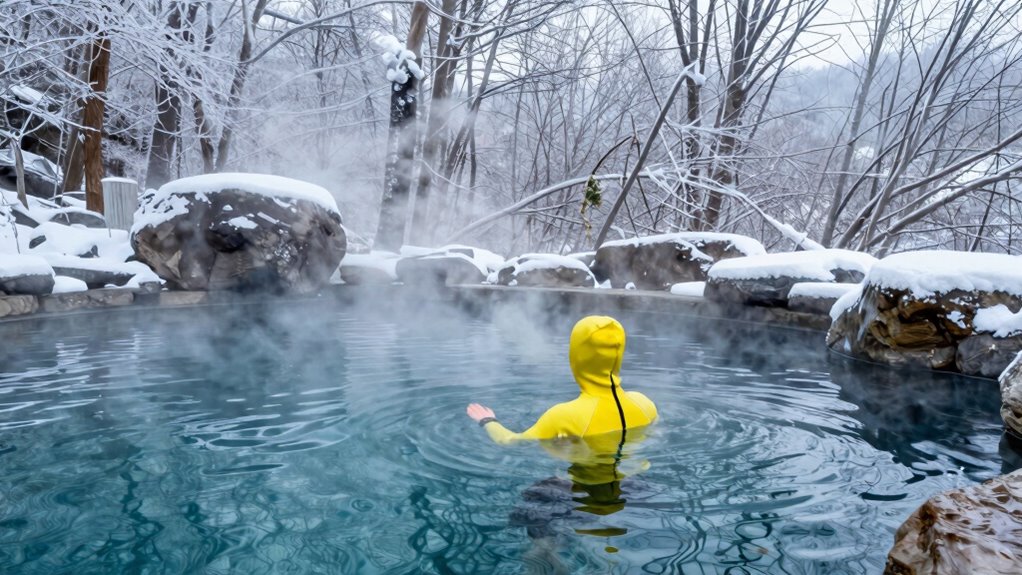
Cold plunging involves immersing your body in cold water, typically between 50°F and 59°F (10°C to 15°C), for a short period. When you plunge in, you’ll experience a cold shock response that activates your nervous system, increasing alertness and heart rate. This immediate reaction helps trigger your body’s thermal regulation processes, forcing it to adapt quickly to the cold. As your body adjusts, blood vessels constrict to conserve heat, and your circulation directs blood to vital organs. This rapid response not only boosts circulation but can also promote recovery and reduce inflammation. Cold plunging works by challenging your body’s natural ability to maintain core temperature, encouraging resilience and potentially enhancing mental clarity and physical performance. Understanding thermal regulation mechanisms can help you enjoy cold plunging responsibly and safely. Additionally, proper knowledge about temperature thresholds is essential to safely adapt to cold exposure and prevent adverse effects.
What Are the Safe Cold Plunge Temperatures and Duration Guidelines?
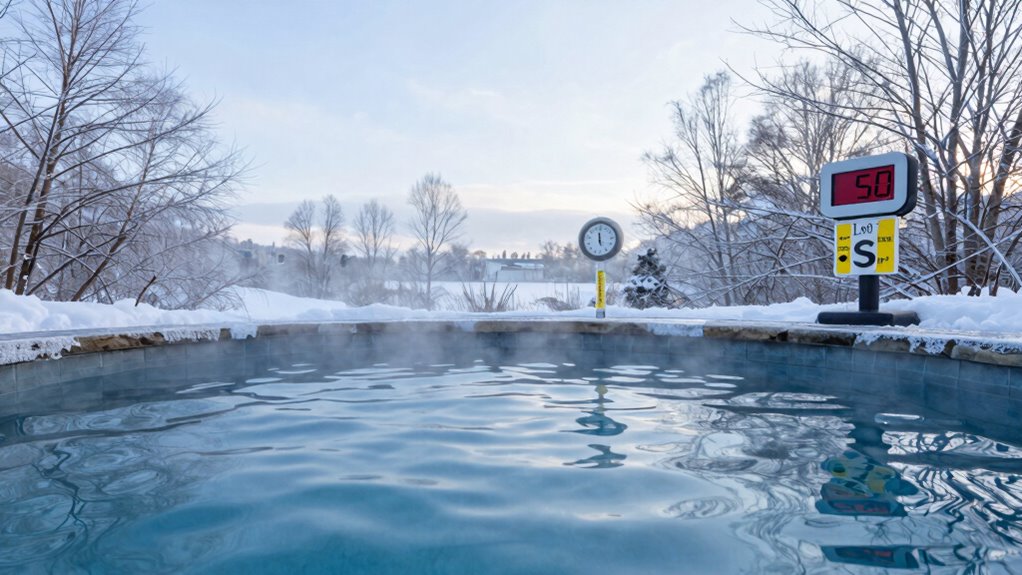
Maintaining safe temperatures and durations is essential to enjoying cold plunges without risking harm. For safe cold exposure, aim for water temperatures between 50°F (10°C) and 59°F (15°C). Temperatures below 50°F considerably increase the risk of hypothermia and frostbite, especially if prolonged. As for duration, beginners should start with 1 to 3 minutes, gradually increasing as tolerated, but generally, staying in for no more than 10 minutes is advisable. Respect the safety thresholds; exceeding these limits can lead to adverse health effects. Always listen to your body, and if you feel numbness, dizziness, or extreme discomfort, exit the plunge immediately. Properly monitoring temperature and time helps you enjoy the benefits of cold exposure safely. Additionally, understanding cold exposure guidelines can help you tailor your experience for optimal safety and benefits. Being aware of hypothermia symptoms can also aid in recognizing early signs of cold-related health issues.
Who Should Avoid Cold Plunges and What Precautions Are Needed?

People with certain health conditions should avoid cold plunges or consult their healthcare provider beforehand. If you have heart conditions or immune compromise, cold water immersion can pose risks like shock or irregular heartbeat. Always check with a doctor if you’re unsure. Engaging in Free Floating techniques without proper guidance may increase risks for some individuals. Additionally, understanding the Hydrotherapy benefits and precautions can help prevent adverse effects. Here’s a quick guide:
| Condition | Precaution |
|---|---|
| Heart conditions | Avoid or seek medical advice |
| Immune compromise | Consult your healthcare provider |
| Circulatory issues | Proceed with caution |
| Respiratory problems | Be cautious and monitor breathing |
| Pregnancy | Consult your doctor |
If you belong to any of these groups, it’s best to skip cold plunges or get professional clearance. Prioritize safety to enjoy the benefits without unnecessary risks.
How Can You Prepare Safely for Your First Cold Plunge?

To prepare safely for your first cold plunge, start by gradually acclimating your body to lower temperatures. This helps prevent shock and builds mental focus. Practice breath control to stay calm and steady during immersion. Before entering, do some light stretching to loosen muscles. Focus on your mental state—visualize a calm, confident mindset to ease anxiety. Consider starting with a short duration and increasing it slowly over time. Keep these tips in mind:
Start slowly, breathe deeply, and stay focused for a safe, confident cold plunge experience.
- Practice deep, controlled breathing exercises
- Warm up your body beforehand
- Stay mentally focused on your breathing
- Enter the water slowly to avoid shock
- Have a plan to exit immediately if needed
- Gradual acclimation is essential in reducing the risk of cold shock and ensuring a safer experience. Additionally, understanding the benefits and risks of cold exposure can help you approach your first plunge with informed confidence. Being aware of proper safety measures is crucial for a safe and enjoyable cold plunge experience. Incorporating connected fitness technology can also enhance your readiness and monitor your response during cold exposure. Research shows that cold exposure protocols can optimize safety and effectiveness during your practice.
How to Adjust Temperature and Duration Based on Your Goals
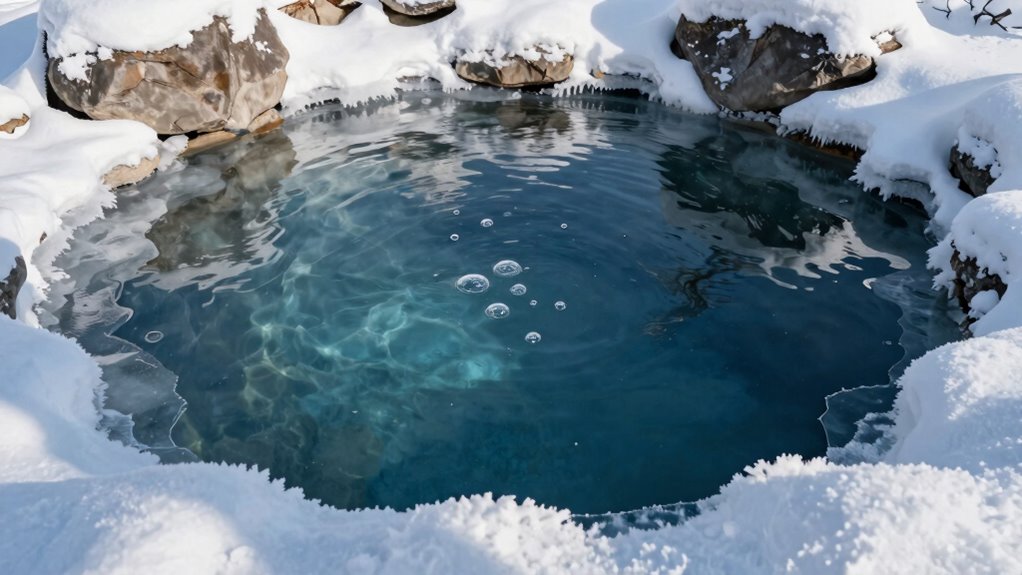
Your cold plunge should be tailored to your specific goals, whether that’s recovery, mental clarity, or building tolerance. Adjusting temperature and duration is key to effective session customization. Use temperature monitoring to set your target range: colder for tolerance building, slightly warmer for recovery. Shorter sessions, around 1-3 minutes, work best initially, while experienced individuals can extend to 5-10 minutes. Here’s a quick guide:
| Goal | Temp Range | Duration |
|---|---|---|
| Recovery | 50-59°F (10-15°C) | 3-5 minutes |
| Tolerance Building | 40-50°F (4-10°C) | Up to 10 minutes |
| Mental Clarity | 55-59°F (13-15°C) | 2-4 minutes |
Monitoring temp and adjusting as you progress ensures safe, effective cold plunge sessions. Regularly tracking temperature helps you optimize your experience and avoid risks. Incorporating safe practices and listening to your body are essential for a positive cold plunge experience. Understanding temperature regulation can further enhance your control and safety during each session. Being aware of indoor air quality can also contribute to creating a comfortable environment before and after your cold plunge. Additionally, maintaining proper environmental conditions can enhance the benefits and comfort of your cold plunge routine.
Frequently Asked Questions
Can Cold Plunging Help With Mental Health Issues?
Cold plunging can help improve your mental health by boosting your mood and reducing stress. The mental health benefits include enhanced emotional resilience, making it easier to handle daily challenges. When you immerse yourself in cold water regularly, you may experience increased alertness and a sense of accomplishment. However, listen to your body and consult a professional if you have underlying health concerns to guarantee it’s a safe practice for you.
Are There Any Long-Term Benefits of Regular Cold Plunging?
Imagine stepping into icy water, feeling a rush that sparks your immune boost and sharpens your skin health over time. Regular cold plunging can offer long-term benefits like improved circulation, reduced inflammation, and enhanced resilience against stress. As you consistently embrace the cold, your body adapts, strengthening your immune system and promoting healthier skin, turning a chilly ritual into a powerful tool for lasting wellness.
How Does Cold Plunging Affect People With Cardiovascular Conditions?
If you have cardiovascular conditions, cold plunging may increase your cardiovascular risks. The cold causes blood pressure effects, which can strain your heart and blood vessels. You might experience sudden spikes in blood pressure or irregular heart rhythms. It’s vital to consult your healthcare provider before trying cold plunges, especially if you have existing heart issues, to make sure it’s safe and won’t worsen your condition.
What Are Common Mistakes Beginners Make During Cold Plunges?
Like a traveler rushing into uncharted waters, beginners often make the mistake of skipping proper preparation and diving in without caution. Avoid rushing techniques to prevent shock, and always listen to your body. Many overlook gradual immersion, risking cold shock or hyperventilation. Focus on controlled breathing and steady entry, respecting your limits. By doing so, you safeguard your health and turn cold plunging into a safe, invigorating journey rather than a reckless leap.
Is Cold Plunging Safe During Pregnancy or Breastfeeding?
Cold plunging isn’t recommended during pregnancy or breastfeeding due to pregnancy safety and breastfeeding concerns. You should consult your healthcare provider before trying cold therapy, as extreme cold can affect circulation and body temperature, which might be risky during these periods. It’s better to prioritize safety and explore alternative methods to support your health, ensuring you and your baby stay safe and comfortable.
Conclusion
Cold plunging can boost recovery and mental clarity, but safety is key. Remember, over 70% of cold plunge enthusiasts report feeling more energized afterward, yet it’s essential to listen to your body. If you’re new or have health concerns, skip it or consult a doctor first. By starting slow and respecting your limits, you’ll enjoy the benefits safely—and maybe even discover that chilled water becomes your new go-to for wellness.