
TL;DR

Get health and wellness essentials delivered free with Prime
- Fast, free delivery on millions of items
- Prime Video, Amazon Music and more included
- Member-only deals all year
In a cluster randomized trial at a New Haven federally qualified health center, conversation cards for adults with type 2 diabetes were linked to higher clinician satisfaction. At six months, the study found no significant group differences in illness intrusiveness, HbA1c, treatment burden or diabetes distress, although medication adherence and some medication adjustments were higher in the intervention group.
A cluster randomized trial found that conversation cards used during routine primary care visits improved clinicians’ reported satisfaction with those visits, but did not significantly improve several measured outcomes for adults with type 2 diabetes at six months. The findings suggest that helping patients raise concerns may make appointments feel more productive without, on its own, resolving the practical barriers affecting diabetes care.
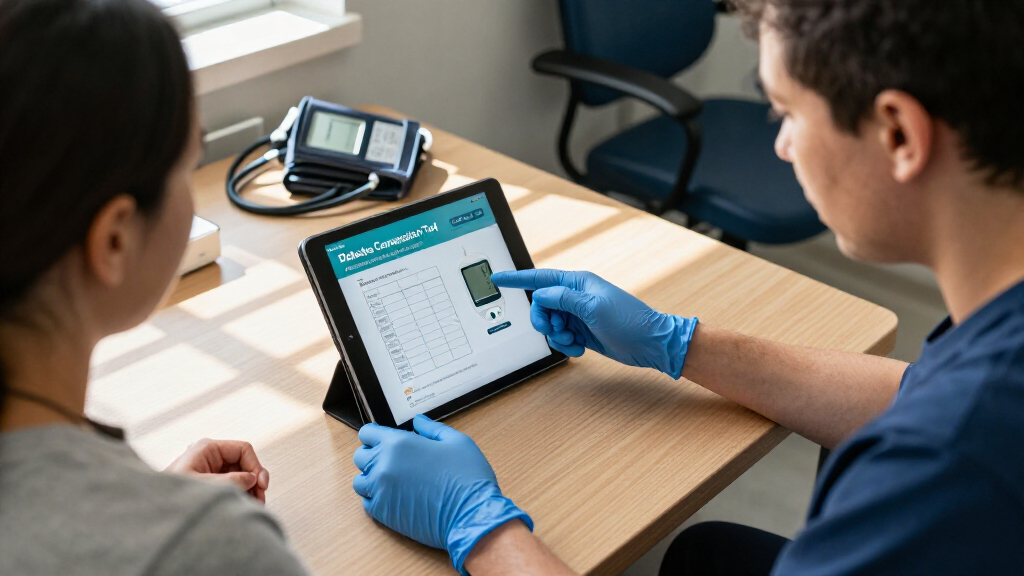
The cards were part of an agenda-setting kit with 14 prompts about living with diabetes and its treatment. Before an appointment, patients selected up to three topics they wanted to discuss; clinicians were asked to review and respond to the selected cards before continuing with the visit as usual. The researchers described the intervention as a brief aid to conversations, not a full diabetes self-management program.
At six months, mean Illness Intrusiveness Ratings Scale scores were 32.1 in the intervention group and 37.1 in the usual-care group. The scale ranges from 13 to 91, with higher scores indicating greater disruption to daily life. Mean HbA1c was 8.8% in the intervention group and 9.1% in the control group; the report said these and the intrusiveness results did not show a significant group difference. Treatment burden and diabetes distress scores also did not differ significantly.
Clinicians’ assessments did differ: 62.2% of intervention clinicians strongly agreed they were satisfied with how the visit went, compared with 19.1% in the control group. The corresponding figures for confidence in responding to patient concerns were 59.5% and 30.9%. Patient satisfaction was already high overall and did not vary between groups, according to the report.
Conversation Gains Without Clear Clinical Change
The results distinguish a better-received clinical conversation from measurable changes in patients’ health or treatment experience. The cards may help clinicians learn what patients want to address, but the trial did not show significant improvement in HbA1c, illness intrusiveness, treatment burden or diabetes distress over six months.
Some medication-related measures moved in the intervention group. Medication adherence, measured by proportion of days covered, was 77.2% versus 64.6% in usual care, and post-visit adjustments to existing medications were reported for 33.8% versus 23.2%. The report described adherence as significantly higher, but these findings do not establish that the cards caused improved long-term health; the measured clinical outcomes did not show a significant group difference.
For health systems, the practical question is whether staff can pair better identification of patient concerns with resources to address them. Concerns about medication costs, food access, transport, work schedules or caregiving may require support beyond what can be provided in a short appointment.
As an affiliate, we earn on qualifying purchases.
A Brief Tool Tested in New Haven
The QBSafe cluster trial randomized clinicians, rather than individual patients, in a 1:1 ratio to the card intervention or usual primary care. It ran from February 2023 through July 2024 at a federally qualified health center in New Haven, Connecticut. Participating clinicians included physicians, nurse practitioners and physician assistants who prescribed diabetes medication.
Participants had type 2 diabetes and baseline HbA1c above 8%, with a reported average of 10%. The study population included many patients facing social and economic risks: 91.3% reported household income below 150% of the federal poverty level, and 61.5% said Spanish was their primary language. The average age was 56.2 years; 60.8% were women and 72.7% were Hispanic or Latino. These details matter when interpreting how the findings may apply in other settings.
In an accompanying commentary, Megha K. Shah and Ambar Kulshreshtha of Emory University’s School of Medicine praised the intervention’s focus on whether treatment fits a patient’s daily life. They also noted that the cards did not increase appointment length, while warning that recognizing a problem does not automatically provide the means to solve it.
“The intervention “may serve as a low-burden, scalable tool for supporting person-centered conversations, even if their impact on specific outcomes may be modest without further supports or tools for clinicians to help them respond to patient concerns.””
— Kasia Lipska and colleagues, the trial authors
How Durable Are the Patient Effects?
The report does not establish whether the higher medication adherence and greater frequency of medication adjustments will lead to lasting improvements in HbA1c or other health outcomes. Nor does it show which specific concerns patients selected, how consistently clinicians acted on each one, or what additional supports would be needed to address them. The results come from one health center, so their reach to other patient populations and care settings is also uncertain.
At six months, the reported differences in illness intrusiveness, HbA1c, treatment burden and diabetes distress were not statistically significant. That does not prove the card approach has no possible patient benefit; it means this trial did not demonstrate significant differences on those measures within the reported follow-up.
Connecting Priorities to Practical Support
The trial authors and accompanying commentators point toward testing ways to connect concerns raised during appointments with clinical and community resources. The available report does not specify a next trial, implementation plan or timetable. Further research would need to determine whether additional clinician tools or support services can turn more focused conversations and medication follow-up into sustained changes in patient-reported and clinical outcomes.
Key Questions
What did the diabetes conversation cards do?
The kit contained 14 cards about life with diabetes and its treatment. Patients selected up to three concerns, barriers or successes to prioritize, and clinicians were asked to address those cards before continuing the appointment as usual.
Did the cards lower HbA1c?
The trial report found mean six-month HbA1c levels of 8.8% in the intervention group and 9.1% in usual care, with no significant difference reported between groups.
What improved in the intervention group?
Clinicians reported greater visit satisfaction and confidence responding to concerns. The report also found higher medication adherence, measured by proportion of days covered, and more post-visit adjustments to existing medications in the intervention group.
Why did better conversations not produce clear changes in other outcomes?
The trial did not establish why the measured patient outcomes failed to differ significantly. The accompanying commentary argued that identifying concerns may not be enough when clinicians lack the resources or infrastructure to address issues such as medication costs, food insecurity or transport.
Where and when was the trial conducted?
The QBSafe cluster trial ran from February 2023 to July 2024 at a federally qualified health center in New Haven, Connecticut. Its results were reported in October 2026.
Source: rss
Halloween Picks
halloween
As an affiliate, we earn on qualifying purchases.