
Freezer rotation is crucial in raw feeding because it keeps your pet’s food fresh, safe, and nutritious. By organizing packages so older ones are used first, you reduce waste and prevent spoilage. Proper rotation also prevents freezer burn and maintains quality by avoiding temperature fluctuations. Using airtight packaging and monitoring freezer conditions further protects the food’s flavor and nutrients. Keep this up, and you’ll better understand how to keep your pet’s diet safe and ideal over time.

Get health and wellness essentials delivered free with Prime
- Fast, free delivery on millions of items
- Prime Video, Amazon Music and more included
- Member-only deals all year
Key Takeaways
- Prevents spoilage and maintains nutritional quality by ensuring older food is used first.
- Reduces waste by avoiding food sitting too long in the freezer.
- Preserves flavor and texture through consistent rotation and proper packaging.
- Enhances food safety by minimizing bacterial growth and freezer burn risks.
- Supports overall freezer efficiency and food safety by maintaining proper organization.
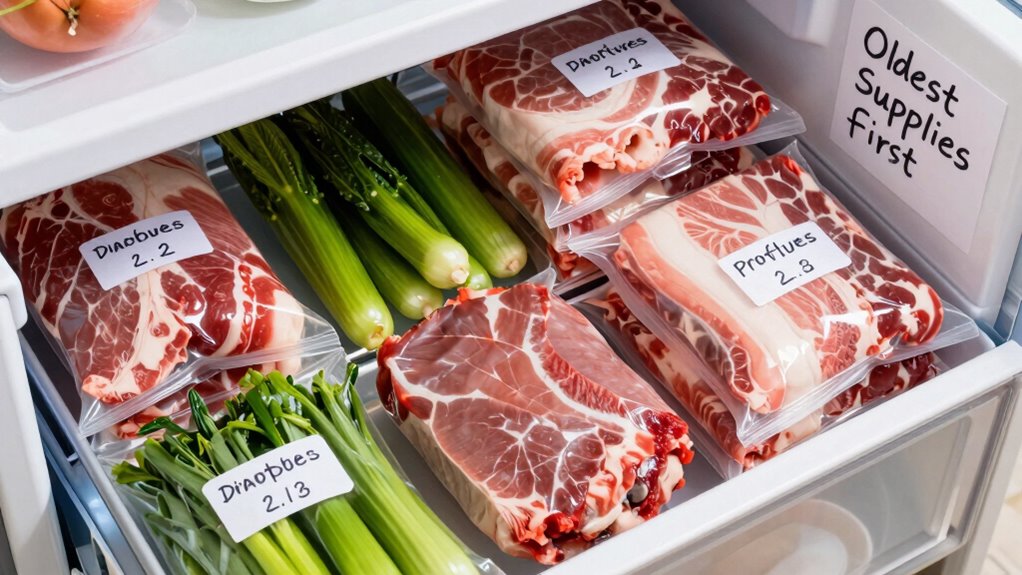
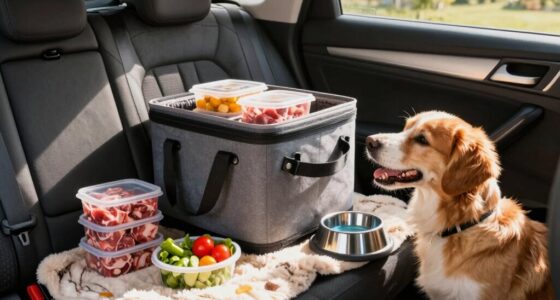
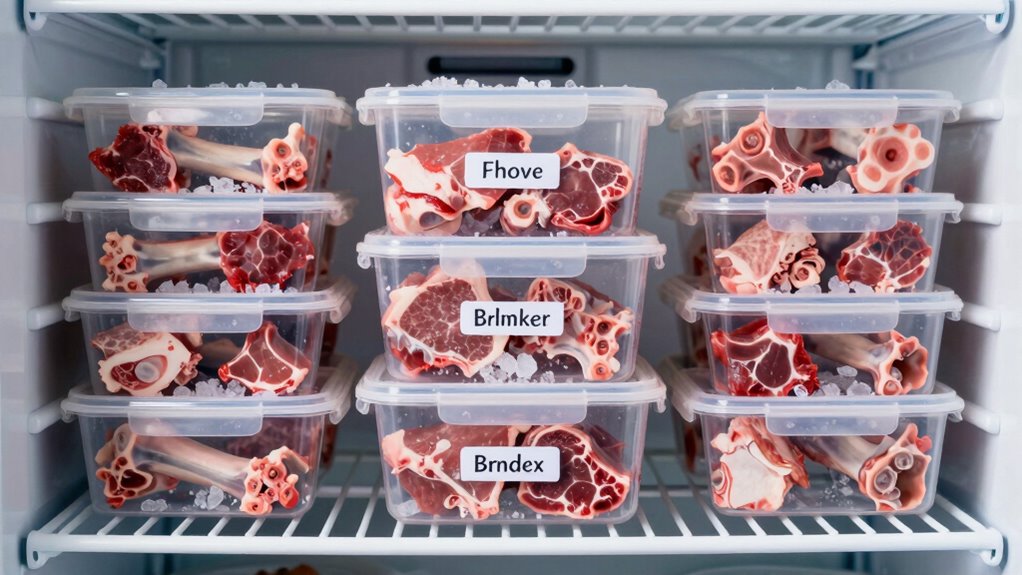
Have you ever wondered how to keep your raw pet food fresh and safe? The key lies in understanding freezer rotation, which guarantees that your pet’s food remains nutritious and free from spoilage. Proper freezer rotation involves a combination of good packaging techniques and diligent temperature control. When you use effective packaging techniques, you’re protecting the food from exposure to air, moisture, and other contaminants that can accelerate spoilage. Vacuum sealing or airtight containers are excellent choices because they minimize oxygen contact, slowing down bacterial growth and preventing freezer burn. Labeling packages with dates is also essential, so you know exactly when the food was frozen, helping you prioritize older packages first.
Proper packaging and labeling keep your pet’s raw food fresh and safe from spoilage.
Temperature control is equally critical in maintaining the quality of your raw pet food. Your freezer should be set at a consistent temperature of 0°F (-18°C) or lower. Fluctuations in temperature can cause thawing and refreezing cycles, which compromise the food’s safety and texture. When food repeatedly thaws and refreezes, it creates an environment conducive to bacterial growth, increasing the risk of contamination. To avoid this, avoid opening the freezer unnecessarily and try to keep it stocked with enough food to minimize temperature swings. If your freezer has a thermometer, monitor it regularly to guarantee it stays at the ideal temperature. Additionally, understanding freezer efficiency can help you optimize energy use and food preservation. Maintaining proper freezer air circulation can also help sustain a consistent temperature and improve overall efficiency. Regular defrosting can further enhance freezer performance and prevent frost buildup, which can impair temperature regulation. Furthermore, being aware of freezer organization techniques can assist you in managing your stock more effectively and maintaining optimal conditions for preservation.
Freezer rotation is all about using your stock efficiently. Placing newly frozen packages behind older ones ensures that you’re using the oldest supplies first, reducing waste and preventing food from sitting too long. This practice also helps you keep track of how long your food has been stored, enabling you to discard anything that’s been frozen beyond the recommended timeframe, typically around six to twelve months depending on the type of meat. Consistent rotation also helps to maintain the overall quality of your pet’s diet, as fresher food retains more nutrients and flavor.
In the end, the main goal is to keep your pet’s raw food as fresh and safe as possible. By paying close attention to packaging techniques and temperature control, you guarantee that your freezer rotation is effective. This not only preserves the nutritional value of the food but also protects your pet from potential health hazards. Staying disciplined with these practices means you’re giving your pet the best, safest diet you can, while also reducing waste and saving money in the long run.
vacuum sealed pet food storage bags
As an affiliate, we earn on qualifying purchases.
As an affiliate, we earn on qualifying purchases.
Frequently Asked Questions
How Often Should I Rotate My Freezer Stock?
You should rotate your freezer stock every 1 to 3 months to guarantee freshness and safety. When meal prepping, label packages with dates and use the oldest first. Follow storage tips like keeping the freezer at a consistent temperature and organizing contents to easily see what needs to be used. Regular rotation helps prevent spoilage, maintains nutrient quality, and keeps your pet’s diet balanced and safe.
Can Improper Rotation Lead to Nutritional Deficiencies?
If you neglect proper freezer rotation, you risk causing serious nutrient degradation and exposing your pet to spoiled meat, which can lead to nutritional deficiencies. Spoiled meat loses crucial nutrients, and feeding it could harm your pet’s health. By rotating your stock diligently, you preserve the nutritional integrity of each batch, ensuring your pet gets all the essential nutrients and stays healthy and happy. Don’t let bad meat sabotage their well-being!
What Signs Indicate My Freezer Is Not Rotating Properly?
You’ll notice signs like freezer burn, ice crystals, or spoiled smells, which indicate improper freezer rotation. Regular freezer maintenance helps prevent these issues, ensuring your food stays fresh and safe. If you see older packages pushed to the back or newer ones at the front, it’s a sign you need to improve your rotation schedule. Proper rotation is essential for food safety and maintaining nutritional quality in your raw feeding routine.
Does Freezer Rotation Affect the Freshness of Raw Meat?
Absolutely, freezer rotation keeps your meat fresh and prevents spoilage. By practicing a proper storage hierarchy, you guarantee older meat gets used first, minimizing meat spoilage risks. If you ignore rotation, your raw meat might become a science experiment—less fresh, more questionable. So yes, consistently rotating your freezer stock preserves quality, saves money, and keeps your pet’s diet safe and tasty. Don’t let chaos reign in your freezer!
How Can I Organize My Freezer for Optimal Rotation?
You can organize your freezer for ideal rotation by using clear storage containers to separate different meat types and sizes. Apply labeling techniques with dates and contents to track freshness easily. Place the newest items behind older ones, so you use the older meat first. Regularly check and adjust your stock, ensuring everything stays fresh and well-organized, making your raw feeding routine more efficient and less wasteful.
Conclusion
Remember, a well-organized freezer keeps your pup’s meals fresh and safe. By rotating your frozen raw food, you prevent spoilage and guarantee your furry friend always gets the best nutrition. It’s like the saying goes, “A stitch in time saves nine”—staying ahead with freezer rotation saves you trouble down the line. Keep it simple, stay consistent, and your dog will thank you with happy, healthy bites every time.
Evergreen bestsellers Picks
bestsellers
As an affiliate, we earn on qualifying purchases.