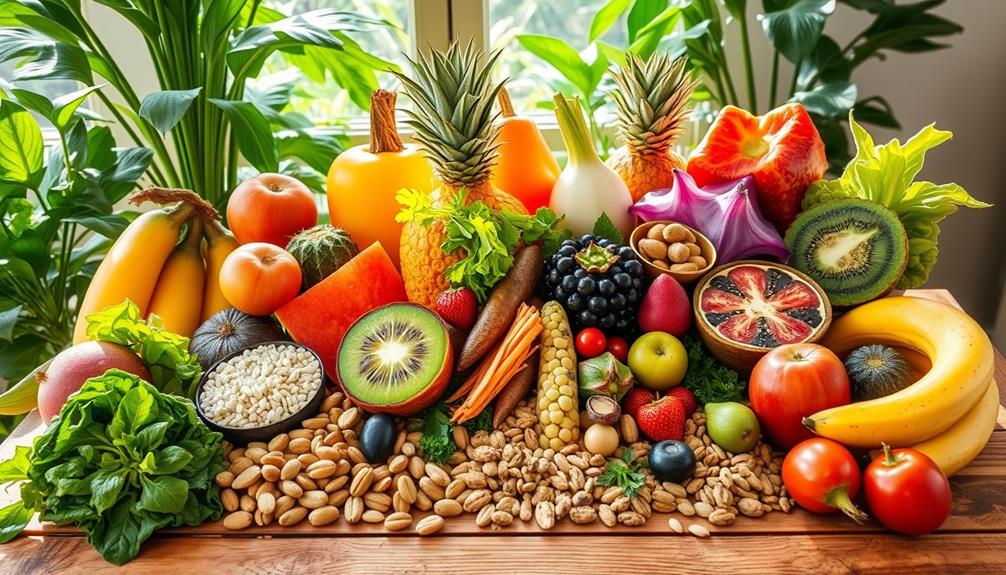
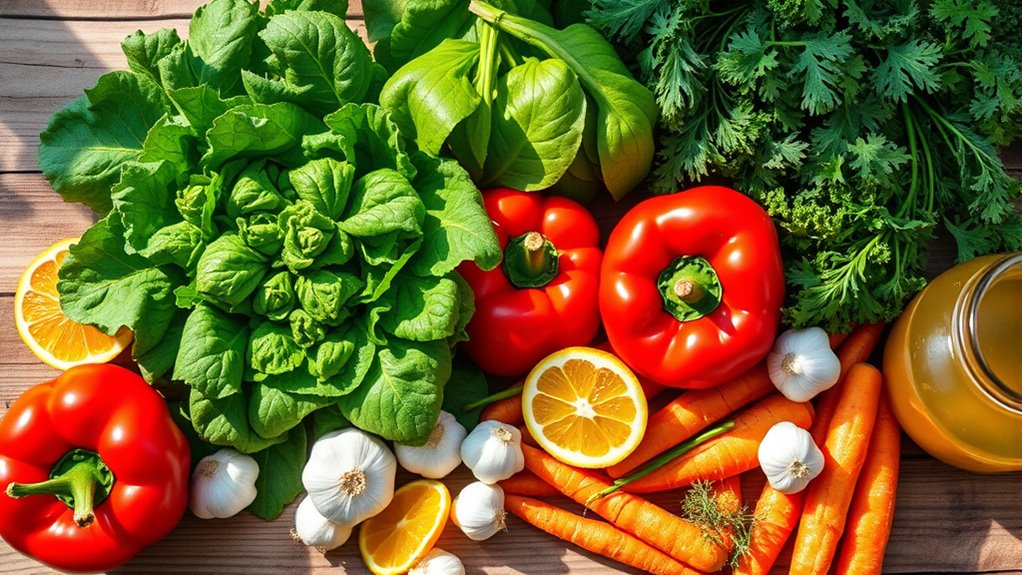

To support your immune system with whole foods, focus on eating a variety of nutrient-rich fruits and vegetables that provide vitamins, antioxidants, and essential nutrients. Stay well-hydrated and include herbs like garlic, ginger, and turmeric for their anti-inflammatory benefits. Maintain a balanced diet, get enough sleep, manage stress, and avoid harmful habits like smoking and excess alcohol. Keep following this path to discover more simple steps to strengthen your defenses naturally.
Key Takeaways
- Incorporate a diverse range of fruits and vegetables to provide essential vitamins, antioxidants, and nutrients that support immune health.
- Stay well-hydrated with water and herbal teas to facilitate immune cell function and toxin elimination.
- Include immune-boosting herbs like garlic, ginger, and turmeric in your meals for their anti-inflammatory and antimicrobial properties.
- Practice consistent healthy habits such as adequate sleep, stress management, and regular physical activity to strengthen immune resilience.
- Limit harmful habits like smoking and excessive alcohol consumption, and focus on whole, nutrient-dense foods for optimal immune support.
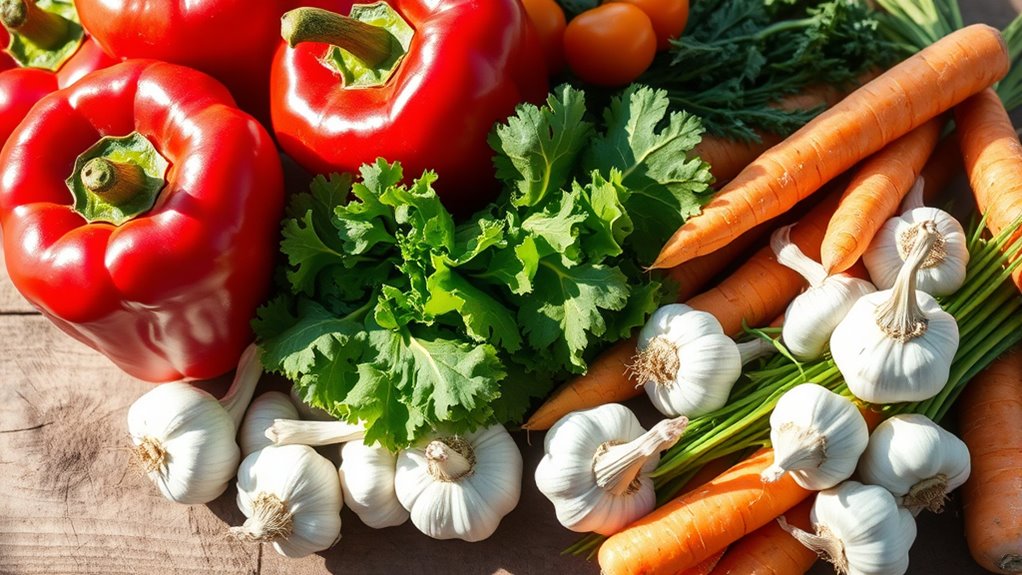
Your immune system is your body’s primary defense against infections and illnesses, and maintaining its health is essential for overall well-being. To do that, you need to pay attention to both your lifestyle factors and the herbal remedies you incorporate into your routine. Lifestyle factors include sleep quality, stress management, physical activity, and nutrition—all of which influence your immune response. Consistently getting enough restful sleep allows your body to repair and regenerate immune cells, while chronic stress can suppress immune function. Regular exercise boosts circulation, helping immune cells move efficiently throughout your body, and a balanced diet provides the nutrients necessary for *ideal* immune health. Eating a variety of nutrient-dense foods enhances immune function and supports overall health. Herbal remedies can play a supportive role in bolstering your immune defenses. Many herbs contain compounds that help modulate immune responses, reduce inflammation, and fight off pathogens. For instance, echinacea is well-known for its potential to shorten cold duration, while elderberry is rich in antioxidants that support immune function. Incorporating herbs like garlic, ginger, and turmeric into your meals can also provide anti-inflammatory and immune-boosting benefits. These natural remedies are not magic bullets, but they can enhance your body’s ability to fend off illnesses when combined with healthy lifestyle habits.
It’s important to understand that no single herb or lifestyle change guarantees immunity from illness. Instead, consistency is key. Making small, sustainable adjustments—such as drinking herbal teas like chamomile or green tea, which contain antioxidants, or adding adaptogenic herbs like ashwagandha to your routine—can gradually improve your immune resilience. Alongside these herbal remedies, focus on reducing harmful habits like smoking or excessive alcohol consumption, which weaken immune defenses. Proper hydration, a diet rich in fruits and vegetables, and managing stress through mindfulness or meditation further support immune health. Engaging in stress management techniques can significantly bolster your immune response and overall well-being.
Frequently Asked Questions
Can Specific Foods Boost My Immune System Quickly?
Yes, certain foods can boost your immune system quickly, especially when you use smart food combinations and cooking methods. Incorporate citrus fruits with leafy greens and garlic in your meals to maximize nutrient absorption. Cooking methods like steaming or roasting preserve vitamins better than frying. Eating a variety of colorful fruits, vegetables, and lean proteins helps support your immune defenses promptly and effectively.
Are Supplements Necessary if I Eat Well?
Think supplements are your magic bullet? Not necessarily. If you eat well, supplement efficacy may be limited because dietary diversity often provides ample nutrients naturally. You might find yourself better off focusing on a colorful, varied diet rather than counting on pills to fill gaps. Remember, whole foods offer a synergy supplements can’t replicate, making them a smarter choice for supporting your immune system in the long run.
How Much of These Foods Should I Consume Daily?
You should aim for the recommended intake of immune-boosting foods daily, such as fruits, vegetables, nuts, and seeds. A typical daily serving includes at least 2 cups of fruits and 2.5 cups of vegetables, along with a handful of nuts or seeds. Consuming these foods regularly helps support your immune system. Modify portions based on your age, activity level, and dietary needs to guarantee you’re getting enough nutrients.
Do Immune-Boosting Foods Work for Everyone?
Ever wonder if immune-boosting foods truly work for everyone? They can help, but your individual response varies due to factors like food allergies and nutrient absorption issues. Some people might see great benefits, while others need tailored approaches. It’s essential to listen to your body, identify sensitivities, and guarantee you’re absorbing nutrients properly. Consulting with a healthcare professional can help determine the best immune support strategies specific to your needs.
Are There Any Foods to Avoid for Immune Health?
You should avoid foods that trigger your food allergies or sensitivities, as they can weaken your immune system or cause inflammation. Common culprits include processed foods, excess sugar, and artificial additives. Stay mindful of how your body reacts to certain foods, and consult with a healthcare professional if you’re unsure. By steering clear of these, you support your immune health and reduce the risk of illness.
Conclusion
By focusing on whole foods, you’re giving your immune system the best chance to stay strong. Incorporate fruits, vegetables, nuts, and lean proteins into your daily meals, and you’ll notice the difference. Isn’t it empowering to nourish your body with natural, nutrient-rich foods? Remember, supporting your immune health doesn’t have to be complicated—just choose wholesome options and stay consistent. Your body will thank you for it!