TL;DR

Get health and wellness essentials delivered free with Prime
- Fast, free delivery on millions of items
- Prime Video, Amazon Music and more included
- Member-only deals all year
The right meal prep containers boost healthy eating by making portion control, reheating, and storage simpler. Materials like glass and stainless steel are safest and most durable, while new designs add convenience and sustainability.
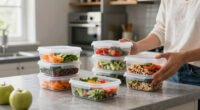
Imagine opening your lunchbox and seeing perfectly portioned, vibrant salads or warm grains ready to go. That’s the magic of good meal prep containers. They’re more than just storage— they’re your secret weapon for healthier, stress-free lunches every day.
In this guide, you’ll learn what makes a container truly great for meal prep, the latest innovations in the market, and how to pick the best options for your needs. Ready to make your lunch game stronger?
Choose materials like glass or stainless steel for safety and durability.
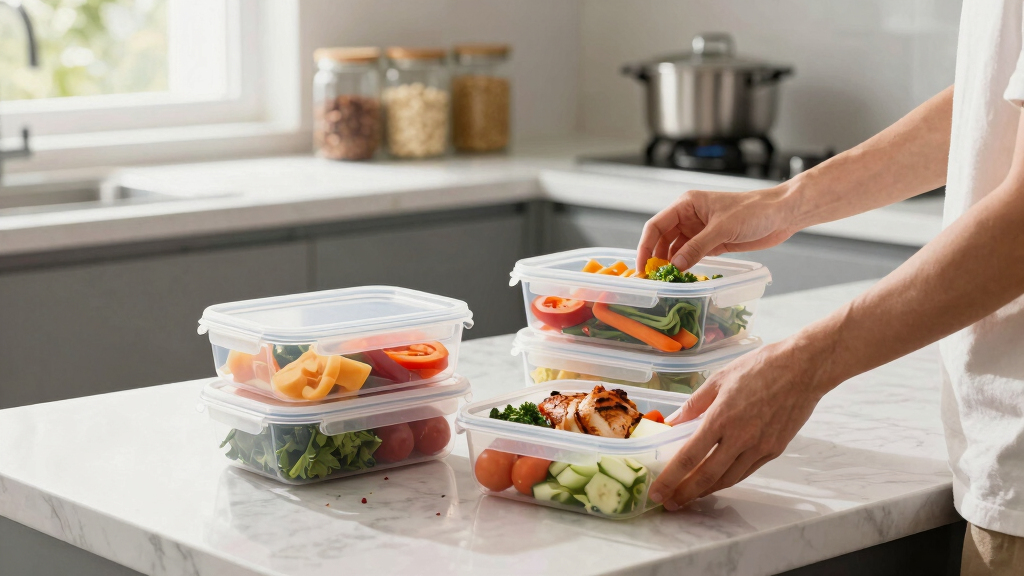
Look for containers with compartments or dividers to keep foods organized and portioned.
Prioritize leak-proof lids and stackability for convenience and space-saving.
Stay updated on new features like insulation and smart tech for better meal prep.
Proper maintenance extends the life of your containers and keeps food safe.
What Materials Keep Your Food Safe and Tasty?
Choosing the right material is the foundation of good meal prep. Glass containers are non-toxic, microwave-safe, and resist staining, making them perfect for reheating leftovers without worries. They also do not absorb odors or flavors, which helps maintain the integrity of your meals over time. Stainless steel is durable, eco-friendly, and excellent for cold foods; however, it cannot be used in the microwave, so it’s ideal for salads or snacks. Plastic containers are lightweight and affordable, but they pose risks because some plastics can leach chemicals when heated or over time. That’s why looking for BPA-free labels is crucial—these plastics are formulated to minimize health risks. Understanding these nuances helps you avoid hidden health hazards and ensures your meals stay fresh and safe.
For example, a friend switched from plastic to glass for her salads. Now, her greens stay crisp longer, and she feels better knowing she’s not exposing herself to plastic leaching. This choice highlights how material selection influences both health and food quality, emphasizing the importance of making informed decisions.
Deep understanding of these materials also reveals trade-offs. While glass is safer and more inert, it’s heavier and more prone to breakage, which might be inconvenient for on-the-go lifestyles. Stainless steel offers durability but lacks microwave compatibility, requiring separate containers if reheating is necessary. Plastic, while versatile and lightweight, can pose health risks if not carefully chosen. Recognizing these implications helps you balance safety, convenience, and practicality based on your routines and preferences.
glass meal prep containers with dividers
As an affiliate, we earn on qualifying purchases.
As an affiliate, we earn on qualifying purchases.
How to Pick Containers That Make Your Lunch Prep Easier
- Assess your typical meals: Do you like salads, grains, or soups? This helps determine size and features. For instance, larger containers are better for main dishes, while smaller ones suit snacks or dressings.
- Decide on compartments: Do you prefer separate sections for dressing or snacks? Look for containers with dividers, which help keep foods from mixing, preserve textures, and make portioning easier. This reduces prep time and minimizes messes during transport.
- Check for safety features: Is it BPA-free? Microwave-safe? Dishwasher-friendly? These features ensure your containers are safe to use frequently and can withstand reheating or cleaning without degrading.
- Think about eco-friendliness: Reusable options like glass or stainless steel cut down waste and support sustainability. Choosing durable materials reduces the need for replacements, which is better for the environment and your wallet.
- Consider convenience: Stackable or insulated containers make storage and temperature maintenance easier. This is especially useful for busy mornings or when packing multiple meals for the day, helping you stay organized and efficient.
For instance, a busy professional might opt for a set of stackable, insulated stainless steel containers that keep her lunch hot until noon and fit neatly in her bag. This choice underscores how selecting the right containers can streamline your routine, enhance food quality, and support your lifestyle.
Beyond convenience, understanding these considerations is crucial because the wrong choice can lead to food spoilage, waste, or health risks. For example, selecting a container without proper insulation might cause your hot meal to cool down too quickly, diminishing enjoyment and nutritional value. Similarly, ignoring safety features like BPA-free labels could expose you to harmful chemicals over time. Therefore, thoughtful selection based on your specific needs and understanding the trade-offs ensures a smoother, safer, and more satisfying meal prep experience.
Compare Top Container Types for Everyday Use
| Material | Best For | Pros | Cons |
|---|---|---|---|
| Glass | Reheating, storing leftovers | Non-toxic, stain-resistant, microwave safe; preserves food flavor and integrity over time | Heavier, breakable; requires careful handling to avoid cracks or breaks |
| Stainless Steel | Cold foods, on-the-go meals | Durable, eco-friendly, leak-proof; maintains temperature for longer periods | Not microwaveable; dents or scratches can occur with rough handling |
| Plastic | Snacks, small meals | Lightweight, affordable, versatile; available in various shapes and sizes | Potential chemical leaching, staining, and degradation over time; less durable than glass or steel |
Understanding these differences helps you weigh the trade-offs involved. Glass offers safety and preserves flavor but is fragile and less portable. Stainless steel provides durability and temperature retention but lacks microwave compatibility. Plastic is convenient and inexpensive but may pose health risks over time. Recognizing these implications allows you to choose containers that best align with your lifestyle, balancing safety, convenience, and environmental impact effectively.
What Are the Latest Innovations in Meal Prep Containers?
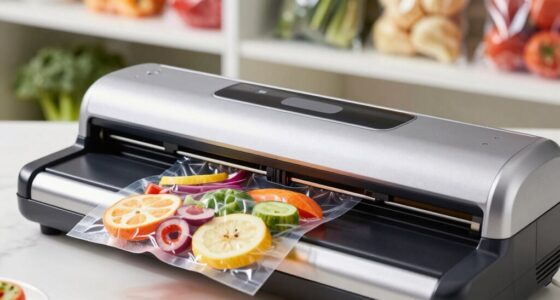
New designs make meal prep more flexible and eco-friendly. Modular containers with removable dividers allow customization, making it easier to portion different foods without multiple containers. Insulated containers keep food hot or cold longer, which is essential for maintaining meal quality during busy days. Smart containers equipped with built-in thermometers or vacuum seals help extend freshness and reduce waste. These innovations are not just about convenience but also about reducing environmental impact and enhancing food safety, making meal prep smarter and more sustainable.
Imagine a container with a built-in vacuum pump that pulls out excess air, keeping your berries fresh for days. These advancements turn mundane meal storage into a high-tech experience, providing better control over freshness and portioning, while also supporting eco-conscious choices. The implications for consumers are significant: they can enjoy fresher meals, reduce food waste, and lessen their environmental footprint—all while benefiting from more convenient and innovative storage solutions.
How to Maintain Your Containers for Long-Lasting Use
Proper care keeps your containers safe and functional. Most are dishwasher safe, but hand washing extends their lifespan by reducing wear and tear. Use gentle sponges and avoid abrasive scrubbers on glass or stainless steel, which can scratch surfaces and compromise integrity. For plastic, always verify if it’s microwave-safe, and avoid exposing it to high heat, which can cause warping or cracking. Regular inspection for cracks or discoloration helps prevent contamination and ensures safety.
For example, a set of glass containers lasts over five years with gentle hand washing and avoiding sudden temperature changes. This longevity not only saves money but also reduces waste, aligning with sustainable living goals. Proper maintenance also prevents the buildup of bacteria or odors, ensuring your food remains safe and your containers look new longer. Investing a little time in proper cleaning and storage practices pays off by extending the life of your containers, reducing replacement costs, and supporting an eco-friendly lifestyle.
Frequently Asked Questions
What materials are safest for meal prep containers?
BPA-free plastics, glass, and stainless steel top the list for safety. They don’t leach harmful chemicals and are generally more durable. Always check labels and certifications like FDA approval.
Are plastic containers safe for microwave use?
Many plastic containers are microwave-safe, but always verify the label. For added peace of mind, glass or microwave-safe silicone containers are even better options for reheating.
How do I choose the right size and compartments?
Consider your typical meals—portions, types of foods, and whether you prefer separation. Larger containers suit main dishes, while smaller ones work for snacks or dressings. Compartments help keep everything fresh and organized.
Are eco-friendly containers durable enough for daily use?
Yes, high-quality stainless steel and thick glass containers are built to last. They withstand daily wear and tear, making them great investments for sustainable, long-term meal prep.
How do I keep my containers clean and odor-free?
Most are dishwasher safe, but for stubborn smells or stains, soak in a mixture of baking soda and warm water. Avoid leaving food in containers for too long, and dry thoroughly to prevent mold and odors.
Conclusion
Switching to the right meal prep containers transforms healthy lunches from a chore into an enjoyable routine. Safety, convenience, and sustainability all come together in the perfect container for you.
So next time you pack your lunch, think about your containers. They’re the silent heroes making healthy eating easier—one vibrant, fresh meal at a time.
Fall Picks
fall essentials
As an affiliate, we earn on qualifying purchases.