TL;DR

Get health and wellness essentials delivered free with Prime
- Fast, free delivery on millions of items
- Prime Video, Amazon Music and more included
- Member-only deals all year
Using the right meal prep containers boosts healthy eating, reduces waste, and saves time. This guide covers materials, features, recent trends, and tips for choosing the best options.
Imagine slicing through a crisp, colorful salad packed in a container that keeps every bite fresh and vibrant. Or reheating your homemade grain bowl without worrying about spills or odors. The secret? Choosing the right meal prep containers.
If you want healthy lunches that stay fresh, taste great, and are easy to carry, you need containers designed for your needs. Today’s options go beyond simple plastic boxes — they’re smarter, safer, and more eco-friendly than ever. This guide walks you through what to look for, the latest innovations, and practical tips for making your healthy eating routine effortless.
Opt for BPA-free plastic, glass, or stainless steel depending on your needs and preferences.
Features like compartments and leak-proof lids make healthy lunches mess-free and easier to organize.
Recent trends include smart technology and eco-friendly materials, making meal prep more sustainable and efficient.
Choose container sizes based on your typical meal portions, ranging from 250ml to 1000ml.
Investing in quality containers saves money in the long run and reduces reliance on disposable packaging.
What Materials Keep Your Food Safe and Fresh?
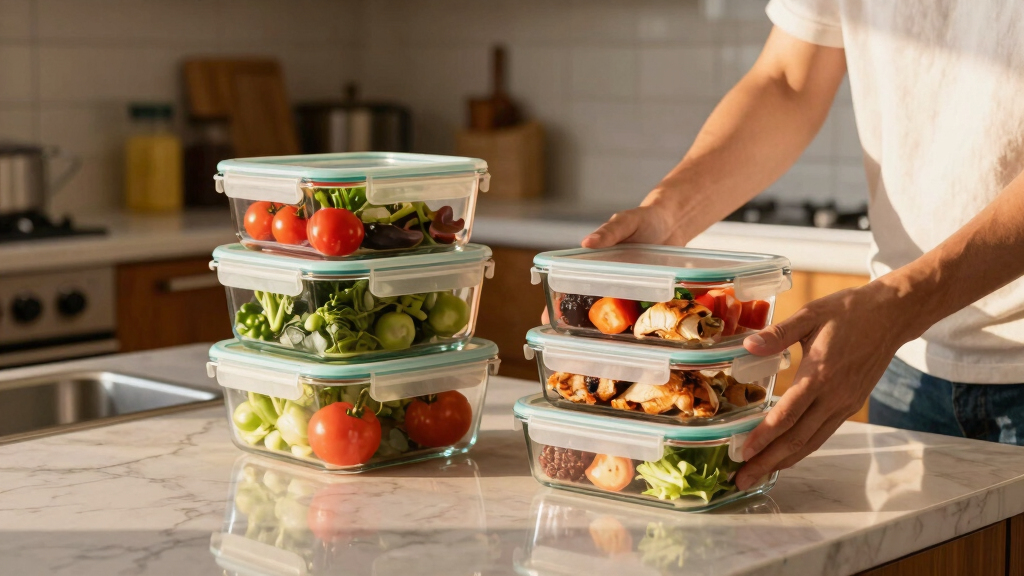
Choosing the right material for your meal prep containers is the first step. BPA-free plastic is lightweight and budget-friendly, but it can stain or retain odors over time. Glass is sturdy, non-reactive, and microwave-safe, making it perfect for reheating and avoiding chemical leaching. Stainless steel offers durability and eco-friendliness but isn’t microwaveable.
For example, if you love rewarming your lunch, glass containers with tight seals are a hassle-free choice because they withstand repeated heating without degrading or leaching chemicals. If you’re packing a cold pasta salad, stainless steel or BPA-free plastic might do the trick, but keep in mind that stainless steel cannot be microwaved. Silicone containers are flexible, lightweight, and great for collapsible options, saving space in your bag or cabinet, though they may sometimes be less rigid for certain contents. Understanding these nuances helps you select containers that align with your daily routines and safety concerns, ensuring your food remains fresh and safe over time.
BPA-free plastic meal prep containers
As an affiliate, we earn on qualifying purchases.
As an affiliate, we earn on qualifying purchases.
How Do Modern Features Make Meal Prep Easier?
Today’s containers come loaded with features that streamline your lunch routine and reduce hassle.
- Compartments keep foods separate, which is essential for maintaining texture and flavor—crisp veggies stay fresh, and dressings don’t spoil other ingredients. This prevents sogginess and mixing that can reduce meal appeal.
- Leak-proof lids are crucial for preventing spills, especially if you’re carrying liquids or dressings. They offer peace of mind and reduce messes in your bag, saving you time on cleanup and avoiding ruined clothes or electronics.
- Stackability isn’t just about neatness; it maximizes storage efficiency in your fridge and freezer. Proper stacking can also prevent accidental spills and make meal prep more organized, encouraging consistent healthy habits.
- Dishwasher-safe designs save significant time and effort, making it easier to maintain hygiene without scrubbing or hand-washing, which can be tedious. This convenience encourages regular cleaning, extending the lifespan of your containers and ensuring food safety.
Imagine packing a colorful Buddha bowl with separate sections for roasted sweet potatoes, hummus, and greens. The clever compartments not only keep foods visually appealing but also preserve individual flavors and textures until lunchtime, making your meals more enjoyable and satisfying.
Comparison Table: Plastic, Glass, Stainless Steel — Which Is Best?
| Feature | Plastic | Glass | Stainless Steel |
|---|---|---|---|
| Durability | Lightweight, can stain or crack under impact, but generally resistant with proper care. Less resistant to extreme temperature changes, which can cause warping or cracking over time. | Very durable and resistant to staining and odors. Can withstand repeated reheating without degradation, making it ideal for hot foods. Heavier and breakable if dropped, but generally long-lasting when handled carefully. | Highly durable and dent-resistant, capable of withstanding rough handling. Not breakable, making it suitable for active lifestyles, but some models may dent if dropped on hard surfaces. Excellent for long-term use and environmental sustainability. |
| Safety | BPA-free options available, but some older plastics may leach chemicals, especially when heated. It’s important to select high-quality, food-grade plastics. | Non-reactive and free from chemicals that leach into food, even after repeated heating. Safe for microwave use if labeled accordingly. | Non-reactive and free from chemicals, making it a safe choice for all types of food storage. Cannot be used in microwave unless specially designed, which limits reheating options but enhances safety. |
| Microwave Safe | Yes, if labeled. However, some plastics can warp or degrade over time with repeated heating, potentially releasing chemicals. | Yes, generally microwave-safe, but always check the manufacturer’s label. Glass conducts heat evenly, reducing hot spots that can cause burns. | No, typically not microwaveable. This is a tradeoff for durability and safety, so plan to reheat in other containers or methods. |
| Price | Affordable, making it accessible for most budgets. However, lower-quality options may need replacement sooner. | Higher upfront cost, but often lasts longer and resists staining and odors, which can save money over time. | Moderate to high cost, but its longevity and sustainability can justify the investment, especially for those seeking eco-friendly options. |
| Eco-friendliness | Less sustainable over time due to plastic waste and potential chemical leaching. Recycling options vary by region. | Highly sustainable because glass is recyclable and long-lasting. However, weight and breakability are considerations. | Eco-friendly and long-lasting, reducing the need for frequent replacements. Recyclable at end-of-life, making it a greener choice overall. |
What’s New in Meal Prep Containers? The Latest Trends
Recent innovations focus on making meal prep containers smarter and more eco-friendly. Brands now offer biodegradable plastics and silicone blends that break down faster after disposal, reducing environmental impact. Smart containers with temperature indicators or vacuum seals help keep food fresh longer, minimizing food waste and ensuring optimal freshness.
Stackable, customizable, and color-coded designs are popular among meal preppers. These features not only make organization easier but also help you quickly identify meals for the week, reducing preparation time and encouraging healthier choices. Imagine color-coded containers matching your weekly menu—this visual system simplifies meal planning and reduces the temptation to opt for less healthy options.
Plus, leak-proof technology has improved significantly, allowing you to toss a soup or smoothie without fear of spills. This innovation enhances convenience and encourages more diverse, nutritious meals on the go, aligning with busy lifestyles that demand both practicality and health-conscious choices.
Key Facts You Need to Know Before Buying
Using the right containers can significantly impact your food waste reduction and overall health habits. For example, BPA-free plastics are safer because they eliminate exposure to potentially harmful chemicals that can leach into food, especially when heated or stored for long periods. Glass is non-reactive, meaning it won’t absorb or transfer flavors or chemicals, making it ideal for sensitive foods and reheating. Proper sealing mechanisms are essential to prevent cross-contamination and spoilage, especially if you store different ingredients or leftovers together. Investing in high-quality containers may seem costly initially, but it pays off by extending the lifespan of your food storage solutions, reducing the frequency of replacements, and encouraging consistent healthy meal prep routines. Additionally, choosing eco-friendly options aligns with sustainability goals, minimizing your environmental footprint and supporting a healthier planet.
Your Questions About Meal Prep Containers Answered
- What are the safest materials? BPA-free plastic, glass, and stainless steel top the list for safety and durability. Each offers specific benefits: plastic is lightweight and affordable, glass is non-reactive and microwave-safe, and stainless steel is ultra-durable and eco-friendly. Understanding these differences helps you weigh convenience against safety and environmental impact.
- Can I microwave plastic containers? Yes, if they’re labeled microwave-safe. However, repeated heating can degrade plastics, potentially releasing chemicals or warping. It’s worth considering glass or stainless steel for reheating to avoid these issues and ensure food safety.
- How do I clean my containers? Dishwasher-safe options simplify cleaning, but always check manufacturer instructions. For glass and stainless steel, avoid abrasive scrubbers that can scratch surfaces and harbor bacteria, prolonging container life and maintaining hygiene.
- What size should I pick? From 250ml for snacks to 1000ml or more for full meals, selecting the right size depends on your typical portion and meal type. Larger containers are ideal for leftovers or bulk cooking, while smaller sizes suit snacks or single servings, helping you control portions and reduce waste.
- Are collapsible containers worth it? Absolutely! They save space in your bag or fridge and are convenient for travel or storage. However, consider how sturdy they are for your typical use—some may not withstand frequent stacking or rough handling.
- How do I stop leaks? Use containers with airtight seals, double-check the lid fit before packing, and avoid overfilling. Proper sealing prevents spills, preserves freshness, and minimizes messes, especially important when transporting liquids or dressings.
- What eco-friendly options exist? Glass, stainless steel, and biodegradable silicone are your best bets for sustainability. They reduce reliance on disposable plastics and support a healthier environment, aligning with eco-conscious lifestyles.
Conclusion
Picking the right meal prep containers transforms healthy eating from a chore into a pleasure. Durable, safe, and smart options turn your weekly meal prep into a smooth routine that fuels your days.
Next time you pack your lunch, imagine the colors, textures, and flavors all kept perfectly fresh—thanks to your thoughtful choice of containers. Your healthier, more organized lunch awaits.
Cold & flu season Picks
humidifiers
As an affiliate, we earn on qualifying purchases.