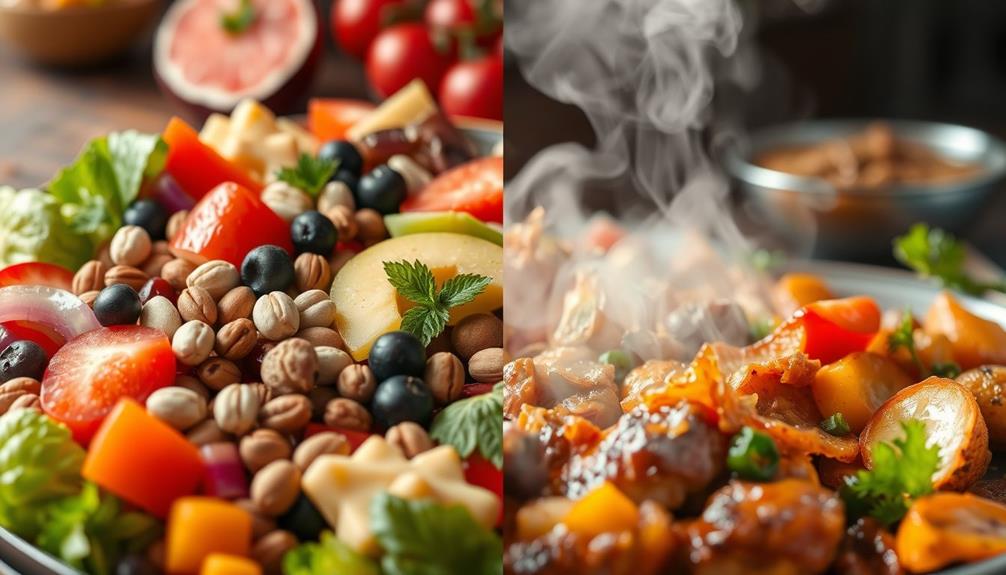
To guarantee complete protein intake on a raw plant diet, you should combine foods with complementary amino acid profiles, like nuts and seeds with fruits or vegetables. Mixing different raw foods throughout the day allows you to naturally fill amino acid gaps without strict meal-by-meal pairing. Focus on variety and balance in your diet, which helps meet your nutritional needs effortlessly. Keep exploring, and you’ll discover even more ways to optimize your plant-based protein intake effectively.

Get health and wellness essentials delivered free with Prime
- Fast, free delivery on millions of items
- Prime Video, Amazon Music and more included
- Member-only deals all year
Key Takeaways
- Combining plant foods like nuts, seeds, and greens over the day ensures all essential amino acids are adequately consumed.
- Nuts and seeds are high in methionine but low in lysine, while fruits and vegetables often have the opposite profile.
- Balancing amino acid intake doesn’t require strict meal-by-meal pairing but involves diverse food choices throughout the day.
- Including sprouted grains, legumes, and a variety of raw produce naturally enhances protein completeness.
- Focusing on overall dietary diversity supports optimal amino acid intake and maintains health on a raw plant diet.
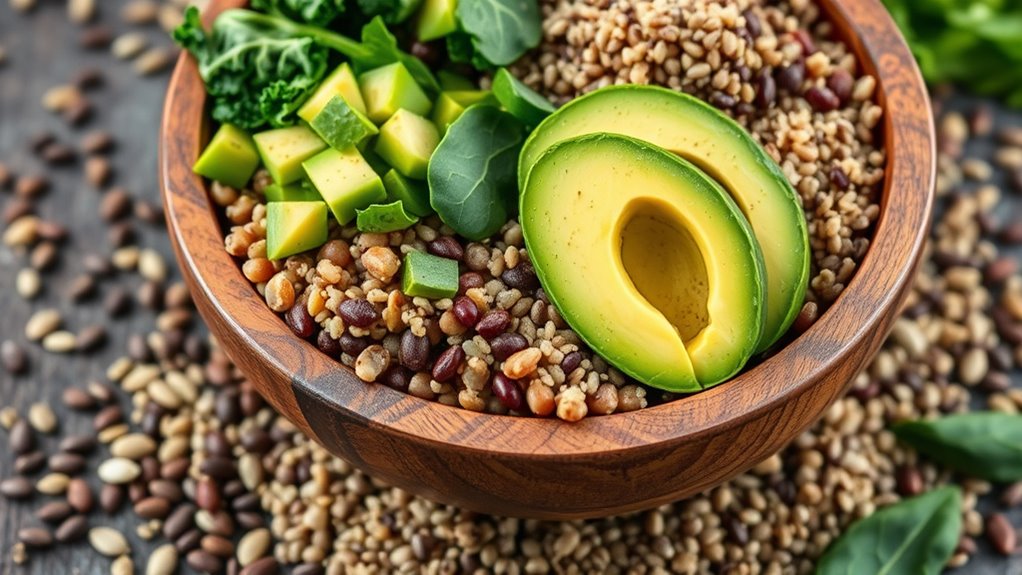
Many people choose raw plant diets because they believe these foods provide ideal health benefits, but one common concern is whether such diets supply enough protein. The key to guaranteeing adequate protein intake on a raw plant diet lies in understanding protein complementarity and amino acid balance. Unlike animal products, many raw plant foods are low in certain essential amino acids, which are the building blocks of protein your body needs. To address this, you need to combine foods thoughtfully so that their amino acid profiles complement each other, creating a complete protein profile over the course of the day.
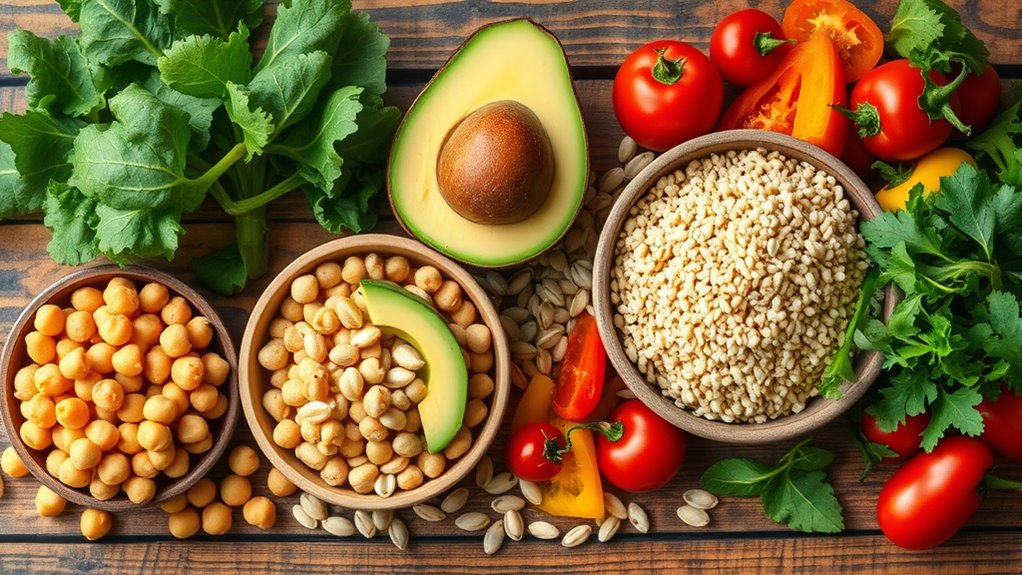
Protein complementarity involves pairing different plant foods that have different amino acid deficiencies. For example, nuts and seeds tend to be low in lysine but rich in methionine, while fruits and vegetables often contain higher levels of lysine but less methionine. By mixing these foods in your raw diet, you create a more balanced amino acid intake. Combining foods such as sunflower seeds with berries, or sprouted lentils with raw greens, allows you to fill in the gaps and improve your amino acid balance naturally. This strategy is particularly important if you’re consuming a variety of raw plant foods but not eating them in every meal.
It’s essential to recognize that you don’t need to combine foods perfectly at every meal. Instead, focus on eating a diverse mix of raw plant foods throughout the day. This approach helps make certain your body receives all essential amino acids over time, supporting muscle maintenance, immune function, and overall health. You might find that including a variety of raw nuts, seeds, sprouted grains, and vegetables each day naturally promotes protein complementarity without requiring strict combinations at each sitting.
Additionally, being mindful of your overall intake helps prevent deficiencies. Many raw plant foods are rich in other nutrients that support health, but they may be low in certain amino acids. By consciously balancing your diet, you’re more likely to meet your protein needs and enjoy the full benefits of your raw plant lifestyle. Incorporating mindfulness practices such as meal planning and mindful eating can enhance your awareness of nutritional balance, ensuring you meet your dietary goals. Remember, maintaining an awareness of amino acid balance is vital, especially since raw diets often emphasize whole, unprocessed foods. By selecting diverse foods and combining them wisely, you can ensure your diet remains complete and supports your health goals. Ultimately, understanding how to optimize protein complementarity on a raw plant diet empowers you to make smarter choices, giving your body the amino acids it needs to thrive.
As an affiliate, we earn on qualifying purchases.
Frequently Asked Questions
Can Raw Plant Diets Meet All Essential Amino Acid Requirements?
Yes, raw plant diets can meet all essential amino acid requirements through plant protein synergy and proper food pairing. By combining foods with complementary amino acid profiles, you guarantee a complete protein intake. Focus on diverse plant sources like nuts, seeds, legumes, and grains, which, when eaten together, provide a balanced amino acid profile. This strategy helps you achieve your protein needs while following a raw plant diet.
How Do Food Combinations Affect Protein Bioavailability in Raw Diets?
Think of food combinations as a symphony where each note, or amino acid, plays its part perfectly. Your raw diet’s bioavailability of protein improves through food synergy and amino acid balancing, making nutrients more accessible and effective. When you combine foods thoughtfully, you’re orchestrating a harmony that boosts protein absorption, ensuring your body gets the complete amino acid profile it needs. This strategic pairing unleashes the full potential of your raw plant diet.
Are There Specific Raw Plant Foods High in Complete Proteins?
You’ll find that some raw plant foods, like certain legume varieties and seed sources, are high in complete proteins. For example, sprouted lentils and sunflower seeds provide all essential amino acids. Incorporate a variety of these foods into your diet to boost protein quality. Combining different raw plant sources, such as seeds and legumes, guarantees you get complete proteins naturally without cooking or processing.
How Does Cooking Impact the Protein Quality of Plant-Based Foods?
Cooking methods can enhance plant protein bioavailability by breaking down cell walls and denaturing anti-nutrients, making proteins easier to digest. Boiling, steaming, or soaking can improve amino acid absorption, but overcooking may degrade some amino acids and reduce overall protein quality. You should balance cooking to maximize plant protein bioavailability without compromising the integrity of essential amino acids, ensuring you get the most nutritional benefit from your plant-based foods.
What Are the Signs of Protein Deficiency in a Raw Plant Diet?
Like a fragile building losing its bricks, your body shows signs of protein deficiency through muscle weakness and fatigue. If you notice you’re feeling more tired than usual or your muscles seem less strong, it’s a sign your raw plant diet might lack complete proteins. These symptoms hint that your body’s energy and repair systems are struggling, urging you to diversify your food choices for better nourishment and strength.
Conclusion
By combining different raw plant foods, you can guarantee you’re getting complete protein. Did you know that most plant-based diets can provide all essential amino acids when varied properly? It’s impressive—studies show that a diverse raw plant diet can meet 95% of your protein needs without animal products. So, keep mixing and matching your greens, nuts, and seeds. With mindful combinations, you’re fully nourishing your body and supporting your health every step of the way.
Columbus Day / Indigenous Peoples' Day Picks
long weekend sales
As an affiliate, we earn on qualifying purchases.