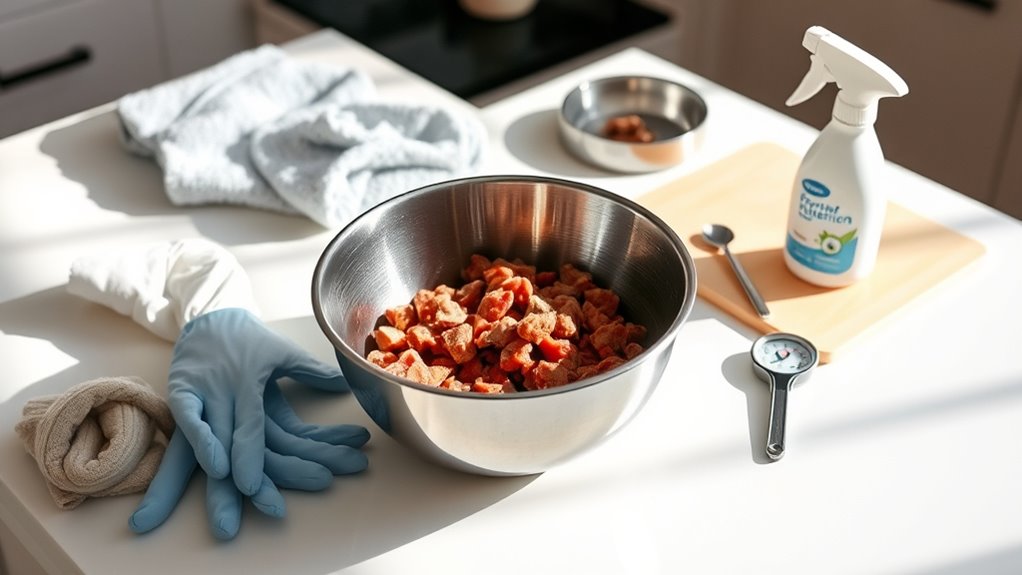

To handle raw pet food safely at home, always wash your hands thoroughly after touching it and disinfect all surfaces and tools used. Keep raw food separate from human food and store it in airtight containers in the coldest part of your fridge or freezer. Thaw frozen food properly in the refrigerator or under cold water. Regular cleaning and monitoring help prevent bacterial growth and cross-contamination. Keep exploring to discover essential tips for maintaining a hygienic environment for your pet’s raw diet.

Get health and wellness essentials delivered free with Prime
- Fast, free delivery on millions of items
- Prime Video, Amazon Music and more included
- Member-only deals all year
Key Takeaways
- Always wash hands and disinfect surfaces after handling raw pet food to prevent cross-contamination.
- Use separate utensils and cutting boards for raw pet food to avoid cross-contact with human food.
- Store raw pet food in airtight containers in the coldest refrigerator section, and freeze unused portions promptly.
- Thaw frozen raw food in the refrigerator or under cold water, not on countertops.
- Regularly clean and disinfect all tools, surfaces, and storage areas to maintain a hygienic environment.
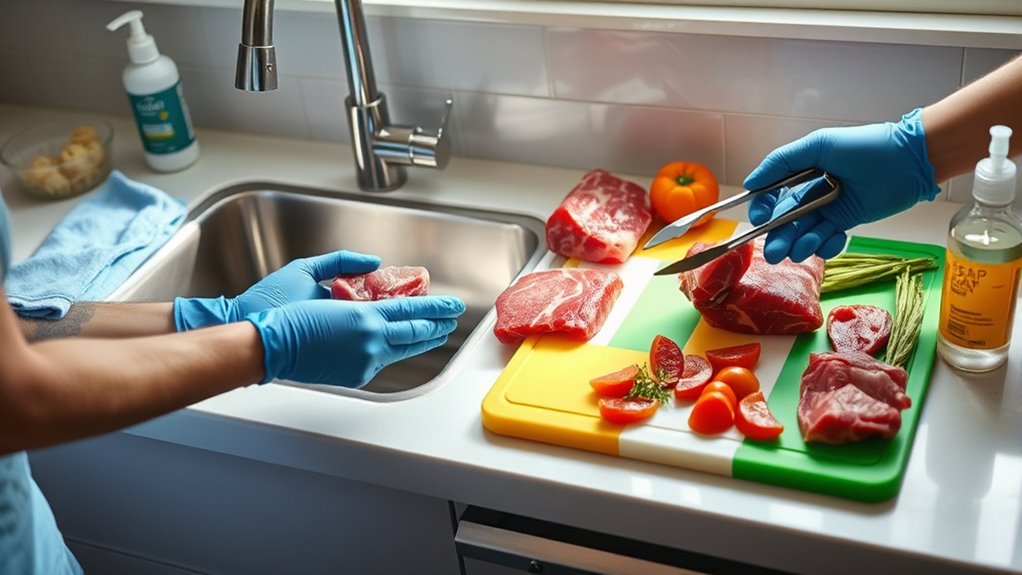
Handling raw pet food at home requires careful attention to hygiene to prevent the spread of harmful bacteria. Raw meat can carry pathogens like Salmonella and E. coli, which pose risks not only to your pets but also to your household members. To keep everyone safe, you need to minimize cross contamination risks and follow proper storage techniques. Cross contamination can occur easily if raw pet food comes into contact with surfaces, utensils, or other foods. That’s why it’s essential to establish strict cleaning routines and separate raw pet food from human food at all times. Always wash your hands thoroughly after handling raw pet food, and disinfect all surfaces and tools used during preparation. Use separate cutting boards or utensils specifically for raw pet food to prevent germs from spreading to other areas of your kitchen. Regularly checking air quality in your home can also help monitor for potential bacterial or mold growth that may affect your household health.
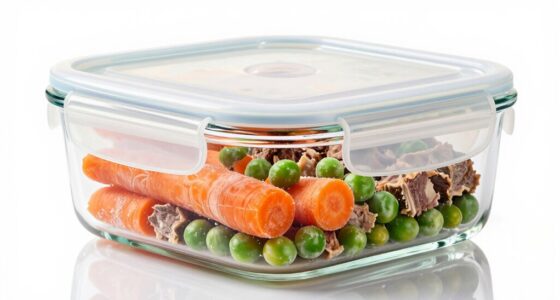
Proper storage techniques play a vital role in maintaining hygiene and reducing health risks. Raw pet food should be stored in the coldest part of your refrigerator, ideally at or below 40°F (4°C), to inhibit bacterial growth. Keep it in airtight containers or securely wrapped to prevent leaks and contamination of other foods. If you’re not planning to use the raw food within a day or two, freezing it is the best option. When freezing, ensure the packaging is airtight to prevent freezer burn and cross contamination with other items. Always label packages clearly with the date of storage, so you know how long the food has been frozen. Never leave raw pet food out at room temperature for extended periods, as bacteria multiply rapidly at warm temperatures. Thaw frozen raw food in the refrigerator or under cold running water, never on the countertop, to minimize the risk of bacterial growth.
Additionally, when handling raw pet food, avoid touching your face or other surfaces until after you’ve washed your hands thoroughly. Keep raw food away from contact with household items like sponges, towels, or dishcloths that may harbor bacteria. After preparing and serving raw pet food, clean all utensils, bowls, and surfaces with hot, soapy water, followed by disinfectants if necessary. Staying vigilant about cross contamination risks and following proper storage techniques helps protect both your pet and your family from potentially serious illnesses. Implementing these practices consistently creates a safer environment, guaranteeing that handling raw pet food remains hygienic and risk-free.
As an affiliate, we earn on qualifying purchases.
Frequently Asked Questions
Can Raw Pet Food Be Safely Stored for Later Use?
Yes, you can store raw pet food for later use if you follow proper storage guidelines. Typically, keep it in the refrigerator and adhere to the recommended storage duration of 1-2 days. Make sure to use airtight containers and maintain the fridge at or below 40°F. Always check for any signs of spoilage before giving it to your pet and discard any leftovers after the recommended storage time.
Are There Specific Cleaning Products Recommended for Raw Pet Food Prep?
Just as a gardener chooses the right tools, you should select pet-safe disinfectants or natural cleaning agents for raw pet food prep. Use products specifically designed for pet environments, ensuring they’re free of harsh chemicals. Avoid household cleaners that could harm your pet or compromise hygiene. Opt for gentle, effective options, and always rinse thoroughly to keep surfaces safe and clean, safeguarding your furry friend’s health and well-being.
How Often Should I Disinfect My Kitchen After Handling Raw Pet Food?
You should disinfect your kitchen immediately after handling raw pet food and then again at the end of each day. Use a proper kitchen disinfectant for surface cleaning to eliminate bacteria and prevent cross-contamination. Regularly wiping down countertops, cutting boards, and utensils guarantees your space stays hygienic. Don’t forget to wash your hands thoroughly afterward. Consistent cleaning helps keep both your pet and your family safe.
Is It Safe to Feed Raw Pet Food Directly From the Refrigerator?
Feeding raw pet food directly from the refrigerator is safe if your refrigerator maintains a proper temperature, ideally below 40°F (4°C). This keeps raw meat storage safe and prevents bacteria growth. Just make sure to remove the raw food promptly, avoid letting it sit out too long, and serve it quickly. Proper refrigeration preserves freshness and safety, so you can confidently feed your pet straight from the fridge.
Can I Use the Same Utensils for Raw Pet Food and Human Food?
You should avoid using the same utensils for raw pet food and human food. Utensil contamination can easily occur, leading to cross contamination prevention issues. Always use separate cutting boards, knives, and utensils to prevent bacteria transfer. Thoroughly wash and sanitize all tools after handling raw pet food. This practice helps protect your family from potential bacteria and keeps your kitchen safe and hygienic.
Conclusion
By handling raw pet food carefully, you protect your furry friend and yourself from harmful bacteria. While it might seem simple to just feed your pet, the quiet risk of contamination lurks in overlooked surfaces and utensils. Remember, the act of caring deeply for your pet’s health also means safeguarding your own. In this balance between love and caution, your diligent hygiene becomes the shield that keeps everyone safe—because good intentions deserve careful actions.
Cold & flu season Picks
humidifiers
As an affiliate, we earn on qualifying purchases.