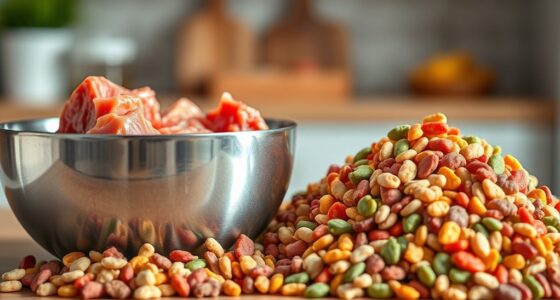
Some pets need slower adjustments to a raw food diet because they may have unique digestive sensitivities or potential allergies. Making sudden changes can upset their stomachs, leading to issues like vomiting or diarrhea. A gradual approach helps your pet adapt and reduces stress, allowing you to monitor their reactions closely. This method not only supports their digestive health but also enhances their overall well-being. You might be surprised by what else you can discover about a smooth adjustment.

Get health and wellness essentials delivered free with Prime
- Fast, free delivery on millions of items
- Prime Video, Amazon Music and more included
- Member-only deals all year
Key Takeaways
- Some pets may experience gastrointestinal upset, necessitating a gradual introduction to prevent vomiting or diarrhea during the transition to a raw food diet.
- Allergic reactions to new ingredients can occur, making it essential to transition slowly to identify and manage sensitivities effectively.
- Behavioral changes, such as lethargy or disinterest in food, may indicate adaptation issues that require a more gradual approach.
- A slower transition allows for careful monitoring of the pet’s response to new foods, ensuring their comfort and well-being.
- Tailoring the diet based on sensitivity assessments is crucial, and a gradual transition minimizes the risk of nutritional imbalances.
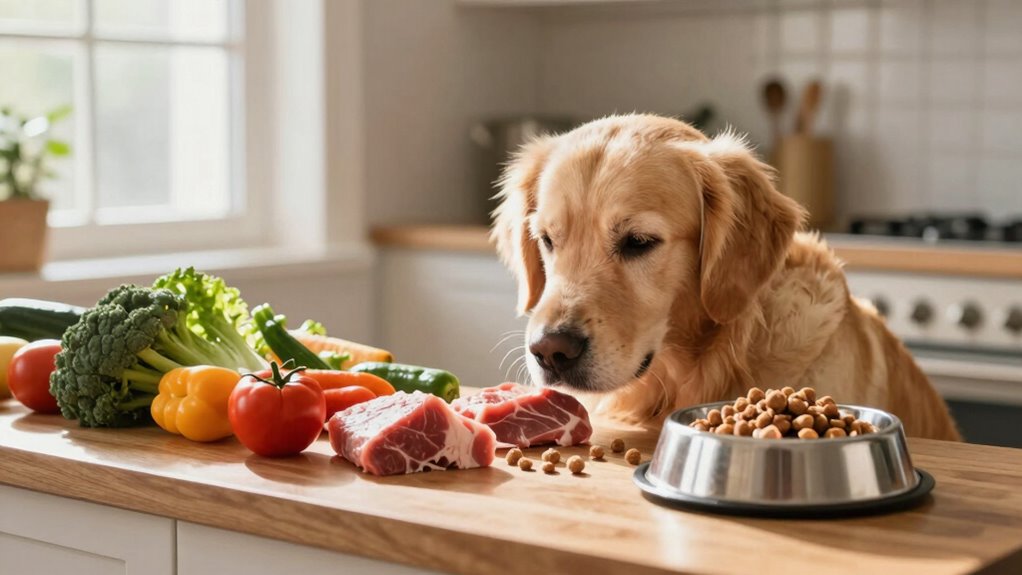
As you consider shifting your pet to a raw food diet, it’s important to understand the benefits and challenges involved. While some pets adapt smoothly, others may need a slower approach. Recognizing the need for a gradual introduction can make all the difference in guaranteeing your pet’s digestive health and overall well-being.
One of the first steps is conducting a sensitivity assessment. Not all pets react the same way to dietary changes. Some may have existing sensitivities or allergies that could flare up during a sudden adjustment. By observing your pet’s reactions to different ingredients, you can tailor a raw food diet that suits their specific needs. This careful approach allows you to identify any problematic ingredients and adjust accordingly, facilitating a smoother adjustment. Understanding pet sensitivities can help you better anticipate and manage potential reactions during this process.
Conducting a sensitivity assessment is crucial; it helps tailor a raw food diet to your pet’s unique needs and ensures a smoother transition.
When you decide to make the shift, start with small portions of raw food mixed with their current diet. A gradual introduction helps your pet’s digestive system adapt to new ingredients. This method reduces the risk of gastrointestinal upset, which can include vomiting or diarrhea. Paying attention to your pet’s response during this phase is important. If you notice any negative reactions, you can tweak the ingredient variety or slow down the adjustment even further. Incorporating nutritional balance from the beginning ensures that your pet receives all essential nutrients and minimizes nutritional gaps during the transition. Additionally, understanding digestive health can support your efforts in creating a smooth adjustment process.
Nutritional balance is another significant aspect of a raw food diet. While raw food can provide numerous benefits, such as improved energy levels and healthier coats, it’s important to guarantee that your pet gets all the necessary nutrients. Consulting with a veterinarian or a pet nutritionist can help you create a balanced meal plan that meets your pet’s specific needs. They can guide you on how to include the right ingredient variety to prevent deficiencies.
Behavioral changes can also signal how well your pet is adapting to their new diet. Some animals may become more energetic and playful, while others may seem lethargic or disinterested in food. Keeping a close eye on these behavioral shifts can provide insight into how your pet is feeling during the adjustment. If you notice any concerning changes, it may be time to reassess your approach and consider a longer adjustment period. Additionally, understanding raw food transitions can help you better navigate the process and ensure your pet’s health remains a priority. Being patient and attentive to your pet’s cues will support a successful transition. Remember, gradual changes often lead to better long-term health outcomes for your pet.
As an affiliate, we earn on qualifying purchases.
Frequently Asked Questions
Can All Pets Eat Raw Food Safely?
Not all pets can eat raw food safely. While many pets can thrive on a raw diet, some may experience digestive issues or food sensitivities. To guarantee a smooth shift, start slowly by mixing raw food with their current diet. Gradually increase the raw portion over time. This approach helps your pet adjust and reduces the risk of upset stomachs. Always consult your vet for personalized shifting tips tailored to your pet’s needs.
How Do I Know if My Pet Is Allergic?
Just like a detective uncovering clues, you can identify your pet’s allergies through careful observation. Look for signs like itching, digestive issues, or skin irritations after meals. Allergy testing can pinpoint specific food sensitivities, helping you tailor their diet. Keep a food diary to track reactions, and consult your vet for professional advice. This way, you can guarantee your furry friend stays healthy and happy, free from the discomfort of allergies.
What Are the Signs of Digestive Distress?
You’ll notice digestive symptoms like vomiting, diarrhea, or gas if your pet’s having trouble. Pay attention to changes in pet behavior, too; they might seem more lethargic or anxious. If you’re altering diets, adjust feeding schedules gradually and consider using methods that ease the shift. Monitor how your pet responds, and if issues persist, consult your vet for tailored advice to guarantee your furry friend stays happy and healthy.
Is Raw Food More Expensive Than Kibble?
Yes, raw food tends to be more expensive than kibble, especially upfront. However, when you do a cost comparison, consider the long-term benefits. A raw diet can lead to better overall health for your pet, potentially reducing vet bills down the line. You may find that investing in high-quality raw food pays off in the form of fewer health issues and a happier, more energetic pet.
Can I Mix Raw Food With Dry Food?
Yes, you can mix raw food with dry food, but it’s best to do it gradually. This allows your pet to adjust to the raw food benefits without overwhelming their digestive system. Start by adding a small amount of raw to their dry food, gradually increasing the raw portion over time. This gradual shift helps prevent digestive upset and guarantees your pet gets used to the new diet effectively.
Conclusion
So, while you might think your pet’s stomach is ready to tackle raw food like a pro, it’s actually more of a delicate diva. Rushing the shift could lead to digestive drama, and nobody wants that! Instead, take your time and let your furry friend adjust. After all, they didn’t become a picky eater overnight, right? By easing into it, you’ll both avoid the chaos that can come from a hasty meal makeover.
Cold & flu season Picks
humidifiers
As an affiliate, we earn on qualifying purchases.