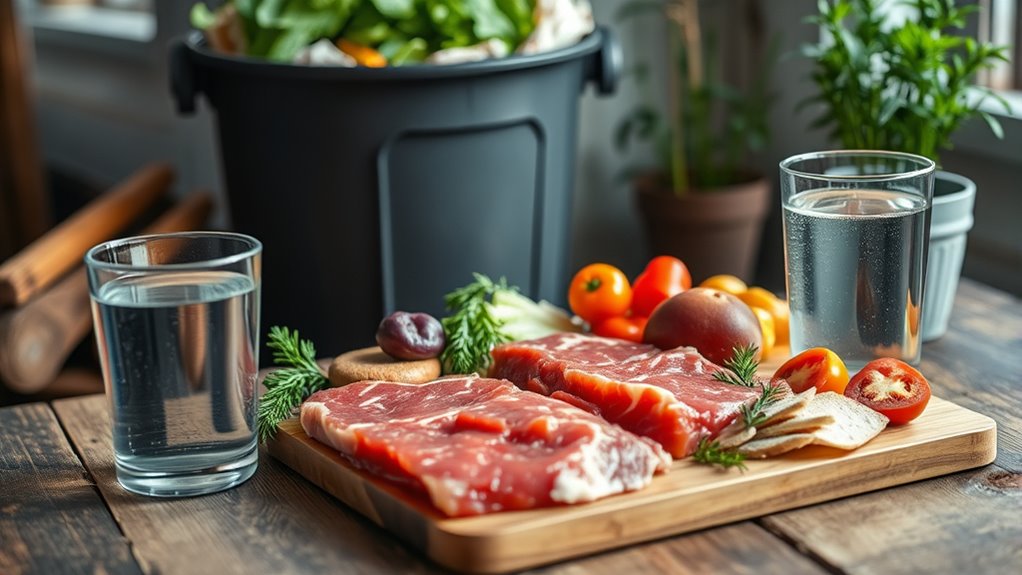

Raw diets for pets greatly impact the environment through high water use, large waste generation, and a hefty carbon footprint from meat production. Supporting these diets often means endorsing resource-intensive practices like factory farming and plastic waste from packaging. Sustainable options exist, such as sourcing ethically raised ingredients or exploring alternative diets. Interested in understanding how your choices affect the planet? Keep exploring to learn more about making eco-friendly decisions for your pet’s diet.

Get health and wellness essentials delivered free with Prime
- Fast, free delivery on millions of items
- Prime Video, Amazon Music and more included
- Member-only deals all year
Key Takeaways
- Raw diets’ high meat content significantly increase water usage, carbon emissions, and resource consumption.
- Packaging waste from raw diets contributes to plastic pollution and landfill overflow.
- Producing raw ingredients, especially meat, has a substantial environmental footprint, including greenhouse gases.
- Ethical sourcing of ingredients from sustainable farms can reduce ecological impacts of raw diets.
- Exploring alternative, plant-based or locally sourced options can improve the sustainability of pet nutrition.
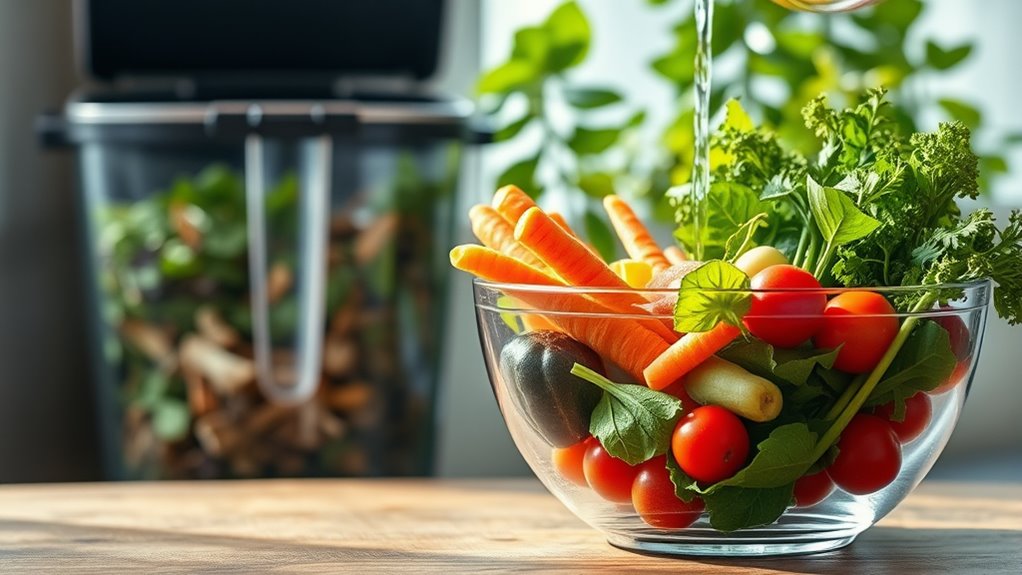
Raw diets for pets have gained popularity for their perceived health benefits, but their sustainability is increasingly coming into question. When you choose a raw diet, you’re not just considering your pet’s well-being—you’re also impacting the environment in several significant ways. The environmental impact of these diets can be substantial, especially when you examine how the ingredients are sourced and processed. Many raw pet foods rely heavily on meat, which requires intensive resource use, including water, land, and energy. Livestock farming is a major contributor to greenhouse gas emissions, and producing meat for pet food adds to this problem. The more meat in a diet, the larger its carbon footprint becomes, making raw diets less sustainable on a broad scale.
Ethical considerations also come into play when evaluating the sustainability of raw diets. You might feel good about giving your pet a diet that mimics their natural intake, but the ethics surrounding animal agriculture can complicate that choice. Factory farming practices often involve inhumane treatment of animals, and supporting this industry—even indirectly—raises questions about your values. Additionally, the sourcing of ingredients influences the environmental footprint. Choosing locally sourced, ethically raised meat can mitigate some concerns, but these options are often more expensive and less accessible. This creates an ethical dilemma: do you prioritize your pet’s health, the treatment of farm animals, or the environmental costs associated with production?
Waste management is another critical factor. Raw diets generate various forms of waste, including packaging and unused raw ingredients. Packaging, especially if not biodegradable, contributes to plastic pollution and landfill overflow. Unused raw meat or bones, if not properly disposed of, can pose health risks and attract pests, increasing waste-related issues. The water footprint of raw diets also warrants attention. Producing meat consumes vast amounts of water, from feed crops to animal hydration needs. When you consider the cumulative water used for ingredients, the ecological footprint of raw pet foods becomes even more significant. Additionally, sourcing meat from sustainable farms can help reduce some of these impacts.
In essence, while raw diets might seem like a natural choice for your pet, they carry considerable environmental and ethical costs. You need to weigh these factors against the perceived health benefits. Understanding the broader impact helps you make more informed decisions, ensuring that your choices align with your values and the planet’s sustainability. If reducing your pet’s ecological footprint is a priority, exploring alternatives or sourcing ethically produced ingredients can be a step in the right direction.
eco-friendly raw pet food containers
As an affiliate, we earn on qualifying purchases.
As an affiliate, we earn on qualifying purchases.
Frequently Asked Questions
How Do Raw Diets Impact Local Water Resources?
Your raw diet can impact local water resources by increasing water use for meat production, which often depletes water supplies. This heightened demand challenges water conservation efforts and may lead to local water pollution from runoff containing animal waste and processing chemicals. By choosing sustainable options and reducing meat consumption, you help protect water resources, promote water conservation, and minimize pollution in your community.
What Waste Management Practices Support Raw Diet Sustainability?
You can support raw diet sustainability by implementing effective waste management practices like recycling initiatives and composting strategies. Recycling helps reduce packaging waste, while composting transforms organic scraps into valuable soil. These practices minimize landfill contributions, lower environmental impact, and promote resource conservation. By actively embracing these methods, you contribute to a more sustainable raw diet system, ensuring resources are reused and waste is responsibly managed for a healthier planet.
Can Raw Diets Reduce Overall Carbon Emissions?
Yes, raw diets can reduce overall carbon emissions if you prioritize sourcing ingredients locally and sustainably. By choosing suppliers who use renewable energy and eco-friendly practices, you decrease reliance on fossil fuels. Streamlining your supply chain minimizes transportation emissions, further lowering your carbon footprint. Additionally, reducing waste through proper management supports sustainability, making raw diets a more environmentally responsible choice.
How Does Sourcing Raw Ingredients Affect Environmental Footprints?
Sourcing raw ingredients is like weaving a delicate tapestry—each thread impacts the whole. Your choices affect environmental footprints through supply chain impacts, including transportation emissions and resource use. When you select local, sustainable sources, you reduce carbon emissions and water use, minimizing waste. Conversely, long-distance sourcing increases environmental strain. Being mindful of ingredient sourcing helps you lower your diet’s overall ecological footprint and promotes a healthier planet.
Are There Eco-Friendly Packaging Options for Raw Diet Products?
Yes, you can choose eco-friendly packaging options like biodegradable packaging and recyclable containers for raw diet products. These options help reduce waste and lessen your environmental impact. When selecting packaging, look for materials that break down naturally or can be easily recycled. By opting for these sustainable choices, you support environmental conservation and promote a more eco-friendly approach to raw diets.
Conclusion
Thinking about the sustainability of raw diets is like tending a delicate garden—you must nurture it carefully to guarantee it thrives without draining resources. By choosing eco-friendly options, reducing waste, and being mindful of water and carbon footprints, you can help your diet grow sustainably. Remember, your choices are the seeds you plant for a healthier planet. With each mindful step, you’re cultivating a future where both your health and the environment flourish together.
Halloween Picks
halloween
As an affiliate, we earn on qualifying purchases.