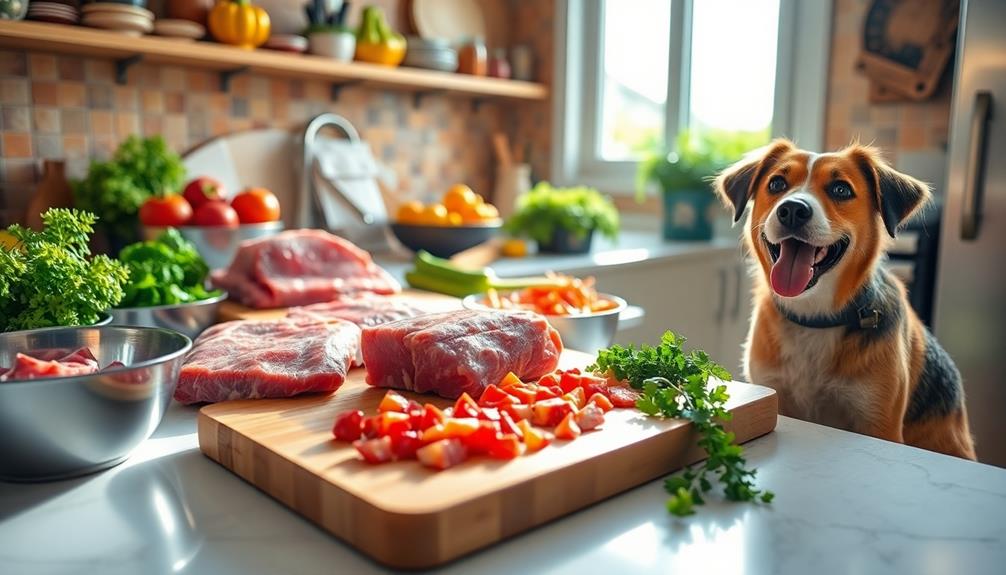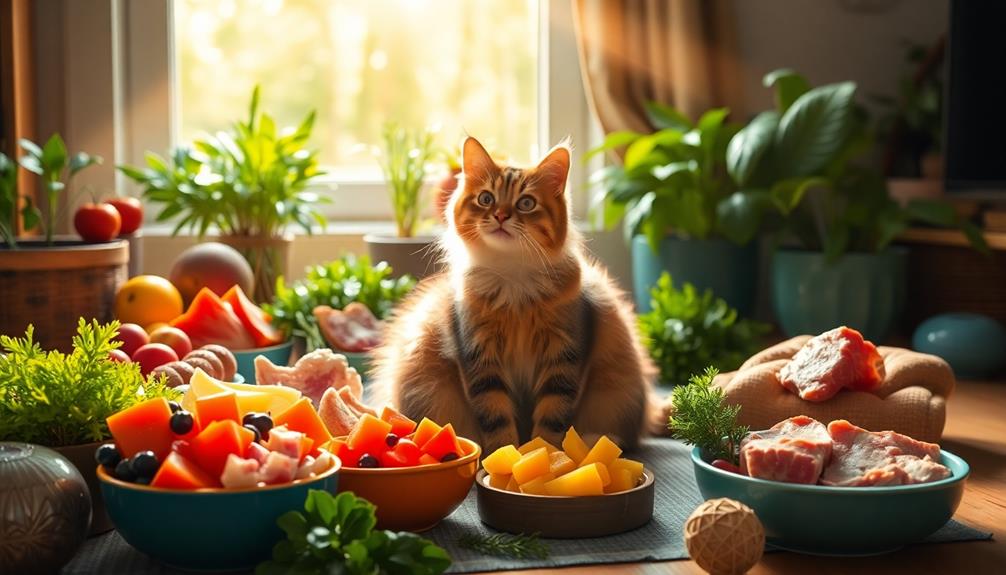
To avoid leaks and freezer burn when vacuum sealing raw pet food, choose a reliable sealer with adjustable settings and use high-quality, BPA-free bags. Wipe bag edges clean before sealing and leave enough space at the top. Remove as much air as possible and avoid overfilling. Keep your freezer at 0°F (-18°C) and consider double-wrapping for extra protection. For detailed tips, continue exploring effective sealing techniques to keep your pet’s food fresh and safe.
Key Takeaways
- Use high-quality, heavy-duty vacuum bags designed for freezer storage to prevent leaks.
- Wipe bag edges thoroughly to remove moisture and debris before sealing for airtight results.
- Remove as much air as possible before sealing to minimize moisture and prevent freezer burn.
- Keep the freezer at a steady 0°F (-18°C) to maintain optimal storage conditions for pet food.
- Regularly inspect and maintain your vacuum sealer to ensure proper sealing and prevent malfunctions.
Why Is Proper Vacuum Sealing Important for Raw Pet Food?
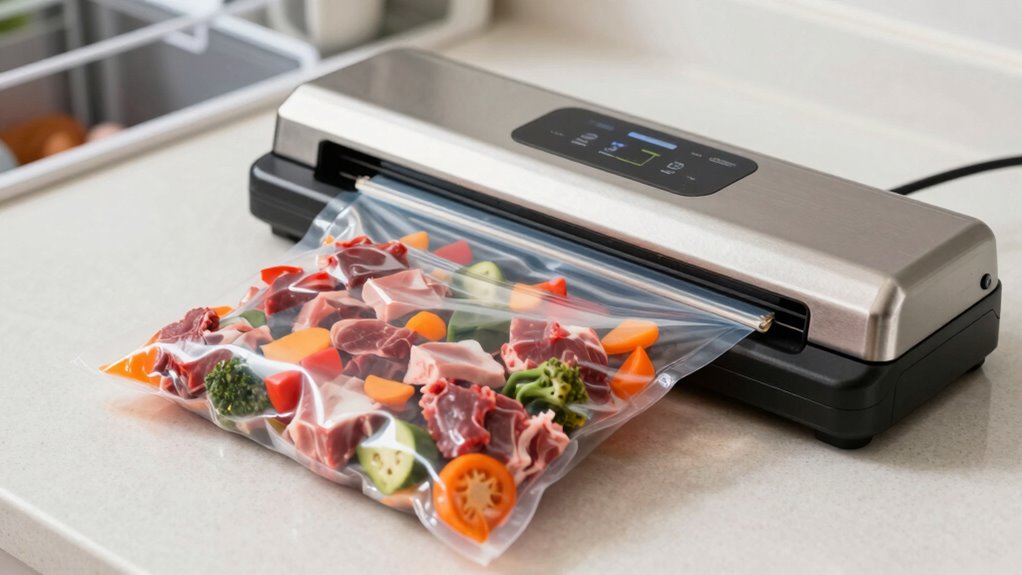
Proper vacuum sealing is essential for maintaining the freshness and safety of raw pet food. When done correctly, it helps preserve the nutritional integrity of the meat by preventing exposure to air, which can cause nutrient loss. Vacuum sealing also plays a vital role in mold prevention, as it removes oxygen that mold spores need to grow. Without proper sealing, raw pet food is more vulnerable to freezer burn and bacterial contamination, which can compromise safety and quality. Additionally, airtight seals are crucial in preventing leaks that could spoil other items in your freezer. Achieving an effective vacuum is key to extending the shelf life and maintaining the quality of your pet’s food. By ensuring an airtight seal, you extend the shelf life of the food and keep it fresh longer. Proper sealing techniques are also crucial in sustainable food storage, helping reduce waste and energy consumption. Using the right vacuum sealing equipment can significantly improve the effectiveness of your preservation efforts. This simple step is key to providing your pet with safe, nutritious, and well-preserved raw food, maintaining its quality from the moment you package it to when you serve it. Additionally, understanding affiliate disclosure policies can help you make more informed decisions about the products you choose for sealing and storage.
How Do I Choose the Best Vacuum Sealer and Bags for My Pet’s Raw Food?
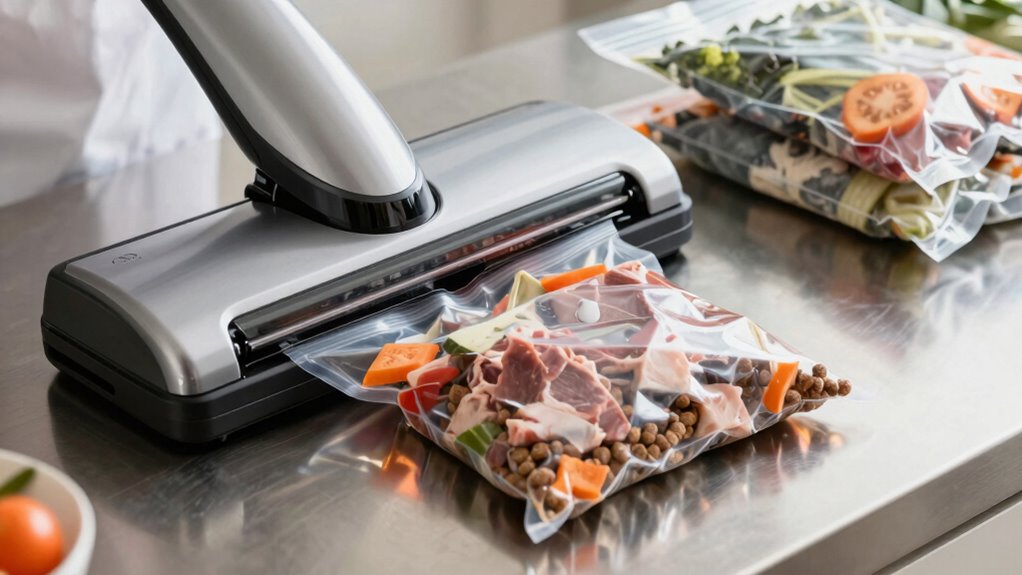
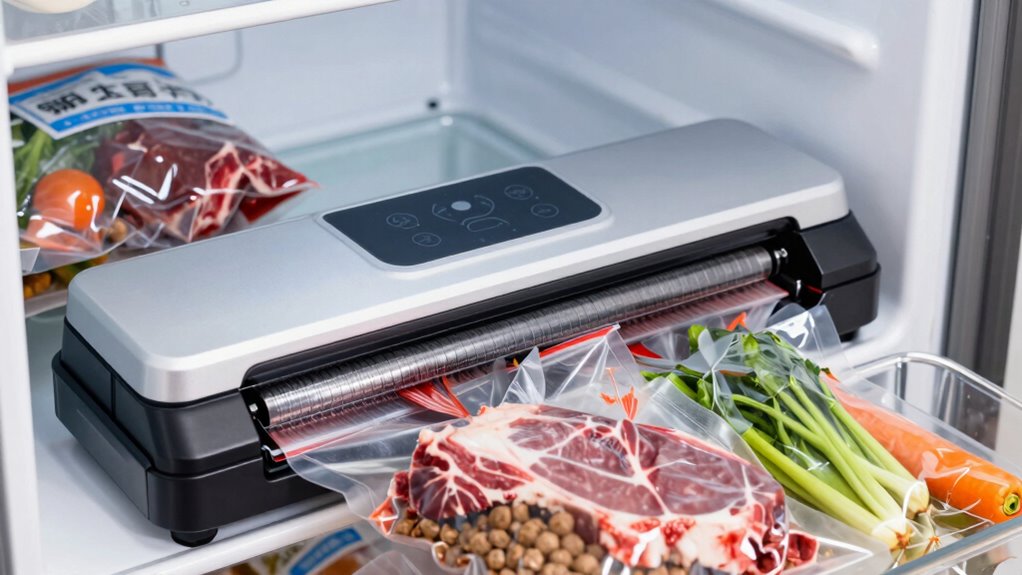
Choosing the right vacuum sealer and bags is essential to guarantee your pet’s raw food stays fresh and safe. When selecting sealing machines, look for one with strong suction power and adjustable settings to handle different bag types. Consider models that feature durable, easy-to-use controls and reliable sealing performance. For choosing bags, opt for specially designed vacuum seal bags that are BPA-free and thick enough to prevent punctures or leaks. Some bags are pre-cut, while others come in rolls, allowing you to customize sizes. Make certain the bags are compatible with your sealing machine. Investing in high-quality sealing machines and bags helps prevent freezer burn and leaks, keeping your pet’s raw food fresh longer and maintaining its nutritional value. Additionally, understanding Free Floating concepts can help in selecting the most effective storage solutions for your pet’s food. Using proper storage techniques can further enhance freshness and prevent spoilage during freezing.
How Can I Vacuum Seal Raw Pet Food Without Leaks?
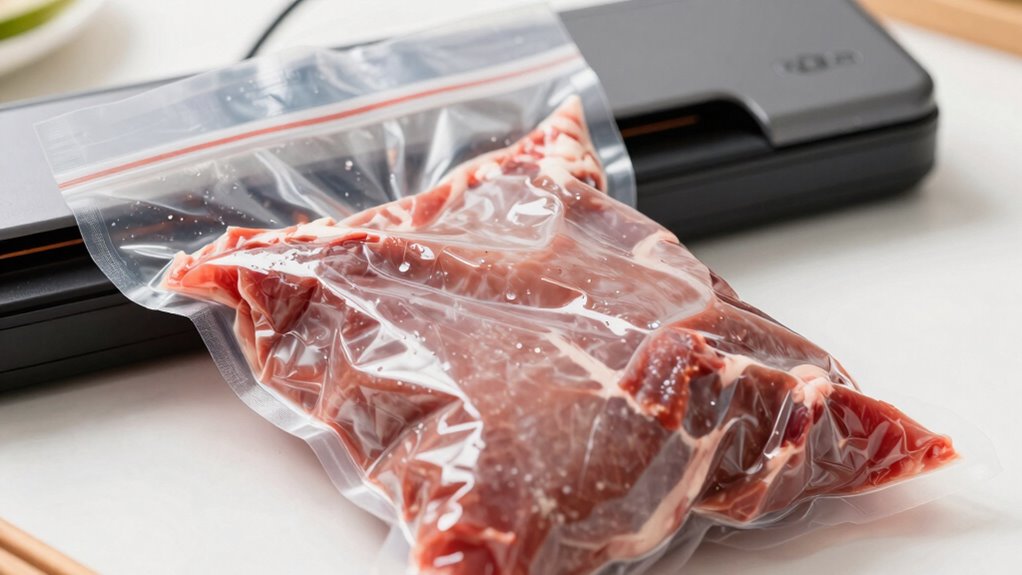
To prevent leaks when vacuum sealing raw pet food, you need to pay close attention to each step of the process. First, verify the bag material you choose has strong seal integrity; high-quality, heavy-duty bags are less likely to leak. Before sealing, wipe the bag’s edges to remove moisture or residue that could compromise the seal. When sealing, leave enough space at the top of the bag, and make sure the opening is clean and dry. Use the vacuum sealer properly, ensuring the bag is sealed evenly without wrinkles or gaps. Double-check the seal after sealing to confirm it’s secure. Proper bag material and meticulous sealing practices help prevent leaks, keeping your pet’s food fresh and safe. Additionally, selecting the right cookie preferences can ensure your device’s firmware functions optimally during sealing. Maintaining a clean vacuum sealer and inspecting it regularly can prevent potential malfunctions that might lead to leaks.
What Are the Best Tips to Prevent Freezer Burn and Ice Crystals?
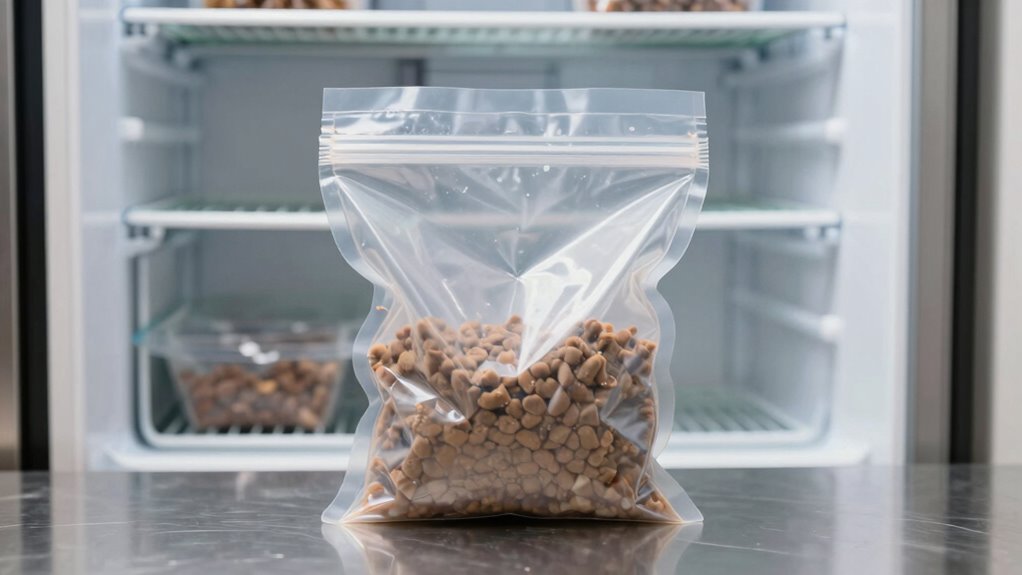
Ensuring your pet’s raw food stays fresh during freezing requires more than just sealing the bags tightly. To prevent freezer burn and ice crystals, focus on dehydration prevention and moisture control. Remove as much air as possible before sealing, since excess moisture can lead to ice formation. Use vacuum sealing to eliminate air pockets that cause dehydration and freezer burn. Wrap larger portions in double layers, like plastic wrap followed by vacuum seal bags, to add extra moisture control. Keep your freezer at a consistent 0°F (-18°C) to slow ice crystal growth. Label packages with dates to ensure proper rotation. Additionally, maintaining proper freezer temperature is essential for preventing ice crystal formation and preserving food quality. Proper power supply considerations, such as backup options, can also help maintain a stable environment and prevent temperature fluctuations that cause freezer burn. Regularly monitoring your freezer’s air circulation helps distribute cold evenly and reduces the risk of localized thawing and refreezing. Implementing temperature stability measures can further prevent the formation of ice crystals and ensure your pet’s food remains fresh. For optimal results, also consider using moisture control packets designed to absorb excess humidity inside the packaging. These steps help maintain the texture, flavor, and nutritional quality of your pet’s food while preventing dehydration and freezer burn.
How Do I Troubleshoot Common Vacuum Sealing Problems?
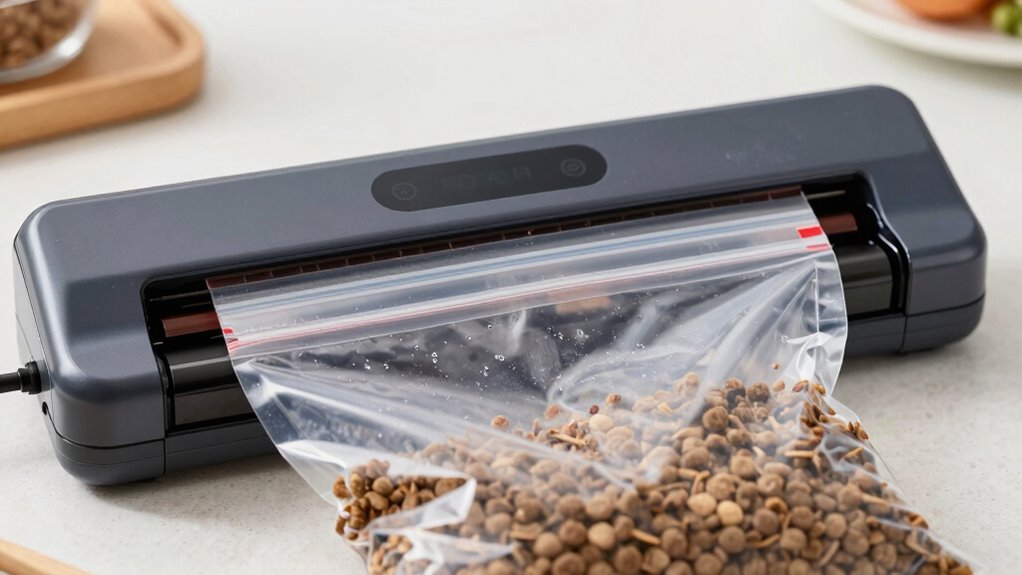
Vacuum sealing raw pet food can sometimes present challenges, but most issues are easily fixable with a bit of troubleshooting. If your seal quality isn’t consistent, check that the bag edges are clean and free of debris before sealing. Make sure the bag is properly positioned in the vacuum sealer and not overfilled, which can prevent a tight seal. Regular machine maintenance is essential; clean the sealing strip and check for any damage or buildup that could interfere with sealing performance. If leaks persist, try resealing with a different bag or adjust the sealing time if your machine allows. Ensuring the machine is functioning correctly and the bags are prepared properly will help you avoid common sealing problems and keep your pet food fresh. Additionally, using connected equipment or monitoring your sealing process with smart appliances can provide real-time feedback and improve your success rate. Incorporating proper storage techniques can also help prevent freezer burn and extend the freshness of your pet food, especially when combined with proper freezing practices to maximize freshness and prevent spoilage. Being aware of common sealing errors can help you quickly identify and fix issues to maintain optimal food quality. Also, understanding the importance of consistent sealing pressure can help achieve more reliable seals during the process.
Frequently Asked Questions
Can I Vacuum Seal Cooked Pet Food as Well?
Yes, you can vacuum seal cooked pet food using proper sealing methods. Make sure the food cools completely before sealing to prevent moisture from causing leaks. Use a high-quality vacuum sealer that creates a tight seal, and consider double sealing for extra protection. This way, you preserve freshness, prevent freezer burn, and keep your pet’s cooked food safe and tasty for longer periods.
How Long Can Vacuum-Sealed Raw Pet Food Be Stored?
Think of your pet’s raw food as a treasure, lasting longer with proper storage. Vacuum-sealed raw pet food stays fresh in the freezer for about 2-3 years, maintaining freezer stability and preventing spoilage. For peak freshness, label each package with the date. While it’s tempting to keep food longer, always check for signs of freezer burn or odor before serving. Proper sealing ensures your pet’s meal stays safe and delicious.
Are There Specific Safety Tips for Sealing Raw Poultry?
When sealing raw poultry, you should follow specific sealing tips to prevent poultry contamination and leaks. Make sure to eliminate as much air as possible to avoid freezer burn, and double-check the seal for security. Always wash your hands and the sealing equipment thoroughly afterward. Using a marinade or juices can cause leaks, so freeze poultry flat first, then vacuum seal to ensure a tight seal and safe storage.
Is It Necessary to Freeze the Pet Food Before Sealing?
Think of freezing as putting your pet’s food in a time capsule, locking in freshness. You don’t always need to freeze first, but it’s beneficial for packaging considerations and preventing leaks. Freezing benefits include easier sealing and reducing spoilage risk, especially with raw poultry. If you choose to freeze, do so before sealing to maintain quality and avoid freezer burn, ensuring your pet’s meal stays fresh and safe.
Can Vacuum Sealing Extend the Shelf Life of Pet Supplements?
Yes, vacuum sealing can extend the shelf life of pet supplements by reducing exposure to air and moisture, which helps prevent spoilage. It also aids in nutrient preservation by keeping the supplements fresh and potent longer. To get the best results, guarantee your seals are airtight and store the sealed supplements in a cool, dark place. This way, you maintain their quality and maximize their longevity.
Conclusion
By choosing the right equipment, sealing carefully, and following best practices, you can prevent leaks, freezer burn, and ice crystals. You’ll safeguard your pet’s food, preserve freshness, and save money. You’ll avoid spoilage, extend shelf life, and ensure peace of mind. With proper sealing, you’ll enjoy fresh, nutritious meals for your pet, simplify your storage, and maintain quality—because when you seal well, you keep fresh, you prevent waste, and you care for your pet’s health.