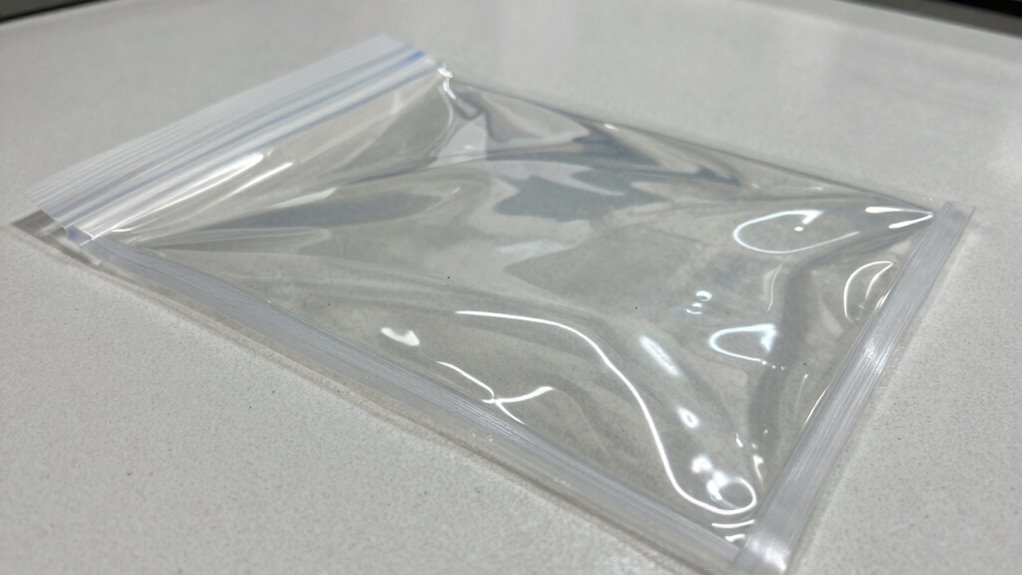
To maximize vacuum sealing effectiveness, choose bags with the right thickness for your food—thicker bags provide better durability and a stronger seal that prevents leaks. Make certain the open end is flat and free of wrinkles before sealing, and leave enough space at the top for proper air removal. Avoid punctures by handling bags carefully, especially around sharp items. Proper sealing techniques and quality materials help prevent leaks, and understanding these basics will improve your sealing results considerably.
Key Takeaways
- Select appropriately thick vacuum bags to enhance seal strength and prevent punctures or tears during storage.
- Ensure the bag’s open end is flat, wrinkle-free, and properly aligned within the sealing strip for a secure seal.
- Use manual or pulse functions to efficiently remove air and improve overall seal integrity.
- Regularly clean and inspect sealing bars and gaskets to prevent leaks caused by dirt or damage.
- Avoid sharp objects near bags and handle them carefully to prevent punctures that compromise the vacuum seal.

Syntus Vacuum Sealer Bags, 150 Gallon 11" x 16" and Quart 8" x 12" and Pint 6" x 10" Commercial Grade PreCut Bag, BPA Free Food Vac Bags for Storage, Meal Prep or Sous Vide
Compatible with All Desktop Vacuum Sealers: These vacuum sealer bags are designed to work with all traditional desktop…
As an affiliate, we earn on qualifying purchases.
As an affiliate, we earn on qualifying purchases.
How to Choose the Best Vacuum Sealer Bags for Your Food
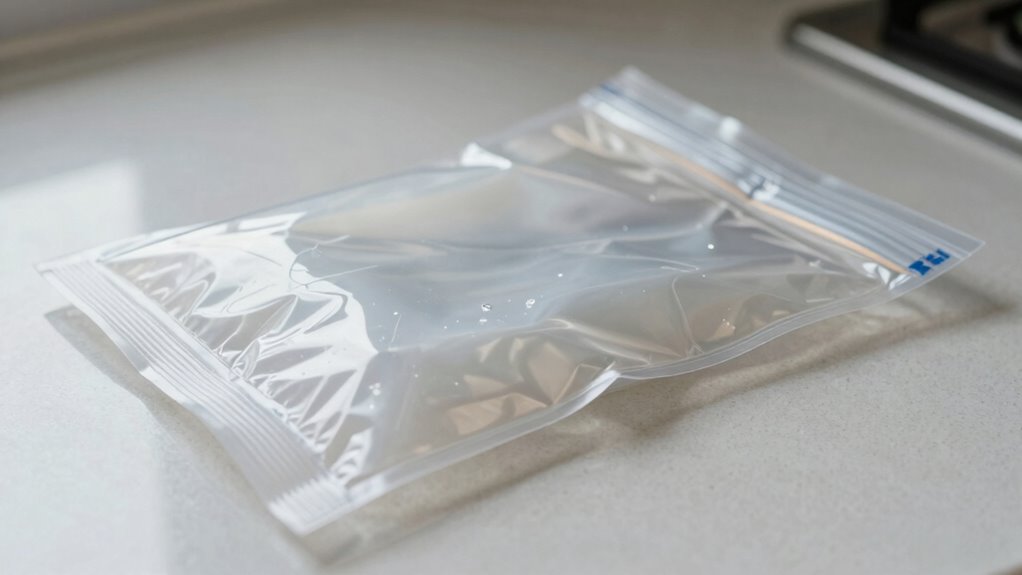
Choosing the right vacuum sealer bags is essential to guarantee your food stays fresh and is properly protected. When it comes to food storage, selecting the appropriate bag type makes a big difference. Consider the size and shape of your food to ensure a snug fit, reducing air pockets that can compromise freshness. Look for bags designed specifically for vacuum sealing, as they provide a reliable seal. Reusable bags are eco-friendly options, while single-use bags are convenient for everyday use. Pay attention to the material quality—thicker bags generally offer better durability and seal strength. Proper bag selection not only extends your food’s shelf life but also preserves flavor, texture, and nutritional value. Making informed choices in bag type and size is key to effective and efficient food storage. Additionally, understanding seal quality can help prevent leaks and maintain freshness over time. For optimal results, consider the material composition of the bags, as it impacts both durability and safety. Some bags also feature barrier properties that enhance their ability to block moisture and oxygen, further protecting your food.

Vixino Vacuum Sealer Bags, 40 Reusable Vacuum Sealer Bags for Food, BPA-Free, Meal Prep and Sous Vide Cooking,Works for Handheld Sealer and Vac Sealer Machine with External Vacuum Systems
♻️ Reusable & BPA-Free: These durable bags are odorless and leakproof. They can be safely used in the…
As an affiliate, we earn on qualifying purchases.
As an affiliate, we earn on qualifying purchases.
How Bag Thickness Affects Food Freshness and Seal Strength
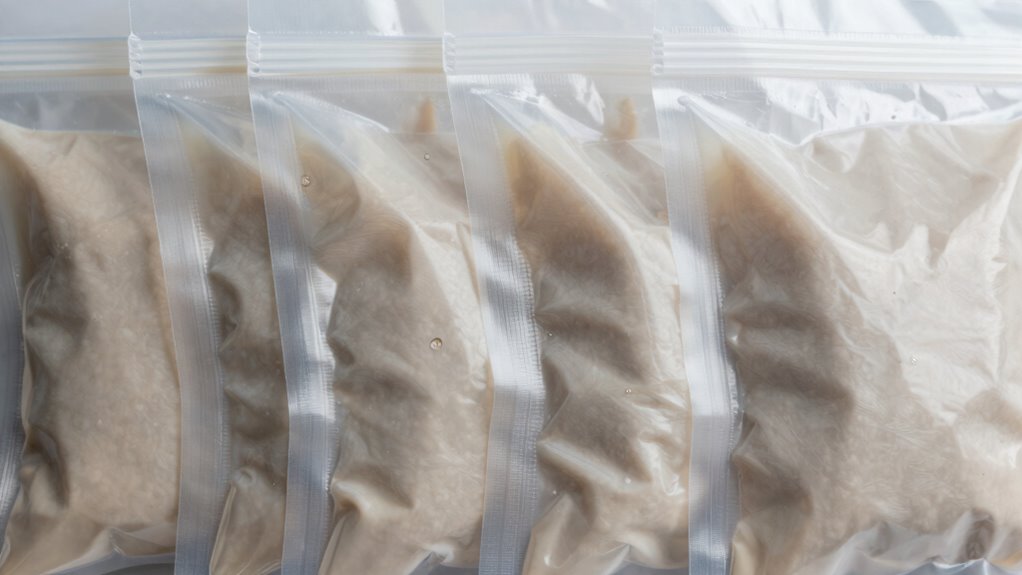
Thicker bags usually offer better barrier durability, helping preserve your food longer. They also provide stronger seal integrity, reducing the risk of leaks. Understanding how bag thickness impacts these factors can help you choose the right packaging for fresh, secure storage. Additionally, selecting appropriate bag materials can further enhance overall performance and food safety. For optimal results, consider bag thickness guidelines based on the type of food and storage duration. Using the correct piercing care and hygiene practices can also prevent contamination and extend the lifespan of your stored items. Proper seal testing methods can ensure your vacuum seals are secure before storing valuable or perishable items. Being aware of material compatibility can help prevent punctures and tears that compromise your vacuum sealing efforts.
Barrier Durability and Food Preservation
The thickness of vacuum-sealing bags plays a crucial role in maintaining food freshness and ensuring a strong seal. Thicker bags typically provide better barrier effectiveness, which helps prevent oxygen, light, and contaminants from penetrating. This durability is essential for preserving food moisture, keeping your items fresh longer. When bags are too thin, they may be more prone to punctures or tears, reducing their barrier durability and risking spoilage. Conversely, thicker bags offer enhanced protection against leaks and environmental factors, ensuring your food stays sealed and fresh. By choosing the right thickness, you improve not only the physical integrity of the bag but also the overall preservation process, keeping your food safe, moist, and flavorful for extended periods. Regularly inspecting your payment security measures can help prevent breaches and ensure your stored food remains protected. Additionally, understanding bag quality factors can help you select the most effective options for your needs. Properly selecting bag thickness is key to maximizing food preservation, especially for long-term storage. Moreover, selecting the appropriate material composition can further enhance the barrier properties of your bags, ensuring optimal freshness over time.
Seal Integrity and Bag Thickness
Bag thickness directly impacts the strength of your seal and the overall freshness of your food. Thicker bags, made from sturdy seal material, provide better resistance against punctures and leaks, ensuring your food stays fresh longer. If the bag is too thin, the seal may be weak or prone to leaks, compromising preservation and risking spoilage. Conversely, a thicker bag enhances seal integrity, making it easier to create a secure, airtight seal. Choosing the right bag thickness depends on what you’re sealing—thicker bags are ideal for bulk or sharp-edged foods, while thinner bags work well for delicate items. Remember, the quality of the seal material combined with appropriate bag thickness directly influences how well your food stays fresh and how reliable your vacuum seal is. Additionally, understanding seal integrity can help you select the best options for different storage needs. To maximize food preservation, selecting the correct bag thickness is essential for maintaining freshness and preventing leaks. Proper seal quality also plays a crucial role in preventing air and moisture from entering the bag, which can lead to spoilage.
Syntus Vacuum Sealer Bags, 150 Gallon 11" x 16" and Quart 8" x 12" and Pint 6" x 10" Commercial Grade PreCut Bag, BPA Free Food Vac Bags for Storage, Meal Prep or Sous Vide
Compatible with All Desktop Vacuum Sealers: These vacuum sealer bags are designed to work with all traditional desktop…
As an affiliate, we earn on qualifying purchases.
As an affiliate, we earn on qualifying purchases.
Tips for Sealing Bags Effectively and Achieving a Perfect Vacuum
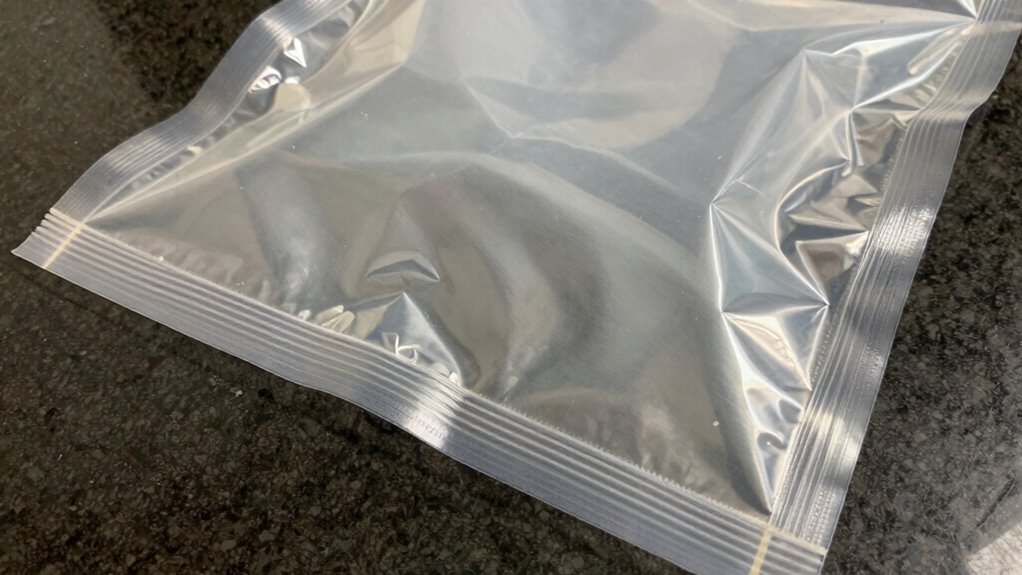
Achieving a perfect vacuum requires careful attention to sealing techniques. First, ensure your bag is free of wrinkles or folds, which can trap air and compromise the seal. To improve air circulation during sealing, position the open end flat and avoid overfilling the bag. Use your vacuum sealer’s manual or pulse function to remove excess air effectively. Make sure the sealing strip is clean and free of debris, and double-check that the bag’s edge is perfectly aligned before sealing. When storing, choose containers that are compatible with vacuum sealing to prevent leaks. Proper sealing creates a tight barrier, reducing air pockets and preserving freshness. Understanding vacuum sealing science can help you improve your technique and achieve better results. Additionally, selecting the right bag thickness can enhance the durability of your seal and prevent leaks. Using proper sealing techniques ensures a more reliable vacuum and longer-lasting storage. With these tips, you’ll achieve a strong seal and a truly vacuumed environment for your stored items.

Bonsenkitchen Precut Vacuum Food Sealer Bags 100 Pint 6" x 10", BPA Free, Commercial Grade Textured Food Vacuum Sealer Bag, Thick Embossed Bags for Food Storage and Sous Vide Cooking VB3204
【BPA FREE】Bonsenkitchen food sealer pint 6" x 10" bags can be microwaved, frozen, re-used, washed, boiled and dishwasher…
As an affiliate, we earn on qualifying purchases.
As an affiliate, we earn on qualifying purchases.
Why Leaks Happen and How You Can Prevent Them
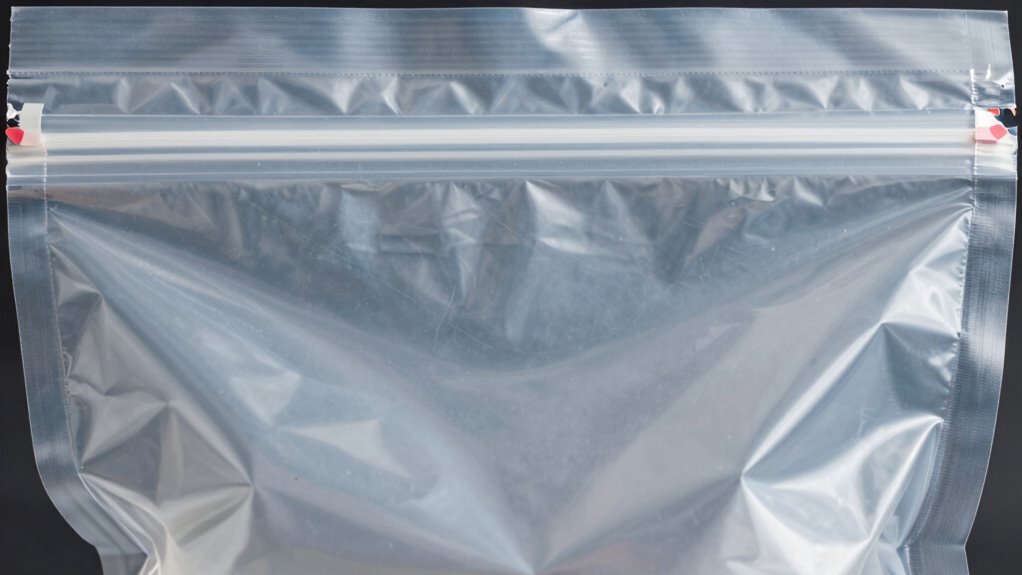
Leaks often happen when bags aren’t placed properly or when sharp objects puncture the material. You can prevent this by ensuring the bag is positioned flat and away from edges or corners. Taking these simple steps helps maintain a secure seal and keeps your food fresh. Additionally, understanding proper sealing techniques can further reduce the risk of leaks and improve the overall effectiveness of vacuum sealing. Being aware of cookie management practices can also help you customize your settings to prevent accidental leaks caused by improper sealing. Proper bag selection is equally important to ensure durability and leak resistance during storage. Incorporating sound healing science principles, such as using specific frequencies, can also enhance the sealing process by reducing vibrations that might compromise the seal. Moreover, selecting the right vacuum sealer model can significantly impact your sealing success rate.
Proper Bag Placement
Even a small mistake in bag placement can cause vacuum sealing failures. To prevent leaks, verify the bag is properly aligned in the vacuum sealer. Misaligned bags can block the seal bar or create uneven seals, leading to air circulation issues and weak spots. Make sure the open end of the bag is flat and free of wrinkles, as folds can prevent a complete seal. Keep the bag’s edges straight and centered within the sealing strip. Also, leave enough space at the top to allow the vacuum sealer to remove air effectively. Proper bag placement ensures even air circulation during the vacuum process and helps create a secure, airtight seal. Additionally, understanding the importance of consistent sealing techniques can help you achieve more reliable results. Taking these steps minimizes the risk of leaks and preserves your food longer, similar to how auditory processing improvements can enhance overall communication clarity.
Avoiding Sharp Objects
Sharp objects like knives, broken glass, or pointed tools can easily puncture or tear vacuum bags, causing leaks that compromise food preservation. These bag punctures allow air and moisture in, risking spoilage. To prevent this, always check for any sharp debris before sealing. Handle bags carefully around rough or jagged edges. Use padding or double-bag fragile items to minimize risk. Being aware of precious metal investment strategies can also help you make informed decisions and avoid costly mistakes.
Troubleshooting Seal Failures and Leaks in Your Vacuum Sealer
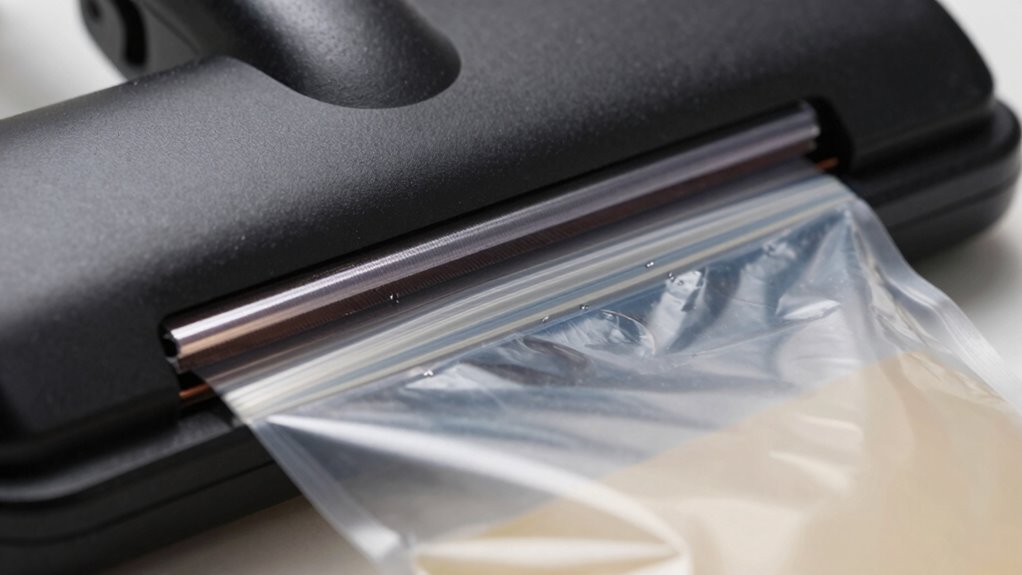
When your vacuum sealer isn’t forming a proper seal or you notice air escaping from the bag, it’s important to identify the root cause quickly. Common seal failure causes include uneven sealing surfaces, dirty or damaged sealing bars, or incorrect bag placement. Use leak detection techniques like submerging the sealed bag in water to pinpoint leaks or inspecting the seal line closely for gaps or tears. Make sure the bag’s edge is clean, dry, and free of wrinkles before sealing. If the seal is weak or broken, reseal after adjusting the bag or cleaning the sealing area. Addressing these issues promptly can prevent spoilage and ensure your vacuum sealing stays reliable. Proper troubleshooting keeps your food fresh and your vacuum sealer working smoothly.
How to Keep Your Vacuum Sealer Working Like New
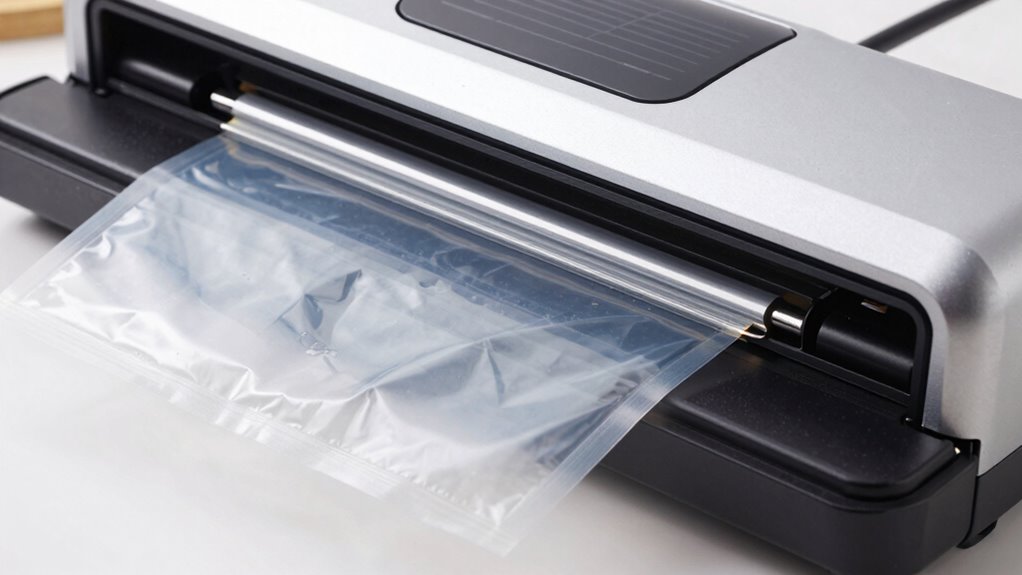
To keep your vacuum sealer working like new, regular maintenance and proper usage are essential. Follow simple maintenance tips and cleaning routines to prevent malfunctions and extend its lifespan. Clean the sealing bar and gaskets regularly to remove debris and residue that can cause leaks. Always wipe down the exterior and interior surfaces with a damp cloth. Use a soft brush to clear out any dust or food particles from vents.
| Maintenance Tips | Cleaning Routines |
|---|---|
| Check seals for wear | Wipe with a damp cloth |
| Clean the sealing bar | Use a vinegar solution |
| Inspect gaskets regularly | Remove debris from vents |
| Clear out dust and dirt | Dry completely before use |
| Test vacuum function | Store in a dry place |
When It’s Time to Upgrade Your Bags or Equipment for Better Results
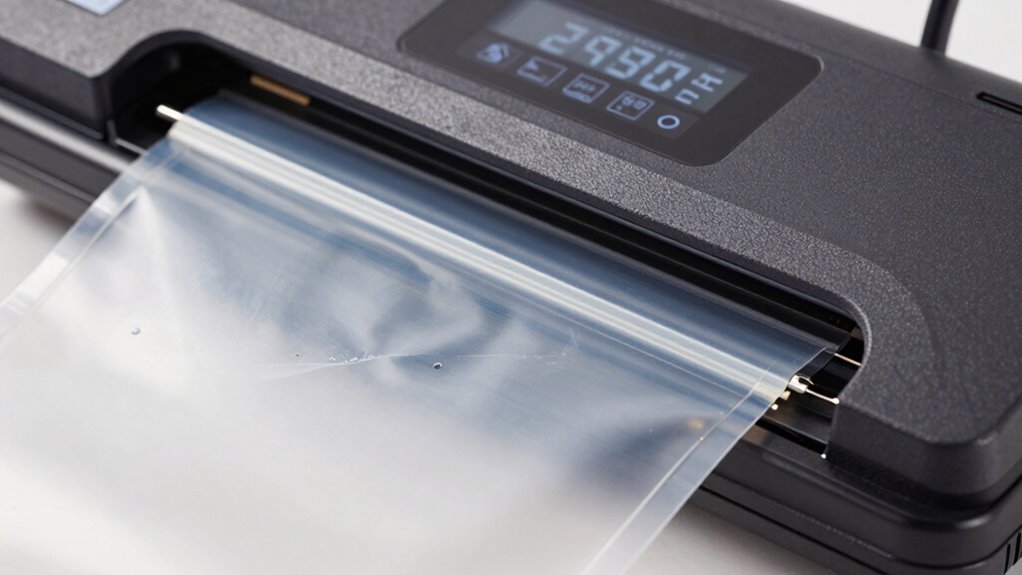
As your vacuum sealing needs evolve, recognizing the signs that it’s time to upgrade your bags or equipment guarantees you achieve the best results. If you notice bags are not sealing properly or the seals are weak and leak, it’s likely due to the bag material or improper sealing temperature. Low-quality bags or those made from thinner materials may not withstand long-term storage or freezer burn, prompting the need for thicker, more durable options. Additionally, inconsistent sealing temperature can cause incomplete seals, so check your sealer’s settings and consider upgrading to equipment with more precise temperature control. Upgrading your bags to higher-quality materials and ensuring your sealer maintains the correct sealing temperature will improve vacuum integrity and prolong freshness.
Frequently Asked Questions
How Does Bag Material Impact Vacuum Seal Longevity?
Your choice of bag material directly impacts vacuum seal longevity by affecting material durability and seal integrity. Thicker, high-quality materials resist punctures and tears better, maintaining a strong seal over time. Conversely, lower-quality or thinner bags may develop leaks more easily, reducing freshness and shelf life. To guarantee your food stays fresh longer, always opt for durable, reliable materials that support a secure, long-lasting seal.
Can Different Food Types Require Specific Bag Thicknesses?
Yes, different food types often need specific bag thicknesses for ideal food storage. For example, when sealing sharp meats like steak, thicker bags prevent punctures and leaks, ensuring freshness. Customizing your bags based on food type enhances durability and preserves quality. By choosing the right bag thickness, you improve food storage efficiency and avoid spoilage, making your vacuum sealing process more reliable and tailored to your needs.
Do Ambient Temperature or Humidity Affect Sealing Quality?
Yes, ambient temperature fluctuations and humidity effects can impact sealing quality. When it’s too hot or humid, your vacuum sealer may struggle to create a proper seal because moisture can interfere with the sealant. Conversely, cold or dry conditions usually help, but extreme cold can make bags more brittle. To guarantee a good seal, operate your vacuum sealer in a stable environment with moderate temperature and humidity levels.
Are There Eco-Friendly Options for Vacuum Sealer Bags?
Think of your choices as planting seeds for a greener future. Yes, eco-friendly options exist for vacuum sealer bags. You can choose biodegradable alternatives that break down naturally or opt for reusable bags that reduce waste and promote sustainability. These options symbolize commitment to the environment, allowing you to seal in freshness while also protecting our planet. Your mindful decisions make a difference, turning everyday actions into a positive impact.
How Often Should Vacuum Sealer Components Be Serviced or Replaced?
You should service your vacuum sealer according to the manufacturer’s recommended maintenance schedule, typically every 6 to 12 months. Regularly check and replace components like the seals, gaskets, and filters to guarantee peak performance. Keep in mind that the component lifespan varies, but timely maintenance helps prevent leaks and extends your vacuum sealer’s life. By staying proactive, you’ll keep it running smoothly and avoid costly repairs.
Conclusion
By choosing the right bag thickness, sealing carefully, and preventing leaks, you can keep your food fresh longer. It’s a common misconception that thicker bags always mean better protection, but proper sealing and quality materials matter more. Regular maintenance and troubleshooting ensure your vacuum sealer stays in top shape. Trust that with these tips, you’ll enjoy fresher food and fewer surprises—proving that a little knowledge goes a long way in mastering vacuum sealing.