

To maintain healthy vitamin D levels while on a raw diet, you need regular sunlight exposure, especially during winter or in higher latitudes when UVB rays are weaker. Aim for 10-30 minutes of midday sun a few times weekly, balancing safety and effectiveness. darker skin or cloudy days may require more time or dietary sources like wild fish. Continue exploring ways to optimize your vitamin D year-round for better health.
Key Takeaways
- Seasonal changes affect UVB intensity, requiring adjustments in sun exposure duration for adequate vitamin D synthesis.
- Short, regular sun exposures during midday optimize vitamin D production while minimizing skin damage.
- Darker skin and higher latitudes need longer or more frequent sun exposure, especially in winter.
- During low sunlight months, incorporating vitamin D-rich foods or supplements supports optimal levels.
- Combining raw diets with mindful sun habits ensures consistent vitamin D status year-round.

Sunlight plays a crucial role in maintaining your health by helping your body produce vitamin D, which is essential for strong bones, immune function, and overall well-being. When you’re outdoors, your skin absorbs ultraviolet B (UVB) rays from the sun, triggering the process of vitamin synthesis. This natural mechanism is your body’s primary way of obtaining vitamin D, and it works best during periods of adequate sun exposure. The amount of sun needed varies depending on your skin type, location, and the time of year. During summer months, shorter periods of sun exposure can suffice, while in winter, you might need to spend more time outside or consider alternative methods to maintain your vitamin D levels.
Sunlight helps your body produce vitamin D essential for bones and immunity.
As you think about your raw diet and how it intersects with seasonal changes, understanding sun exposure becomes even more critical. Raw foods, especially those rich in nutrients, can support your immune system, but they don’t replace the need for vitamin D. Without sufficient sun exposure, your body’s ability to produce this essential nutrient diminishes, potentially leading to deficiencies that affect bone health, mood, and immune response. During the colder months, you might notice fewer opportunities for direct sun exposure, which could impact your vitamin synthesis. In those times, supplementing with vitamin D or consuming fortified foods can help maintain your levels and support your overall health.
It’s important to balance sun exposure safely to avoid skin damage while maximizing vitamin D production. Short, regular periods in the sun—around 10 to 30 minutes depending on your skin type—can be enough for vitamin synthesis without increasing your risk of sunburn. If you have darker skin or live at higher latitudes, you might need a bit more time outdoors. Remember, the intensity of UVB rays varies throughout the day, peaking around midday, so planning your sun exposure accordingly can enhance vitamin D production. When direct sunlight isn’t an option, especially during winter or in cloudy climates, consider incorporating foods rich in vitamin D into your raw diet, such as wild-caught fish, or taking a supplement to ensure your levels stay adequate. Being mindful of seasonal variations in sun exposure can help optimize your vitamin D production all year round.
Ultimately, recognizing how seasonal changes influence sun exposure and vitamin synthesis helps you adapt your habits year-round. Being mindful of these factors ensures your body continues to produce enough vitamin D to support your bones, immune system, and overall health, regardless of the season. Combining sensible sun habits with a nutrient-dense raw diet creates a balanced approach to maintaining excellent health throughout the year.

Nature Made Vitamin D3 1000 IU (25 mcg), Vitamin D Supplement for Bone, Teeth, Muscle and Immune Health Support, 300 Softgels, 300 Day Supply
Immune, muscle, teeth and bone health support supplement: contains one 300 count bottle of Nature Made Vitamin D3…
As an affiliate, we earn on qualifying purchases.
As an affiliate, we earn on qualifying purchases.
Frequently Asked Questions
How Does Skin Pigmentation Affect Vitamin D Synthesis?
Your skin pigmentation, especially melanin impact, substantially influences vitamin D synthesis. Darker skin tones have higher melanin levels, which act as a natural sunscreen, reducing UVB absorption. This means you need more sun exposure to produce adequate vitamin D compared to lighter skin. Conversely, lighter skin allows for quicker vitamin D production because less melanin blocks UVB rays. Your skin tone directly affects how efficiently your body makes vitamin D from sunlight.
Can Dietary Sources Replace Sunlight for Vitamin D?
Dietary sources can help supplement your vitamin D levels, but they generally can’t fully replace sunlight. Food sources like fatty fish, egg yolks, and fortified products provide some vitamin D, yet you might need supplements for ideal levels, especially in low sunlight seasons. Keep in mind, supplement effectiveness varies based on dosage and individual needs, so consulting a healthcare professional ensures you get the right amount for your health.
What Are the Risks of Excessive Sun Exposure?
Exposing yourself to too much sun risks skin damage, such as burns and premature aging, and increases skin cancer chances. Overexposure can also lead to heat exhaustion, causing symptoms like dizziness, headaches, and weakness. You should limit direct sunlight, especially during peak hours, wear protective clothing, and stay hydrated. Taking these precautions helps you enjoy sunlight’s benefits without risking serious health issues.
How Do Age and Health Conditions Influence Vitamin D Needs?
You might need more vitamin D if you’re older or have health conditions affecting absorption, unlike younger, healthier individuals. Age-related absorption declines, so dietary alternatives like supplements or fortified foods become essential. Chronic illnesses or medications can also hinder vitamin D uptake, increasing your deficiency risk. To maintain ideal levels, it’s vital to adjust your intake based on your age and health, ensuring your body gets enough for strong bones and overall health.
Are Supplement Options Effective for Winter Vitamin D Deficiency?
Supplements are effective for winter vitamin D deficiency if you choose the right type and dosage. You should consider supplement efficacy and consult your healthcare provider to determine the appropriate dosage, especially if you have underlying health conditions or are on medications. Taking a daily vitamin D supplement helps maintain ideal levels, but consistent intake and proper dosing are key to preventing deficiency during months with limited sunlight.

OMAYKEY 3 Pack 50W UVA + UVB Full Spectrum Sun Lamp Sunbathe Heat Lamp/Bulb/Light for Lizard Reptiles & Amphibians
This 50W full spectrum small sun light halogen basking lamp is made of high-quality glass, includesing durable wick…
As an affiliate, we earn on qualifying purchases.
As an affiliate, we earn on qualifying purchases.
Conclusion
Remember, you are what you eat and what you soak up from the sun. As seasons change, so do your vitamin D needs—so get outside when you can and include raw, nutrient-rich foods in your diet. Don’t forget, a little sunshine and fresh produce go a long way. It’s true what they say: “An ounce of prevention is worth a pound of cure.” Stay mindful of your body’s needs year-round.
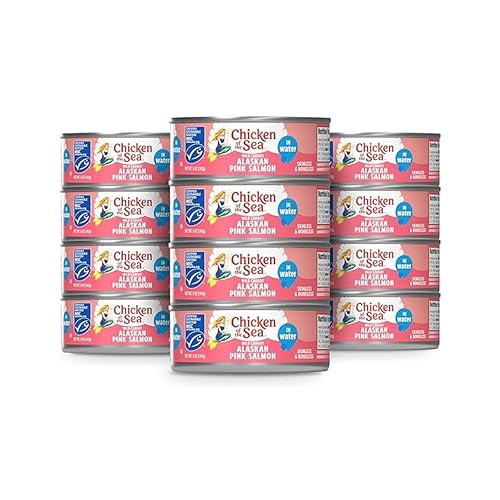
Chicken of the Sea Alaskan Pink Canned Salmon in Water, 5 Ounce Cans, 12-Count – High Protein Skinless & Boneless Wild Caught Salmon – Delicious Wild Salmon for Burgers, Pasta, & More
DELICIOUS PINK SALMON: Chicken of the Sea canned salmon contains high quality cuts of boneless, skinless wild salmon…
As an affiliate, we earn on qualifying purchases.
As an affiliate, we earn on qualifying purchases.
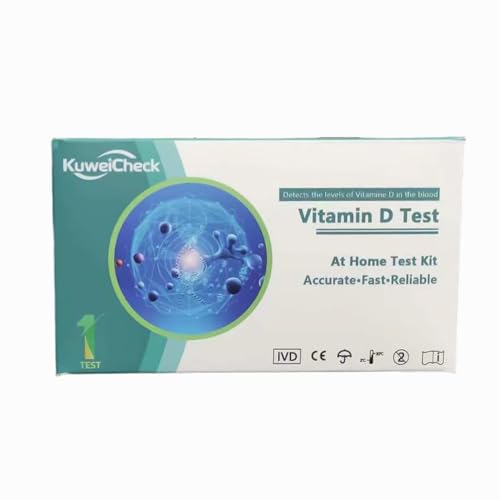
KuweiCheck Vita D Deficiency at Home Test kit
Instant result
As an affiliate, we earn on qualifying purchases.
As an affiliate, we earn on qualifying purchases.