TL;DR

Get health and wellness essentials delivered free with Prime
- Fast, free delivery on millions of items
- Prime Video, Amazon Music and more included
- Member-only deals all year
The University of Lancashire’s “The Person Before the Patient” placement puts first-year medical students in care homes to learn about residents through conversation. Student reflections describe practicing patient listening and empathy, but the project did not formally measure empathy or establish lasting effects.
The University of Lancashire made its care-home conversation placement compulsory for first-year medical students in 2024/25, asking them to learn about residents’ lives rather than take medical histories or make diagnoses. Reflections from participating students describe practicing listening and empathy, although the project did not formally measure whether those skills changed or lasted.
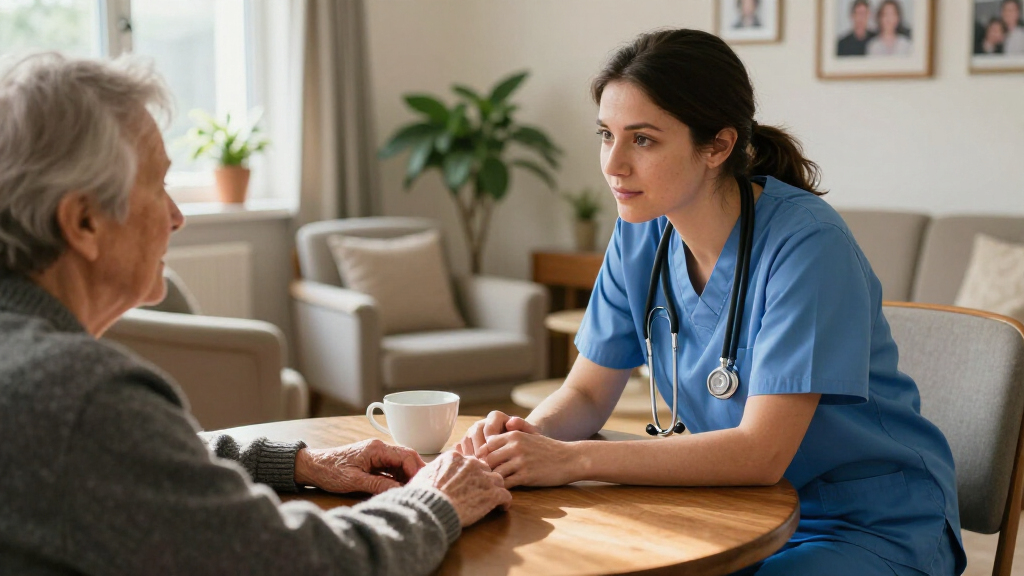
Called The Person Before the Patient, the project was piloted in 2023/24 and now runs across 11 care homes. Students spend four weeks meeting residents, some of whom live with dementia, frailty or long-term conditions. The intended task is conversation: students learn about residents’ interests and experiences, following the resident’s lead rather than conducting a clinical assessment.
One student said they initially felt nervous about starting conversations and worried about keeping them going. In a reflection, another described learning to adapt their communication, listen more and allow a resident to guide the exchange. The student also noted the value of waiting through silences and paying attention to facial expressions and gestures.
Of 281 students who took part, 157 voluntarily submitted written reflections for a project with ethical approval. These accounts record what respondents said they learned; they are not a formal assessment of empathy. The report’s author says the project did not measure empathy directly and cautions that students who chose to respond may have had more positive views of the placement.
Practicing Person-Centred Listening
The placement gives students early contact with older people outside a simulated consultation or a task focused on diagnosis. Its educational premise is that learning who a person is—and listening at their pace—can help future clinicians communicate with patients whose needs or circumstances make conversation more complex.
That practice is relevant to people with hearing loss or memory difficulties, for whom students may need to adapt how they communicate. NICE dementia guidance, cited in the report, recommends tailoring communication to people’s needs and taking account of their histories and preferences. A care-home conversation can offer time to practice those approaches in a setting less constrained by a short clinical appointment.
The work also addresses a concern in medical education: students may absorb attitudes from clinical environments as well as formal lessons. Research on empathy during training has produced mixed findings, and the report notes that workload and poor role models may contribute to emotional detachment. The placement offers one practical opportunity to keep attention on the person, but its reflections alone cannot show that it changes later clinical behavior.
medical communication training tools
As an affiliate, we earn on qualifying purchases.
As an affiliate, we earn on qualifying purchases.
From Pilot to Required Placement
The project began as a 2023/24 pilot at the University of Lancashire and became compulsory for first-year medical students the following academic year. Its early timing is deliberate: students meet residents before their medical training has centered their interactions on assessment and clinical questioning.
Other programs and studies offer relevant but not identical evidence. An Australian study of 61 fifth-year medical students found that five-day care-home placements improved dementia knowledge and attitudes toward working with older people, though some students questioned the placements’ educational value. The report also cites a UK evaluation of Time for Dementia, in which regular visits to people with dementia and their families improved students’ knowledge and attitudes but showed no significant difference in measured empathy compared with other students.
A separate New Zealand analysis examined reflections from five students involved in nursing-home care. Some accounts suggested hands-on care helped students see residents as individuals; others described feeling overwhelmed by difficult experiences. That study was about personal care, not the Lancashire project’s conversation-based placement, but the report uses it to highlight why students may need support to reflect on discomfort.
“I was very nervous at the start of the placement because I have always struggled with starting conversations.”
— A first-year medical student reflecting on the placement
Empathy Gains Are Not Measured
The project cannot establish whether students became more empathetic, retained any learning, or behaved differently with patients in later clinical settings. Its evidence here consists of voluntary written reflections, and the author says empathy was not formally measured. Students who responded may not represent those who did not.
Evidence from other programs does not settle the question. The Time for Dementia evaluation reported gains in knowledge and attitudes but no significant difference in measured empathy, while a review of long-term empathy training found little evidence that gains persist. The report says a stronger evaluation would follow students over time, including after they enter clinical training.
Residents’ experiences also need attention. The source says care-home managers report that many residents enjoy visits and look forward to students returning, but it does not provide a formal assessment of residents’ outcomes. Participation should remain voluntary, and residents should control what they choose to share. The report describes some homes involving residents in discussions about hosting students and how placement funding is used, but does not give further details about how this works across all 11 homes.
Longer-Term Evaluation Needed
The report identifies evaluation over time as the next step: researchers would need to assess students beyond their immediate reflections and follow them into clinical training to test whether learning persists or affects practice. No timeline or specific follow-up study is provided in the source material.
For the placement itself, the account describes an ongoing program across 11 care homes, with resident choice and involvement as important considerations. Further reporting would be needed to establish how consistently residents help shape visits, what residents themselves gain, and whether the program produces measurable educational outcomes.
Key Questions
What do medical students do during the placement?
Students spend four weeks in a care home getting to know residents through conversation. They are not there to take medical histories or make diagnoses; the focus is on residents’ interests and experiences.
Where and when did the placement begin?
The University of Lancashire piloted The Person Before the Patient in 2023/24 and made it compulsory for first-year medical students in 2024/25. It operates across 11 care homes.
Did the project prove that students became more empathetic?
No. Students described experiences they associated with empathy, but the project did not formally measure empathy or determine whether any changes lasted.
Do residents choose whether to take part?
The report says residents should be able to choose whether to participate and what to share. It describes some homes involving residents in discussions about hosting students, but does not explain how participation is arranged in every home.
What evidence would clarify the placement’s effects?
The report’s author says a fuller evaluation would follow students over time, including after they begin clinical training. That could help establish whether the reported learning persists and affects clinical communication.
Source: rss
Halloween Picks
halloween
As an affiliate, we earn on qualifying purchases.