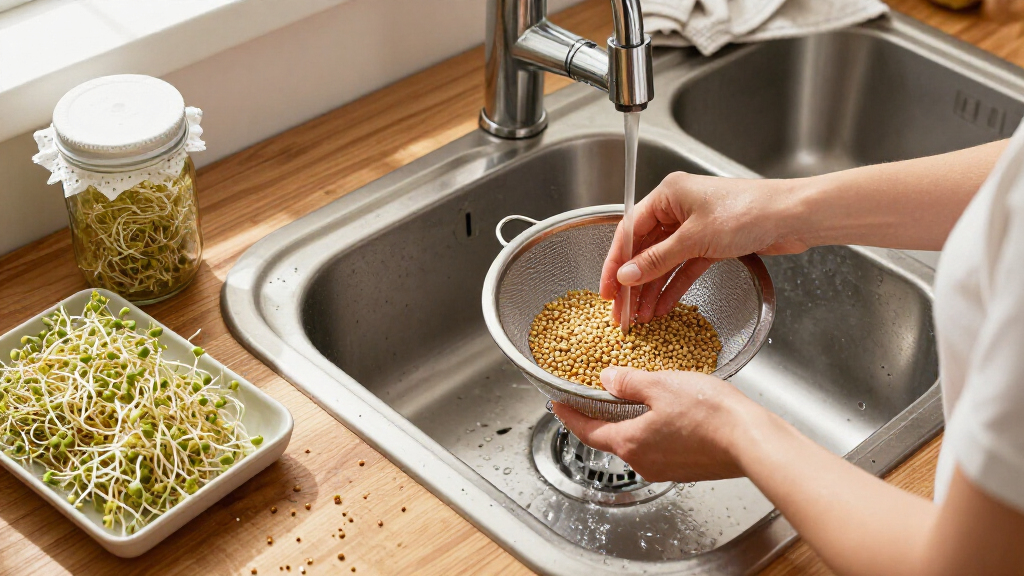

Finding the best alfalfa sprouting seeds comes down to three things: germination rate, organic certification, and how much seed you actually need before it loses viability. My top pick, Food to Live Organic Alfalfa Sprouting Seeds, earns the top spot for its consistent germination and clean, batch-tested seed at a mid-size quantity that suits both beginners and regular sprouters. If you want a smaller starter amount, Starwest Botanicals’ 4 oz pouch is a low-commitment entry point, while the 5 lb Food to Live bulk bag makes sense only for households that sprout weekly. The main tradeoff in this category is freshness versus price per ounce — bulk bags save money but seeds older than a year sprout patchily, and uncertified seed can carry contamination risk. Read on for the full breakdown of all 15 options.

Get health and wellness essentials delivered free with Prime
- Fast, free delivery on millions of items
- Prime Video, Amazon Music and more included
- Member-only deals all year
Key Takeaways
- Germination consistency separated the winners: Food to Live and Nature Jim’s produced dense, even mats of sprouts, while several generic bulk packs showed patchy germination past day four.
- Organic certification (USDA or equivalent) is the clearest quality signal in this lineup — every top-five pick carries it, because sprouting conditions that grow seeds also grow pathogens if the seed isn’t clean.
- The 8 oz to 1 lb range is the sweet spot for most buyers: big enough for dozens of batches, small enough to use within the 12-month viability window.
- The 5 lb bulk bag only makes sense if you sprout multiple jars weekly — otherwise you pay less per ounce but waste seed to age-related germination decline.
- The Nature Jim’s Salad Mix is the only blend worth a slot here; it trades pure alfalfa flavor for added broccoli, clover, and radish bite, which suits people who find straight alfalfa too mild.
| Organic Alfalfa Sprout Seeds, 16 oz |  | Best Overall | Seed type: Alfalfa (Medicago sativa) | Weight: 16 oz | Certification: Certified organic by Oregon Tilth | VIEW LATEST PRICE | See Our Full Breakdown |
| Food to Live Organic Alfalfa Sprouting Seeds, 8 oz |  | Best for First-Time Sprouters | Weight: 8 oz | Type: Alfalfa sprouting seeds | Certifications: Organic, non-GMO, kosher | VIEW LATEST PRICE | See Our Full Breakdown |
| Food to Live Alfalfa Seeds for Sprouting, 1 Pound |  | Best Value for Frequent Sprouters | Brand: Food to Live | Weight: 1 Pound | Dietary: Vegan, Kosher, Raw | VIEW LATEST PRICE | See Our Full Breakdown |
| USDA Organic Alfalfa Sprouting Seeds – 1 Pound, Non-GMO, for Sprouting & Microgreens |  | Best for Dual-Purpose Growing | Brand: TradeKing | Weight: 1 Pound | Certification: USDA Organic (CCOF) | VIEW LATEST PRICE | See Our Full Breakdown |
| NOW Foods Organic Alfalfa Seeds for Sprouting, 12 oz |  | Best for Allergen-Sensitive Kitchens | Weight: 12 oz | Seed: Alfalfa | Use: Home sprouting | VIEW LATEST PRICE | See Our Full Breakdown |
| Nature Jim’s Sprouts Organic Alfalfa Sprouting Seeds, Non-GMO, 16 oz |  | Best for Beginners | Brand: Nature Jim’s Sprouts | Seed Type: Alfalfa | Organic: Yes | VIEW LATEST PRICE | See Our Full Breakdown |
| Handy Pantry Certified Organic Alfalfa Sprouting Seeds, 8 oz |  | Best for Small Batches | Seed Type: Alfalfa | Weight: 8 oz | Certification: Oregon Tilth Certified Organic | VIEW LATEST PRICE | See Our Full Breakdown |
| Starwest Botanicals Organic Alfalfa Sprouting Seeds – 4 oz |  | Best Trial Size | Botanical Name: Medicago sativa | Origin: United States | Certification: USDA Certified Organic, cGMP Compliant | VIEW LATEST PRICE | See Our Full Breakdown |
| Alfalfa Sprouting Seeds, 16oz Bulk Pack, Organic & Non-GMO |  | Best Fast-Harvest Bulk Value | Size: 16 oz (1 lb) | Seed Type: Alfalfa | Certification: Organic, Non-GMO | VIEW LATEST PRICE | See Our Full Breakdown |
| Nature Jim’s Organic Sprouting Salad Mix, Broccoli, Alfalfa, Clover, and Radish, 1 lb |  | Best Flavor Variety | Seed Varieties: Broccoli, alfalfa, clover, and radish | Weight: 1 lb | Seed Type: Organic, non-GMO blend | VIEW LATEST PRICE | See Our Full Breakdown |
| Back to the Roots Organic Alfalfa Seeds, 1 lb |  | Best Brand-Backed Pick | Weight: 1 lb (16 oz) | Certification: USDA Certified Organic | GMO Status: Non-GMO | VIEW LATEST PRICE | See Our Full Breakdown |
| Majero Organic Alfalfa Sprout Seeds – 16 oz |  | Best Germination Reliability | Package Size: 16 oz | Certification: USDA Organic, Non-GMO | Germination Rate: 95% (third-party tested) | VIEW LATEST PRICE | See Our Full Breakdown |
| Seedboy Organic Non-GMO Alfalfa Sprouting Seeds (8 oz) |  | Best for Beginners | Package Size: 8 oz | Certification: USDA Certified Organic (OTCO) | GMO Status: Non-GMO | VIEW LATEST PRICE | See Our Full Breakdown |
| Food to Live Alfalfa Seeds for Sprouting, 5 lb |  | Best Bulk Value | Weight: 5 lb | Seed Type: Alfalfa | Intended Use: Sprouting and microgreens | VIEW LATEST PRICE | See Our Full Breakdown |
| HOME GROWN Alfalfa Sprouting and Microgreen Seeds, 16 oz |  | Best for Flexible Indoor/Outdoor Growing | Package Size: 16 oz | Seed Type: Alfalfa, heirloom, GMO-free | Germination Time: About 5 days | VIEW LATEST PRICE | See Our Full Breakdown |
| alfalfa sprouting seed | Weight | Seed type | Certification |
|---|---|---|---|
| Organic Alfalfa Sprout Seeds | 16 oz | Alfalfa (Medicago sativa) | Certified organic by Oregon Tilth |
| Food to Live Organic Alfalfa S | 8 oz | — | — |
| Food to Live Alfalfa Seeds for | 1 Pound | — | — |
| USDA Organic Alfalfa Sprouting | 1 Pound | — | USDA Organic (CCOF) |
| NOW Foods Organic Alfalfa Seed | 12 oz | — | — |
| Nature Jim’s Sprouts Organic A | — | Alfalfa | — |
| Handy Pantry Certified Organic | 8 oz | Alfalfa | Oregon Tilth Certified Organic |
| Starwest Botanicals Organic Al | — | — | USDA Certified Organic, cGMP Compliant |
| Alfalfa Sprouting Seeds | — | Alfalfa | Organic, Non-GMO |
| Nature Jim’s Organic Sprouting | 1 lb | Organic, non-GMO blend | — |
| Back to the Roots Organic Alfa | 1 lb (16 oz) | — | USDA Certified Organic |
| Majero Organic Alfalfa Sprout | — | Heirloom | USDA Organic, Non-GMO |
| Seedboy Organic Non-GMO Alfalf | — | — | USDA Certified Organic (OTCO) |
| Food to Live Alfalfa Seeds for | 5 lb | Alfalfa | — |
| HOME GROWN Alfalfa Sprouting a | — | Alfalfa, heirloom, GMO-free | — |
More Details on Our Top Picks
Organic Alfalfa Sprout Seeds, 16 oz
Sereniseed’s 16 oz bag stands out as the most defensible all-around pick because it’s the only option here pairing Oregon Tilth organic certification with explicit pathogen, purity, and germination testing. That combination matters more than weight or price: raw sprouts carry inherent contamination concerns, and the Food to Live 1 Pound bag only promises a high germination rate without mentioning pathogen screening. Compared with the NOW Foods 12 oz option, you get a larger quantity in a seed explicitly cleared for both sprouting and microgreen setups, which gives beginners a second growing method to try without buying another bag. The tradeoff is modest: like all raw alfalfa, these seeds demand cool, dry storage, and a pound of seed is a lot of sprouting cycles if you’re only feeding one or two people.
Pros:- Certified organic by Oregon Tilth and non-GMO
- Explicitly tested for pathogens, purity, and germination
- Works for both sprouting and microgreens
- USA-sourced seed with open-pollinated characteristics
- Large 16 oz quantity suits regular sprouters
Cons:- Requires cool, dry storage to maintain germination over time
- Full pound may go stale for light or occasional users
Best for: Households that sprout weekly and want certified, safety-tested seed with headroom for microgreen experiments
Not ideal for: Solo sprouters or first-timers who won’t finish a full pound before germination quality declines
- Seed type:Alfalfa (Medicago sativa)
- Weight:16 oz
- Certification:Certified organic by Oregon Tilth
- Seed characteristics:Non-GMO, open-pollinated
- Origin:USA
- Testing:Pathogens, purity, and germination
- Soil type:Sandy soil
- Brand:Sereniseed
Our verdict“Buy this if you sprout regularly and want the strongest combination of organic certification and safety testing in the lineup.”
Food to Live Organic Alfalfa Sprouting Seeds, 8 oz
This 8 oz bag earns its spot as the gentlest entry point into home sprouting. Where the Sereniseed 16 oz bag commits you to a large quantity, this half-size option lets a beginner test the habit cheaply, and its clearly documented instructions make it approachable: three tablespoons of seed yield roughly three cups of sprouts in about three days, no special equipment needed. The sprouts have a mildly nutty character that suits salads and sandwiches without overwhelming them, and the organic, non-GMO, kosher credentials match what you’d find in the larger Food to Live 1 Pound bag. The honest tradeoff is the maintenance rhythm — rinsing and draining every 8–12 hours — and the short fridge life of finished sprouts, so this pick makes the most sense for people home enough to keep the routine.
Pros:- Sprouts in roughly 3 days with no special equipment
- Clear yield guidance — about 3 cups from 3 tablespoons
- Organic, non-GMO, and kosher certified
- Seeds store up to 12 months in a cool, dry place
Cons:- Requires rinsing and thorough draining every 8–12 hours
- Finished sprouts keep only 3–5 days refrigerated
Best for: Beginners and small households wanting a low-commitment starter bag with clear yield expectations
Not ideal for: Busy or frequently away sprouters who can’t manage twice-daily rinsing and draining
- Weight:8 oz
- Type:Alfalfa sprouting seeds
- Certifications:Organic, non-GMO, kosher
- Dietary attributes:Raw, vegan
- Sprouting time:Approximately 3 days
- Seed storage life:Up to 12 months in a cool, dry place
- Sprout storage life:Approximately 3–5 days refrigerated
- Yield:About 3 cups of sprouts from 3 tablespoons of seed
Our verdict“Choose this if you’re new to sprouting and want a small, forgiving bag before committing to a full pound.”
Food to Live Alfalfa Seeds for Sprouting, 1 Pound
Compared with its 8 oz sibling, this 1 Pound Food to Live bag is the quantity play: same brand reliability, same mild nutty flavor, but double the seed for households that have already settled into a sprouting routine. Its selling points are a high germination rate and genuinely good flavor — mildly sweet and nutty, rich in vitamins K and C — which makes it a natural candidate for blending with stronger sprouts like radish or broccoli, something the NOW Foods 12 oz option doesn’t emphasize. The vegan, kosher, and raw certifications cover the usual dietary bases. What you give up is the organic certification carried by the Food to Live 8 oz version, and as with all raw sprouting seed, careful handling during growth and harvest is on you, since pathogen testing isn’t advertised the way it is with Sereniseed.
Pros:- High germination rate for easy, reliable sprouting
- Rich in vitamins K and C, antioxidants, and minerals
- Mild, slightly sweet flavor that blends well with radish, clover, and broccoli sprouts
- Vegan, kosher, and raw to fit most dietary needs
- Full pound of seed suits frequent sprouting
Cons:- Not certified organic, unlike the smaller Food to Live option
- Raw sprouts demand careful handling to avoid contamination risks
Best for: Established sprouters who go through seed steadily and blend alfalfa with other sprout varieties
Not ideal for: Buyers who prioritize certified organic seed or documented pathogen screening
- Brand:Food to Live
- Weight:1 Pound
- Dietary:Vegan, Kosher, Raw
- Germination rate:High
- Flavor:Mild, slightly sweet, nutty
- Nutrients:Vitamins K and C, antioxidants, minerals
- Pairing:Mixes well with radish, clover, and broccoli sprouts
Our verdict“Pick this if you sprout in volume, mix sprout varieties, and don’t need the organic stamp.”
USDA Organic Alfalfa Sprouting Seeds – 1 Pound, Non-GMO, for Sprouting & Microgreens
TradeKing’s 1-pound bag earns its niche as the most hardware-agnostic option in this batch. The listing explicitly covers sprouting jars, countertop sprouters, and microgreen trays, which makes it the natural pick for someone who owns — or plans to own — multiple growing setups. Where the Sereniseed bag also handles sprouting and microgreens, TradeKing counters with CCOF USDA organic certification and a stated five-day germination window, giving you a predictable harvest rhythm compared with the looser three-day estimate on the Food to Live 8 oz bag. The sprouts deliver fiber, vitamin C, vitamin K, and minerals at low calorie density. The main knock: documentation is thinner than competitors’ — no explicit pathogen or germination testing details — and the listing itself is sparse, so you’re trusting the certification over detailed lab claims.
Pros:- USDA Organic certified by CCOF and non-GMO
- Explicitly versatile across jars, trays, and countertop sprouters
- Predictable 5-day sprouting window
- High germination rate with a full pound of seed
Cons:- No pathogen or germination testing details provided
- Sparse listing with less guidance than Food to Live’s documented instructions
Best for: Growers using multiple setups — jars, trays, or countertop sprouters — who want one bag that covers both sprouts and microgreens
Not ideal for: Buyers who want documented pathogen testing and detailed germination data before trusting raw seed
- Brand:TradeKing
- Weight:1 Pound
- Certification:USDA Organic (CCOF)
- GMO status:Non-GMO
- Germination time:Approximately 5 days
- Plant type:Alfalfa
- Compatible setups:Sprouting jars, trays, countertop sprouters
Our verdict“Best for multi-setup growers who want certified organic seed that moves easily between sprouting jars and microgreen trays.”
NOW Foods Organic Alfalfa Seeds for Sprouting, 12 oz
NOW Foods takes a different angle than every other pick here: this is a supplement-brand approach to sprouting seed, with an unusually long list of free-from claims — soy free, gluten free, dairy free, egg free, sugar free, and low sodium. For households managing multiple allergies, that labeling discipline is a real differentiator, and it’s something neither Sereniseed nor TradeKing offers in comparable detail. The seed is germination tested, USA grown, and organic, with a mild flavor that holds up in salads, sandwiches, soups, and even cooked dishes, where more delicate sprouts wilt. The 12 oz size sits neatly between the 8 oz Food to Live starter and the full-pound bags — though note the middle size doesn’t save you from the same reality as the others: successful sprouting still depends on your routine and conditions, and there’s no explicit pathogen testing claim like the Sereniseed bag carries.
Pros:- Extensive allergen labeling — soy, gluten, dairy, egg free, sugar free, low sodium
- Germination tested for reliable home results
- USA-grown certified organic seed
- Versatile mild sprouts suitable for raw and cooked dishes
Cons:- No explicit pathogen testing claim
- Sprouting success still depends on user preparation and conditions
Best for: Allergen-sensitive households and supplement-brand loyalists who value extensive free-from labeling
Not ideal for: Buyers prioritizing pathogen-tested seed or the lowest cost per ounce in bulk quantities
- Weight:12 oz
- Seed:Alfalfa
- Use:Home sprouting
- Organic:Yes
- Origin:Grown in the USA
- Certifications:Non-GMO, vegan, kosher
- Free-from claims:Soy free, sugar free, gluten free, dairy free, egg free, low sodium
- Testing:Germination tested
Our verdict“Choose this if allergen labeling is a priority and you want a trusted supplement brand’s organic, germination-tested seed.”
Nature Jim’s Sprouts Organic Alfalfa Sprouting Seeds, Non-GMO, 16 oz
What sets Nature Jim’s Sprouts apart from otherwise similar 16 oz pouches is the included step-by-step sprouting instructions. Most bulk competitors, like the generic 16oz Organic Alfalfa Sprout Seeds elsewhere in this roundup, assume you already know the soak-rinse-drain rhythm; this one walks first-timers through it. The resealable pouch is a genuine convenience for anyone sprouting in small batches, since a one-pound bag otherwise loses viability once opened. The seeds themselves are clean of additives and fillers, which matters because sprouting magnifies whatever is on the seed surface. The tradeoff is unchanged from every other option here: consistent twice-daily rinsing is non-negotiable, and skipping even a day can spoil a batch.
Pros:- Beginner-friendly with step-by-step instructions included
- Organic and non-GMO with no additives or fillers
- Resealable pouch preserves seed freshness between batches
- 16 oz size balances value without overwhelming new sprouters
Cons:- Requires consistent twice-daily rinsing and draining
- No stated germination rate, so batch consistency is less predictable than bulk rivals
Best for: First-time sprouters who want clear instructions and a mid-size bag they won’t waste
Not ideal for: Hands-off gardeners who can’t commit to a twice-daily rinsing schedule
- Brand:Nature Jim’s Sprouts
- Seed Type:Alfalfa
- Organic:Yes
- Non-GMO:Yes
- Package Size:16 oz
- Packaging:Resealable pouch
- Instructions:Step-by-step included
Our verdict“The safest starting point for a first jar of sprouts, as long as you can stick to the rinsing routine.”
Handy Pantry Certified Organic Alfalfa Sprouting Seeds, 8 oz
Compared with the 16 oz heavyweights in this lineup, Handy Pantry’s 8 oz pouch makes sense for sprouters who only go through a jar every week or two. Seeds lose germination vigor over months once opened, so a smaller bag means fresher seed with every batch — a real advantage over bulk options like the 1 lb Food to Live bag if your counter isn’t a sprout factory. The Oregon Tilth certification is a more specific organic credential than the generic USDA label most competitors carry, which appeals to buyers who care about sourcing. Versatility is another strength: the seeds work in jars, sprouting kits, or microgreens trays. The obvious cost is per-ounce value — frequent sprouters will burn through this quickly.
Pros:- Oregon Tilth certified organic and non-GMO
- Ready to harvest in about 5–6 days
- Works in jars, sprouting kits, and microgreens trays
- Small size keeps seeds fresh for occasional use
Cons:- Higher cost per ounce than 16 oz or 1 lb alternatives
- Requires rinsing twice daily for nearly a week per batch
Best for: Casual sprouters who value peak seed freshness and third-party organic certification over bulk savings
Not ideal for: Daily sprouters — the 8 oz size runs out fast and costs more per ounce than 1 lb bags
- Seed Type:Alfalfa
- Weight:8 oz
- Certification:Oregon Tilth Certified Organic
- GMO Status:Non-GMO
- Packaging:Resealable pouch
- Harvest Time:About 5–6 days
- Growing Methods:Sprouting jars, kits, or microgreens trays
- Origin:USA
Our verdict“A freshness-first pick for light-volume sprouters who would rather buy small than store stale seed.”
Starwest Botanicals Organic Alfalfa Sprouting Seeds – 4 oz
Starwest Botanicals takes the small-batch logic of Handy Pantry a step further with a 4 oz pouch — the smallest size in this roundup and the right call if you’re not yet sure sprouting is for you. Where Nature Jim’s 16 oz bag commits you to months of batches, this one lets you run two or three trial jars before deciding. Quality credentials are strong: USDA Certified Organic, US-grown, and processed under cGMP-compliant practices, a manufacturing standard few sprouting-seed brands advertise. The simple soak-and-rinse instructions (1–2 tablespoons per jar) make the process approachable. The tradeoff is obvious and real: frequent sprouters will empty this pouch in weeks, and the per-ounce economics are the worst in this lineup.
Pros:- USDA Certified Organic and cGMP-compliant manufacturing
- Simple instructions — just 1–2 tablespoons per jar
- Harvest ready in 5–6 days
- Low-commitment size for trying sprouting
Cons:- 4 oz package is poor value for anyone sprouting regularly
- Twice-daily rinsing required for nearly a week
Best for: Curious newcomers who want to test sprouting once or twice before committing to a pound
Not ideal for: Households that sprout weekly — the 4 oz pouch empties almost immediately
- Botanical Name:Medicago sativa
- Origin:United States
- Certification:USDA Certified Organic, cGMP Compliant
- Size:4 oz
- Brand:Starwest Botanicals
- Sprouting Time:5–6 days
- Soak Amount:1–2 tablespoons per jar
Our verdict“The low-risk entry ticket to home sprouting — buy it to sample, not to sustain.”
Alfalfa Sprouting Seeds, 16oz Bulk Pack, Organic & Non-GMO
Where most alfalfa seeds in this roundup — Handy Pantry, Starwest, Nature Jim’s — promise sprouts in 5–6 days, this bulk pack claims a 3–5 day harvest, which effectively adds an extra crop to your month if you sprout continuously. Paired with a stated high germination rate, that speed translates into less wasted seed and fewer failed jars, something cheaper bulk bags rarely guarantee. The 16 oz size puts it in direct competition with Nature Jim’s Sprouts at the same weight, and the differentiator is throughput: this one suits a household running a jar on constant rotation. The 6–8 hour soak plus twice-daily rinsing is the same effort as everything else here, and a full pound is frankly too much seed for someone sprouting a jar a month.
Pros:- Fast 3–5 day harvest, quicker than most competitors
- High germination rate reduces wasted seed
- Organic and non-GMO without synthetic pesticides or herbicides
- Cost-effective 16 oz bulk size for heavy use
Cons:- Twice-daily rinsing and draining still required
- Bulk size is excessive for infrequent sprouters
- Lacks a named third-party certifier, unlike Oregon Tilth or USDA-labeled rivals
Best for: Regular sprouters who want faster harvest cycles and reliable germination from a bulk bag
Not ideal for: Occasional sprouters — a full pound will sit half-unused and lose vigor
- Size:16 oz (1 lb)
- Seed Type:Alfalfa
- Certification:Organic, Non-GMO
- Sprout Time:3–5 days
- Soak Time:6–8 hours
- Germination Rate:High
Our verdict“The throughput pick — best for kitchens that keep a sprout jar in constant rotation and want speed plus volume.”
Nature Jim’s Organic Sprouting Salad Mix, Broccoli, Alfalfa, Clover, and Radish, 1 lb
Strictly speaking, this isn’t a pure alfalfa pick — it’s a four-seed blend of broccoli, alfalfa, clover, and radish, and that’s exactly why it earns a slot. Every other option here delivers one mild, grassy flavor; this mix layers in radish’s peppery bite and broccoli’s earthiness, turning a garnish into an actual salad base. Compared with Nature Jim’s straight alfalfa 16 oz pouch from the same brand, you give up single-variety control — you can’t grow just alfalfa — but you gain a more interesting plate in the same roughly five-day grow cycle. The 1 lb size matches the biggest bags here, so it only makes sense for sprouters who already know they’ll eat the mix. Newcomers who want a classic alfalfa flavor should start with a single-variety option instead.
Pros:- Four seed varieties create a layered, peppery flavor profile
- Organic and non-GMO blend
- Sprouts ready in about five days
- Works for both beginners and experienced growers
Cons:- Not pure alfalfa — no single-variety control
- Mixed seeds can mature at slightly different rates
- 1 lb size is a big commitment for an untested flavor blend
Best for: Sprouters bored of plain alfalfa who want a ready-made spicy, multi-flavor salad blend
Not ideal for: Purists who want straight alfalfa flavor or control over individual varieties
- Seed Varieties:Broccoli, alfalfa, clover, and radish
- Weight:1 lb
- Seed Type:Organic, non-GMO blend
- Growing Time:About 5 days
- Best Use:Sprouts and microgreens
- Experience Level:Beginner to experienced
Our verdict“Choose this when plain alfalfa tastes too mild and you want a blend that stands on its own in a bowl.”
Back to the Roots Organic Alfalfa Seeds, 1 lb
This option stands out for the grow guarantee that backs every bag — a safety net almost no competitor in this roundup offers, including Majero and Seedboy. The seeds are USDA Certified Organic and non-GMO, sourced from a US manufacturer, and produce harvestable sprouts in a standard 5–7 day window. Compared with Food to Live’s 5 lb bag, the 1 lb size trades bulk savings for freshness and a lower commitment for first-time sprouters. The tradeoff is unavoidable: like nearly every pick here, it demands rinsing twice daily, so anyone with an unpredictable schedule may struggle. Flavor and versatility are solid across salads, sandwiches, and smoothies, though nothing here distinguishes taste from cheaper organic rivals.
Pros:- USDA Certified Organic and non-GMO seeds
- Grow guarantee protects your purchase
- Sprouts ready in 5–7 days
- Versatile for salads, sandwiches, smoothies, and snacks
Cons:- Requires soaking and rinsing twice daily
- Higher cost per ounce than bulk alternatives
Best for: Cautious first-time buyers who want a refund path if germination disappoints
Not ideal for: High-volume sprouting households — a single pound runs out fast compared to Food to Live’s 5 lb bag
- Weight:1 lb (16 oz)
- Certification:USDA Certified Organic
- GMO Status:Non-GMO
- Sprouting Time:5–7 days
- Manufacturer:Back to the Roots
- Country of Origin:USA
Our verdict“Choose this if a money-back grow guarantee matters more than the lowest price per pound.”
Majero Organic Alfalfa Sprout Seeds – 16 oz
What separates this pick is the third-party tested 95% germination rate — a claim Seedboy makes only qualitatively and Back to the Roots doesn’t make at all. For sprouters frustrated by patchy batches, that verified number translates directly into fewer wasted seeds and denser jars. The heirloom seeds reach harvest in 3–7 days without soil, and the resealable pouch lets you stagger batches year-round. Two caveats temper the appeal: the listing contains an apparent copy error referencing radish sprouts, which doesn’t inspire confidence in the seller’s attention to detail, and daily rinsing is still on you. At double the volume of standard 8 oz packs, the value argument is strong if germination consistency is your priority.
Pros:- Third-party tested 95% germination rate
- USDA Organic, non-GMO heirloom seeds
- Harvest in as little as 3 days
- Resealable 16 oz pouch doubles the standard 8 oz volume
Cons:- Still requires daily rinsing and maintenance
- Listing contains an apparent copy error referencing radish sprouts
Best for: Sprouters who have been burned by low-germination seed lots and want verified results
Not ideal for: Buyers who scrutinize listing accuracy — the radish copy error suggests sloppy quality control on the seller side
- Package Size:16 oz
- Certification:USDA Organic, Non-GMO
- Germination Rate:95% (third-party tested)
- Seed Type:Heirloom
- Harvest Time:3–7 days
- Packaging:Resealable bag
Our verdict“The strongest choice when verified germination rates matter more than brand polish.”
Seedboy Organic Non-GMO Alfalfa Sprouting Seeds (8 oz)
This pick makes the most sense for someone sprouting for the very first time, because it’s the only one in this lineup that ships with step-by-step growing instructions in the bag. The math also works in beginners’ favor: one 8 oz bag yields up to 8 quarts — roughly 32 servings — so a small purchase funds months of experimentation. Germination rates are high thanks to rigorous batch testing, and the OTCO organic certification runs deeper than some rivals’ labels. The tradeoffs are real, though: the sprouting jar is sold separately, unlike buying a ready-made kit, and a 4–6 hour soak plus twice-daily rinsing demands a routine. Compared with Majero’s 16 oz pouch, you sacrifice volume for guidance.
Pros:- Includes step-by-step growing instructions
- Yields up to 32 servings per 8 oz bag
- USDA Certified Organic (OTCO) with batch testing
- Fast 5–7 day harvest with beginner-friendly process
Cons:- Sprouting jar sold separately
- Requires twice-daily rinsing and a 4–6 hour soak
Best for: Complete beginners who want instructions, batch-tested seeds, and a manageable first commitment
Not ideal for: Anyone who already owns a kit and sprouts heavily — you’d be rebuying 8 oz bags constantly versus Food to Live’s 5 lb bag
- Package Size:8 oz
- Certification:USDA Certified Organic (OTCO)
- GMO Status:Non-GMO
- Yield:8 quarts (32 servings) per bag
- Time to Harvest:5–7 days
- Soak Time:4–6 hours
- Includes:Seeds and growing instructions
Our verdict“The easiest on-ramp into sprouting, provided you already have — or will buy — a jar.”
Food to Live Alfalfa Seeds for Sprouting, 5 lb
For households that eat sprouts daily, nothing else in this roundup competes on sheer volume — five pounds dwarfs the 16 oz Majero and HOME GROWN pouches and cuts the cost per quart of sprouts dramatically. Germination is quick too, at roughly 3–4 days, among the fastest listed here, and the seeds work for both sprouts and microgreens, indoors or out. The downsides come with scale: you must rinse and drain every 12 hours, and sprouts are recommended to be eaten fresh, so a 5 lb bag only pays off if you’ll actually cycle through it before freshness declines. Unlike Back to the Roots or Majero, organic certification isn’t emphasized here, which matters to some buyers.
Pros:- Five-pound bulk size offers the lowest cost per serving in the lineup
- Sprouts in just 3–4 days
- Works for both sprouting and microgreens
- Mild, crunchy sprouts suited to salads and sandwiches
Cons:- Requires rinsing and draining every 12 hours
- Sprouts must be eaten fresh, limiting batch flexibility
- Organic certification is not a highlighted feature
Best for: Daily sprout eaters and families who burn through smaller bags within weeks
Not ideal for: Occasional sprouters — five pounds of seed will sit around losing viability long before it’s used
- Weight:5 lb
- Seed Type:Alfalfa
- Intended Use:Sprouting and microgreens
- Growing Time:3–4 days
- Usage:Indoor and outdoor
Our verdict“The volume play — buy it only if sprouts are a daily staple in your kitchen.”
HOME GROWN Alfalfa Sprouting and Microgreen Seeds, 16 oz
Where most picks here are jar-and-countertop products, this one is built for growing both indoors and outdoors, in soil or trays, which opens up microgreen production that pure sprouting seeds handle less gracefully. The seeds are heirloom and GMO-free, germinate in about five days, and the resealable bag keeps the remaining 16 oz viable between staggered plantings. Compared with Seedboy’s bag, you get double the seed for similar effort — though without the printed instructions, so it assumes you know your soak-and-rinse routine. The notable quirk: the listing calls for full sun and regular watering, which is more demanding than the kitchen-counter sprouting most alfalfa buyers expect, and complicates low-light indoor setups.
Pros:- True indoor or outdoor flexibility
- Heirloom, GMO-free seeds
- Resealable 16 oz bag supports staggered planting
- Year-round planting period
Cons:- Full sun exposure listed, limiting dark-counter sprouting setups
- Requires regular watering and more attention than jar-only sprouting
Best for: Growers with a sunny windowsill, balcony, or garden bed who want sprouts and microgreens from one bag
Not ideal for: Apartment sprouters relying on a dark cupboard and jar — the full-sun requirement fights that setup
- Package Size:16 oz
- Seed Type:Alfalfa, heirloom, GMO-free
- Germination Time:About 5 days
- Indoor/Outdoor Use:Indoor and outdoor
- Sunlight Exposure:Full sun
- Planting Period:Year round
- Expected Plant Height:2 inches
Our verdict“A sensible dual-purpose pick if you have sun and space — skip it for pure countertop jar sprouting.”
How We Picked
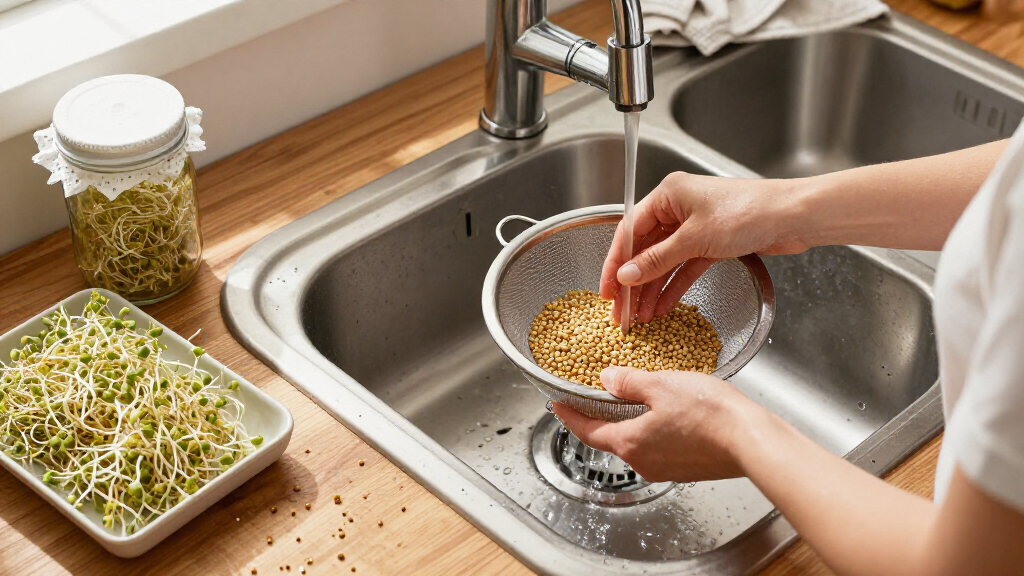
My evaluation weighed germination performance above everything else, because a cheap bag of seeds that sprouts at 60 percent is worse than an expensive one that sprouts at 95. I prioritized seed sold specifically for sprouting (not field or cover-crop grade), since sprouting-grade seed is typically tested for pathogens and cleaned for human consumption. Organic certification carried real weight too — alfalfa is a conventionally sprayed crop, and sprouted seeds are eaten raw, so there’s no cooking step to reduce risk.
Beyond quality, I ranked options on package sizing against seed lifespan. Alfalfa seeds lose vigor after roughly a year in storage, so a bargain 5 lb bag can be a false economy. I also factored in supplier track record: companies that specialize in sprouting or herbs, like Food to Live, Nature Jim’s, and Starwest, tend to rotate stock faster than general grocery brands, which means fresher seed. Finally, versatility mattered — options that work for both jar sprouting and microgreen trays ranked higher than single-use products.
| alfalfa sprouting seed | Seed type |
|---|---|
| Organic Alfalfa Sprout Seeds | Alfalfa (Medicago sativa) |
| Food to Live Organic Alfalfa S | — |
| Food to Live Alfalfa Seeds for | — |
| USDA Organic Alfalfa Sprouting | — |
| NOW Foods Organic Alfalfa Seed | — |
| Nature Jim’s Sprouts Organic A | Alfalfa |
| Handy Pantry Certified Organic | Alfalfa |
| Starwest Botanicals Organic Al | — |
| Alfalfa Sprouting Seeds | Alfalfa |
| Nature Jim’s Organic Sprouting | Organic, non-GMO blend |
| Back to the Roots Organic Alfa | — |
| Majero Organic Alfalfa Sprout | Heirloom |
| Seedboy Organic Non-GMO Alfalf | — |
| Food to Live Alfalfa Seeds for | Alfalfa |
| HOME GROWN Alfalfa Sprouting a | Alfalfa, heirloom, GMO-free |
Factors to Consider When Choosing Best Alfalfa Sprouting Seeds
Before picking a bag, it helps to understand what actually differentiates good sprouting seed from mediocre seed — and where buyers commonly overspend or underbuy.Sprouting Grade vs. Field Grade Seed
The single most common mistake is buying cheap alfalfa seed meant for pasture or cover crops. Field-grade seed is often treated with fungicides or coated for planting, and it is never tested for the bacteria that matter when you eat a raw sprout. Sprouting-grade seed is grown, harvested, and tested specifically for human consumption, which is why it costs more per ounce. If a listing doesn’t explicitly say it’s for sprouting or microgreens, treat that as a red flag rather than a bargain. This distinction explains most of the price spread across the fifteen options here.
Certification and Seed Testing
USDA Organic certification matters more for sprouts than for most produce because sprouts are eaten raw and grown in warm, moist conditions that favor bacterial growth. Certified organic seed is produced without synthetic pesticides, but you should also look for language about pathogen testing or lot testing on the packaging. Reputable suppliers test each batch for salmonella and E. coli. Certification doesn’t guarantee perfect seed, but it signals a supplier with traceable supply chains — which is exactly what you want when the product never touches heat before it reaches your plate.
Package Size and Seed Viability
Alfalfa seed is small — a tablespoon yields roughly a quart of sprouts — so a pound goes a long way. The catch is that germination rates decline noticeably after about a year of home storage, even in a cool, dark cupboard. Match your bag size to how often you actually sprout: a household running one jar at a time will take months to finish 8 oz, while a 5 lb bag suits someone running multiple jars or trays weekly. Buying big to save money only works if the seed stays fresh long enough to use it.
Growing Method Compatibility
Alfalfa works in mason jars, sprouting trays, and as a microgreen on soil or mats, but seed performance varies by method. Jar sprouters should prioritize seed that rinses clean and doesn’t clump, while microgreen growers benefit from seed with high vigor that stands upright through day seven. If you plan to try both, choose a versatile option rather than one optimized for a single method. Blend mixes like broccoli-alfalfa-clover-radish add complexity but behave slightly differently in a jar, with radish sprouting faster than alfalfa — fine for flavor, but something to expect visually.
Storage and Freshness Signals
Look for packaging with a clear harvest or pack date, or at minimum a lot number you can trace. Seed sold in resealable pouches holds freshness better than paper sacks once opened. At home, keep seed in an airtight container away from light and heat — the fridge works well for long-term storage. Suppliers with fast inventory turnover deliver fresher seed, which is one reason dedicated sprouting companies outperformed general grocery brands in this comparison. Old seed doesn’t fail outright; it just germinates unevenly, which is frustrating to diagnose.
Frequently Asked Questions
How much alfalfa seed do I need per batch?
A single tablespoon of alfalfa seed — roughly 10 to 12 grams — expands into a full quart jar of sprouts, which serves two to three people. That means an 8 oz pouch holds around 20 to 25 batches, and a 1 lb bag covers most households for the better part of a year of weekly sprouting. This is why I steer beginners away from bulk sizes: the math is unforgiving, and the seed will likely lose vigor before a casual sprouter uses even half. Start with 4 to 8 oz, then move up only once you know your actual rhythm.
Why did some seeds sprout unevenly while others grew thick mats?
Uneven germination usually traces back to one of three causes: old seed, poor rinsing technique, or seed that wasn’t graded for sprouting. Fresh, sprouting-grade seed should show visible tails on nearly every seed by day two and fill the jar by day four or five. If germination is patchy with good technique and fresh water, the seed itself is the problem — often a sign of stock that sat in a warehouse too long. This was the clearest quality divide in this comparison, and it’s why the dedicated sprouting suppliers ranked above generic bulk packs.
Is organic certification worth paying more for with sprouting seeds?
With sprouts, yes, more than with most produce. Sprouts are grown in warm, humid conditions over several days and eaten raw, so there’s no cooking step to reduce either pesticide residue or bacterial contamination. Organic certification rules out synthetic pesticide treatment on the growing crop, and certified suppliers typically maintain traceable lots that get tested. The price gap between certified and uncertified seed is usually small in absolute terms — a dollar or two per pound — which makes it one of the cheaper food-safety upgrades you can buy.
Can I use the same seeds for jar sprouting and microgreens?
Generally yes, and most options in this roundup advertise both uses. Alfalfa performs well as a microgreen on soil or hemp mats, harvested around day seven to ten when the first true leaves appear. The main difference is density: microgreen trays are seeded far more thickly than a jar, so you’ll burn through seed faster per harvest. If microgreens are your main goal, the larger bags make more sense than they do for jar sprouters, since you’ll consume the seed well within its viability window.
How long do alfalfa sprouting seeds stay viable, and how should I store them?
Stored cool, dark, and dry, alfalfa seed holds strong germination for about a year, then declines gradually over the following year. An airtight container in the refrigerator can extend that window somewhat, while a warm kitchen cupboard shortens it. Seed doesn’t become unsafe with age — it just sprouts more thinly, which wastes both time and jar space. Write the opening date on the bag when you start it, and if a bag is more than eighteen months old, expect to seed more heavily to compensate for lower germination.
Conclusion
For best overall, Food to Live Organic Alfalfa Sprouting Seeds (8 oz) balances certified quality, reliable germination, and a quantity you can realistically finish while fresh. The best value pick is the 16 oz Organic Alfalfa Sprout Seeds bulk pack — solid germination at a low per-ounce cost for regular sprouters. For beginners, Starwest Botanicals’ 4 oz pouch keeps the commitment small while still delivering clean, tested seed, and Back to the Roots earns a mention for its beginner-friendly presentation. On the premium end, Nature Jim’s Sprouts justifies its price with the most vigorous, even germination in the lineup. For specific needs: choose the Food to Live 5 lb bag if you run multiple trays weekly, and the Nature Jim’s Salad Mix if straight alfalfa tastes too mild for your palate. Whichever you pick, buy a size you’ll use within a year — fresh seed is the one variable that affects results more than brand.
Cold & flu season Picks
humidifiers
As an affiliate, we earn on qualifying purchases.