Color variety often matters more than exotic ingredients because it captures attention and enhances your dining experience. Vibrant colors can evoke emotions, boost appetite, and make dishes visually enticing. Even the most unique ingredients can fall flat without that visual appeal. When you create meals with color, you increase enjoyment and satisfaction. Emphasizing this balance between aesthetics and quality can transform your culinary creations, and you’ll discover even more tips for achieving this appeal.
Key Takeaways
- Color variety captures attention and invites engagement, enhancing the overall dining experience more than exotic ingredients alone.
- Vibrant hues signal freshness and variety, making dishes more appealing and enjoyable.
- Visual stimulation from colorful meals can elevate taste perception and mood, leading to greater enjoyment.
- Dull-colored dishes may deter enthusiasm, overshadowing the novelty of rare ingredients.
- Balancing vibrant colors with quality ingredients creates memorable culinary experiences that delight both the eyes and palate.
Have you ever wondered why some dishes fascinate your senses more than others? You might think it’s all about the ingredients, but color plays a significant role too. Color psychology reveals that vibrant hues can evoke emotions and stimulate appetite. When you sit down to a meal, your eyes naturally scan the plate first. If it’s bursting with colors, it grabs your attention and makes you keen to dig in. A rainbow of colors can signal freshness and a variety of flavors, while dull, monotonous colors might make you hesitate.
Color plays a significant role in our dining experience, captivating our senses and stimulating our appetite with vibrant hues that promise freshness and flavor.
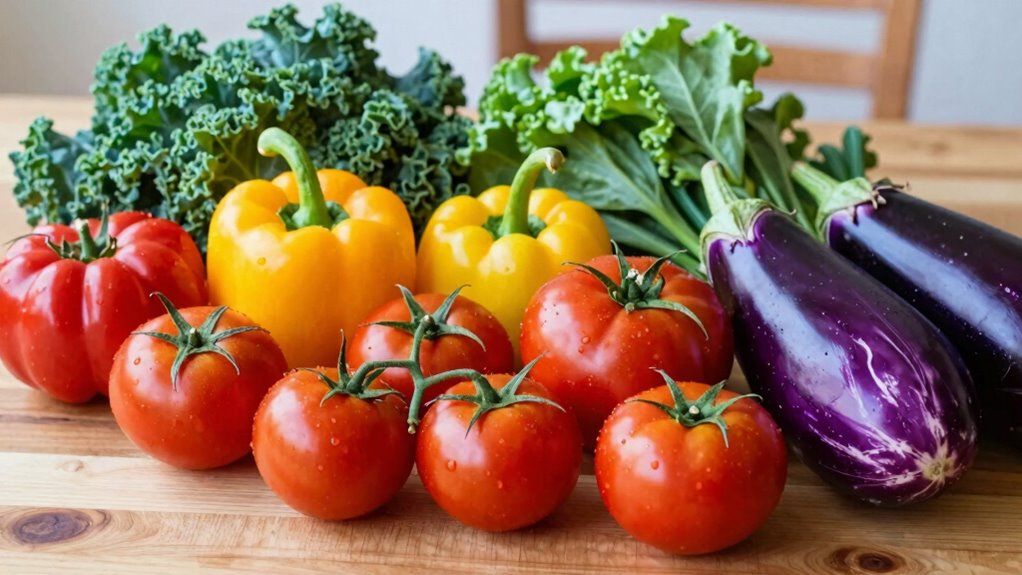
Ingredient sourcing is important, but it often takes a backseat to the visual appeal of a dish. Sure, using exotic ingredients can impress your friends and spark curiosity, but if the colors don’t pop, the dish may fall flat. Think about it: a vibrant salad with deep greens, bright reds, and sunny yellows often outshines a bland plate of rare ingredients. Your brain craves visual stimulation, and a colorful dish delivers it instantly. It sets the stage for a memorable dining experience.
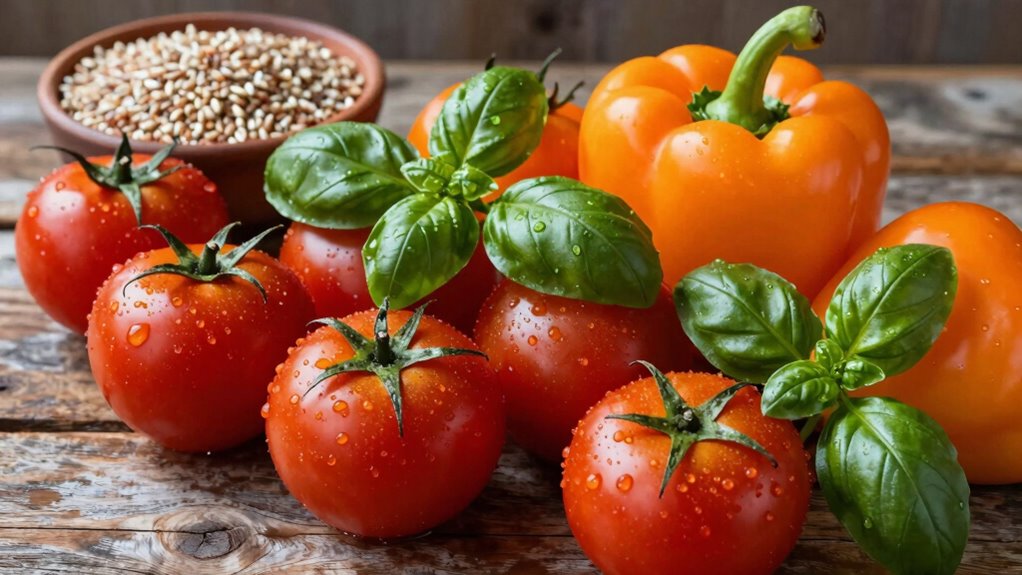
When you prepare food, consider how different colors can enhance not just the look, but also the taste perception. For example, red foods like tomatoes can trigger excitement and increase energy levels, while greens can evoke a sense of calm and freshness. By strategically choosing colorful ingredients, you create a dish that’s not only aesthetically pleasing but also psychologically appealing. Color psychology can help you understand how colors influence mood and appetite, making your meals more engaging. You’ll find that people are more likely to enjoy their meal when it’s visually enticing.
Now, don’t get me wrong—exotic ingredients have their place. They can introduce unique flavors and textures that can elevate a dish. But if you rely solely on them without considering color, you risk losing the meal’s overall allure. A plate of rare fungi might sound adventurous, but if it lacks color, you might not feel as enthusiastic to try it.
In the end, it’s about balance. Combining vibrant colors with quality ingredients can create a truly fascinating dish. So next time you’re in the kitchen, remember that color variety often matters more than exotic ingredients. Embrace the power of colors to enhance your dishes, and watch as they come alive, inviting you and others to savor every bite. It’s a simple yet effective way to elevate your culinary creations and make mealtime more enjoyable. Incorporating visual appeal into your cooking can significantly impact how your dishes are perceived and appreciated.
As an affiliate, we earn on qualifying purchases.
Frequently Asked Questions
How Does Color Variety Affect Nutritional Value in Dishes?
Color variety in dishes boosts nutrient density and antioxidant levels. When you include a spectrum of colors, you’re likely getting a wider range of vitamins and minerals. For instance, vibrant red and orange veggies often contain high levels of vitamin C and beta-carotene, while leafy greens pack iron and calcium. So, by choosing colorful ingredients, you enhance the nutritional profile of your meals, making them not just visually appealing but also healthier.
Can Color Variety Enhance the Dining Experience?
Yes, color variety can definitely enhance your dining experience. When you see a vibrant plate, it sparks your interest and appetite, thanks to color psychology. Bright colors create visual appeal, making your meal more inviting. You’re likely to enjoy your food more when it looks good. Plus, a mix of colors often indicates a range of nutrients, making your meal not just beautiful but also nourishing. Embrace those colorful dishes for a delightful experience!
What Are Some Easy Ways to Add Color to Meals?
You might think adding color to meals is complicated, but it’s easier than you think! Start by mixing vibrant seasonal produce like cherry tomatoes, bell peppers, and leafy greens. Experiment with color combinations on your plate—think bright yellow corn next to deep purple eggplant. You’ll not only elevate the look but also the nutrition. Plus, a splash of color can make your meals more inviting and enjoyable, transforming everyday dining into a feast for the eyes!
Are There Any Cultural Significance Associated With Food Colors?
Yes, there’s a rich cultural symbolism tied to food colors. For instance, red often signifies good fortune in Asian cultures, while white represents purity in many Western traditions. You might also notice how color psychology plays a role; vibrant colors can stimulate appetite and evoke emotions. By understanding these associations, you can enhance your meals not just visually, but also meaningfully, connecting with traditions and beliefs that deepen your culinary experience.
How Does Color Impact Food Marketing and Presentation?
Imagine a painter crafting a masterpiece; each color tells a story. In food marketing, color psychology plays a vital role. You’re drawn to vibrant dishes that spark joy and appetite. The visual appeal of your meal can evoke emotions and influence choices. A plate bursting with color not only attracts attention but also suggests freshness and quality. So, when you present food, remember: the palette can be just as powerful as the ingredients themselves.
Conclusion
In the end, it’s the vibrant tapestry of color that captures our hearts, not just the allure of exotic ingredients. A plate bursting with hues ignites our senses and tells a story, inviting us to savor each bite. While unique flavors can be exciting, it’s the familiar rainbow of fruits and vegetables that nourishes both body and soul. So, next time you’re cooking, remember: a colorful dish is a masterpiece waiting to be enjoyed.