
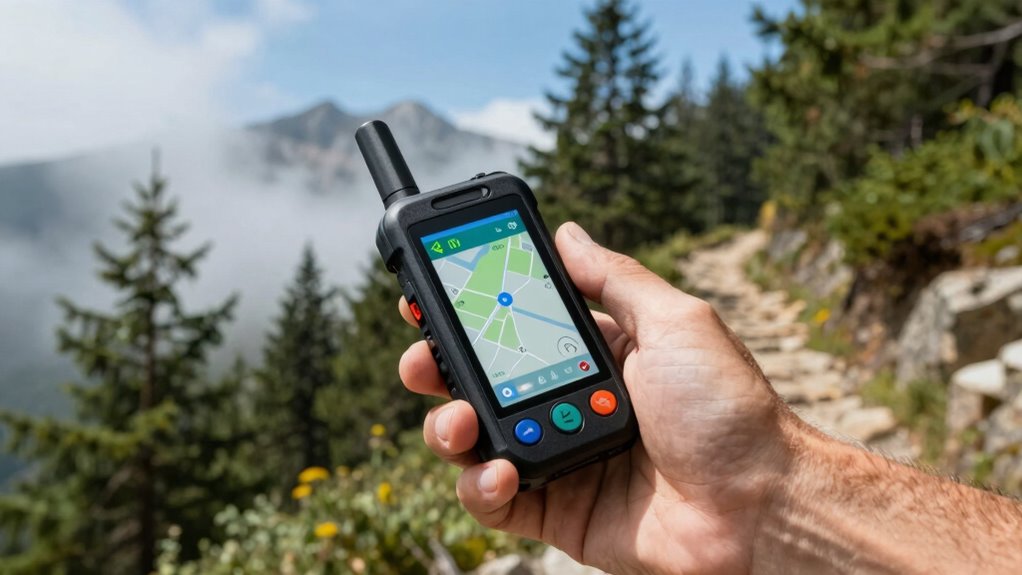

Finding the right satellite messenger for hiking trips can be a game-changer for safety and communication in remote areas. The Garmin inReach Mini 3 Plus stands out as the best overall choice, thanks to its rugged design and reliable global coverage. For those seeking budget-friendly options, the Spot X offers solid two-way messaging at a lower price point, while the ZOLEO Satellite Communicator excels with seamless smartphone integration. The main challenge for buyers is balancing features like coverage, ease of use, and cost, especially for rugged outdoor use. Keep reading for a detailed comparison of these top models and how to pick the best one for your needs.

Get health and wellness essentials delivered free with Prime
- Fast, free delivery on millions of items
- Prime Video, Amazon Music and more included
- Member-only deals all year
Key Takeaways
- The top-ranked models combine durability with reliable satellite coverage suitable for rugged hiking conditions.
- Two-way messaging capability is a key feature for safety and reassurance, especially on longer trips.
- Battery life varies significantly; long-lasting batteries are essential for multi-day adventures.
- Ease of use, including simple interface and setup, makes a big difference in emergency situations.
- Higher-priced options tend to offer more comprehensive features like built-in GPS, SOS, and photo messaging.
| Garmin inReach Mini 3 Plus Rugged Global Satellite Communicator with Touchscreen, Texting, Photo & Voice Messaging, Emergency SOS – Bundle with Accessories |  | Best Overall Satellite Messenger for Hiking Trips | Compatible Devices: Smartphone | Screen Size: 1.9 inches | Additional Features: Exchange Texts, Photos and Voice Messages, LiveTrack, Global Coverage, Emergency SOS | VIEW ON AMAZON | See Our Full Breakdown |
| ZOLEO Satellite Communicator (Limestone) |  | Best for Reliable, Multi-Network Connectivity on the Go | Connectivity: Satellite, Cellular, Wi-Fi | Battery Life: 200+ hours in tracking mode | Charging: USB-C | VIEW ON AMAZON | See Our Full Breakdown |
| Garmin inReach Mini 2 and Backpack Tether Accessory Bundle |  | Best for Secure Outdoor Use and Trip Planning Integration | Device Type: Satellite communicator | Features: Two-way messaging, SOS, digital compass | Compatibility: Garmin Oregon, Alpha, inReach, GPSMAP, eTrex | VIEW ON AMAZON | See Our Full Breakdown |
| Garmin inReach® Mini 2 Satellite Communicator – Orange |  | Best Compact and Long-Lasting Satellite Messenger | Color: Orange | Water Resistance: Yes | Battery Life: Up to 14 days | VIEW ON AMAZON | See Our Full Breakdown |
| Garmin inReach Mini 2 Satellite Communicator (Flame Red) Bundle |  | Best for Extended Adventures with Comprehensive Accessories | Bundle Includes: Garmin inReach Mini 2, 10ft USB Type A to USB Type C Cable, USB Charging Adapters, USB Car Adapter, Microfiber Cleaning Cloth, Portable Battery Charger | Compatible with: Vehicle Type: Boat, Car | Screen Size: 0.9 inches | VIEW ON AMAZON | See Our Full Breakdown |
| Spot X with Bluetooth 2-Way Satellite Messenger |  | Best Overall for Two-Way Communication and Emergency Support | Connectivity: Bluetooth, Satellite GPS | Item Type: SOS Protection | Handheld Portable 2-Way GPS Messenger | Warranty: Limited Warranty | VIEW ON AMAZON | See Our Full Breakdown |
| Garmin inReach Mini 3 Plus Satellite Communicator Bundle |  | Best for Rugged Durability and Long Battery Life | Color: Black | Display: Color touchscreen | Durability: IP67-rated | VIEW ON AMAZON | See Our Full Breakdown |
| Garmin inReach Mini 3 Plus Rugged Satellite Communicator with Touchscreen and Emergency SOS – Bundle with 26-Month CPS Plan |  | Best for Compact, All-in-One Communication and Safety | Weight: Not specified | Screen Size: 1.9 inches | Battery Life: Up to 350 hours | VIEW ON AMAZON | See Our Full Breakdown |
| Garmin inReach Mini 3 Plus Rugged Global Satellite Communicator Bundle |  | Best for Lightweight, All-Scenario Safety with Extras | Connectivity: Iridium satellite | Display: Touchscreen | Battery Life: Long-lasting | VIEW ON AMAZON | See Our Full Breakdown |
| satellite messenger for hiking trip | Battery Life |
|---|---|
| Garmin inReach Mini 3 Plus Rug | 350 hours |
| ZOLEO Satellite Communicator | 200+ hours in tracking mode |
| Garmin inReach Mini 2 and Back | — |
| Garmin inReach® Mini 2 Satelli | Up to 14 days |
| Garmin inReach Mini 2 Satellit | — |
| Spot X with Bluetooth 2-Way Sa | — |
| Garmin inReach Mini 3 Plus Sat | Up to 350 hours in tracking mode, 95 hours in messaging mode |
| Garmin inReach Mini 3 Plus Rug | Up to 350 hours |
| Garmin inReach Mini 3 Plus Rug | Long-lasting |
More Details on Our Top Picks
Garmin inReach Mini 3 Plus Rugged Global Satellite Communicator with Touchscreen, Texting, Photo & Voice Messaging, Emergency SOS – Bundle with Accessories
The Garmin inReach Mini 3 Plus stands out as the most versatile choice for serious hikers who prioritize comprehensive features in a compact form. Its touchscreen interface makes navigating messages, maps, and emergency functions straightforward, especially when compared to the more basic buttons on the Garmin inReach Mini 2. The device’s global Iridium coverage guarantees connectivity in remote terrains, and its impressive long battery life supports extended trips without worry. However, it relies on a compatible smartphone for full functionality, which could be a drawback for those seeking a standalone device. The price point isn’t specified, but its feature set justifies a likely higher cost for users needing a reliable, all-in-one communication tool. Overall, this pick makes the most sense for multi-day hikers who want seamless, intuitive communication paired with GPS tracking.
Pros:- Intuitive capacitive touchscreen simplifies use in outdoor conditions
- Global satellite coverage ensures connectivity in remote areas
- Extended battery life supports multi-day expeditions
- Supports media sharing like photos and voice messages
Cons:- Requires a compatible smartphone for optimal operation
- Price not specified, potentially higher than basic models
Best for: Long-distance hikers and outdoor explorers who need a reliable, feature-rich device with easy operation.
Not ideal for: Casual hikers or those seeking a simple device without the need for smartphone integration.
- Compatible Devices:Smartphone
- Screen Size:1.9 inches
- Additional Features:Exchange Texts, Photos and Voice Messages, LiveTrack, Global Coverage, Emergency SOS
- Battery Life:350 hours
- Connectivity Technology:Bluetooth, USB
- Map Types:North America
- Memory Storage Capacity:32 GB
- Touch Screen Type:Capacitive
- Display Type:Sunlight-readable, transflective color MIP
Our verdict“This device offers the best combination of ease of use, coverage, and multimedia support for serious hikers who value reliability.”
ZOLEO Satellite Communicator (Limestone)
The ZOLEO Satellite Communicator excels for adventurers who need dependable connection beyond satellite alone, thanks to its multi-network support via satellite, cellular, and Wi-Fi. Compared to the Garmin inReach Mini 3 Plus, ZOLEO’s rugged IP68-rated design and long battery life in tracking mode make it especially suited for harsh environments. Its ability to send long messages up to 900 characters and access weather forecasts adds a layer of versatility for extended trips. The main tradeoff is the additional service plan cost, which can add up over time, and the need for a compatible smartphone to operate fully. This device is perfect for travelers who want the flexibility of switching between networks and need 24/7 emergency monitoring without sacrificing durability.
Pros:- Supports satellite, cellular, and Wi-Fi for wider coverage
- Rugged, IP68-rated for durability in tough conditions
- Long battery life with power-saving features
- Instant SOS and 24/7 emergency monitoring
Cons:- Additional service plans add ongoing costs
- Full functionality depends on a compatible smartphone
Best for: Travelers and outdoor enthusiasts who want seamless communication across multiple networks in remote areas.
Not ideal for: Lightweight hikers who prefer a simple, device-only solution without reliance on smartphones or multiple networks.
- Connectivity:Satellite, Cellular, Wi-Fi
- Battery Life:200+ hours in tracking mode
- Charging:USB-C
- Durability:IP68-rated
- Emergency Features:Instant SOS, Medical Assist, 24/7 emergency monitoring
- Additional Features:GPS location sharing, weather forecasts, device sharing, long messages (900 characters)
Our verdict“Ideal for multi-network outdoor communication with durability and long-lasting battery, appealing to adventurers in variable terrains.”
Garmin inReach Mini 2 and Backpack Tether Accessory Bundle
The Garmin inReach Mini 2 combined with the backpack tether provides a solid option for hikers who need security and detailed trip planning. Its two-way messaging and interactive SOS capabilities ensure safety, while the tether keeps the device accessible and secure during vigorous activity. Compared to the Mini 3 Plus, this bundle lacks a touchscreen but offers compatibility with Garmin’s robust Explore app, making it ideal for users who prefer an integrated mapping experience. The device requires a subscription, and its limited compatibility with non-Garmin devices may restrict versatility. This setup suits users who want a reliable, GPS-enabled device that stays attached during rough terrain.
Pros:- Global two-way messaging and SOS for safety
- Includes durable tether for secure outdoor use
- Syncs with Garmin Explore app for detailed trip planning
- GPS and digital compass support
Cons:- Requires active satellite subscription
- Limited to Garmin-compatible devices for some features
Best for: Hikers who value secure device attachment and detailed trip planning through Garmin’s ecosystem.
Not ideal for: Users seeking a standalone device with a touchscreen or multimedia features without Garmin ecosystem dependence.
- Device Type:Satellite communicator
- Features:Two-way messaging, SOS, digital compass
- Compatibility:Garmin Oregon, Alpha, inReach, GPSMAP, eTrex
- Lanyard Length:2-14 inches
Our verdict“Best suited for Garmin users who want a secure, GPS-enabled device integrated with detailed planning tools for rugged hikes.”
Garmin inReach® Mini 2 Satellite Communicator – Orange
The Garmin inReach Mini 2 in bright orange offers a compact footprint combined with impressive battery longevity—up to 14 days in tracking mode. Its Bluetooth connectivity and digital compass make it a practical choice for solo hikers who want a lightweight device that can be easily paired with their smartphone. While its active satellite subscription is a necessary ongoing cost, the device’s simplicity and extended battery life make it appealing for those who prefer minimalistic gear. The limited display resolution might hinder detailed map viewing, unlike larger devices like the B0CXKRF6Y3 bundle. This pick is perfect for minimalist hikers prioritizing portability and long-lasting power.
Pros:- Lightweight and pocket-sized design
- Long battery life up to 14 days
- Global two-way messaging and SOS features
- Bluetooth pairing simplifies smartphone integration
Cons:- Requires subscription plans for full satellite access
- Limited display resolution may restrict detailed map viewing
Best for: Solo hikers and minimalist adventurers who need a lightweight device with long battery life and reliable messaging.
Not ideal for: Hikers who prefer detailed maps or need advanced navigation features without smartphone dependence.
- Color:Orange
- Water Resistance:Yes
- Battery Life:Up to 14 days
- Special Features:Bluetooth, TracBack routing, MapShare, digital compass
Our verdict“Ideal for solo hikers seeking a simple, durable, and long-lasting satellite communicator that fits easily into gear.”
Garmin inReach Mini 2 Satellite Communicator (Flame Red) Bundle
The Garmin inReach Mini 2 Flame Red Bundle offers a rugged, all-in-one package for outdoor enthusiasts who want an ultra-portable device with extended features. Its global coverage and interactive SOS make it suitable for remote expeditions, while the included accessories—USB cables, car charger, portable charger—add convenience for longer trips. Its compact size and lightweight design make it easy to carry, though the lower display resolution may limit map detail viewing compared to larger devices. The device’s reliance on subscription plans is a tradeoff for its comprehensive capabilities. This bundle is best for those who need a dependable, all-in-one communicator with extensive accessories for extended adventures.
Pros:- Compact and rugged design suitable for outdoor use
- Global satellite coverage ensures connectivity in remote areas
- Includes comprehensive accessories bundle for extended trips
- Long battery life of up to 14 days
Cons:- Limited display resolution affects detailed map viewing
- Requires ongoing subscription for satellite service
Best for: Outdoor explorers needing a rugged, portable device with accessories for extended remote trips.
Not ideal for: Hikers seeking a device with high-resolution maps or a larger display for detailed navigation.
- Bundle Includes:Garmin inReach Mini 2, 10ft USB Type A to USB Type C Cable, USB Charging Adapters, USB Car Adapter, Microfiber Cleaning Cloth, Portable Battery Charger
- Compatible with:Vehicle Type: Boat, Car
- Screen Size:0.9 inches
- Additional Features:Global Satellite Coverage, Lightweight, Portable
- Connectivity Technology:Bluetooth, USB-C
- Battery Average Life:14 days
- Item Dimensions:3.9″L x 6″W x 2.04″H
- Item Weight:1.3 pounds
Our verdict“Best for remote, extended adventures where portability, durability, and comprehensive accessories are priorities.”
Spot X with Bluetooth 2-Way Satellite Messenger
The Spot X stands out for its ability to send two-way messages via satellite and Bluetooth, making it a versatile choice for hikers who want reliable communication in remote areas. Unlike the Garmin inReach Mini 3 Plus, which offers a high-resolution touchscreen and longer battery life, the Spot X’s compact design and dedicated keypad make for easier use with gloves or in tough conditions. However, it requires a subscription plan to unlock full functionality, and satellite coverage can vary, potentially limiting message delivery in certain locations. Its built-in SOS feature with 24/7 Search & Rescue support adds a layer of safety that appeals to serious adventurers. Compared with the Garmin inReach Mini, the Spot X offers more straightforward two-way messaging but at the cost of potentially higher ongoing costs and coverage limitations.
Pros:- Allows two-way messaging via satellite and Bluetooth connectivity
- Includes SOS feature with 24/7 Search & Rescue support
- Compact and portable for outdoor use
Cons:- Requires a subscription plan for full functionality
- Dependent on satellite coverage, which can be limited in some regions
Best for: Hikers who prioritize reliable two-way communication and emergency support in areas with decent satellite coverage.
Not ideal for: Casual hikers or those on a tight budget, since the subscription costs and coverage limitations may outweigh the benefits.
- Connectivity:Bluetooth, Satellite GPS
- Item Type:SOS Protection | Handheld Portable 2-Way GPS Messenger
- Warranty:Limited Warranty
- Included in Box:Spot X device, strap and carabiner, micro USB cable, quick start guide, SOS sticker, warranty card, kickstand
Our verdict“This device offers dependable two-way messaging and emergency support, ideal for serious hikers in areas with good satellite coverage.”
Garmin inReach Mini 3 Plus Satellite Communicator Bundle
The Garmin inReach Mini 3 Plus is tailored for outdoor enthusiasts demanding a rugged, reliable device with extensive battery life. Its IP67 rating ensures resistance to dust and water, making it more durable than some alternatives like the Garmin inReach Mini 3 Plus Bundle, which, while offering a high-res touchscreen and longer tracking mode, may be more fragile for rough adventures. The Mini 3 Plus’s ability to connect with Garmin apps enhances trip planning and real-time location sharing, but it requires an active subscription for satellite service, adding ongoing costs. Its small touchscreen can be less user-friendly in bright sunlight or with gloves, a drawback not as prominent in the dedicated buttons of the Spot X. This device excels in long-term outdoor use, especially where durability is a concern, though it sacrifices some ease of use and affordability.
Pros:- Reliable global satellite messaging and emergency SOS
- Rugged design with IP67 durability and long battery life
- Compatible with Garmin apps for trip management and location sharing
Cons:- Requires subscription for satellite service
- Touchscreen may be small and less intuitive for some users
Best for: Backcountry explorers needing a durable device with extended battery life and reliable emergency features.
Not ideal for: Casual hikers or those seeking a large, easy-to-read display for quick navigation and messaging.
- Color:Black
- Display:Color touchscreen
- Durability:IP67-rated
- Battery Life:Up to 350 hours in tracking mode, 95 hours in messaging mode
Our verdict“This model suits serious outdoor adventurers who need a durable, long-lasting device with dependable satellite connectivity.”
Garmin inReach Mini 3 Plus Rugged Satellite Communicator with Touchscreen and Emergency SOS – Bundle with 26-Month CPS Plan
The Garmin inReach Mini 3 Plus Bundle combines a compact, rugged design with a high-resolution touchscreen, making it especially appealing for those who want versatile functionality in a small package. Compared to the standard Mini 3 Plus, this bundle includes safety accessories like lights and paracord, emphasizing safety for remote excursions. Its global Iridium coverage ensures connectivity anywhere, but it requires a compatible smartphone for full feature access, which might be a limitation for those preferring standalone devices like the Spot X. The long battery life supports extended trips, yet the device’s price can be a barrier for casual users or those who don’t need the full feature set. If you value a sleek, feature-rich device with live tracking and voice options, this pick is well suited, though it comes with higher costs.
Pros:- Compact and rugged with a high-res touchscreen
- Global satellite coverage ensures connectivity in remote locations
- Includes safety accessories like lights and paracord
Cons:- Requires a smartphone for full functionality
- Price may be high for casual users
Best for: Outdoor lovers who want a compact, feature-rich device with long battery life and safety accessories for serious adventures.
Not ideal for: Casual hikers or budget-conscious users who prefer simple, no-frills communication tools.
- Weight:Not specified
- Screen Size:1.9 inches
- Battery Life:Up to 350 hours
- Supported Satellite:Iridium
Our verdict“This device is perfect for tech-savvy hikers seeking a compact, multifunctional satellite communicator with safety gear included.”
Garmin inReach Mini 3 Plus Rugged Global Satellite Communicator Bundle
The Garmin inReach Mini 3 Plus Bundle is designed for those who prioritize lightweight gear without sacrificing safety. Its small form factor and touchscreen make it easy to carry and operate, while the included accessories—safety lights and paracord bracelets—enhance safety in the field. It provides the same global Iridium coverage as other Mini 3 Plus models but adds extra safety features, making it ideal for extended off-grid trips. However, it relies on a compatible smartphone for some functions, which could be inconvenient for users who prefer standalone devices like the Spot X. Its price point may be steep for casual users, but for serious adventurers, the added safety accessories and compact design make this a compelling choice for remote safety and communication.
Pros:- Compact, lightweight, and rugged design
- Global Iridium satellite coverage for remote communication
- Includes safety lights and paracord for added safety
Cons:- Requires a compatible smartphone for full features
- Potentially costly for casual users
Best for: Backcountry explorers who want a lightweight device with safety accessories and reliable satellite coverage.
Not ideal for: Hikers seeking a larger display or those who prefer standalone devices without needing a smartphone.
- Connectivity:Iridium satellite
- Display:Touchscreen
- Battery Life:Long-lasting
- Included Accessories:Safety light, paracord bracelets
Our verdict“This bundle is best suited for lightweight adventurers who value safety accessories and reliable satellite communication in remote areas.”

How We Picked
To determine the best satellite messengers for hiking, I focused on core factors that impact outdoor safety and usability. Performance in remote signal areas was evaluated, along with build quality and durability for rugged environments. Ease of operation, such as intuitive interfaces and quick setup, was also crucial. Battery life, coverage reliability, and additional safety features like SOS and GPS tracking were considered to ensure comprehensive protection. The ranking reflects a balance of these features, prioritizing models that deliver consistent performance in real hiking scenarios while offering good value for different budgets.Factors to Consider When Choosing Satellite Messenger For Hiking Trips
Choosing the right satellite messenger for hiking involves understanding several critical factors. It’s not just about the device’s features; how it fits your specific outdoor needs, trip length, and technical comfort level matters just as much. An ideal model should provide reliable coverage, long battery life, and ease of use, especially in stressful situations. Considering these factors can help you avoid common pitfalls like overpaying for unnecessary features or selecting a device that isn’t durable enough for rugged terrain.Coverage and Network Compatibility
Most satellite messengers operate on networks like Iridium, Globalstar, or a combination. Iridium offers the broadest global coverage, essential for remote hiking regions. Devices with multi-network compatibility provide greater reliability but may come at a higher cost. Consider your typical hiking destinations and whether you need worldwide coverage or can settle for regional networks. Overlooking coverage needs can lead to communication gaps during critical moments.
Battery Life and Power Management
Long-lasting battery life is vital for multi-day trips. Some devices include rechargeable batteries, while others use replaceable batteries, which can extend usability in remote areas. Pay attention to standby and active usage times—features like GPS tracking and two-way messaging consume more power. A device with poor battery life may leave you stranded or force you to cut trips short, so choose models with at least several days of operational time between charges.
Ease of Use and Interface
A user-friendly interface can make a significant difference during emergencies. Devices with simple controls, clear screens, and straightforward setup procedures reduce stress and minimize errors. Some models integrate with smartphones, providing a familiar interface and easier messaging. Overly complex or poorly designed devices can hinder quick action when it matters most, so prioritize intuitive operation even if it means sacrificing some advanced features.
Safety Features and Additional Capabilities
Features like emergency SOS, GPS tracking, and photo messaging add layers of safety. However, more features often mean higher costs and increased complexity. Decide which capabilities are essential for your trips—if you’re venturing into truly remote areas, SOS and GPS are critical. Be wary of devices that promise too much but lack reliable performance or ease of activation, as that can undermine safety during crises.
Cost and Subscription Plans
While some satellite messengers are more affordable upfront, they may require costly monthly plans for data, messaging, or emergency services. Compare subscription fees carefully, considering your trip frequency and expected communication needs. Cheaper devices with limited plans might work for occasional trips but could become expensive if used frequently. Don’t overlook total costs over the device’s lifespan when making your decision.
Frequently Asked Questions
Can I use a satellite messenger for daily communication?
While satellite messengers are primarily designed for remote outdoor use, many now support two-way messaging, making them suitable for occasional use outside hiking trips. However, they are generally more expensive and bulkier than standard smartphones or walkie-talkies, so they’re not ideal for daily city use. For regular communication, a smartphone with an emergency app might be more practical, but in remote areas, a satellite messenger provides unmatched coverage and peace of mind.
How reliable is satellite messaging in deep wilderness areas?
Satellite messaging can be highly reliable in open wilderness areas, especially when using devices with Iridium-based coverage, which offers near-global reach. Obstructions like dense forests or deep valleys can sometimes interfere with signals, but most modern devices include features to help locate the best signal. Considering a device with multi-network compatibility or external antennas can improve reliability in challenging terrains. Still, no system guarantees 100% coverage everywhere, so understanding your trip environment aids in choosing the right model.
Are subscription costs worth it for occasional trips?
Subscription costs are an ongoing expense, but they often cover essential safety features like SOS and navigation. For infrequent use, choosing a device with flexible or pay-as-you-go plans can make expenses manageable. If you only hike a few times a year, some providers offer plans designed for occasional users, which can be cost-effective. Weighing these costs against the peace of mind and safety features provided by the device helps determine if the investment is justified.
Should I prioritize ruggedness over extra features?
For serious hiking in challenging conditions, ruggedness should be a top priority, as it ensures the device withstands drops, water, and dirt. While extra features like built-in camera or advanced GPS are attractive, they often add bulk or reduce durability. If your trips involve rough terrain or harsh weather, a rugged device with basic communication capabilities may be more reliable than a feature-rich but fragile model. Balancing durability with essential features is key to effective safety gear.
Is it necessary to have a touchscreen on a satellite messenger?
A touchscreen can make navigation and messaging easier, especially for those less comfortable with buttons or small screens. However, touchscreens are more vulnerable to damage and can be less responsive in wet or cold conditions. Devices with physical buttons are often more durable and easier to operate with gloves, which is common in outdoor settings. Your choice depends on personal preference and the typical conditions of your hikes—consider which interface aligns best with your comfort and safety needs.
Conclusion
For most hikers, the Garmin inReach Mini 3 Plus offers the best blend of durability, coverage, and features, making it the ideal choice for serious outdoor adventurers. Those seeking a strong value without sacrificing core safety features might prefer the Spot X, especially if budget is a concern. Beginners or casual hikers should consider simpler models with straightforward interfaces, while extreme adventurers should prioritize rugged, feature-rich options with long battery life. Ultimately, selecting the right satellite messenger depends on understanding your specific trip needs and safety priorities.
Cold & flu season Picks
humidifiers
As an affiliate, we earn on qualifying purchases.