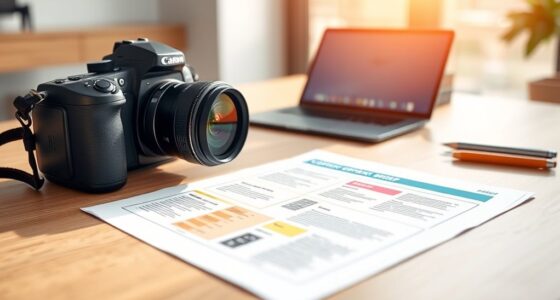
When building a media kit, focus on showcasing your audience demographics, content style, and engagement metrics clearly. Include visuals like charts, highlight successful collaborations, and outline your offering options and rates. Keep the design clean and professional to make important info easy to find. Consistently update it to reflect your growth and achievements. If you want to craft a compelling media kit that captures attention, there’s more to explore below.
Key Takeaways
- Clearly present audience demographics, including age, gender, location, and interests, with visual charts for quick understanding.
- Showcase consistent content style and engagement metrics like views, followers, and interaction rates to demonstrate influence.
- Outline available collaboration options, such as posts, videos, and sponsored stories, with transparent pricing or packages.
- Design the media kit professionally, using high-quality images and a clean layout that aligns with your brand identity.
- Keep the kit updated regularly, emphasizing your unique value and past successful collaborations to persuade editors and brands.
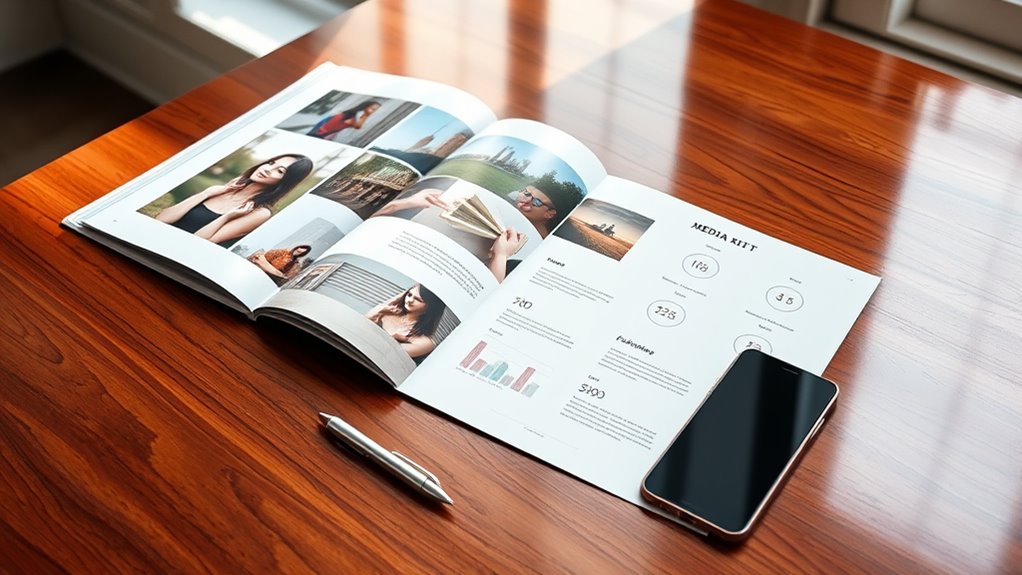
Ever wonder what editors and brands look for in a media kit? The truth is, they want a clear snapshot of who you are, what you do, and how you can help them reach their goals. Your media kit is your chance to make a strong first impression, so it’s essential to include details that highlight your audience demographics. Brands are especially interested in understanding your followers’ age, gender, location, and interests because these factors influence their decision to collaborate. When you present this information clearly, you help brands see the value in partnering with you. They want to know if your audience aligns with their target market, so be specific and transparent. Use visuals like charts or infographics to make this data easily digestible, and update it regularly to reflect recent growth or changes. Additionally, demonstrating a consistent content style helps brands gauge how your voice aligns with their campaign goals. Alongside audience demographics, your media kit should showcase your content style, engagement metrics, and past successful collaborations. Brands want to see proof that you can deliver results. Include metrics such as average page views, social media followers, engagement rates, and click-throughs. These numbers give brands confidence that investing in a partnership will be worthwhile. Don’t forget to add case studies or examples of previous collaborations that highlight your ability to create engaging content. If you’ve worked with other brands, mention the outcomes and what made the campaign successful. This kind of social proof is a powerful brand collaboration tip that demonstrates your professionalism and effectiveness. Another key component is a clear outline of your offerings. Be specific about the types of content you produce—whether it’s blog posts, social media shoutouts, videos, or sponsored stories—and specify your rates or package options if applicable. Make it easy for brands to see how they can collaborate with you and what value they’ll get. Including a media kit also means presenting it in a clean, professional design. Avoid clutter and use high-quality images that reflect your aesthetic. The goal is to make the kit visually appealing and easy to navigate, so brands can quickly find the information they need. Ultimately, your media kit should serve as a persuasive tool that communicates your unique value. By highlighting your audience demographics, providing solid engagement metrics, and offering clear collaboration options, you make it easier for brands to see the benefits of working with you. Keep it updated, professional, and aligned with your brand identity, and you’ll be well on your way to forming successful partnerships.
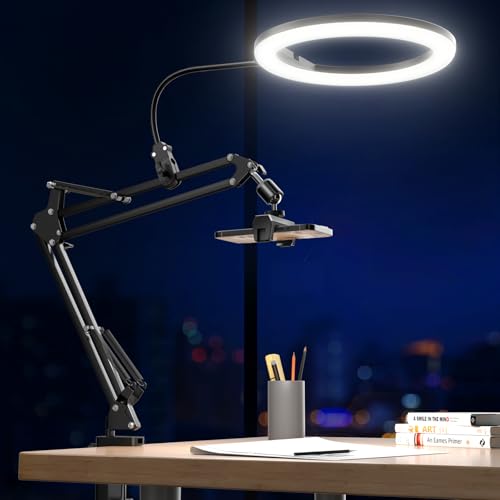
UBeesize 10" Ring Light with Overhead Phone Mount, LED Selfie Light with Stand and Phone Holder, Desk Light for iPhone, Desk Tripod for Video Recording, YouTube, TikTok, Live Stream, Cooking, Vlog
【Adjustable at Any Angle in 1 Second】 The ring light, cantilever stand, phone clamp, and base can all...
As an affiliate, we earn on qualifying purchases.
Frequently Asked Questions
How Often Should I Update My Media Kit?
You should update your media kit every six months or whenever you experience significant changes. Keep branding consistency and visual design in mind, ensuring your kit reflects your current style and achievements. Regular updates show professionalism and help brands see your growth. By staying current, you make it easier for editors and brands to recognize your value, increasing your chances of collaborations. Stay proactive and keep your media kit fresh and aligned with your brand.
What Is the Ideal Media Kit Length?
Your media kit should be just the right size—around 2-4 pages—so it’s powerful yet concise. Too long, and editors get overwhelmed; too short, and you miss essential details. Focus on stellar media kit design that highlights your strengths, and guarantee branding consistency throughout. Remember, you want to grab attention quickly, so keep it impactful, clear, and visually appealing—because first impressions can make or break your chances.
Should I Include My Social Media Analytics?
Yes, you should include your social media analytics in your media kit. Brands and editors want to see your audience demographics and engagement metrics, as these reveal your reach and influence. Highlight your follower counts, engagement rates, and demographic details to demonstrate your value. This information helps them understand how effectively they can connect with your audience, making your media kit more compelling and trustworthy.
How Do I Price My Sponsored Content?
Did you know that 70% of brands prefer influencer collaborations with clear pricing strategies? To price your sponsored content effectively, research industry standards, consider your engagement rates, and evaluate your audience size. Set transparent rates, be flexible for long-term partnerships, and don’t undervalue your work. This approach helps you attract brands while ensuring your sponsored content is fairly compensated, making your media kit more appealing.
Can I Customize My Media Kit for Different Brands?
Yes, you can definitely customize your media kit for different brands. Use media kit templates that allow for brand personalization, making each kit relevant to the specific company. Highlight your most relevant stats, past collaborations, and content style that aligns with their goals. Tailoring your media kit shows that you understand their brand, increasing your chances of forming successful partnerships and making a strong impression.

InnoGear Overhead Phone Mount with Ring Light, 10" LED Selfie Ring Light for Desk with Phone Holder and Remote Canvas Lamp Light for YouTube Live Stream Cooking Video Recording Vlog Zoom, Medium
The ring light is USB-powered. It includes a 6.23ft cable with a USB port. This USB-powered light requires...
As an affiliate, we earn on qualifying purchases.
Conclusion
So, when you’re building your media kit, focus on clarity, showcase your unique voice, and highlight your best work. Make it easy to navigate, visually appealing, and packed with relevant stats. Be authentic, be professional, and stand out. Remember, your media kit isn’t just about information—it’s about making a connection, telling your story, and convincing brands and editors you’re the perfect fit. Put in the effort, and watch your opportunities grow.

UBeesize 12" Ring Light with Overhead Phone Mount, Selfie Light with Stand,62" Tripod for iPhone with Light and Phone Holder for Video Recording,Cooking,Photography,Live Streaming,Tiktok,YouTube
All-angle Shooting: Easily switch from overhead shots to angled views with the adjustable metal arm. Whether you're filming...
As an affiliate, we earn on qualifying purchases.

Upgrade Ring Light Overhead Camera Phone Mount for Desk, Evershop 10” Selfie Light with Stand Tripod for iPhone, Light with Phone Holder for Video Recording,Zoom Meeting,Live Streaming Tiktok,YouTube
Ultra-Flexible Overhead Desk Ring Light -This ring light delivers soft, even lighting that flatters your subject and eliminates...
As an affiliate, we earn on qualifying purchases.