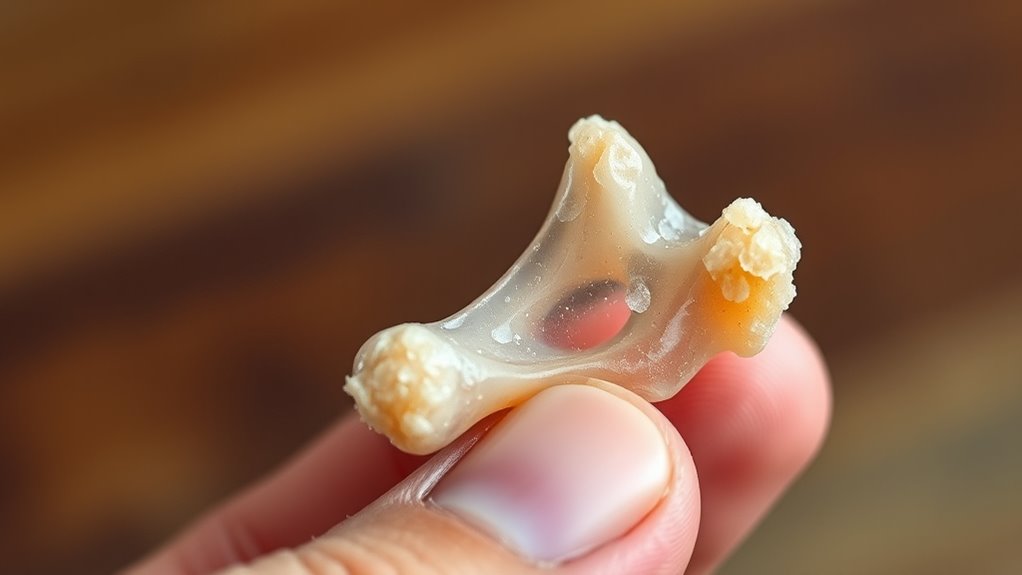

Maintaining the right calcium–phosphorus balance is crucial for your bone strength, kidney health, and overall wellness. When this balance is off, it can lead to fragile bones, dental problems, or kidney issues. Your body needs these minerals in proper amounts to support bone formation, regulate kidney function, and keep your body’s processes running smoothly. If you want to discover how to keep this balance and protect your health long-term, there’s more to learn below.
Key Takeaways
- Maintaining calcium–phosphorus balance is vital for strong bones, teeth, and overall structural health.
- Proper balance prevents bone diseases like osteoporosis and reduces fracture risk.
- It supports kidney function by avoiding excess mineral buildup and kidney stones.
- Balanced minerals ensure efficient physiological processes and prevent metabolic disturbances.
- Long-term health depends on dietary management of calcium and phosphorus for vitality and disease prevention.
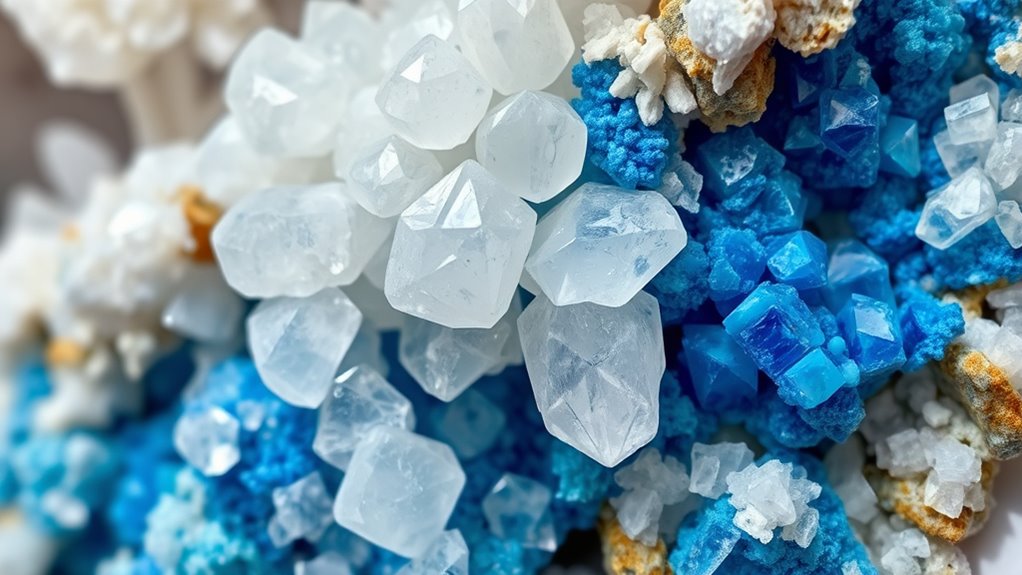
Maintaining a proper balance between calcium and phosphorus is essential for your overall health, especially for strong bones and teeth. When these minerals are in sync, they support the structural integrity of your skeletal system and ensure your body functions smoothly. If the balance tips, it can lead to issues like fragile bones or dental problems. But beyond bone health, calcium and phosphorus also play vital roles in kidney function, helping your organs process waste and maintain fluid balance. Keeping these minerals in check allows your kidneys to operate efficiently, preventing complications like kidney stones or impaired filtration.
Balancing calcium and phosphorus is key for healthy bones and kidney function.
Your bones act as a reservoir for calcium and phosphorus, constantly exchanging minerals with your bloodstream to meet your body’s needs. If calcium levels drop too low, your body will draw from your bones, weakening them over time. Conversely, excessive phosphorus can interfere with calcium absorption, making your bones more brittle. That’s why it’s crucial to maintain a balanced intake through diet or supplements, especially if your body struggles to absorb or regulate these minerals properly. When your calcium and phosphorus levels are balanced, your bones stay dense and resilient, reducing the risk of osteoporosis and fractures.
Your kidneys regulate calcium and phosphorus by filtering blood and excreting excess minerals through urine. If this process is disrupted, either by disease or poor mineral balance, it can lead to health problems. An excess of phosphorus, for example, can cause your kidneys to work harder, leading to damage over time. Conversely, low phosphorus levels can impair your kidney’s ability to manage other minerals and electrolytes, impacting overall kidney function. Proper mineral balance supports kidney health by ensuring these organs aren’t overburdened, which is especially important as you age or if you have pre-existing conditions like chronic kidney disease.
Achieving this balance isn’t just about avoiding deficiency or excess; it’s about supporting your body’s natural processes. Consuming adequate calcium-rich foods like dairy, leafy greens, and fortified products, while monitoring phosphorus intake from processed foods and certain beverages, helps maintain this harmony. Your body also relies on vitamin D to aid calcium absorption, so don’t forget to get enough sunlight or consider supplements if needed. By keeping calcium and phosphorus levels in check, you promote strong bones, optimal kidney function, and overall well-being. It’s a simple yet vital aspect of health that can prevent long-term problems and keep you feeling your best.

iSpring RCC7AK, NSF Certified, 75 GPD, Alkaline 6-Stage Reverse Osmosis System, pH+ Remineralization RO Water Filter System Under Sink, Patented Top-Mounted Faucet Design for Easy Installation
PATENTED DESIGN – The top-mounted fastener allows for easy countertop installation entirely from above, eliminating the hassle of...
As an affiliate, we earn on qualifying purchases.
Frequently Asked Questions
How Does Calcium-Phosphorus Imbalance Affect Muscle Function?
When your calcium-phosphorus balance is off, you might notice muscle weakness and cramps. Calcium is essential for muscle contraction, so low levels can cause your muscles to become weak or cramp easily. Phosphorus helps energy production in muscles, and imbalance might disrupt this process. Keeping these minerals in proper balance guarantees your muscles function smoothly, preventing discomfort and maintaining strength during daily activities.
Can Diet Alone Correct Calcium and Phosphorus Levels?
Yes, diet modification can help correct calcium and phosphorus levels, but it might not be enough alone. You may need supplement options like calcium or phosphate binders, prescribed by your healthcare provider. Focus on eating foods rich in calcium, such as dairy and leafy greens, while limiting phosphorus-rich processed foods. Always consult your doctor before making changes or starting supplements to make certain they’re safe and effective for your specific needs.
What Are Early Signs of Calcium-Phosphorus Imbalance?
You might notice early signs of calcium-phosphorus imbalance as bone pain and muscle weakness. These symptoms occur because your bones become fragile and muscles don’t function properly when mineral levels are off. You could also experience fatigue or numbness. Pay attention to these signs and consult your healthcare provider promptly, as early detection allows for better management and prevents more serious complications.
How Do Medications Influence Calcium and Phosphorus Levels?
Think of medications as artisans shaping a delicate sculpture; they can alter calcium and phosphorus levels through drug nutrient interactions. You might experience medication side effects like bone pain or weakness if these minerals shift too far from their balance. Some drugs, like diuretics or antacids, directly influence absorption or excretion, disrupting this harmony. Staying informed and consulting your healthcare provider helps guarantee medications support, rather than disturb, your calcium-phosphorus balance.
Are There Specific Populations More at Risk for Imbalance?
You’re more at risk for calcium-phosphorus imbalance if you’re pregnant, elderly, or have kidney disease. These groups face higher osteoporosis risk or pediatric growth challenges, making proper mineral balance essential. Your body’s ability to regulate calcium and phosphorus can be compromised, leading to bone health issues and developmental delays. Staying informed and working with your healthcare provider helps maintain this balance, especially if you belong to these vulnerable populations.

iSpring CU-A4 0.01μm Ultra-Filtration Under Sink Water Filter System, Tankless 4-Stage High Capacity, Remove 99.99% Contaminants, Quick Filter Change with Brushed Nickel Faucet, White
SUPERIOR PERFORMANCE: The advance 4-stage design, which includes both Ultrafiltration and KDF/GAC stages, removes up to 99% of...
As an affiliate, we earn on qualifying purchases.
Conclusion
Think of your calcium and phosphorus levels as the delicate balance of a tightrope walker. When you maintain harmony, your bones and overall health stay steady and strong. But if one side tips too much, everything can fall apart. By paying attention to your diet and health, you’re guiding that walker safely across the wire. Keep the balance, and you’ll keep your body’s foundation firm and resilient, ready to face whatever comes your way.

Waterdrop TSA 8 Layer Under Sink Water Filter System, Under Sink Water Filtration System, Reduces PFAS, PFOA/PFOS, Fluoride, Chlorine, Bad Taste & Odor, NSF/ANSI 42 Certified Element, USA Tech
𝐈𝐦𝐩𝐨𝐫𝐭𝐚𝐧𝐭 𝐍𝐨𝐭𝐞: Please be advised that this under sink water filter system will NOT REDUCE TDS. It is...
As an affiliate, we earn on qualifying purchases.

iSpring RCC7, NSF Certified, High Capacity Under Sink 5-Stage Reverse Osmosis Water Filter, RO Drinking System, 75 GPD, Brushed Nickel Faucet, Patented Top-Mounted Faucet Design for Easy Installation
EFFECTIVELY REDUCES CONTAMINANTS - The iSpring RO system delivers clean, pure, and great-tasting drinking water by removing up...
As an affiliate, we earn on qualifying purchases.