
TL;DR

Get health and wellness essentials delivered free with Prime
- Fast, free delivery on millions of items
- Prime Video, Amazon Music and more included
- Member-only deals all year
Organic superfood supplements can boost specific nutrients but aren’t magic pills. Look for transparent labels, credible certification, and evidence-backed ingredients. They should complement a balanced diet, not replace it.
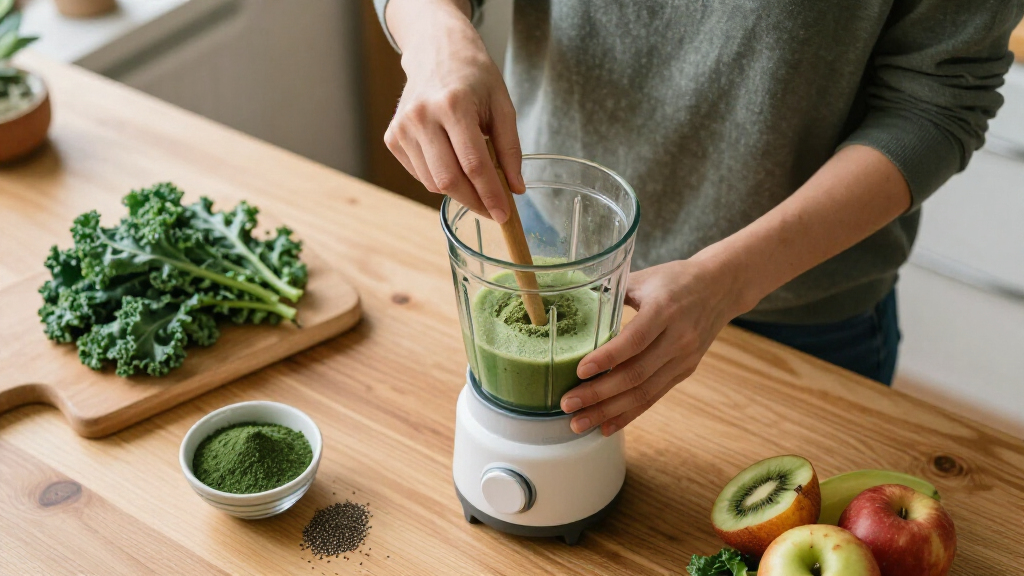
Imagine biting into a vibrant green smoothie—frozen spirulina, bright beetroot, and a splash of tart açaí. That’s the allure of organic superfood supplements: a quick, concentrated burst of nutrients wrapped in a natural badge. But behind the colorful labels lies a complex world of ingredients, marketing, and safety concerns.
If you’re curious whether these powders, capsules, or drinks are worth a spot in your routine, you’re not alone. Many seek the promise of better energy, clearer skin, or immune support. But understanding what’s real and what’s hype is key to making smart choices. This guide will unpack the essentials—what they are, what they do, and how to pick the best ones for your needs.
Choose products with transparent labels, clear ingredient amounts, and third-party testing results.
Organic certification indicates farming standards but doesn’t guarantee safety or efficacy.
Supplements can fill specific nutrient gaps but shouldn’t replace a varied diet or whole foods.
Beware of exaggerated claims—most benefits are subtle and ingredient-specific.
Always consider safety: consult professionals, especially if pregnant, nursing, or on medication.
What Exactly Are Organic Superfood Supplements?
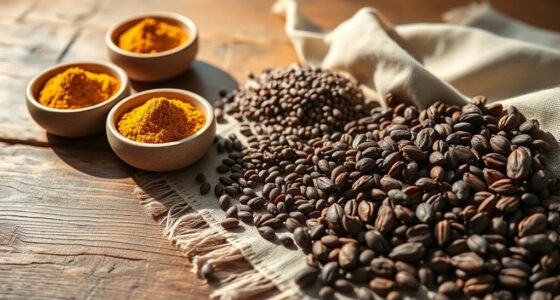
Organic superfood supplements are concentrated forms of plant, algae, or mushroom ingredients sold as powders, capsules, or drinks. They pack a punch—think spirulina, turmeric, or matcha—aimed at boosting your nutrient intake. These aren’t whole foods, but extracts or powders designed for convenience.
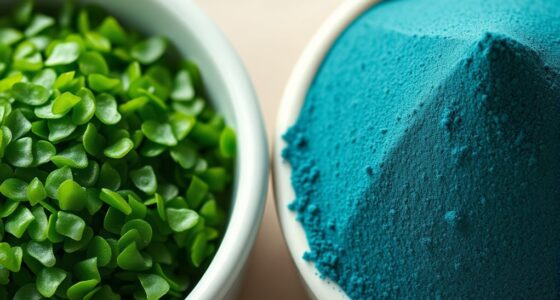
For example, a typical green powder might include wheatgrass, chlorella, and barley grass, each rich in chlorophyll, antioxidants, and micronutrients. Fruit powders like goji or acerola add vitamin C, while medicinal mushrooms such as reishi promise immune support. These ingredients are often blended with probiotics, enzymes, or adaptogens to target specific wellness goals.
It’s important to remember: “superfood” is a marketing term, not a scientific or official label. The focus is on nutrient density and health claims, but the actual benefits depend on the ingredient quality, dose, and your individual needs.
organic superfood supplement powders
As an affiliate, we earn on qualifying purchases.
As an affiliate, we earn on qualifying purchases.
Why You Should Think of These Like Supplements, Not Food
Whole foods like fresh vegetables, fruits, and beans give you a broad spectrum of fiber, water, and nutrients—something supplements can’t fully replicate. Supplements offer concentrated doses of specific compounds but lack the full complexity of a meal.
Imagine trying to replace a colorful vegetable stir-fry with a pill—sure, you might get some vitamins, but you miss the fiber, water, and the satisfying textures. A supplement might help if you’re deficient or targeting a particular need, but it shouldn’t be your only source of nutrition.
Take, for instance, a spirulina capsule. It provides a hefty dose of plant protein, iron, and antioxidants, but it doesn’t contain the fiber or water of fresh spinach or seaweed. So, think of supplements as a shortcut—useful for specific gaps, not as a substitute for real food.
What ‘Organic’ Really Means—and What It Doesn’t
Organic certification indicates a product was grown without synthetic pesticides, fertilizers, or genetic modification, following strict standards. These rules vary by country but generally aim to promote environmentally friendly farming.
However, organic doesn’t automatically mean safer, more nutritious, or free from contaminants. A product can be organic but still contain pesticide residues from environmental contamination, microbes, or heavy metals if sourced poorly. It also doesn’t verify dosage or effectiveness.
For example, an organic acai powder might be free from synthetic pesticides, but if it’s not sourced from a reputable farm, it could still carry microbial risks or inconsistent nutrient levels. Labels like “natural” or “clean” often lack standardized definitions, so it’s wise to look for transparent certifications and testing results.
Understanding these nuances matters because organic labels can give a false sense of security. While they ensure certain farming practices, they don’t speak to the purity, potency, or overall safety of the final product. This highlights the importance of independent testing and reputable sourcing, which directly impact the supplement’s safety and efficacy.
What Does the Science Say? Do These Supplements Really Help?
Research on organic superfood supplements is mixed. Some ingredients show promise—beetroot nitrate may improve blood flow, turmeric can modestly reduce inflammation, and certain algae provide valuable micronutrients. But many broad claims—like detoxification or immune-boosting—are not backed by strong evidence.
For example, a study found that beetroot juice improved exercise endurance in some athletes, but effects vary widely. Turmeric’s anti-inflammatory properties are real, but absorption depends on formulation—adding piperine or using specialized extracts enhances its impact.
It’s tempting to believe that a daily shot of greens or mushroom extract will transform your health overnight. But most benefits are subtle, ingredient-specific, and require consistent use over time. Be wary of products claiming to cure or prevent diseases without solid proof. Recognize that scientific research often shows modest, incremental effects rather than dramatic cures, and individual responses can vary based on genetics, diet, and health status. This underscores the importance of viewing these supplements as part of a broader health strategy, not miracle solutions.
How to Spot a High-Quality, Transparent Product
Choosing a good supplement isn’t about chasing the flashiest label. Focus on transparency—look for clear ingredient lists, doses, and certifications. A quality product discloses exactly what’s in each serving, including extract ratios and standardization.
Here’s a quick checklist:
- Ingredients and amounts are fully disclosed.
- Third-party testing results for contaminants and potency are available.
- The product is certified organic by a reputable certifier.
- It lists allergen info, storage instructions, and expiration date.
- Manufacturers provide contact info and batch codes for traceability.
This level of transparency allows you to evaluate whether the supplement contains what it claims and whether it’s safe. For example, a reputable spirulina product will specify the percentage of phycocyanin (the active pigment) and show lab test results confirming purity. Proprietary blends hide ingredient amounts, making it harder to judge value and safety. Cross-referencing third-party testing results and certifications is crucial because it provides an independent verification of safety and quality, reducing the risk of contaminants or mislabeled ingredients.
Safety First: What Risks Should You Watch For?
Natural doesn’t always mean safe. Supplements can contain contaminants like heavy metals, microbes, or pesticides if sourced poorly. Some ingredients may interact with medicines or cause side effects, especially at high doses or with sensitive populations.
For example, algae products, if contaminated, can carry arsenic or lead, posing serious health risks. Mushrooms like reishi or lion’s mane may affect blood clotting or blood sugar levels, which can be dangerous for those on blood thinners or diabetic medications. Green powders high in vitamin K can interfere with blood thinners, increasing clotting risks. These interactions highlight the importance of understanding your health context and consulting healthcare providers.
Pregnant or nursing women, and those on medications, should seek professional advice before starting concentrated superfood supplements. Additionally, be skeptical of exaggerated claims like “cure cancer” or “instant detox,” which are often unsubstantiated and can distract from real health strategies. Recognizing red flags such as proprietary blends hiding ingredient amounts, lack of independent testing, or unverified health claims helps protect you from potential harm. Always prioritize products with transparent sourcing, clear labeling, and reputable certifications to minimize risks.
Making Sure You Absorb What You Take
Absorption isn’t just about how much you take—it’s about how your body handles it. Some compounds, like curcumin, are poorly absorbed unless combined with ingredients like piperine or formulated with advanced delivery systems.
For instance, a turmeric capsule with piperine (black pepper extract) can boost bioavailability by over 200%. But adding piperine might also alter how your medications are processed, so caution is advised. Poor absorption can render even high doses ineffective, leading to wasted money and unmet health goals. Conversely, overloading with poorly absorbed forms can increase the risk of side effects or toxicity.
Timing matters too. Fat-soluble ingredients like turmeric or certain carotenoids are best absorbed with a meal containing healthy fats—this enhances their bioavailability. Water-soluble nutrients like vitamin C are less picky but still benefit from proper timing, such as taking with meals to improve absorption and reduce gastrointestinal discomfort. Recognizing the importance of formulation, dosage, and timing helps you get the most out of your supplements, making them a more effective part of your health regimen.
Whole Powders vs. Extracts: Which Is Better?
Whole-food powders retain more of the plant’s original matrix—fiber, water, and micronutrients—requiring larger servings to get the same dose. Extracts concentrate specific compounds, making dosing more precise and often more potent.
For example, a wheatgrass powder might provide a gentle dose of chlorophyll and fiber, but an extract standardized for chlorophyll content delivers a higher amount in a smaller serving. This concentration allows for targeted therapeutic effects, such as anti-inflammatory or antioxidant benefits, but may also increase the risk of side effects or interactions if not properly dosed.
Extraction methods matter. Freeze-dried extracts often preserve sensitive nutrients better than heat-processed powders, but they can also exclude beneficial compounds present in the whole plant. Choosing between powders and extracts depends on your goals: if you seek a food-like experience and gentle support, powders are suitable. If you want concentrated, targeted effects and are comfortable with potentially higher potency and risks, extracts may be preferable. Understanding these tradeoffs helps you select products aligned with your health priorities.
The Latest Trends in Organic Superfood Market
Consumers want transparency. Brands now offer batch-level testing, detailed sourcing info, and certifications for heavy metals, pesticides, and microbes. Traceability is becoming a key selling point, reflecting a shift toward accountability and quality assurance in response to consumer demand for safer, more reliable products.
Functional blends are booming—products marketed for sleep, stress, cognition, and energy combine botanicals, probiotics, and adaptogens. However, these complex mixes often lack rigorous scientific testing for the final formulation, meaning their claimed benefits may be based more on traditional use or preliminary studies than definitive evidence. This underscores the need for consumers to scrutinize labels and seek out third-party data.
Mushrooms like lion’s mane and reishi have become mainstream, touted for brain and immune support. Their quality varies widely; some products use mycelium, others only fruiting bodies, affecting potency and efficacy. Recognizing these differences can influence your choice and expected outcomes.
Personalized wellness and subscription plans are on the rise, tailoring supplements to individual goals. While convenient, they often lack medical oversight and can lead to unnecessary overlaps or excessive intake. Sustainability claims—regenerative farming, recyclable packaging—are increasingly paired with organic labels. But each claim needs verification, as organic certification alone doesn’t guarantee environmental impact. Staying informed about these trends helps consumers make smarter, more responsible choices in a rapidly evolving marketplace.
Your Practical Checklist for Choosing the Right Product
Buying smart doesn’t have to be complicated. Ask yourself these key questions:
- What specific health goal do I want to support?
- Is there credible evidence for this ingredient at the dose provided?
- Are all ingredients and their amounts clearly listed?
- Is there a verifiable organic certification?
- Has the product undergone independent testing for contaminants and potency?
- Are contaminant limits and test results available?
- Does it duplicate nutrients I already take or eat?
- Could it interact with my medications or health conditions?
- Is the price reasonable compared to whole foods?
- Does the company avoid making exaggerated detox or cure claims?
For example, a trusted turmeric supplement will specify the amount of curcumin and piperine, show third-party testing results, and avoid making unsubstantiated health claims.
Answering Your Burning Questions
Are organic superfood supplements worth it? They can be convenient for targeting specific nutrients but aren’t necessary if you eat a balanced diet. Their value depends on ingredient quality, dose, and price.
Are organic supplements healthier than conventional? Not necessarily. Organic certification guarantees how the ingredients are grown, not their clinical effectiveness or contaminant levels.
Can greens powder replace vegetables? No. Greens powders lack the fiber, water, and variety of whole vegetables. Use them as a supplement, not a substitute.
Do these products detox the body? Not really. Your liver, kidneys, and lungs do the detoxing. Most commercial “detox” claims are unproven or exaggerated.
Will they boost immunity? Only if you’re correcting a deficiency. Overloading on extras beyond your needs doesn’t make you stronger and can sometimes harm.
Can powders help with weight loss? Modestly, perhaps—fiber or caffeine may suppress appetite or boost energy—but they’re no magic bullets. Long-term habits matter more.
Are powders better than capsules or gummies? It depends. Powders offer larger doses, capsules are convenient, and gummies often contain sugar and smaller amounts.
How quickly do they work? Varies. Some effects happen within hours, others take weeks. Broad wellness changes are hard to pin down.
Can I combine multiple products? Yes, but watch for overlapping ingredients and stimulants. Keep an eye on your total intake.
What does third-party tested mean? An independent lab checked some aspects of the product—identity, contaminants, potency. Check what was tested and results availability.
Are they safe during pregnancy? Consult a healthcare professional. Many concentrated herbs, algae, or mushroom products lack enough safety data.
What are red flags? Proprietary blends, cure claims, missing certifiers, unverified testing, or suspiciously high doses. Trust your instincts and do your research.
How should powders be stored? Keep them in a cool, dry place, sealed tight, away from heat, moisture, and sunlight. Follow label instructions.
Conclusion
Organic superfood supplements can be a handy addition—if you pick wisely. Focus on transparency, credible certification, and realistic expectations. They’re best used to support, not replace, a balanced diet.
Remember: no supplement can substitute for the diversity and richness of real food—and your body works best when it gets a variety of nutrients from whole sources. Stay curious, stay cautious, and let your food be your foundation.
Halloween Picks
halloween
As an affiliate, we earn on qualifying purchases.