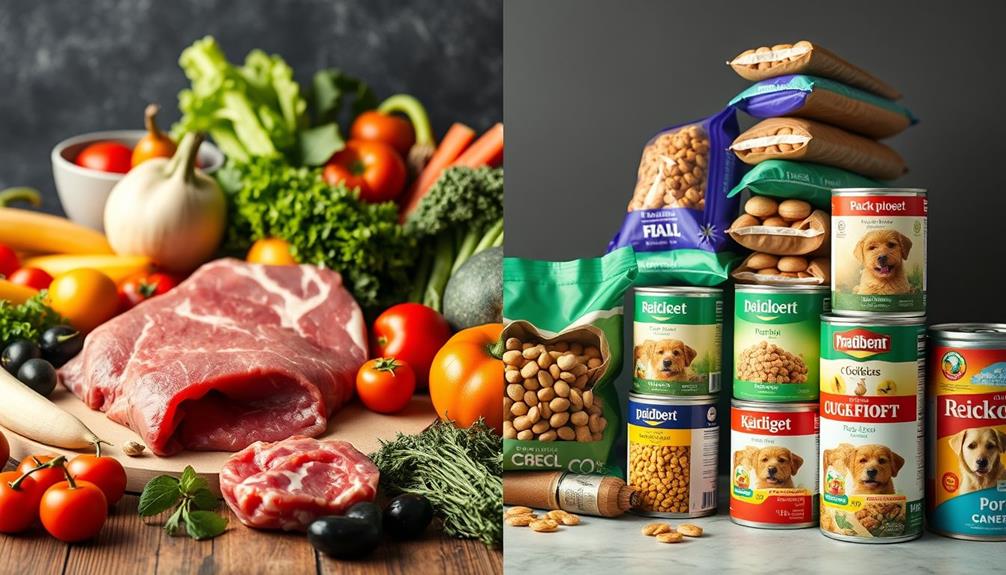
When you compare the cost of raw food and kibble for your dog, the differences are clear. Raw food typically averages around $9 daily, while high-end kibble can be as low as $1.30. Even though kibble is budget-friendly, it often uses lower-quality ingredients, which might lead to health issues over time. On the flip side, raw diets can potentially save you over $7,000 in vet bills due to better overall health. So, while kibble seems cheaper upfront, raw food's long-term benefits make it a worthy consideration. There's a lot more to explore about these options!

Get health and wellness essentials delivered free with Prime
- Fast, free delivery on millions of items
- Prime Video, Amazon Music and more included
- Member-only deals all year
Key Takeaways
- Raw food costs approximately $9 daily for a 50 lb dog, while high-end kibble averages $1.30 daily, making kibble the more budget-friendly option.
- Long-term veterinary expenses may be reduced with raw diets, potentially saving over $7,000 compared to feeding kibble.
- Ingredient quality in raw food is higher, emphasizing premium protein sources, while kibble often uses lower-grade ingredients.
- Monthly feeding costs for raw food range from $200-$400, while kibble costs between $40-$80, showing a significant difference in recurring expenses.
- Monitoring a dog's health during dietary changes is crucial, as raw food may lead to improved energy and reduced chronic health issues over time.
Cost Influences in Dog Feeding
When evaluating dog feeding costs, several factors frequently come into play. The cost per diet can vary notably based on your dog's weight, age, activity level, and metabolism. For instance, a 50 lb dog typically requires around 1,000 calories daily.
If you're contemplating feeding raw, raw food diets might cost around $9 per day, which can be more economical than lightly cooked foods averaging $335 monthly. Kibble, on the other hand, is usually less expensive, with high-end options averaging about $1.30 daily.
Additionally, it's crucial to assess the potential long-term health implications of your dog's diet, as certain foods can lead to issues like gout symptoms management. However, don't overlook the importance of ingredient quality. The ingredients in kibble can greatly affect its price, as lower-quality ingredients can lead to long-term health issues.
Pet owners need to weigh the initial savings from cheaper kibble against potential future costs related to health complications. Feeding Raw may seem pricier upfront, but it could enhance your dog's health and happiness over time.
Ultimately, choosing the right diet for your dog involves careful economic analysis and evaluation of quality versus cost. This decision impacts not just your wallet but also your dog's well-being.
Comparison of Dog Food Types
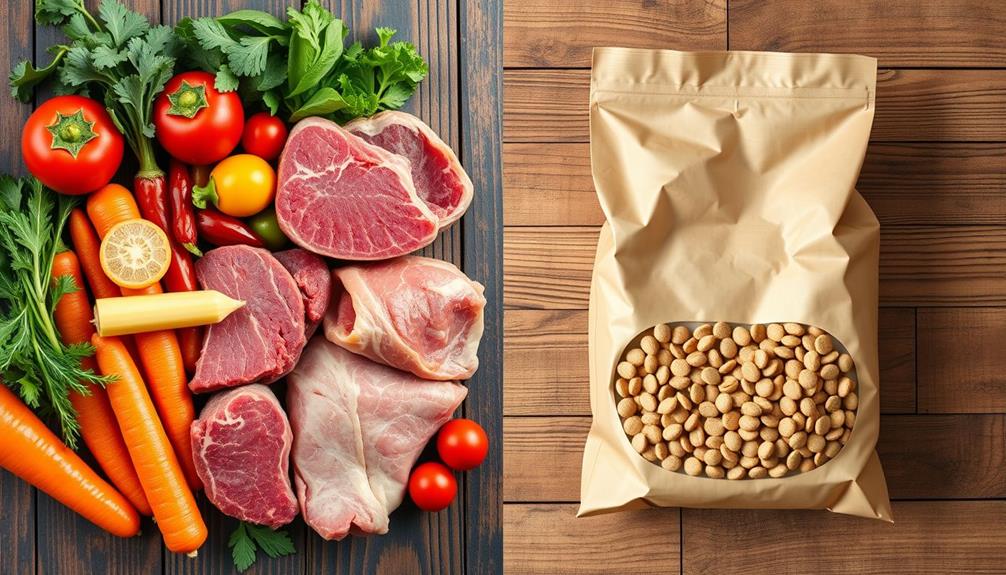
Dog food types vary considerably in cost and nutritional value, making it essential for pet owners to understand their options. When you're deciding between kibble, raw diets, and cooked dog food, it's important to reflect on how healthy dog snacks can complement your dog's overall diet and enhance their well-being.
Here's a breakdown of what you might encounter:
- Kibble: Roughly $1.30 per day, making it the most budget-friendly option.
- Raw frozen dog food: Averaging about $9 per day, it's a cost-effective alternative to cooked diets.
- Lightly cooked dog food: Ranges from $117 to $335 monthly, depending on the brand.
- Freeze-dried raw dog food: The priciest, at around $14.73 daily, which can strain your budget.
- Homemade dog food: An economical choice, averaging $6 less daily than premade raw diets.
Understanding these costs helps you make informed choices about feeding your dog.
While kibble may save you money, raw dog food offers nutritional benefits that some believe can enhance your pet's health.
On the other hand, homemade dog food can strike a balance between quality and cost. Ultimately, your choice will depend on your budget, your dog's needs, and your personal preferences regarding food preparation.
Ingredient Quality and Sourcing
Choosing the right dog food involves more than just considering cost; ingredient quality and sourcing play a significant role in your pet's overall health. Raw food typically emphasizes high-quality protein sources like chicken, beef, and fish, ensuring your dog receives peak nutritional value. This focus on quality can be particularly important for dogs with emotional challenges, as proper nutrition supports overall well-being and emotional stability, similar to how BPD dynamics in relationships can affect emotional health.
In contrast, kibble often utilizes feed-grade ingredients that don't meet human food standards, which can compromise quality. The sourcing of ingredients varies widely in kibble production, leading to significant inconsistencies in ingredient quality. Raw food, however, usually focuses on fresher, whole-food ingredients, often sourced directly from local farms or trusted suppliers. This commitment to sourcing translates to higher bioavailability and better alignment with your dog's natural dietary needs.
Kibble can contain up to 60% carbohydrates, which may contribute to obesity and other health issues. Premium raw food brands may command higher prices due to their superior ingredient quality, yet they can remain competitively priced against high-end kibble that often includes fillers and low-quality components.
Ultimately, investing in raw food can enhance your dog's health and well-being through better ingredient quality and sourcing.
Manufacturing Procedures Impact
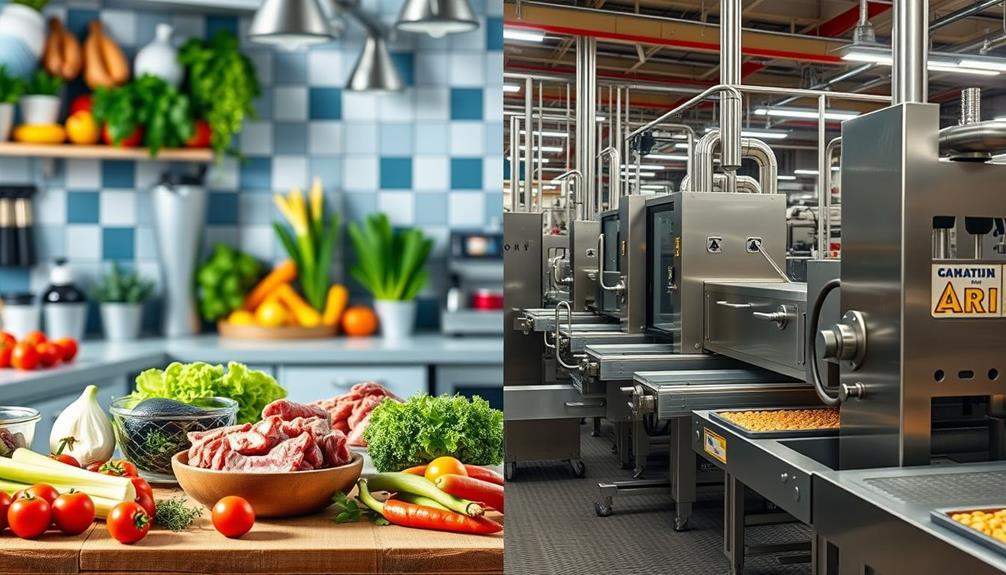
The manufacturing procedures used in pet food production greatly influence both cost and quality. Kibble typically results from automated manufacturing processes, which keeps production costs low and minimizes labor expenses.
In contrast, raw food requires more labor and higher-quality, human-grade ingredients, driving up expenses for dog owners. Understanding the importance of common financial terms can further aid in evaluating the investment in your pet's diet.
Here's how these methods differ:
- Automated processes for kibble reduce labor costs.
- Feed-grade ingredients in kibble don't meet human food standards.
- Stringent quality control measures are essential for raw food.
- Nutritional value in raw diets can enhance dog health.
- Bioavailability of raw ingredients may lower long-term veterinary expenses.
Because kibble is produced at about one-tenth the cost of raw diets, it's more economically viable for mass production.
However, the lower-quality ingredients in kibble can lead to health issues over time. On the other hand, investing in raw food can yield better health outcomes due to superior nutritional value, potentially offsetting those higher production costs.
As a dog owner, understanding these manufacturing impacts can help you make informed choices about your pet's diet.
Economic Considerations in Feeding
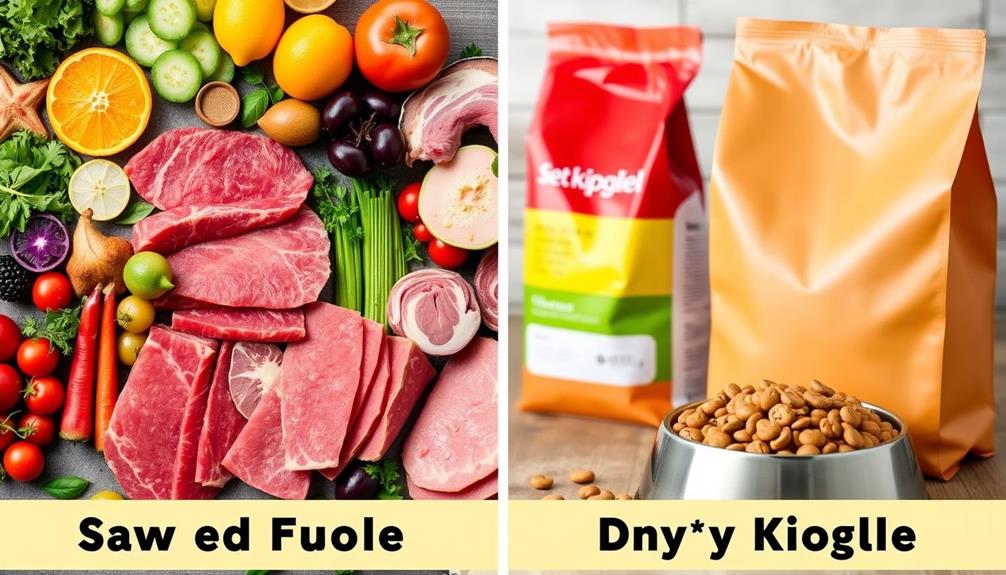
When it comes to budgeting for your pet's diet, understanding the economic implications of raw versus kibble feeding is essential. The daily cost of a raw dog food diet for a 50 lb dog averages around $9, while high-end kibble can be as low as $1.30. This significant cost difference is worth noting, especially when considering the potential for evaluating Bitcoin IRA suitability regarding risk management.
Generally, kibble diets range between $1 and $13 daily, whereas raw options can run from $3 to $10+ per day, depending on the brand and ingredient quality.
While raw food might seem pricier initially, consider the long-term expenses. Feeding a dog kibble throughout its life could exceed $31,000, especially when factoring in potential veterinary bills linked to health issues from lower-quality diets. In contrast, raw diets can reduce health complications, potentially saving you over $7,000 in veterinary expenses.
Additionally, subscription-based raw food services can offer a more predictable monthly feeding cost, starting around $2.87 for a 500g tub.
Ultimately, evaluating the daily cost versus potential health benefits can help you make a more informed decision about your dog's diet and overall well-being.
Recommendations for Dog Owners
For dog owners considering their pet's diet, weighing the options between raw food and kibble can be overwhelming. To make an informed decision, think about the following recommendations:
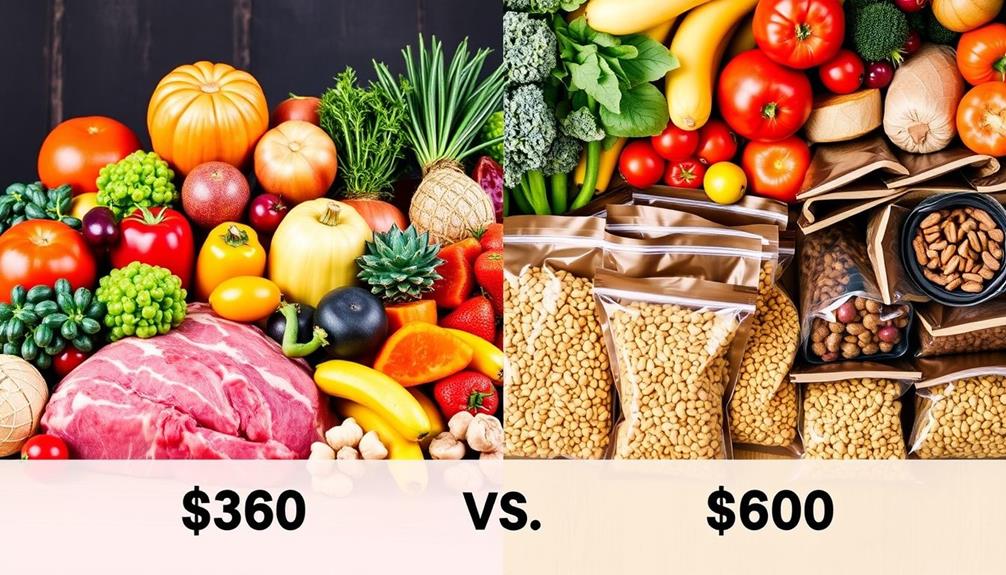
– Evaluate your budget: Raw food averages $9 daily versus $1.30 for high-end kibble. Consider the monthly cost of $200-$400 for raw food compared to $40-$80 for kibble. If you are on a tight budget, the raw food cost comparison may not be ideal. However, consider the potential health benefits for your pet in the long run. Also, factor in any potential savings on vet bills and potential decrease in health issues when evaluating the overall cost. It is important to weigh the financial aspect alongside the potential health benefits when making a decision.
Additionally, monitoring hydration levels is essential when altering your dog's diet to guarantee their well-being.
- Consult a veterinary nutritionist: They can guide you on the right balance of nutrients for your dog's needs, especially if you choose a raw food diet.
- Explore subscription services: Many offer fresh dog food at competitive prices, starting around £2.87 for a 500g tub, helping you manage costs and maintain a steady supply.
- Consider long-term health benefits: Investing in high-quality raw food may reduce future veterinary expenses by promoting better overall well-being and fewer diet-related illnesses.
- Monitor your dog's reaction: Shifting to a new diet can affect their health, so keep an eye on their energy levels and overall health.
Frequently Asked Questions
Is Raw Food More Expensive Than Kibble?
Yes, raw food often costs more than kibble initially. However, consider the potential long-term savings in veterinary expenses and the health benefits for your dog, which might make raw food a worthwhile investment.
Is It Cheaper to Make or Buy Raw Dog Food?
When it comes to making or buying raw dog food, you can save a pretty penny by preparing it yourself. While buying offers convenience, homemade options can greatly cut costs and keep your dog healthy.
How Much Raw Food Is Equivalent to Kibble?
To equate raw food to kibble, you'll typically feed around 300g of raw daily. This amount provides higher nutrient absorption, meaning your dog might need less food overall compared to kibble for similar energy levels.
Is It Cheaper to Make Dog Food or Buy Kibble?
You might find it cheaper to make homemade dog food, especially if you focus on quality ingredients. While initial costs can be higher, long-term savings on vet bills can make it more economical overall.
Conclusion
To summarize, choosing between raw food and kibble involves more than just price; it's about your dog's health and well-being. Did you know that a study found dogs on raw diets can have a 30% lower risk of obesity? By considering ingredient quality, sourcing, and your budget, you can make a more informed decision. Ultimately, investing in your dog's nutrition pays off in the long run, ensuring a happier, healthier life for your furry friend.
Halloween Picks
halloween
As an affiliate, we earn on qualifying purchases.