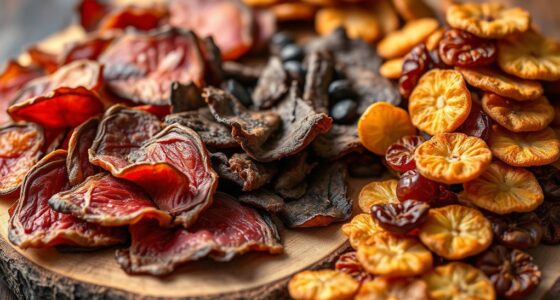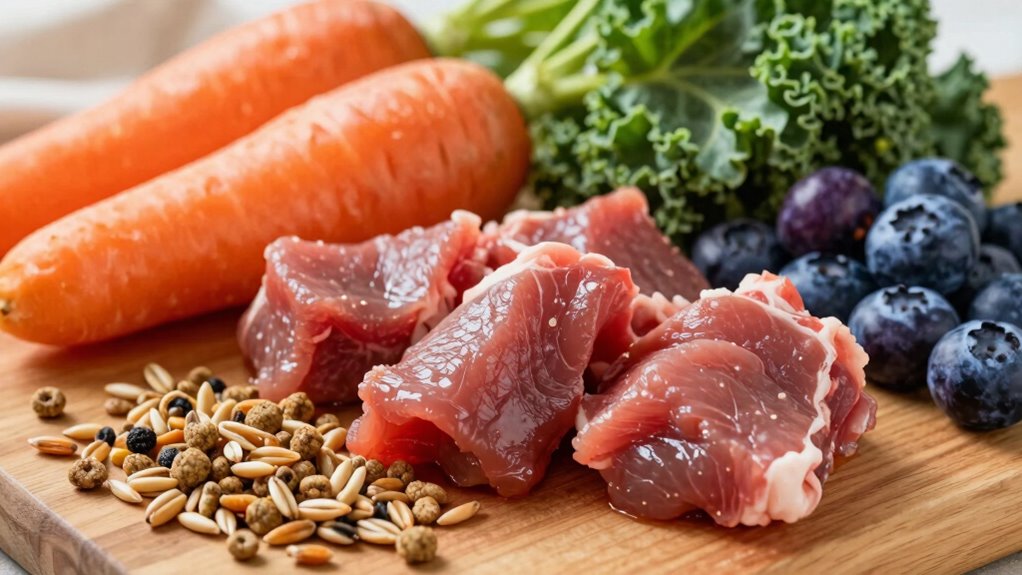

Raw pet meals need more than just meat because they lack essential nutrients. While meat offers protein, it’s missing vitamins, minerals, and fatty acids crucial for your pet’s health. Organ meats and veggies can provide these missing elements, promoting overall well-being and preventing deficiencies. Plus, a varied diet mimics what wild animals eat, which can enhance energy and vitality. If you’re curious about how to create a balanced meal plan, there’s plenty more to uncover.

Get health and wellness essentials delivered free with Prime
- Fast, free delivery on millions of items
- Prime Video, Amazon Music and more included
- Member-only deals all year
Key Takeaways
- Raw meat lacks essential vitamins, minerals, and fatty acids necessary for a balanced diet.
- A diverse diet, including organ meats and vegetables, supports overall health and prevents nutritional deficiencies.
- Raw meat carries bacterial contamination risks, making safe handling and ingredient variety crucial for pet safety.
- Incorporating complementary ingredients enhances energy levels and overall well-being in pets.
- Careful meal planning ensures long-term health benefits and supports a pet’s vitality and longevity.
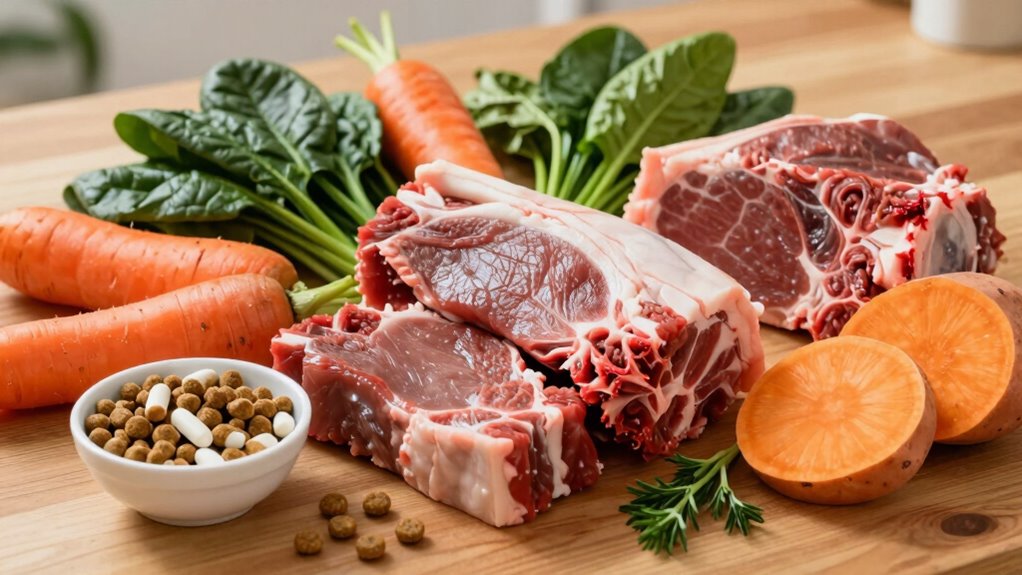
As pet owners, you want the best for your furry companions, and raw pet meals are gaining popularity for their potential health benefits. You might think that feeding your pet raw meat alone is all they need, but that’s where things can get tricky. While raw meat offers protein, it often lacks the nutritional balance required for a well-rounded diet. Animals, just like humans, need a variety of nutrients to thrive, and a meat-only diet can lead to deficiencies over time.
Feeding your pet raw meat alone may seem sufficient, but it often lacks the essential nutrients for a balanced diet.
When you switch to a raw diet, it’s essential to understand that nutritional balance involves more than just protein. Your pet needs vitamins, minerals, and essential fatty acids that come from various food sources. For example, incorporating organ meats can provide essential nutrients like vitamin A, while adding vegetables can supply fiber and antioxidants. Without these additional ingredients, you risk depriving your pet of critical health benefits.
Ingredient variety is key. Think about it: in the wild, animals consume a wide range of foods, from the muscle meat of their prey to the organs and even the stomach contents filled with plant material. This natural diversity is what keeps their diets balanced. By mimicking this variety in your pet’s raw meals, you can better guarantee they’re getting everything they need to stay healthy and energetic. Incorporating a balanced diet can also help prevent nutritional deficiencies that might arise from a limited food selection. Additionally, understanding nutritional balance can help you create meals that support their long-term health.
Another aspect to keep in mind is the risk of bacterial contamination when feeding raw meat. While it’s important to handle raw food safely, balancing your pet’s diet with various ingredients can help mitigate some of these risks. For instance, adding probiotics can support gut health and improve digestion. This way, you’re not only providing a balanced meal but also enhancing their overall well-being. Moreover, understanding nutritional balance can help you create meals that support their long-term health. Plus, incorporating food safety practices ensures that you’re protecting your pet from potential pathogens.
So, when you’re preparing your pet’s raw meals, think beyond just the meat. Incorporate a range of ingredients that complement each other and fulfill your pet’s nutritional needs. You’ll find that a well-rounded diet not only supports their physical health but can also contribute to a happier, more vibrant life.
Ultimately, feeding your pet a raw diet can be rewarding, but it requires careful thought and planning. By focusing on nutritional balance and ingredient variety, you’ll create meals that nourish your furry friend and keep them thriving for years to come.
raw pet food supplement vitamins
As an affiliate, we earn on qualifying purchases.
As an affiliate, we earn on qualifying purchases.
Frequently Asked Questions
Can Raw Pet Meals Cause Digestive Issues in Pets?
Yes, raw pet meals can cause digestive issues in pets. Without the right balance of digestive enzymes and fiber sources, your pet might struggle to digest the food properly. Additionally, consider meal frequency; feeding too much at once can overwhelm their system. It’s vital to maintain a protein balance in their diet, ensuring they get the nutrients they need. Adjusting these factors can help alleviate any digestive discomfort your pet experiences.
How Do I Transition My Pet to a Raw Diet?
Modifying your pet to a raw diet is like guiding a ship through uncharted waters. Start with a gradual adjustment; mix a small portion of raw food with their current diet. Over a week, slowly increase the raw food while decreasing the old. This approach helps your pet’s digestive system adjust and maximizes the raw food benefits. Keep an eye on their health, and soon they’ll be sailing smoothly on their new diet!
Are There Any Risks With Homemade Raw Pet Meals?
Yes, there are risks with homemade raw pet meals. You need to guarantee nutritional balance, as pets require specific vitamins and minerals. Food safety is essential too; improper ingredient sourcing can lead to bacteria concerns. Always practice safe meal preparation techniques to minimize risks. It’s wise to consult your vet for personalized advice, confirming your pet’s diet supports their health while avoiding potential hazards associated with raw feeding.
What Supplements Should I Add to Raw Meals?
To achieve nutritional balance in your pet’s raw meals, consider adding essential vitamins, mineral sources, and fatty acids. Digestive enzymes can improve gut health, while immune support supplements bolster their defenses. You’ll also want to guarantee food safety by incorporating quality ingredients. By doing this, you’ll create a well-rounded diet that meets all your furry friend’s needs, promoting their overall health and vigor. Your pet deserves the best, so let’s make their meals count!
How Much Raw Food Should I Feed My Pet?
You should feed your pet about 2-3% of their ideal body weight in raw food daily, adjusting based on their activity level and age. For instance, active pets may need more, while less active ones might require less. Guarantee you’re considering raw food portioning to maintain a proper dietary balance. Monitor their weight and health, making adjustments as needed to keep your furry friend happy and healthy.
Conclusion
While meat is the heart of raw pet meals, it’s not the whole package. Did you know that nearly 40% of pet owners don’t realize their pets need a balanced diet, including fruits and veggies? Adding these can boost vitamins and minerals, ensuring your furry friend thrives. So, next time you whip up a meal, remember: variety is key! Your pet will thank you with wagging tails and happy purrs.
Cold & flu season Picks
humidifiers
As an affiliate, we earn on qualifying purchases.