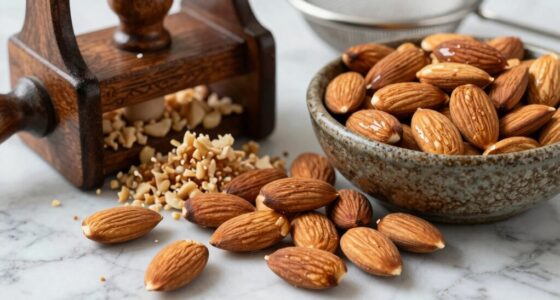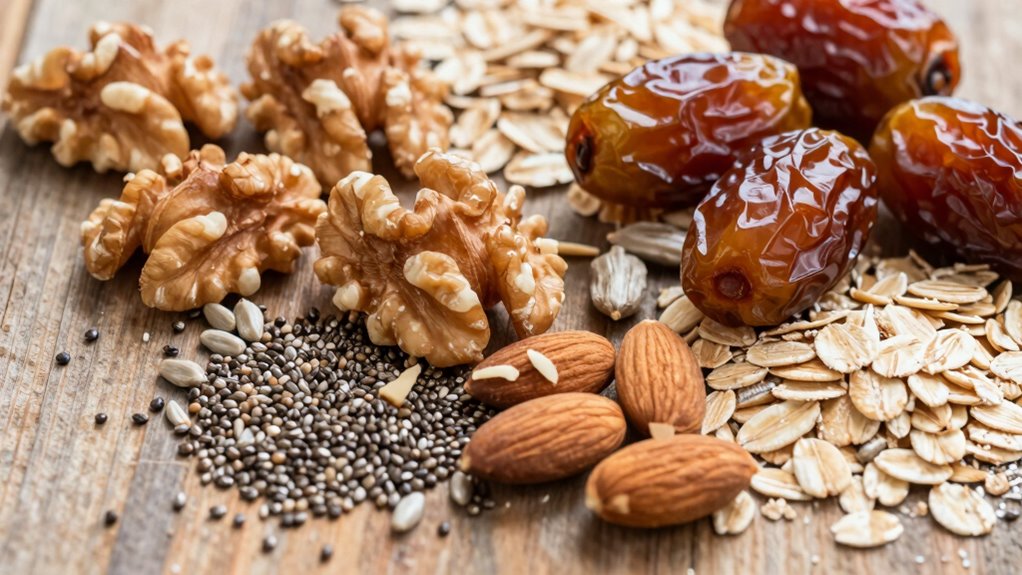

To create a great raw pie crust, you’ll want to start with the right nuts like almonds, walnuts, or pecans for a solid base. Don’t forget to add seeds like chia or flax for extra nutrition and binding. Focus on achieving a grainy texture that’s not too powdery. A touch of dates can sweeten it perfectly. Enhance flavors with spices or citrus zest. Keep experimenting, and you’ll discover more tips to perfect your crust.

Get health and wellness essentials delivered free with Prime
- Fast, free delivery on millions of items
- Prime Video, Amazon Music and more included
- Member-only deals all year
Key Takeaways
- Choose a variety of nuts like almonds, walnuts, or pecans for a flavorful and textured raw pie crust.
- Finely chop nuts to achieve a grainy consistency, ensuring the crust holds together without becoming mushy.
- Incorporate seeds like chia or flax to enhance nutritional value and improve binding in the crust.
- Experiment with spices, citrus zest, or cocoa powder to elevate the flavor profile of your raw pie crust.
- Enjoy the process of crafting your crust; it’s essential for achieving a delightful and balanced pie foundation.
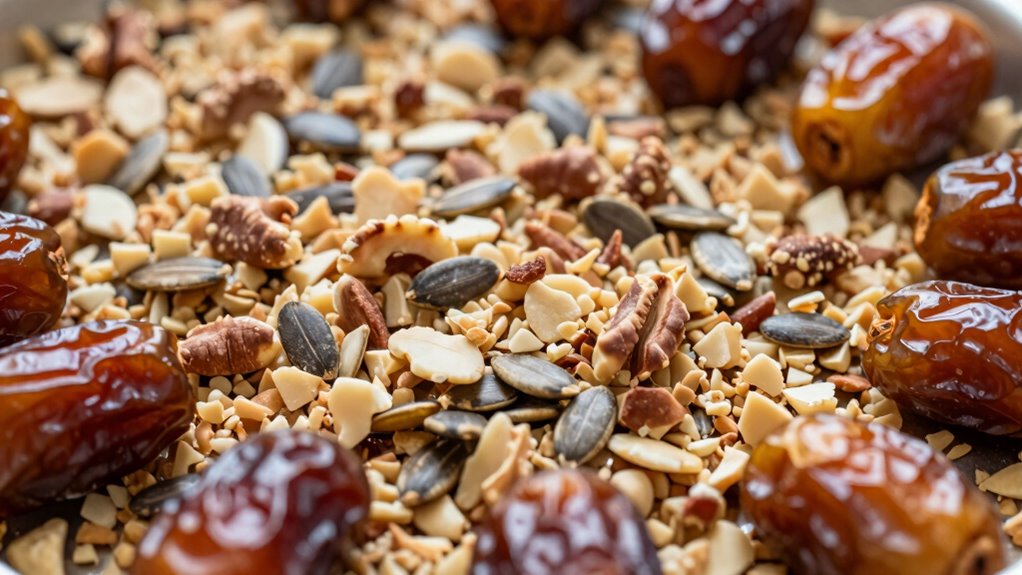
When you’re ready to whip up a delicious pie, mastering the raw pie crust is essential. A great crust sets the foundation for your pie, and with the right techniques, you can create something truly special. Start with nut selection; nuts are the cornerstone of a raw pie crust. Almonds, walnuts, and pecans are popular choices, but don’t hesitate to experiment. Each nut brings a unique flavor profile and texture that can enhance your pie. For a sweeter finish, try using cashews or macadamia nuts.
Once you’ve chosen your nuts, it’s time to contemplate texture. Aim for a balance between crunch and chewiness. One great tip is to pulse your nuts in a food processor until they’re finely chopped but not powdery. You want that perfect grainy consistency that’ll hold together well without becoming mushy. Add in some seeds, like chia or flax, to boost the nutritional value and add a bit of binding action. This will help your crust hold its shape when you fill it. Incorporating whole, natural ingredients is key to maintaining the health benefits of your raw crust. Including nutritious ingredients can also enhance the overall flavor profile and healthfulness of your crust. Additionally, selecting ingredients that are minimally processed preserves their natural nutritional properties and adds to the overall health benefits.
Contemplate texture by balancing crunch and chewiness; pulse nuts for a grainy consistency and add seeds for binding.
Once you’ve got your base down, think about flavor combinations. Maybe you want a hint of cinnamon or a dash of vanilla to elevate your crust. Experiment with different spices or even a touch of citrus zest for a fresh twist. You’ll be amazed at how those small additions can transform the taste. Incorporating ingredients that complement your filling can also elevate your crust to a new level. Additionally, understanding culinary tips can help you perfect your technique and achieve a more professional result.
Don’t forget crust variations! You can easily switch things up by adding shredded coconut or even cocoa powder for a chocolatey treat. If you’re feeling adventurous, try incorporating dried fruits or spices that complement your filling. Each variation opens up new possibilities, so let your creativity flow. In the end, mastering the raw pie crust is all about balancing flavors and textures. With the right nut selection and a few texture tips, you’re on your way to crafting a delicious base for your next pie. Enjoy the process, and your taste buds will thank you!
As an affiliate, we earn on qualifying purchases.
Frequently Asked Questions
Can I Substitute Other Fruits for Dates in the Crust?
Yes, you can substitute other fruits for dates in your crust! Try using dried figs or prunes as they offer similar sweetness and texture. If you prefer fresh fruit, mashed bananas or applesauce can work too, but adjust the moisture in your recipe. These fruit alternatives act as natural sweeteners, enhancing flavor while keeping your crust healthy. Experiment and find the combination that suits your taste best!
How Long Can I Store Raw Pie Crusts?
You can store raw pie crusts for about a week in the fridge or up to three months in the freezer. Want to guarantee your crust’s longevity? Wrap it tightly in plastic wrap or place it in an airtight container to prevent freezer burn. When you’re ready to use it, just thaw it overnight in the fridge. With these storage tips, your crust will stay fresh and ready for your next delicious creation!
Are There Gluten-Free Options for Raw Pie Crusts?
Yes, there are plenty of gluten-free options for raw pie crusts! You can use raw ingredients like nuts, seeds, and dried fruits to create a delicious base. Almonds or walnuts work great, and adding dates gives it sweetness. For flavor variations, try mixing in spices like cinnamon or vanilla. Experiment with different nuts and seeds to find your favorite combination. You’ll enjoy a tasty and healthy crust that fits your dietary needs!
What Tools Do I Need to Make a Raw Pie Crust?
For fabulous raw pie crusts, you’ll need a food processor for perfect pulsing, a mixing bowl for blending, and a spatula for scraping. Consider a springform pan for easier removal and a measuring cup for precise portions. As you explore pie crust variations, don’t forget a rolling pin if you want to shape it. Add flavor enhancements like spices or zest to elevate your creation and impress your taste buds!
Can I Freeze Raw Pie Crusts for Later Use?
Yes, you can freeze raw pie crusts for later use! To do this, wrap them tightly in plastic wrap or aluminum foil for ideal frozen storage. When you’re ready to use it, just transfer the crust to the fridge and let it thaw overnight. For quicker thawing, you can leave it at room temperature for about 30 minutes. Enjoy having a convenient crust ready whenever you need it!
Conclusion
In the world of raw pie crusts, remember: “You reap what you sow.” By mastering the balance of nuts, seeds, and dates, you’ll create a delicious foundation for your favorite fillings. Experiment with textures and flavors to find what works best for you. With a little creativity and practice, you’ll craft the perfect crust every time. So roll up your sleeves, get mixing, and enjoy the tasty rewards of your efforts!
Halloween Picks
halloween
As an affiliate, we earn on qualifying purchases.