Reverse osmosis uses a semi-permeable membrane to force water through, capturing contaminants like chlorine, heavy metals, pesticides, and bacteria. While it’s highly effective at purifying water, it also strips away essential minerals like calcium and magnesium, making the water taste flat and potentially more corrosive. To enjoy safe yet mineral-rich water, you may want to think about remineralization methods. Continue exploring to discover how to keep your water both pure and healthy.
Key Takeaways
- Reverse osmosis uses a semi-permeable membrane to remove contaminants like chlorine, heavy metals, pesticides, and microorganisms from water.
- It effectively improves water safety and taste but also filters out beneficial minerals such as calcium and magnesium.
- Remineralization restores essential minerals and balances pH in RO water through methods like mineral drops, filters, or natural mineral sources.
- Regular maintenance, filter replacement, and water testing are vital to ensure system efficiency and water quality.
- Proper remineralization enhances water flavor, health benefits, and prevents acidity or corrosion issues in RO-treated water.
How Does Reverse Osmosis Work to Purify Water?
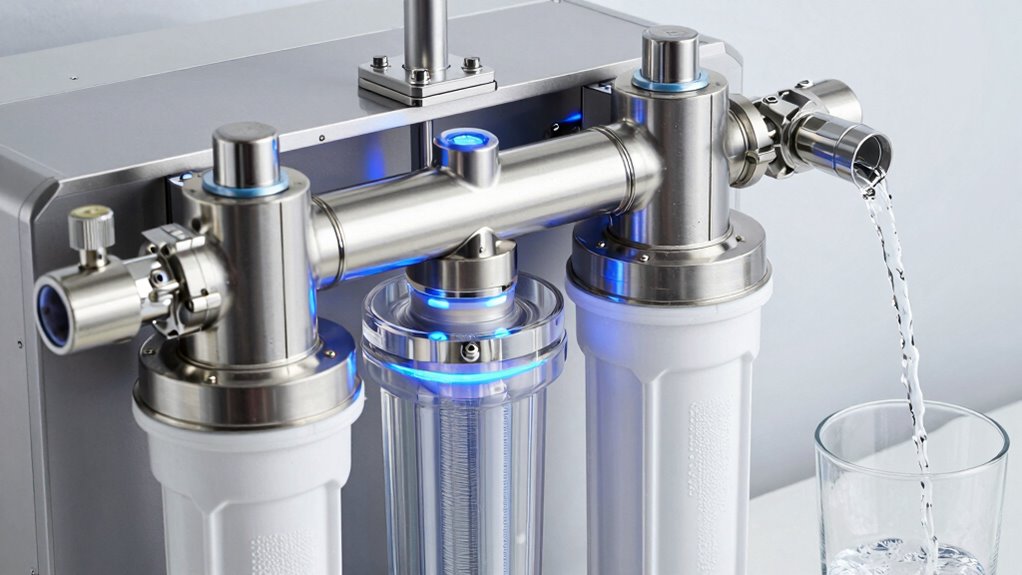
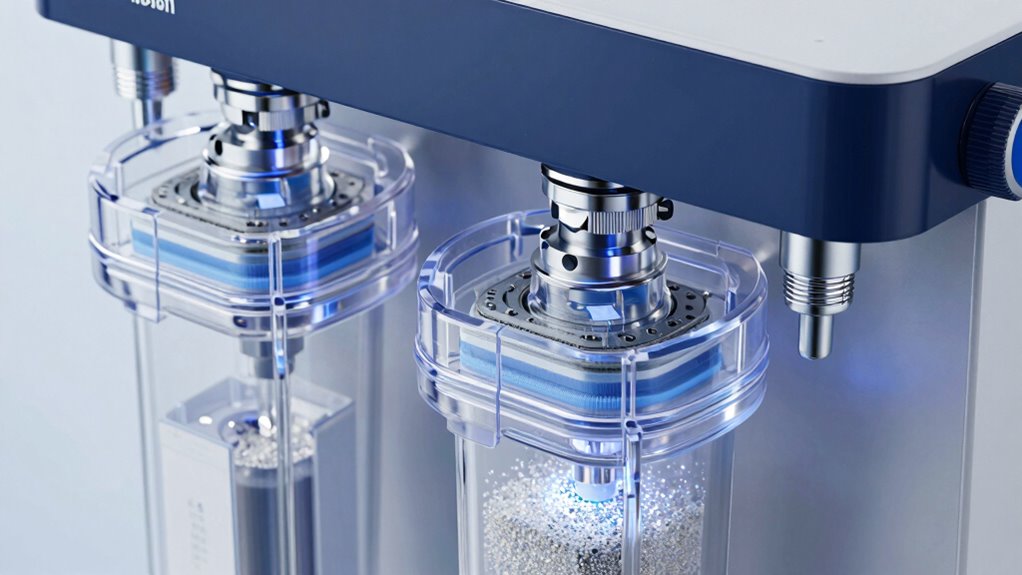
Have you ever wondered how reverse osmosis effectively removes contaminants from water? It works by forcing water through a semi-permeable membrane that blocks impurities. This process not only filters out contaminants but also helps improve the water’s taste by reducing chlorine and other odor-causing substances. During purification, the system maintains a balanced pH level, ensuring your water isn’t too acidic or alkaline, which can affect both taste and health. As water passes through the membrane, most dissolved solids, bacteria, and chemicals are left behind, leaving you with cleaner, better-tasting water. Incorporating a high-performance membrane enhances the overall efficiency of the process, resulting in even purer water. The overall result is a more invigorating, palatable drinking experience, thanks to the combined effects of contaminant removal and taste improvement through pH balancing. Additionally, understanding water filtration fundamentals can help you better appreciate how these systems enhance water quality. Recognizing the environmental impact of water treatment methods can also guide you toward more environmentally friendly choices. Moreover, choosing systems with energy-efficient designs can reduce the overall environmental footprint of your water purification setup.
What Contaminants Does Reverse Osmosis Remove?
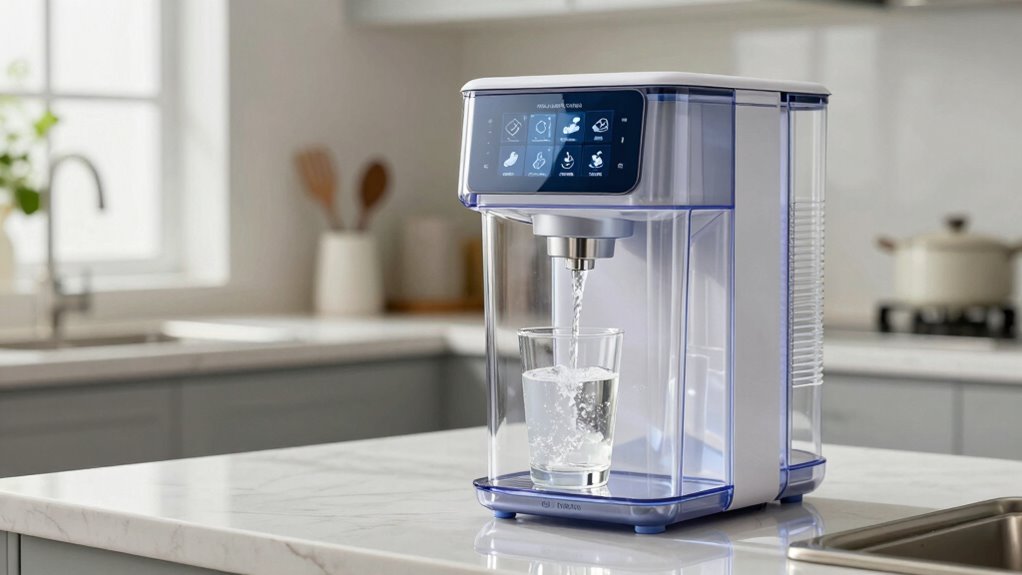
Reverse osmosis effectively removes many common water pollutants, making your water safer to drink. It targets contaminants like pesticides, chlorine, and sediments that affect taste and safety. Additionally, it filters out heavy metals and toxins that could pose health risks. For example, reverse osmosis can also remove contaminants like pharmaceuticals, ensuring cleaner drinking water. Incorporating reverse osmosis can also help eliminate chemical contaminants, which are often difficult to remove with standard filtration methods. Furthermore, the process can improve the overall quality of water by reducing microorganisms, providing an added layer of safety and supporting sound auditory processing through cleaner water intake.
Common Water Pollutants Removed
Wondering what contaminants reverse osmosis can remove from water? RO effectively filters out a wide range of pollutants, improving your water quality. It reduces harmful substances while helping maintain a stable pH balance, which can affect taste and corrosion. RO also tackles water hardness, preventing mineral buildup in appliances. Additionally, it can remove some biological contaminants, ensuring safer drinking water.
Heavy Metals and Toxins
Did you know that reverse osmosis is highly effective at removing heavy metals and toxins from water? It’s a powerful method for tackling water contamination and ensuring pollutant removal. Reverse osmosis membranes filter out harmful substances like lead, mercury, arsenic, and pesticides, which can pose serious health risks. To better understand, here’s a quick overview:
| Contaminant | Removal Efficiency | Common Sources |
|---|---|---|
| Heavy Metals | >99% | Industrial waste, pipes |
| Toxins | >99% | Pesticides, chemicals |
| Organic Pollutants | >95% | Agriculture runoff |
This process keeps your water safe by trapping these dangerous pollutants, making reverse osmosis a reliable solution for clean drinking water. Filtration efficiency plays a crucial role in the effectiveness of the process.
Why Does Reverse Osmosis Reduce Mineral Content in Water?
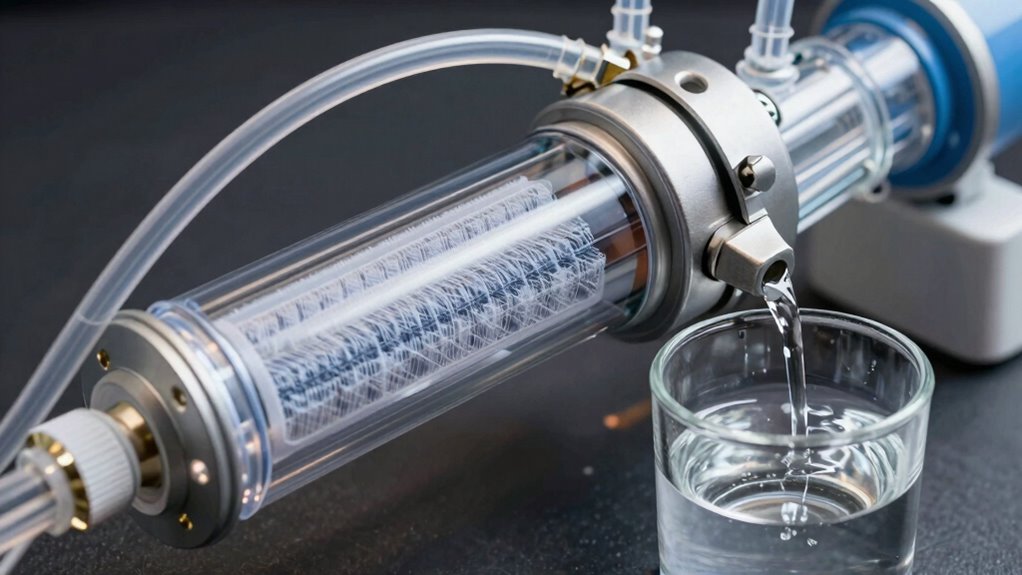
Because reverse osmosis relies on a semi-permeable membrane to filter water, it naturally removes not only contaminants but also minerals dissolved in the water. This process reduces mineral content, impacting pH balance and water hardness. As minerals like calcium and magnesium are eliminated, the water becomes more acidic and less hard. This removal is essential for eliminating impurities but also means your water lacks beneficial minerals. Without these minerals, your water’s taste may change, and its buffering capacity decreases. You might notice a flatter taste or increased corrosiveness. To counteract this, many opt for remineralization. Understanding this process helps you appreciate why mineral content drops and how it affects water quality. Key points include:
Reverse osmosis reduces minerals, affecting pH, taste, and water hardness.
- Changes in pH balance
- Reduced water hardness
- Loss of beneficial minerals
- Impact on taste and safety
- Need for remineralization
- The mineral content of water is a key factor in its overall quality and health benefits. Additionally, monitoring the water pH after filtration can help determine if remineralization is necessary to restore balance. Incorporating post-filtration mineral addition systems can effectively restore these essential minerals and improve water quality.
Are Mineral-Free Water Safe and Healthy to Drink?

Is mineral-free water safe and healthy to drink? Generally, yes, but it depends on your overall diet and water source. Mineral content in water provides essential nutrients like calcium and magnesium, which support bone health and muscle function. Removing minerals through reverse osmosis can make water taste flat and may reduce some health benefits. However, pure water itself is safe in terms of water safety standards. The key concern is that mineral-free water lacks natural minerals, which might impact your mineral intake if it’s your primary water source. For most people with a well-balanced diet, drinking mineral-free water isn’t harmful. Still, if you rely heavily on filtered water, consider adding minerals back or choosing water with natural mineral content to guarantee ideal health. Additionally, blue bunny frozen yogurt options can be a tasty way to supplement your diet with beneficial nutrients. To ensure you’re meeting your mineral needs, it’s helpful to be aware of natural mineral sources and how they contribute to your overall nutrition. Moreover, understanding the water mineral content of your local water supply can help you make informed choices about your hydration. Recognizing the importance of authenticity in water quality can further guide your choices for safe drinking water.
Do I Need to Remineralize Water After RO Filtration?

After removing minerals through reverse osmosis, your water may taste flat and lack the natural minerals your body needs. This mineral deficiency can also impact pH balancing, making your water more acidic. To restore taste and health benefits, mineral supplementation or remineralization can be beneficial. Remineralized water helps maintain proper mineral levels, supporting overall health and hydration. Incorporating smart design principles in water filtration systems can enhance user experience and satisfaction. Consider these points:
- Restores natural flavor and palatability
- Balances pH levels for healthier drinking water
- Supports mineral intake essential for bodily functions
- Prevents overly acidic or basic water
- Enhances water quality without additives
Additionally, choosing systems with integrated remineralization features can ensure consistent mineral levels. Proper water quality assessment can help determine whether remineralization is necessary for your specific needs. Using advanced filtration techniques can further improve water safety and mineral retention. Evaluating water mineral content regularly can help you decide if remineralization is right for you. Deciding whether to remineralize depends on your health goals and water quality preferences. If you seek natural mineral content and pH balance, remineralization is a practical step after RO filtration.
How Can I Remineralize My Water Naturally and Effectively?

You can naturally and effectively remineralize your water by adding mineral-rich substances that complement its natural content. This approach supports ideal mineral absorption, helping your body utilize essential nutrients efficiently. To do this, consider adding minerals like calcium, magnesium, or trace elements through natural sources such as mineral drops, crushed coral, or Himalayan salt. These additions not only restore beneficial minerals but also aid in pH balancing, ensuring your water remains slightly alkaline and less corrosive. Proper mineralization improves water taste and enhances hydration. Incorporating natural mineral sources into your water can further enhance its health benefits. Using unprocessed mineral materials ensures the purity and effectiveness of your remineralization process. Remember, the key is to choose natural, unprocessed sources to maintain purity. By doing so, you support your body’s mineral needs while ensuring your water stays balanced, safe, and enjoyable to drink.
What Are the Pros and Cons of Different Remineralization Methods?
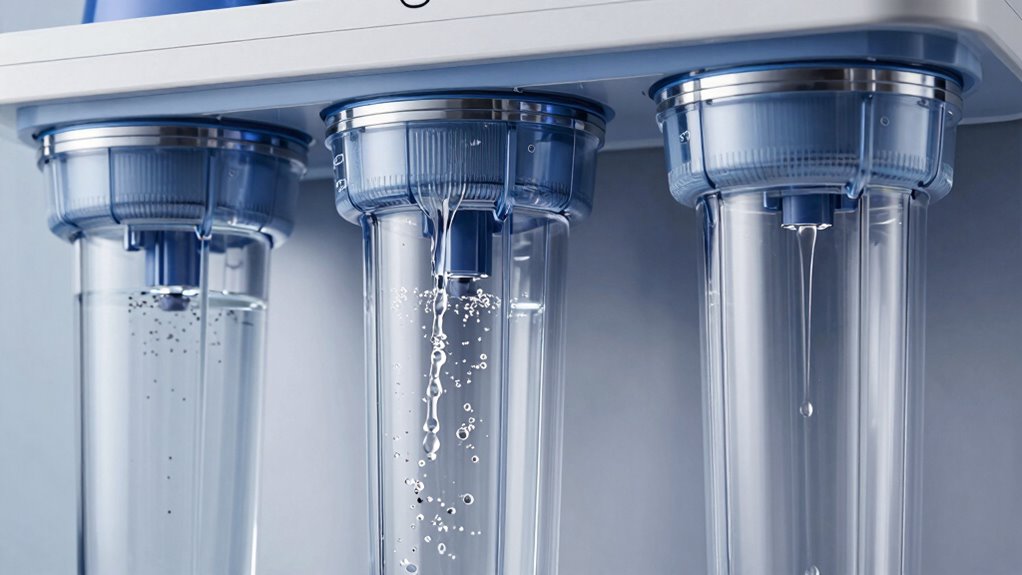
Different methods of remineralization offer varied benefits and drawbacks, making it important to choose the right approach for your needs. Some techniques excel at mineral preservation, ensuring essential elements like calcium and magnesium stay in your water. Others focus on pH balancing, preventing water from becoming too acidic or alkaline, which can affect taste and safety.
Choosing the right remineralization method depends on balancing mineral preservation and pH stability for safe, great-tasting water.
- Mineral injection provides precise control but can be costly.
- Mineral cartridge filters are simple and affordable but may need frequent replacement.
- Adding mineral drops allows customization but requires careful measurement.
- Natural mineral stones offer a slow release of minerals, supporting mineral preservation.
- Remineralization filters balance pH and restore essential minerals effectively.
Tips for Maintaining Your Reverse Osmosis System and Ensuring Water Quality
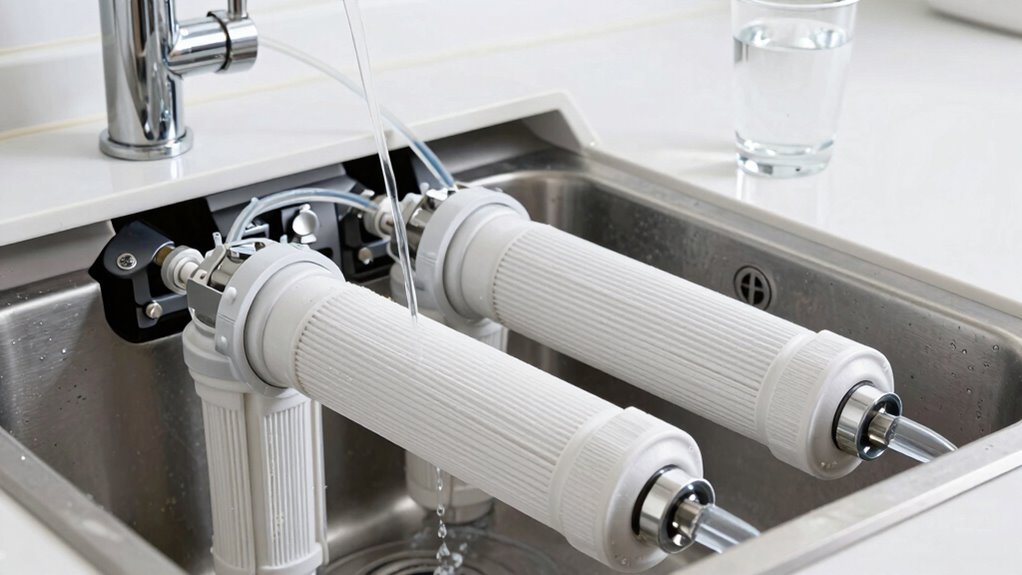
To keep your reverse osmosis system working efficiently, make certain to change the filters regularly. Monitoring your water quality helps catch any issues early and guarantees safe drinking water. Staying on top of these tasks keeps your system running smoothly and your water clean.
Regular Filter Changes
Regular filter changes are essential for keeping your reverse osmosis system functioning efficiently and ensuring the water remains clean and safe to drink. Ignoring this can shorten the filter lifespan and compromise water quality. Follow a consistent maintenance schedule to prevent buildup and guarantee maximum performance.
Remember:
- Replace pre-filters every 6-12 months
- Change the post-filter regularly for fresh taste
- Monitor filter lifespan based on use and water quality
- Keep track of replacement dates to avoid oversight
- Inspect for clogs or damage during each filter change
Sticking to these tips helps maintain your system’s efficiency and prolongs its lifespan. Proper filter maintenance ensures you always have access to high-quality drinking water and minimizes potential system failures.
Monitoring Water Quality
Monitoring your water quality is crucial to guarantee your reverse osmosis system continues to produce safe, clean drinking water. Regular water testing helps identify any contaminants or changes in water composition early, allowing you to address issues before they become serious. Keep an eye on pH balancing, as fluctuations can indicate system problems or water quality shifts. Use test strips or digital meters to check your water’s pH and ensure it stays within safe ranges. If testing shows increased contaminants or pH irregularities, consider replacing filters or consulting a water treatment professional. Consistent monitoring ensures your system functions at its best, maintaining water safety and quality. Taking these steps helps you enjoy fresh, pure water while prolonging your system’s lifespan.
Frequently Asked Questions
What Are the Environmental Impacts of Reverse Osmosis Wastewater Disposal?
You should know that disposing of reverse osmosis wastewater can impact the environment by affecting water conservation efforts and complicating wastewater treatment. The brine often contains high salt levels, which can harm aquatic life and soil health if not properly managed. Proper disposal methods are essential to minimize these impacts, ensuring that wastewater treatment processes are effective and that natural water resources remain protected.
How Does Temperature Affect the Efficiency of RO Filtration?
Temperature effects directly impact your RO filtration efficiency. When water is warmer, your system works more effectively because increased temperature reduces water viscosity, allowing for faster flow rates and better membrane permeability. Conversely, colder water increases viscosity, slowing filtration and decreasing efficiency. To enhance your RO system, keep water temperature within the recommended range, typically around 77°F (25°C), ensuring consistent performance and ideal filtration results.
Can Reverse Osmosis Remove Beneficial Trace Minerals?
Think of your water like a garden—beneficial trace minerals are the nutrients plants need. Reverse osmosis can remove these essential minerals, leading to trace mineral depletion. While it purifies water effectively, it also strips away beneficial elements. To maintain mineral balance, mineral reintroduction is necessary after filtration. Without it, your water might be pure but lacks the health benefits you seek, making supplementation or remineralization crucial.
Are There Health Risks Associated With Over-Remineralization?
Over-remineralization can cause mineral imbalance, which might lead to health concerns like kidney stones or cardiovascular issues. You should monitor your mineral intake carefully if you use remineralized water regularly. Too many added minerals may disrupt your body’s natural balance, so it’s important to find a proper level. Always consult a healthcare professional before making significant changes to your water’s mineral content to avoid potential health risks.
How Often Should I Replace the RO Membrane and Filters?
You should replace your RO membrane every 2 to 3 years and filters every 6 to 12 months, depending on usage and water quality. Regular filter lifespan monitoring helps prevent build-up and maintains peak performance. Keep up with membrane maintenance by inspecting it annually and replacing it when you notice a drop in water flow or quality. Proper maintenance ensures your system works efficiently and prolongs its lifespan.
Conclusion
Now that you know how reverse osmosis works and the importance of remineralizing your water, you can make smarter choices for your health. Think of your water as a blank canvas—removing impurities is great, but adding back essential minerals gives it life. With proper maintenance and natural remineralization methods, you’ll enjoy pure, mineral-rich water that’s as invigorating as a cool breeze on a hot day. Cheers to healthier sips!