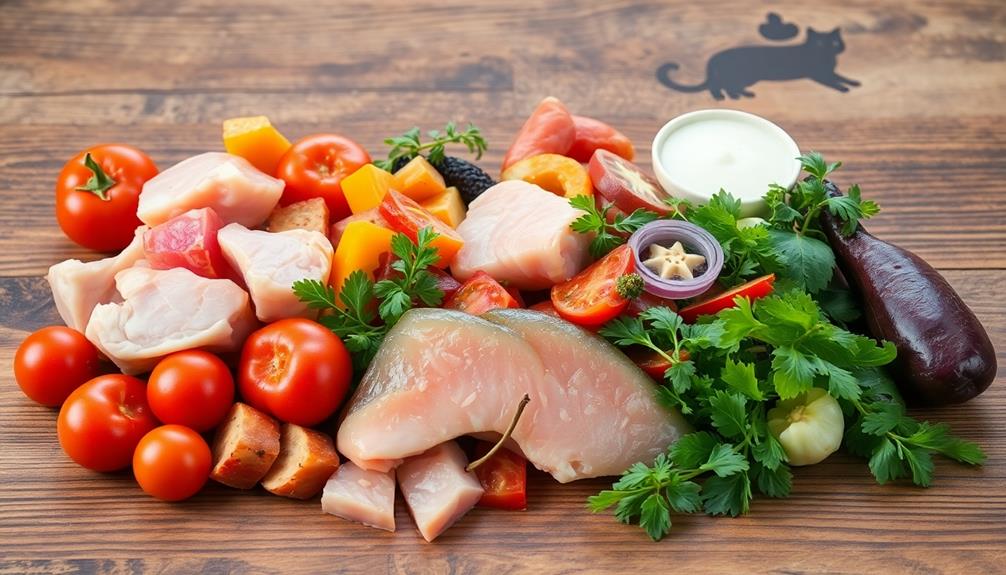
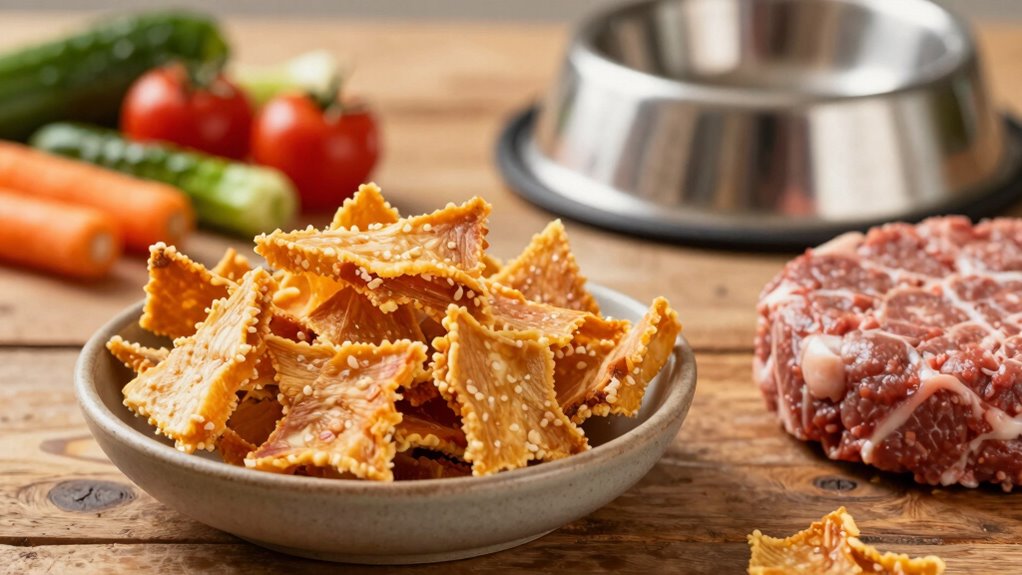

To add dehydrated treats to your pet’s raw food routine, break or cut them into smaller, manageable pieces suitable for your pet’s size. Sprinkle the treats over raw meals, use them as training rewards, or serve as quick standalone snacks. This enhances flavor, encourages better eating habits, and maintains nutrient intake. Properly incorporating treats supports a balanced diet while keeping your pet excited about mealtime. If you want to discover more tips, you’re in the right place.

Get health and wellness essentials delivered free with Prime
- Fast, free delivery on millions of items
- Prime Video, Amazon Music and more included
- Member-only deals all year
Key Takeaways
- Break or cut treats into appropriate sizes for your pet before serving.
- Sprinkle or crumble treats onto raw meals to enhance flavor and nutrient intake.
- Use dehydrated treats as quick, standalone snacks or training rewards.
- Incorporate treats gradually to maintain a balanced, raw diet for your pet.
- Store treats properly to preserve freshness and prevent spoilage.
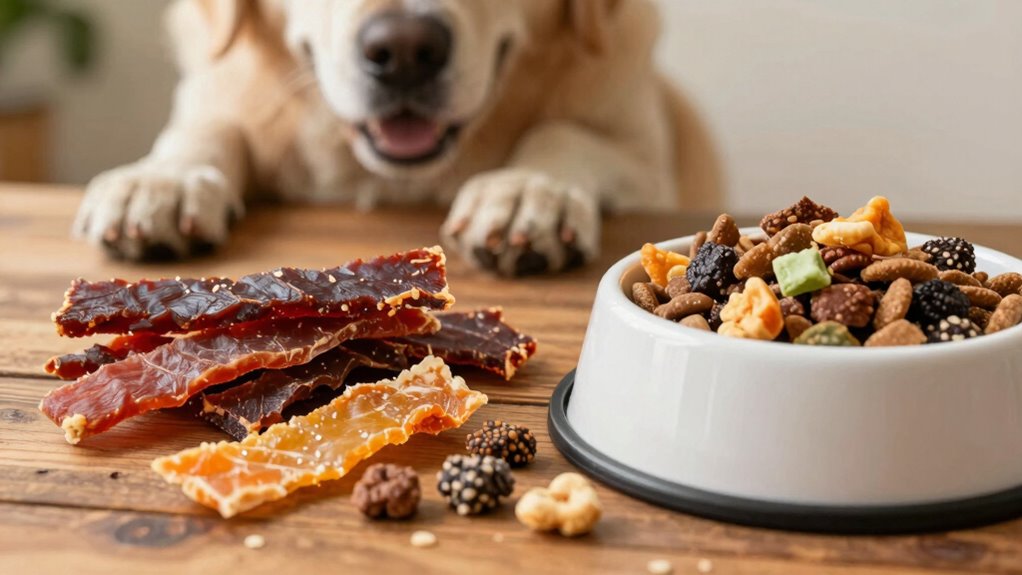
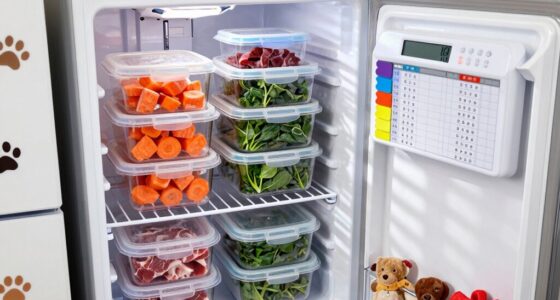
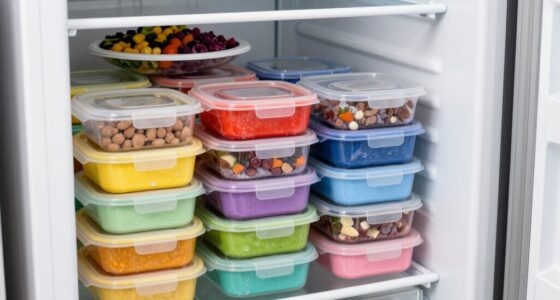
Incorporating dehydrated treats into your pet’s raw food routine can boost nutrition and add variety to their diet. These treats are convenient, long-lasting, and packed with nutrients, making them an excellent supplement or reward. To keep them fresh and safe, proper treat storage is essential. Store dehydrated treats in airtight containers or resealable bags, ideally in a cool, dark place to prevent moisture absorption and spoilage. If you buy in bulk, consider dividing treats into smaller portions and freezing some to extend their shelf life. Avoid exposure to heat and sunlight, as these can degrade the quality of the treats over time. Proper storage not only preserves the treats’ flavor and nutrients but also prevents mold and bacteria growth, ensuring your pet’s safety. Additionally, understanding dehydration methods can help you produce the best quality treats at home.
When it comes to dehydration methods, you have several options depending on your equipment and preference. Oven dehydration is a common method; you simply set your oven to a low temperature, around 140-160°F (60-70°C), and dry the treats slowly over several hours. This method is reliable and allows for control over moisture levels, ensuring the treats are thoroughly dried without cooking them. Air drying is another option, especially if you have a warm, dry climate. You can hang thin slices of meat or fruit in a well-ventilated area, protected from insects and dust, until they’re crisp. Food dehydrators are a popular choice because they offer consistent heat and airflow, making the dehydration process faster and more uniform. Whichever method you select, ensure the treats reach a moisture content that inhibits bacterial growth — usually below 15%. proper dehydration techniques are essential for making safe homemade treats, and understanding the benefits of dehydration can help you optimize the process. Maintaining hygienic handling during preparation can prevent contamination and preserve the quality of the treats. Additionally, using proper storage practices can further extend their freshness and safety.
Using dehydrated treats in your pet’s raw food routine is straightforward. Break or cut them into smaller pieces, depending on your pet’s size, to make training or snacking easier. These treats can be sprinkled on top of their raw meals, used as training rewards, or given as standalone snacks. Because dehydrated treats retain much of the original nutrient profile, they can be a healthier alternative to processed commercial treats. Plus, their concentrated flavor can encourage your pet to eat their raw food more enthusiastically. Incorporating them thoughtfully keeps your pet engaged and promotes a balanced diet, especially when paired with a variety of raw ingredients. Just remember to monitor portion sizes and store treats properly to maximize freshness, safety, and nutritional benefits.
As an affiliate, we earn on qualifying purchases.
Frequently Asked Questions
Are Dehydrated Treats Suitable for All Dog Breeds?
Dehydrated treats are generally suitable for most dog breeds, but you should consider breed-specific nutrition needs. Some breeds may require extra protein or specific ingredients, so check the ingredients of dehydrated treat varieties. Always monitor your dog’s reaction to new treats, especially if they have allergies or sensitivities. If unsure, consult your veterinarian to guarantee the treats fit well with your dog’s unique dietary requirements.
How Long Do Dehydrated Treats Last?
Did you know that properly stored dehydrated treats can last up to a year? Typically, their treat shelf life is around 6 to 12 months. For best results, keep them in an airtight container in a cool, dry place. Follow storage tips like avoiding humidity and direct sunlight. This way, your pet enjoys fresh-tasting treats while you maximize their longevity and maintain quality.
Can Dehydrated Treats Be Used for Training?
Yes, dehydrated treats work great for training because they boost your pet’s motivation and make rewarding quick and easy. You can use a variety of dehydrated treats to keep training fresh and exciting, preventing boredom. Plus, their portability allows you to reward your pet instantly, reinforcing good behavior effectively. Incorporate different flavors and textures to maintain your pet’s interest and make training sessions more engaging and successful.
Are There Any Health Risks With Dehydrated Treats?
Yes, dehydrated treats can pose health risks if not used carefully. They may contribute to nutritional deficiencies if they replace balanced meals or lack essential nutrients. Also, their chewy texture can create choking hazards, especially for smaller pets or those prone to swallowing quickly. Always supervise your pet during treats, choose high-quality options, and incorporate them into a balanced diet to minimize these risks.
How Do I Store Dehydrated Treats Properly?
You should store dehydrated treats in airtight storage containers to keep them fresh and prevent moisture exposure. Keep them in a cool, dry place away from direct sunlight, ideally on a treat shelf or pantry. Proper storage helps extend their shelf life and maintains their crunchiness. Always check for any signs of spoilage before offering treats to your pet, and follow any specific storage instructions provided on the packaging.
Conclusion
Incorporating dehydrated treats into your pet’s raw routine can be simple and beneficial, providing added flavor and nutrition. For example, imagine giving a dehydrated chicken strip as a reward during training, reinforcing good behavior while supporting their diet. Just like Jane, who saw her dog’s energy improve after switching to a routine that included these treats, you’ll find that small, thoughtful additions can make a big difference in your pet’s health and happiness.
Fall Picks
fall essentials
As an affiliate, we earn on qualifying purchases.